
July 22, 2026
Water Heater Pressure Relief Valve (7 Warning Signs to Watch For)
Your water heater works quietly in the background every day, but one small component is responsible for keeping the entire system safe. The water heater pressure relief valve, often called the T&P valve, is a critical safety device that releases excess pressure before it can build to dangerous levels inside the tank. When this valve fails, the consequences can range from minor water damage to a genuinely hazardous situation. In this guide, we cover:
- What a pressure relief valve does and why it matters
- The 7 warning signs that your T&P valve needs attention
- How to test your pressure relief valve safely
- When to repair versus replace your water heater
- How to protect your home and family with routine maintenance
If you’re already dealing with a failing water heater, our water heater replacement services can help you find the right solution fast. We’re proud to serve homeowners in Ijamsville, MD, and nearby communities with water heater installation, replacement, and HVAC services, and more.
What Does a Water Heater Pressure Relief Valve Do
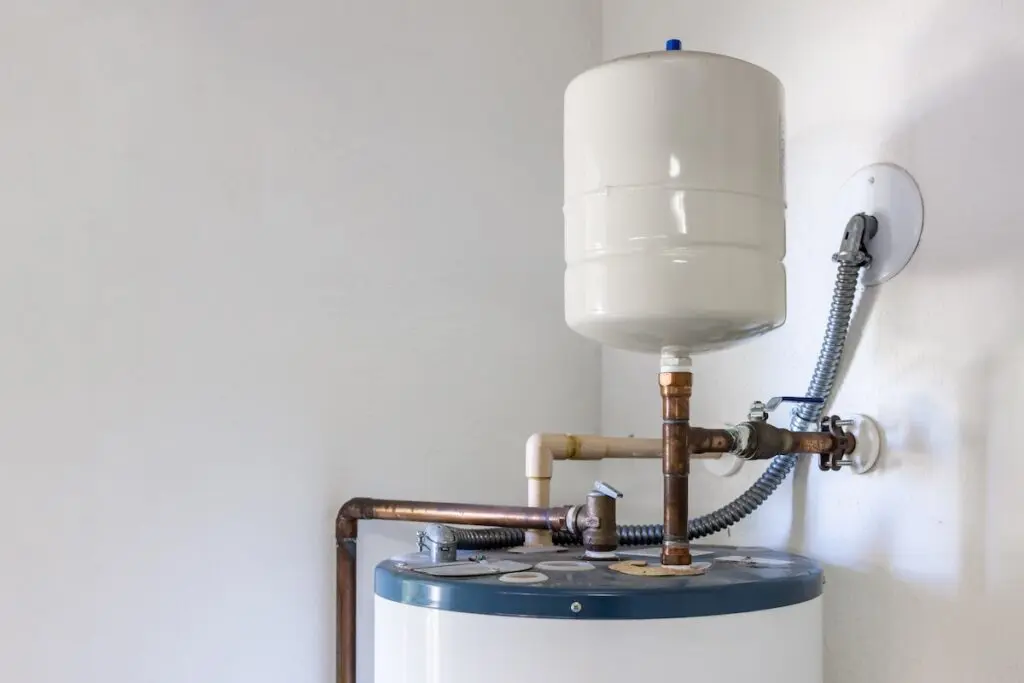
The pressure relief valve is one of the most important safety features on any water heater, yet most homeowners never think about it until something goes wrong. Understanding its function helps you recognize when it’s not doing its job correctly, whether you have a gas tank, an electric water heater, or a tankless system.
Inside your water heater tank, water is heated continuously, which causes pressure to build. Under normal conditions, the system manages this on its own. But if temperatures or pressure rise beyond safe limits, the T&P valve opens automatically to release that excess pressure through the run off tubes and prevent the tank from rupturing. Without a functioning valve, over pressurization inside the tank can turn a routine appliance into a serious safety hazard.
How the T&P Valve Works
The valve is typically located on the side or top of the tank and connects to a discharge pipe that runs downward, directing released water safely away from people and electrical components. It is designed to open when water temperature exceeds 210 degrees Fahrenheit or pressure exceeds 150 PSI. The outlet thread size of the valve must match your tank’s fitting precisely to ensure a secure, leak-free connection.
- Temperature trigger: The valve opens if the water inside the tank gets too hot, preventing scalding steam buildup.
- Pressure trigger: If pressure inside the tank climbs beyond safe limits, the valve releases it through the run off tubes before structural damage can occur.
- Outlet thread size: Must match the tank fitting exactly to maintain a safe, code-compliant connection.
- Automatic reset: The valve closes again once pressure or temperature returns to a safe level.
Why It Fails
Like all mechanical components, T&P valves wear out over time. Mineral deposits from hard water, corrosion, and simple age all contribute to valve degradation. On an electric water heater, a faulty heating element can cause temperatures to spike unexpectedly, putting extra strain on the valve. A valve that has been triggered frequently may also fail to reseat properly, leading to chronic dripping or leaking.
7 Warning Signs Your Pressure Relief Valve Needs Attention
Catching a failing T&P valve early can prevent water damage, equipment failure, and safety hazards. Here are the seven warning signs every Ijamsville homeowner should know. Checking your water heater annually for these symptoms is one of the simplest ways to protect water heaters from preventable failures.
1. Water Leaking Around the Valve
A small amount of discharge during a pressure release cycle is normal, but water consistently dripping from the valve or pooling at the base of the run off tubes is not. This typically indicates the valve is not reseating properly after opening, either because of debris, corrosion, or wear.
- Mineral buildup: Hard water deposits can prevent the valve from closing fully after a release cycle.
- Worn valve seat: Age and repeated cycling can degrade the internal seating surface, causing a persistent drip.
- Overpressure condition: If pressure inside the tank is consistently too high, the valve may drip as a result of a deeper system issue.
2. Rust or Corrosion on the Valve Body
Visible rust or corrosion on the valve itself is a clear sign that the component has been exposed to moisture over time, often from repeated discharge cycles or a slow leak. A corroded valve may not open when it should or may fail to close fully, making it unreliable as a safety device.
3. The Valve Feels Excessively Hot
The area around the T&P valve should be warm but not scalding to the touch. If the valve or the pipe connected to it feels extremely hot, it may indicate that the water inside the tank is running at a dangerously high temperature. On an electric water heater, this is often linked to a thermostat or heating element that is no longer regulating correctly. This is a situation that warrants immediate attention from a licensed plumber or HVAC technician.
4. No Discharge When Tested
A pressure relief valve that produces no discharge when manually tested may be stuck in the closed position due to corrosion or mineral deposits. A valve that cannot open when needed provides no protection against over pressurization. Testing your valve annually is the only way to confirm it is functioning correctly.
5. The Valve Discharges Frequently
On the other end of the spectrum, a valve that opens repeatedly or discharges large amounts of water on a regular basis is signaling that something is wrong with the system. This could indicate excessive water pressure entering the home from the main supply, a failing expansion tank, or a thermostat set too high on the water heater.
- High incoming pressure: Municipal water pressure above 80 PSI can trigger the T&P valve repeatedly.
- Thermal expansion: Homes with a closed plumbing system and no expansion tank may experience pressure spikes that stress the valve.
- Thermostat issues: A malfunctioning thermostat can cause water temperatures to climb beyond safe levels.
6. Age Over Five Years Without Testing
Most water heater manufacturers recommend inspecting your water heater annually and replacing the T&P valve every three to five years as a precaution. If you cannot recall the last time your valve was tested or replaced, its age alone is reason enough to have it inspected. An untested valve that has never been opened may be stuck in place and unable to function when needed.
7. Rumbling or Popping Sounds From the Tank
Unusual noises coming from your water heater, particularly rumbling, popping, or banging sounds, can indicate sediment buildup on the bottom of the tank. This forces the heating element to work harder, raises water temperature unevenly, and puts additional stress on the pressure relief valve. Left unaddressed, sediment buildup accelerates tank wear and increases the risk of over pressurization and pressure-related problems.
How to Test Your Water Heater Pressure Relief Valve
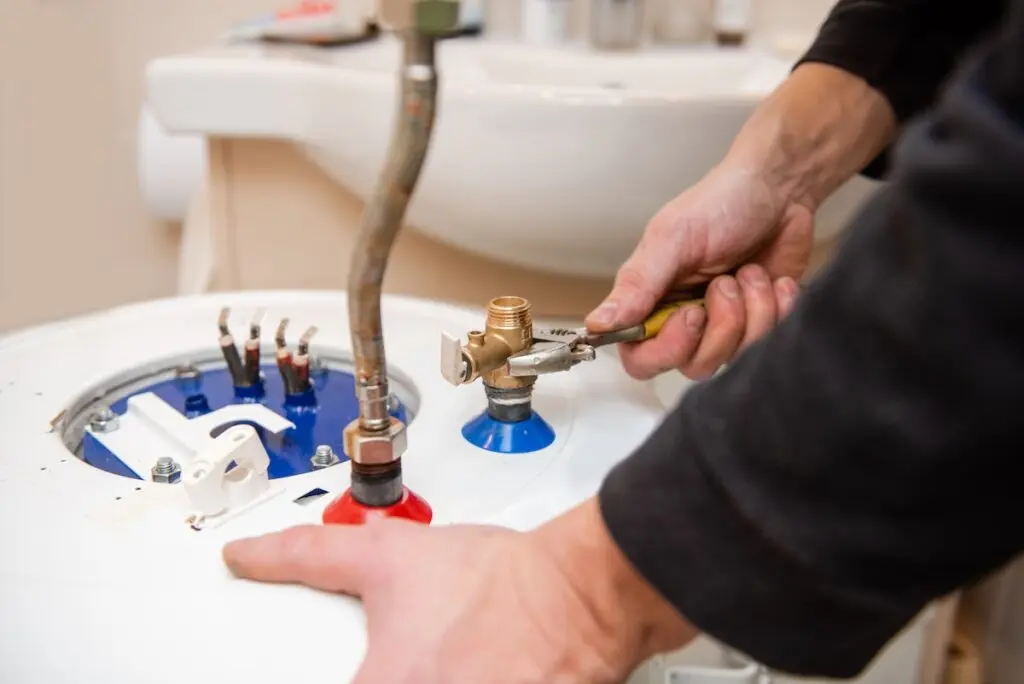
Testing your T&P valve is a straightforward task most homeowners can handle themselves, though it should be done carefully. Before testing, place a bucket beneath the run off tubes to catch any water, and be aware that the water released will be hot.
Lift the test lever on the valve briefly, then release it. You should hear a rush of hot water through the discharge pipe and into the bucket. When you release the lever, the valve should close completely and stop discharging. If no water comes out, if the valve continues to drip after releasing the lever, or if the lever feels stuck or corroded, the valve should be replaced. Also check that the outlet thread size of any replacement valve matches your tank’s specification before installation.
According to the Water Quality Association, water heater components exposed to hard water deteriorate significantly faster than those in homes with treated water. In Ijamsville, MD, where water hardness varies across neighborhoods, regular valve inspection is especially important.
Comparison: T&P Valve Issues and Likely Causes
| Symptom | Likely Cause | Recommended Action |
| Constant dripping | Valve not reseating, high pressure | Replace valve, check system pressure |
| No discharge when tested | Stuck valve, corrosion | Replace valve immediately |
| Frequent discharge | High incoming pressure, bad expansion tank | Inspect full system, add expansion tank |
| Rust or corrosion | Age, moisture exposure | Replace valve |
| Excessive heat around valve | Thermostat failure, overheating | Adjust thermostat, call a technician |
| Rumbling sounds | Sediment buildup | Flush tank, inspect valve |
When to Replace the Whole Water Heater
A failing pressure relief valve is sometimes a standalone issue that a straightforward valve replacement resolves. But in other cases, it signals that the water heater itself is approaching the end of its useful life. To truly protect water heaters from becoming a liability, know when repair is no longer the right call. Consider full water heater replacement if:
- The tank is over 10 years old: Most conventional water heaters last 8 to 12 years. An aging tank with a failing valve is often better replaced than patched.
- You see rust in your hot water: Rusty water coming from hot taps typically means the inside of the tank is corroding, which no valve replacement can fix.
- Repairs are adding up: If you’ve already replaced the valve, anode rod, or heating elements in recent years, replacement is likely more cost-effective than continued repairs.
- Energy costs are rising: An aging electric water heater or gas unit works harder to maintain temperature, driving up monthly energy bills.
Frequently Asked Questions About Water Heater Pressure Relief Valves
Homeowners often have questions about this small but critical component. Here are clear answers to the most common ones.
How often should I test my T&P valve?
Most manufacturers and plumbing professionals recommend testing your pressure relief valve once a year. Checking your water heater annually for valve function, leaks, and corrosion is the most reliable way to catch problems before they escalate.
Can I replace a T&P valve myself?
Replacing a pressure relief valve is a relatively straightforward plumbing task, but it does involve working with a hot water system under pressure. Make sure any replacement valve matches the outlet thread size of your existing fitting and the BTU or pressure rating of your tank. If you are not comfortable with plumbing work, having a licensed technician handle the replacement is the safer choice.
What size T&P valve do I need?
Replacement valves must match the BTU rating of your water heater, the pressure rating of your tank, and the outlet thread size of the existing fitting. The correct specifications are printed on the label of your existing valve and in your water heater’s documentation. Using an incorrectly sized valve can compromise safety and lead to over pressurization risks.
Why does my T&P valve keep going off?
A pressure relief valve that triggers repeatedly is not malfunctioning, it is doing its job. The underlying problem is that pressure or temperature inside the tank is consistently exceeding safe limits. Common causes include high incoming water pressure, a missing or failed expansion tank, or a thermostat set too high. A licensed technician can diagnose the root cause and recommend the right fix.
Is a dripping T&P valve dangerous?
A valve that drips occasionally during normal pressure cycles is less concerning than one that drips constantly. Persistent dripping usually means the valve is not reseating properly, which is a sign it needs replacement. More importantly, a valve stuck partially open cannot provide full protection against over pressurization if a serious pressure event occurs.
Trust Smock With Your Water Heater Safety
A functioning pressure relief valve is not optional. It stands between your family and a genuinely dangerous situation, and it deserves the same attention as any other critical system in your home. Whether you need a valve inspection, a full water heater tune-up, or a complete replacement, Smock is here to help.
Our team serves Ijamsville homeowners with honest assessments, reliable repairs, and quality installations you can count on. When you’re ready to make sure your water heater is safe and running efficiently, contact our team to schedule your service today.