
August 27, 2025
How Does a Tankless Water Heater Work? (HVAC Guide)
If you’ve been wondering, “How does a tankless water heater work?“, you’re not alone. More homeowners are making the switch from traditional tank water heaters to tankless models for their energy efficiency and space-saving benefits. Understanding how these systems operate can help you decide if a tankless water heater is right for your home.
This comprehensive guide will walk you through everything you need to know about tankless water heaters, including:
- How tankless water heaters work
- Types of tankless water heaters
- Key components and their functions
- Benefits of going tankless
- Installation considerations
🤔 How Tankless Water Heaters Work
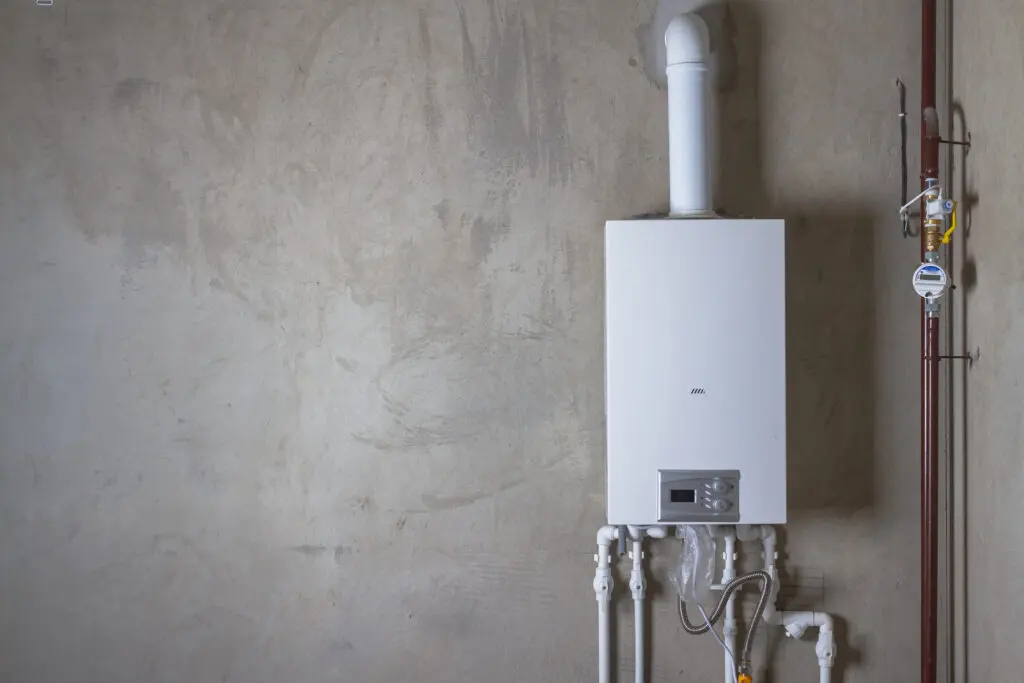
Unlike traditional water heaters that store heated water in a large tank, tankless water heaters heat water instantly as it flows through the unit. When you turn on a hot water tap, cold water enters the tankless unit through an inlet pipe. The system detects the water flow and automatically activates the heating element.
The heating process happens in seconds. As water moves through the unit, it passes over a heat exchanger that rapidly brings the water to your desired temperature. The heated water then flows directly to your faucet, shower, or appliance without any storage delays.
This on-demand heating means you’ll never run out of hot water, unlike tank systems that can be depleted during high-usage periods. The unit only operates when hot water is needed, which contributes to its energy efficiency.
Key Components and Functions
- Heat Exchanger: Transfers heat from the gas burner or electric elements to the water. Built from durable materials like copper or stainless steel to handle constant heating and cooling cycles.
- Flow Sensor: Detects when a hot water tap is turned on, activating the system to heat water only when needed, improving energy efficiency.
- Temperature Controls: Digital controls let you set and maintain consistent water temperatures, preventing scalding and ensuring comfort.
- Venting System (Gas Units): Safely removes combustion gases with intake and exhaust pipes, ensuring proper air circulation for safe operation.
⚖️ Types of Tankless Water Heaters
Understanding the types of tankless water heaters is essential to finding the right fit for your home’s needs. Each type offers unique benefits, from energy efficiency to consistent hot water supply, making it important to choose wisely.
| Feature | Electric Tankless Water Heaters | Gas Tankless Water Heaters |
| Heating Method | Powerful electric heating elements | Natural gas or propane burner |
| Size & Installation | Smaller and easier to install | Larger and requires proper venting |
| Best for | Apartments and smaller homes | Larger households with higher hot water demands |
| Fuel Availability | Ideal for areas without natural gas | Requires access to natural gas or propane |
| Power Requirements | May need electrical upgrades for whole-home use | Requires proper venting for combustion gases |
| Flow Rates | Lower flow rates | Higher flow rates |
| Operating Costs | Higher due to electricity usage | Typically lower due to cheaper gas prices |
⭐️ 6 Benefits of Tankless Water Heaters
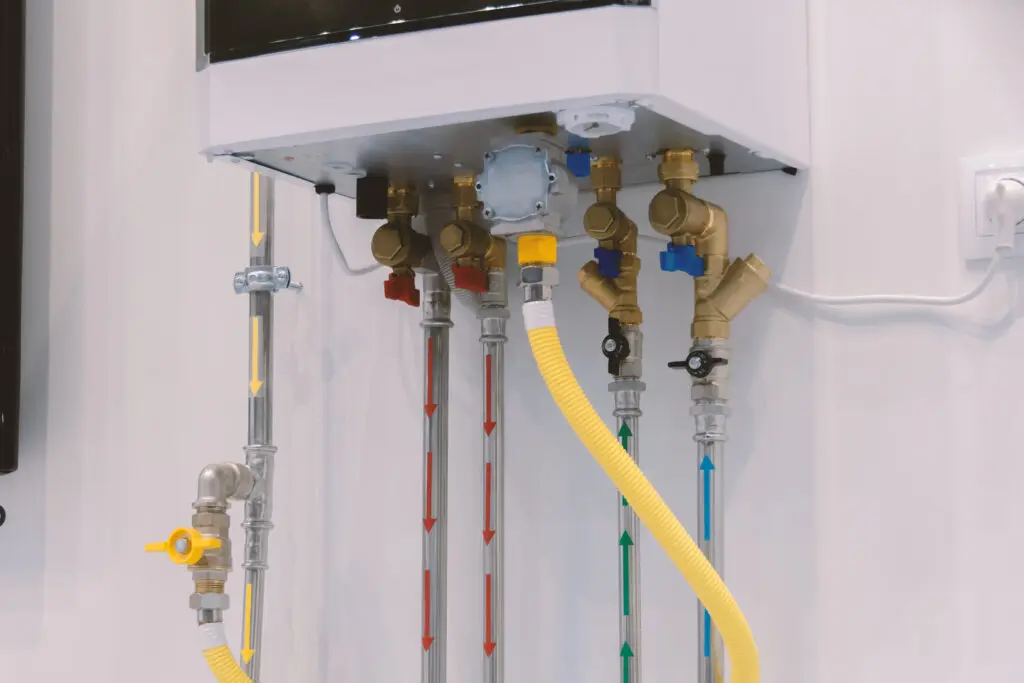
Tankless water heaters provide hot water on demand, making them an energy-efficient choice. They save space and reduce utility costs, making them ideal for modern homes.
1. Energy Efficiency
Tankless water heaters are designed to provide hot water only when needed, making them highly energy-efficient. Unlike traditional tank models that keep a large volume of water heated at all times, tankless systems eliminate standby heat loss.
- They can be 24-34% more energy-efficient for homes using 41 gallons or less of hot water daily.
- For homes using more hot water, they are still 8-14% more efficient than traditional models.
- This improved efficiency can lead to noticeable savings on energy bills over time.
2. Space Savings
Tankless water heaters are compact, making them an excellent choice for homes where space is a premium.
- No bulky storage tank means more room in your utility area.
- Most units mount on the wall, freeing up valuable floor space.
- Their small footprint, comparable to a small suitcase, makes them ideal for apartments or homes with limited storage.
3. Longer Lifespan
Tankless water heaters are built to last, offering a much longer operational life compared to traditional tank models.
- On average, they last 15-20 years, compared to 8-12 years for storage tank systems.
- Their durable design can reduce the frequency and cost of replacements.
- Over time, this longer lifespan can provide better overall value despite the higher upfront cost.
4. Unlimited Hot Water Supply
With a properly sized tankless water heater, you’ll never run out of hot water again.
- Water is heated on demand, so you can enjoy continuous hot water regardless of usage.
- No more frustrations from cold showers during peak usage times.
- Perfect for large families or homes with high hot water demands.
5. Reduced Risk of Water Damage
Tankless water heaters don’t have a storage tank, reducing the potential for water-related disasters.
- No risk of catastrophic tank failures that can flood your home.
- Ideal for homes where the water heater is installed in basements, upper floors, or areas prone to damage.
- Lowers the need for emergency repairs and costly water damage cleanup.
6. Better Water Quality
Tankless systems heat water as it flows, providing fresher, cleaner hot water.
- Traditional tanks can accumulate sediment over time, affecting water quality.
- Tankless systems eliminate the risk of water sitting for long periods, which can lead to stale or mineral-laden water.
- Enjoy better-tasting hot water throughout your home.
Overall Benefits
Choosing a tankless water heater means energy efficiency, space savings, longevity, and improved water quality, all while reducing the risks commonly associated with traditional tank models. It’s a smart investment for both your comfort and your home’s future.
🛠️ Installation Considerations
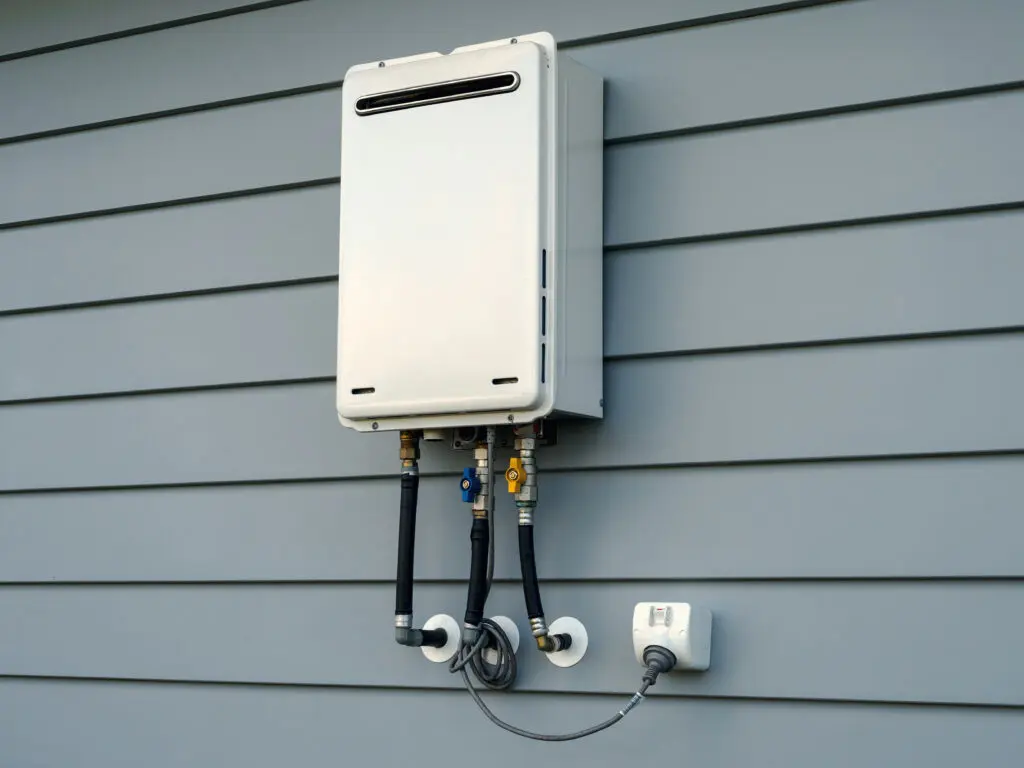
Installing a tankless water heater involves careful planning to ensure it meets your household’s needs and functions efficiently. Each type of tankless water heater—whether gas or electric—has specific requirements that must be addressed during installation.
Sizing the Unit
Choosing the right size tankless water heater is crucial. The unit must be capable of handling your household’s hot water demands, especially if multiple fixtures (such as showers, faucets, or appliances) will be used simultaneously. It’s important to calculate the flow rate and temperature rise required for your home to select a model that provides enough hot water without overloading the system.
Gas Tankless Water Heater Requirements
If you’re installing a gas tankless water heater, proper gas supply lines are essential. Many homes may need upgrades to ensure the gas line can handle the increased demand of the unit. Additionally, proper venting is critical to safely expel exhaust gases and provide optimal airflow. Venting requirements can vary depending on the model, so professional expertise is recommended to ensure compliance with safety standards.
Electric Tankless Water Heater Requirements
For electric tankless water heaters, the installation may require upgrades to your home’s electrical panel to support the unit’s increased power needs. High-capacity electric models can demand significant amperage, which means your current setup might need adjustments to prevent overloading or electrical hazards.
Professional Installation
Hiring a professional for installation is highly recommended. A licensed technician will ensure your tankless water heater is properly sized, installed according to local codes, and operates safely. They can also help you navigate any necessary gas, venting, or electrical upgrades, saving you time and potential headaches.
👨🔧 Why Choose Our Team for Your Tankless Water Heater Needs
When you’re ready to explore how a tankless water heater can benefit your home, our experienced HVAC technicians are here to help. We provide comprehensive tankless water heater services, including:
- Professional sizing and selection guidance
- Expert installation with proper permits and code compliance
- Ongoing maintenance to keep your system running efficiently
- Prompt repair services when you need them most
Don’t let another day pass with an inefficient water heating system. Contact us today to schedule a consultation and discover how a tankless water heater can provide endless hot water while reducing your energy costs. Our friendly technicians are ready to answer your questions and help you make the switch to modern, efficient water heating.