



June 24, 2026
Air Conditioner Size Calculator (How to Size Your System Correctly)
Choosing the right air conditioner size calculator method is one of the most important parts of installing a new cooling system. An air conditioning unit that is too small may struggle to cool your home efficiently, while an oversized system can cycle improperly, waste energy, and reduce indoor comfort. Understanding how AC sizing works can help homeowners make smarter HVAC decisions and avoid long-term performance problems.
In this guide, you will learn:
- How air conditioner sizing works: Understanding BTUs and system capacity
- Why proper sizing matters: The impact on comfort, efficiency, and equipment lifespan
- What factors affect AC sizing: Home size, insulation, airflow, and more
- When professional load calculations are necessary: Why accurate sizing matters
Why Proper AC Sizing Matters
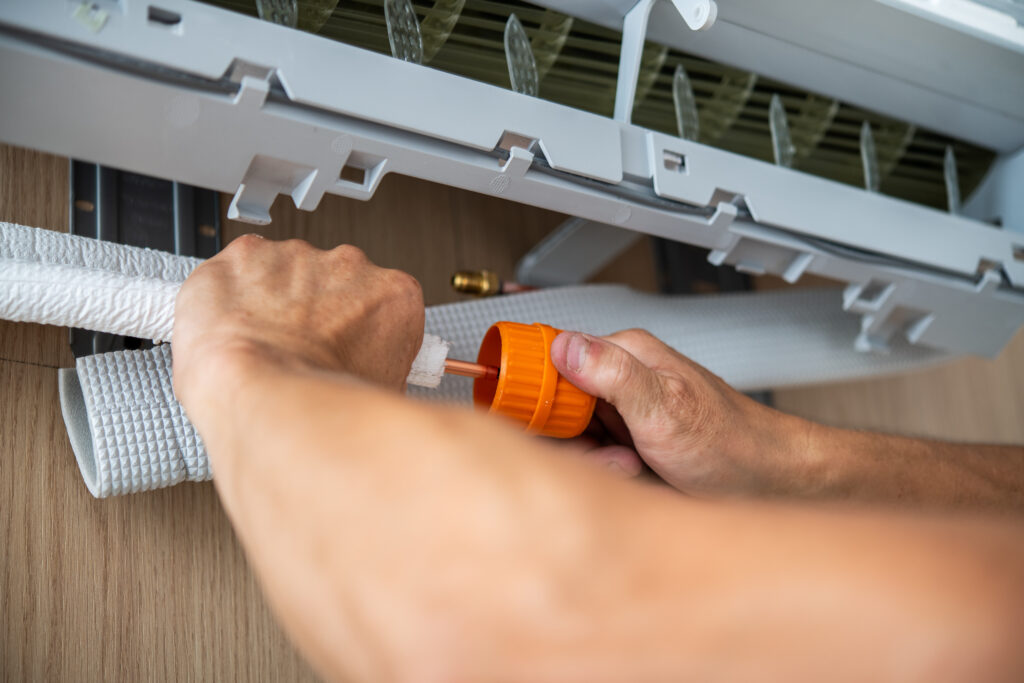
An air conditioning unit does more than simply produce cool air. Your system must remove heat, regulate humidity, and maintain steady airflow throughout the home. If the system is not properly sized, overall HVAC performance can suffer significantly.
A properly sized AC system can help provide:
- Improved energy efficiency: Reduced monthly cooling costs
- Better indoor comfort: More consistent temperatures
- Improved humidity control: Reduced indoor moisture levels
- Longer equipment lifespan: Reduced strain on HVAC components
Proper sizing is one of the most important other factors affecting overall air conditioner performance and long-term reliability.
Understanding AC System Sizing
Air conditioners are typically sized based on cooling capacity measured in BTUs, or British Thermal Units. A btu calculator can provide a reliable estimate of the cooling capacity needed for a home, although professional calculations are still recommended for the most accurate sizing. Larger homes generally require systems with higher heating capacity and cooling output, but square feet alone does not determine the correct size.
Most residential air conditioning systems range between:
- 1.5 tons: Smaller homes or apartments
- 2–3 tons: Average-sized homes
- 4–5 tons: Larger homes with higher cooling demands
One ton of cooling capacity equals 12,000 BTUs per hour.
5 Factors That Affect Proper AC Sizing
Choosing the correct air conditioner size involves much more than square footage alone. HVAC professionals evaluate multiple conditions throughout the home to determine the appropriate cooling capacity.
1. Home Size and Square Footage
The size of your home plays a major role in determining how much cooling capacity is required. Larger homes generally need larger systems to maintain comfortable indoor temperatures, although square feet alone cannot determine the exact system size.
Other considerations may include:
- Room layout
- Open floor plans
- Multi-story homes
- Ceiling height
2. Insulation Quality
Well-insulated homes retain cooled air more effectively and reduce heat loss during colder months. Homes with poor insulation often require more cooling power to maintain comfortable temperatures, while additional insulation may improve efficiency and reduce cooling demands.
Insulation factors may include:
- Attic insulation levels
- Wall insulation quality
- Window efficiency
- Air leaks throughout the home
3. System Type
Different HVAC systems have different cooling capabilities and installation requirements. A central air conditioning system may cool differently than window air conditioning units or ductless mini-split systems.
System type considerations may include:
- Central air systems
- Ductless mini-splits
- Window air conditioning units
- Heat pump systems
The outdoor unit and indoor equipment configuration can also affect cooling performance and efficiency.
4. Sun Exposure and Heat Gain
Homes that receive heavy sunlight exposure often experience higher indoor temperatures during warmer months. Large windows and direct afternoon sunlight can significantly increase cooling loads and affect overall system sizing.
Sun-related factors may include:
- Window placement
- Shade coverage around the home
- Roof heat absorption
- Direction the home faces
5. Occupancy and Appliances
The number of people living in the home and the amount of heat-producing appliances can also affect cooling demands. Kitchens, electronics, and household activity all generate additional indoor heat that affects HVAC sizing calculations.
Additional heat sources may include:
- Ovens and cooking appliances
- Electronics and lighting
- Multiple occupants
- Laundry equipment
Professional HVAC calculations help account for these internal heat loads.
Problems With an Oversized Air Conditioner
Many homeowners believe larger air conditioners cool homes faster and more effectively. In reality, oversized systems often create several performance issues because they cool spaces too quickly without running long enough to remove humidity properly.
Oversized systems may cause:
- Short cycling: Frequent starts and stops reduce efficiency
- Poor humidity control: Less moisture removed from the air
- Uneven cooling: Inconsistent temperatures throughout the home
- Higher energy bills: Increased electricity consumption
Improper sizing can also place unnecessary strain on both the indoor and outdoor unit.
Problems With an Undersized Air Conditioner
An undersized air conditioning unit may struggle to keep up with cooling demands during hotter weather. These systems often run continuously without reaching the desired temperature.
Undersized systems may lead to:
- Constant operation: Increased wear on components
- Higher utility costs: Increased energy usage
- Poor indoor comfort: Warm or uneven temperatures
- Reduced equipment lifespan: Added system strain
Proper system sizing helps avoid both oversizing and undersizing issues.
Why Professional Load Calculations Matter
Professional HVAC contractors use detailed load calculations to determine the proper air conditioner size for a home. These calculations evaluate much more than square feet alone and provide a far more reliable estimate than most online calculators. According to the U.S. Department of Energy, an oversized air conditioner won’t adequately remove humidity, while an undersized unit won’t cool effectively on the hottest days — which is why professional load calculations that go far beyond square footage alone are essential for long-term comfort and efficiency.
A professional load calculation may consider:
- Home size and layout
- Insulation levels
- Window efficiency
- Ductwork condition
- Local climate conditions
- Occupancy levels
Technicians may also use the model number from an existing system to compare current system capacity and performance before recommending a replacement.
Benefits of Properly Sized Air Conditioners
Installing the correct air conditioner size provides several long-term advantages for homeowners. Proper sizing helps improve comfort, efficiency, and long-term HVAC performance throughout the life of the system.
Benefits of proper AC sizing may include:
- Improved energy efficiency: Lower monthly cooling costs
- Better humidity control: More comfortable indoor conditions
- Reduced repair frequency: Less wear on HVAC components
- Consistent airflow: Balanced cooling throughout the home
- Longer equipment lifespan: Reduced operational strain
Proper sizing helps homeowners maximize both comfort and system performance.
Should You Use an Online Air Conditioner Size Calculator?
Online air conditioner size calculators can provide a basic estimate for cooling capacity, but they should not replace professional HVAC evaluations. Many calculators only use square feet and may overlook important home-specific conditions that affect overall performance.
Online calculators may not account for:
- Insulation quality
- Ductwork performance
- Ceiling height
- Window efficiency
- Climate conditions
Professional load calculations provide much more accurate sizing recommendations for long-term HVAC performance.
Signs Your Current AC System May Be Improperly Sized
Some homeowners already have systems that are too large or too small for their homes. Several warning signs may indicate improper system sizing or poor overall performance.
Common signs include:
- Constant cycling on and off
- Uneven cooling between rooms
- High indoor humidity
- Rising energy bills
- Difficulty maintaining thermostat settings
If your current system struggles to maintain comfort, improper sizing may be contributing to the problem.
How Insulation Impacts Air Conditioner Size
Insulation plays a major role in how efficiently an air conditioning unit cools a home. Homes with better insulation, typically newer constructions, require less energy for heating and cooling compared to older homes with outdated insulation.
Insulation-related factors that affect AC sizing may include:
- Attic insulation: Helps reduce heat transfer through the roof
- Wall insulation: Improves indoor temperature stability
- Window efficiency: Reduces unwanted heat gain from sunlight
- Air leaks and drafts: Prevents cooled air from escaping
- Additional insulation upgrades: May reduce the required cooling capacity
Because insulation directly affects overall energy efficiency, professional HVAC contractors consider insulation quality when using a btu calculator or performing load calculations for a reliable estimate.
Choose the Right Air Conditioner Size for Your Home
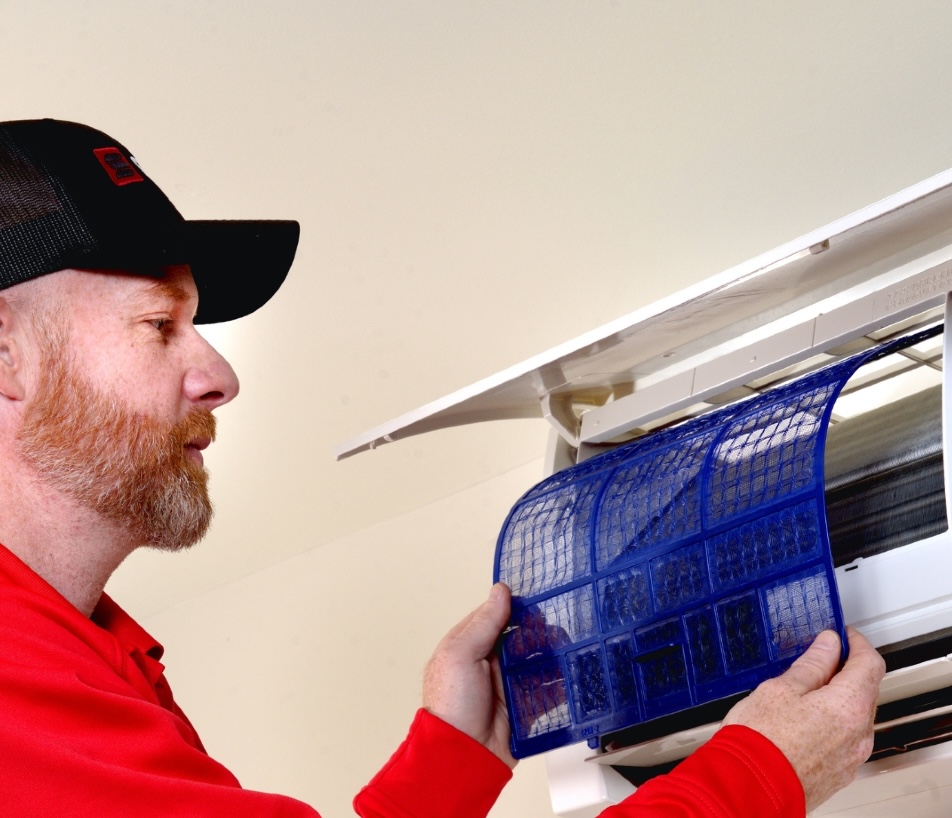
Proper AC sizing plays a major role in indoor comfort, energy efficiency, and long-term HVAC performance. Whether you are installing a new system or replacing an older air conditioning unit, understanding how sizing works can help you make more informed decisions about your home’s cooling needs.
At Smock Heating & Air, we help homeowners choose properly sized air conditioning systems based on detailed load calculations and real-world home conditions. From system selection to professional installation, our team is here to help you maximize comfort and long-term efficiency.
If you are considering a new air conditioner or want help determining the right system size for your home, contact Smock Heating & Air today to schedule a consultation.

