



August 3, 2026
HVAC System Lifespan (How Long It Really Lasts)
Most homeowners don’t think about their heating and cooling system until something goes wrong, and by then, the decision to repair or replace has already become urgent. Understanding HVAC system lifespan before you reach that point gives you the advantage of planning ahead, budgeting on your terms, and choosing a replacement on your schedule rather than in the middle of a Maryland heat wave. In this guide, we cover:
- How long different HVAC components typically last
- The factors that extend or shorten system life
- Warning signs that your system is nearing the end
- How to get the most out of your current system
- When replacing makes more financial sense than repairing
If your system is showing its age and you want an honest assessment, our HVAC services can help you figure out exactly where you stand.
We’re proud to serve homeowners in New Market, MD, and nearby communities with HVAC installation, replacement, and maintenance services, and more.
Average HVAC System Lifespan by Component
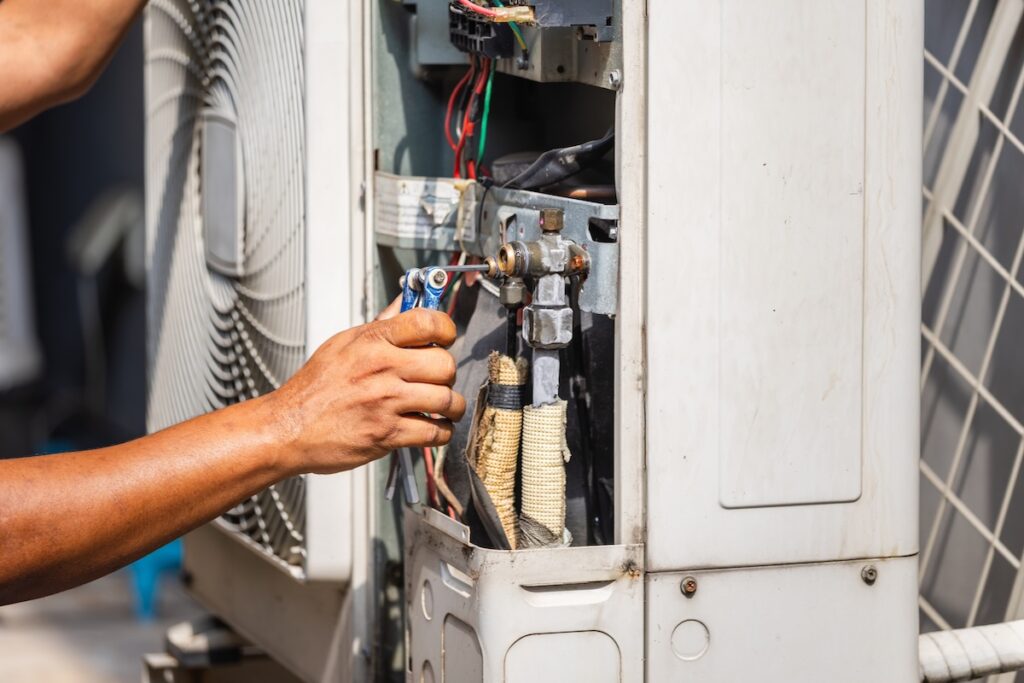
Not every part of your HVAC system ages at the same rate. Your furnace, air conditioner, heat pump, and ancillary components each have their own expected service life, and understanding those differences helps you plan smarter.
The condition of your home’s ductwork, the quality of the original installation, and how consistently the system has been maintained all influence where your equipment lands within its expected range. A well-maintained system in a moderate climate will almost always outlast a neglected one, even if both started as identical units.
Expected Lifespan by System Type
| Component | Average Lifespan | With Excellent Maintenance |
| Central air conditioner | 12 to 15 years | Up to 20 years |
| Gas furnace | 15 to 20 years | Up to 25 years |
| Heat pump | 10 to 15 years | Up to 20 years |
| Ductless mini-split | 15 to 20 years | Up to 25 years |
| Boiler | 15 to 30 years | Up to 35 years |
| Thermostat | 10 to 15 years | Varies |
| Ductwork | 20 to 25 years | Up to 30 years |
5 Factors That Determine How Long Your HVAC System Lasts
The numbers above represent averages, but your system’s actual lifespan depends heavily on the conditions it operates under. Here are the five factors that matter most.
1. Quality of Installation
A proper installation is the single biggest predictor of long-term system performance. An HVAC system that is correctly sized for your home, charged with the right amount of refrigerant, and connected to properly sealed ductwork starts life in the best possible position. Conversely, a system that was undersized, oversized, or poorly commissioned from day one will struggle from the start and wear out significantly faster than its rated lifespan.
- Proper sizing: A system matched to your home’s actual heating and cooling load runs in efficient cycles rather than constantly short-cycling or overworking.
- Correct refrigerant charge: Too much or too little refrigerant stresses the compressor and reduces system efficiency from the first day of operation.
- Sealed ductwork: Leaky ducts force the system to work harder to deliver conditioned air, increasing wear on the blower motor and other components.
- Qualified installer: Systems installed by licensed, experienced technicians consistently outlast those installed by unqualified contractors cutting corners.
2. Consistency of Maintenance
Annual professional maintenance is the most reliable way to extend HVAC system lifespan beyond average expectations. A system that receives regular tune-ups benefits from clean coils, properly lubricated moving parts, calibrated controls, and early detection of small problems before they become expensive failures.
Homeowners who skip maintenance for years at a time often face compressor failures, cracked heat exchangers, and refrigerant leaks that could have been caught and addressed early. According to the U.S. Department of Energy, regular HVAC maintenance can improve system efficiency by up to 25 percent and extend equipment life significantly. In New Market, MD, where systems work through both humid summers and cold winters, consistent maintenance is especially important for getting the most out of your investment.
3. Climate and Usage Demands
HVAC systems in climates with extreme temperatures or high humidity run more total hours per year than those in mild regions. In Maryland, where summers bring significant heat and humidity and winters require consistent heating output, systems experience more wear than the national average. A heat pump serving a Maryland home, for example, operates year-round without a seasonal break, which naturally accelerates component wear compared to a system in a more moderate climate.
4. Equipment Quality and Brand
Not all HVAC equipment is built to the same standard. Premium brands with stronger components, better corrosion-resistant coatings, and tighter manufacturing tolerances consistently outlast entry-level equipment. While a budget system may seem like a savings at installation, the total cost of ownership over a decade often tells a different story when repair frequency and energy consumption are factored in.
- Compressor quality: The compressor is the heart of any cooling system. Units with high-quality compressors from reputable manufacturers are far less likely to fail prematurely.
- Coil materials: Coils made with thicker copper or corrosion-resistant alloys hold up better over time, especially in humid Maryland conditions.
- Warranty coverage: Longer manufacturer warranties are often a reliable indicator of a brand’s confidence in its own equipment quality.
5. Filter Changes and Basic Homeowner Care
Between professional visits, the single most impactful thing a homeowner can do to protect HVAC system lifespan is change the air filter on schedule. A clogged filter restricts airflow, forces the blower motor to work harder, and can cause the evaporator coil to freeze. Over time, consistently neglected filters accelerate wear across multiple components simultaneously.
Keeping the area around the outdoor unit clear of vegetation, debris, and obstructions also allows the condenser to reject heat efficiently, reducing the workload on the compressor during peak cooling season.
Warning Signs Your HVAC System Is Nearing the End
Even a well-maintained system will eventually signal that replacement is on the horizon. Knowing what to look for helps you get ahead of a failure rather than react to one.
- Rising energy bills: A system losing efficiency works harder and longer to maintain the same temperature, which shows up directly on your monthly utility costs.
- Frequent repairs: Multiple service calls in a single season, or repair bills that add up to a significant fraction of replacement cost, are a strong signal that the system is in decline.
- Inconsistent comfort: Rooms that never quite reach the right temperature, or homes that feel humid despite the system running, point to a system losing its capacity.
- Unusual noises: Grinding, banging, rattling, or squealing from the indoor or outdoor unit often indicate mechanical wear that is difficult or expensive to reverse.
- Age past the average range: A central air conditioner past 15 years or a heat pump past 12 years operating without recent major repairs is statistically likely to fail soon.
- R-22 refrigerant: Systems still using this phased-out refrigerant are increasingly expensive to service and are strong candidates for replacement regardless of apparent condition.
How to Maximize Your HVAC System’s Lifespan
Getting the most out of your current system is a combination of professional care and consistent homeowner habits. Here are the most effective steps you can take.
- Schedule annual tune-ups: Spring is ideal for air conditioner maintenance and fall for heating system checks, ensuring both sides of the system are ready before peak demand season.
- Change filters monthly: Check your filter every 30 days and replace it whenever it shows visible buildup. Homes with pets or allergy sufferers should lean toward monthly replacement regardless.
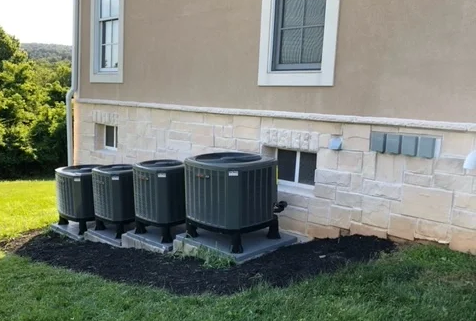
- Keep outdoor units clear: Maintain at least two feet of clearance around the outdoor condenser unit and rinse it gently with a garden hose each spring to remove accumulated debris.
- Seal and insulate your home: A well-sealed home reduces the workload on your HVAC system significantly, which directly translates to less wear and longer equipment life.
- Install a smart thermostat: Programmable temperature schedules reduce unnecessary runtime during unoccupied hours, which adds up to meaningful reductions in total system wear over time.
- Address repairs promptly: Small problems left unattended almost always become larger, more expensive problems. A refrigerant leak caught early is a minor repair. The same leak ignored for a season can destroy a compressor.
Repair vs. Replace: Making the Right Call
One of the hardest decisions homeowners face is knowing when to stop investing in an aging system and commit to a replacement. The 5,000 rule offers a useful starting point: multiply the system’s age by the estimated repair cost. If the result exceeds $5,000, replacement is typically the smarter financial move.
Beyond that formula, consider the full picture. A 14-year-old air conditioner that needs a $900 compressor repair may technically pass the 5,000 rule test, but a compressor replacement on a system that old also means putting significant money into equipment that has one to three years of useful life remaining at best. In cases like this, a new high-efficiency system often makes more sense, delivering lower energy bills, manufacturer warranty coverage, and years of reliable operation from day one.
Frequently Asked Questions About HVAC System Lifespan
Homeowners with aging systems tend to have similar questions when they start thinking about what comes next. Here are honest answers to the ones we hear most often.
How do I know how old my HVAC system is?
The manufacture date of your system is printed on a label on the outdoor unit and indoor air handler. It is typically encoded in the serial number, with the first four digits often representing the week and year of manufacture. If you cannot locate it, your HVAC technician can identify the age during a routine inspection.
Does my HVAC system last longer if I run it less?
Not necessarily. Systems that sit unused for extended periods can develop issues with lubrication, refrigerant migration, and component corrosion. Moderate, consistent use with proper maintenance is actually healthier for most HVAC systems than long periods of inactivity followed by heavy demand.
Is it worth repairing a 15-year-old air conditioner?
In most cases, no. A 15-year-old central air conditioner is at or past its average lifespan, operates with older, less efficient technology, and may use R-22 refrigerant that is expensive and difficult to source. Minor repairs might make sense, but anything beyond basic service is usually better applied toward a new system.
How much longer will my system last if I start maintaining it now?
It depends on the current condition of the equipment. A system that has been neglected for several years may already have accumulated damage that limits further life extension. However, beginning regular maintenance on any system in working condition almost always extends its remaining useful life and improves efficiency in the meantime. Even adding two to three years to a system’s life can be worth thousands of dollars in delayed replacement costs.
What is the most important thing I can do to extend my HVAC system’s life?
Annual professional maintenance combined with consistent filter changes is the most impactful combination. No single action extends HVAC system lifespan more reliably than keeping the system clean, properly charged, and operating within its designed parameters through regular professional care.
Plan Ahead With Smock HVAC
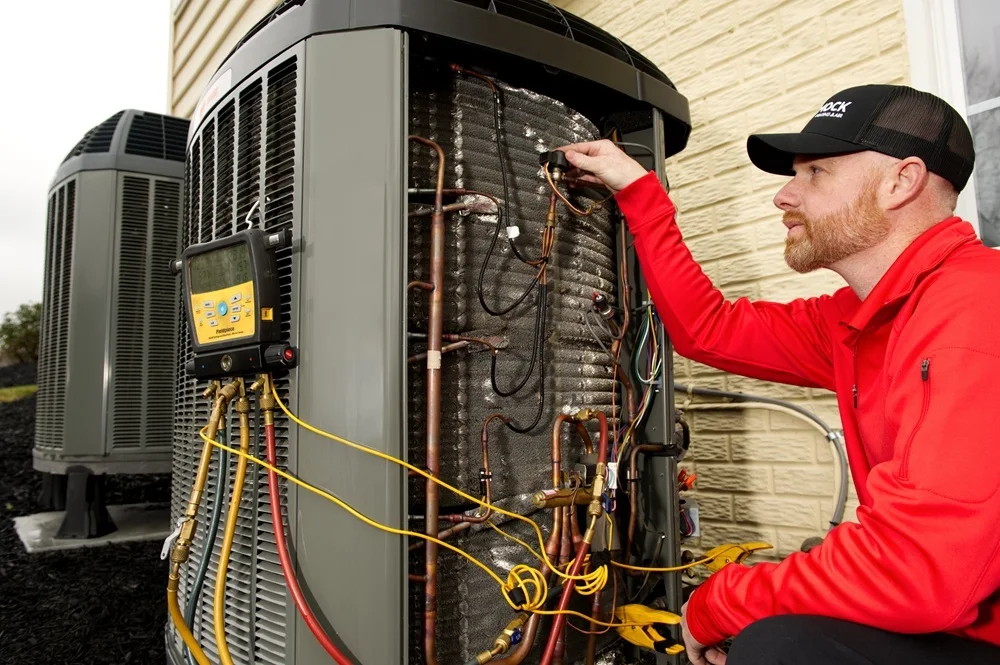
Your HVAC system will not last forever, but with the right care and the right partner, you can get every year of value out of it and replace it on your terms when the time comes. At Smock, we help New Market homeowners understand exactly where their system stands, what it needs to keep running well, and when replacement makes more sense than continued investment.
Whether you need a maintenance visit, an honest second opinion on a repair quote, or guidance on choosing a new system, contact our team to schedule your free consultation today.

