



April 29, 2026
HVAC System Replacement: 8 Things Homeowners Should Know in 2026
If your heating and cooling system is struggling to keep up, you may be wondering whether it’s time for a full hvac system replacement. While repairs can fix short-term issues, there comes a point when replacing the entire system is the smarter long-term investment. In 2026, a new hvac system offers better efficiency, improved reliability, and advanced technology designed to lower utility bills and improve comfort while keeping energy bills under control.
Replacing your HVAC system is a major decision, but understanding the process and total hvac replacement cost can help you feel confident moving forward. Whether your current hvac unit is outdated, inefficient, or constantly breaking down, knowing what to expect from hvac installation can save you time, money, and stress.
A new system can help you:
- Improve energy efficiency: Reduce monthly energy bills
- Increase home comfort: Maintain consistent temperatures
- Avoid frequent repairs: Eliminate recurring issues
- Boost system reliability: Ensure dependable performance
In areas like Frederick, MD, where both heating and cooling are essential, investing in a new hvac system can significantly improve year-round comfort.
8 Things to Know About HVAC System Replacement
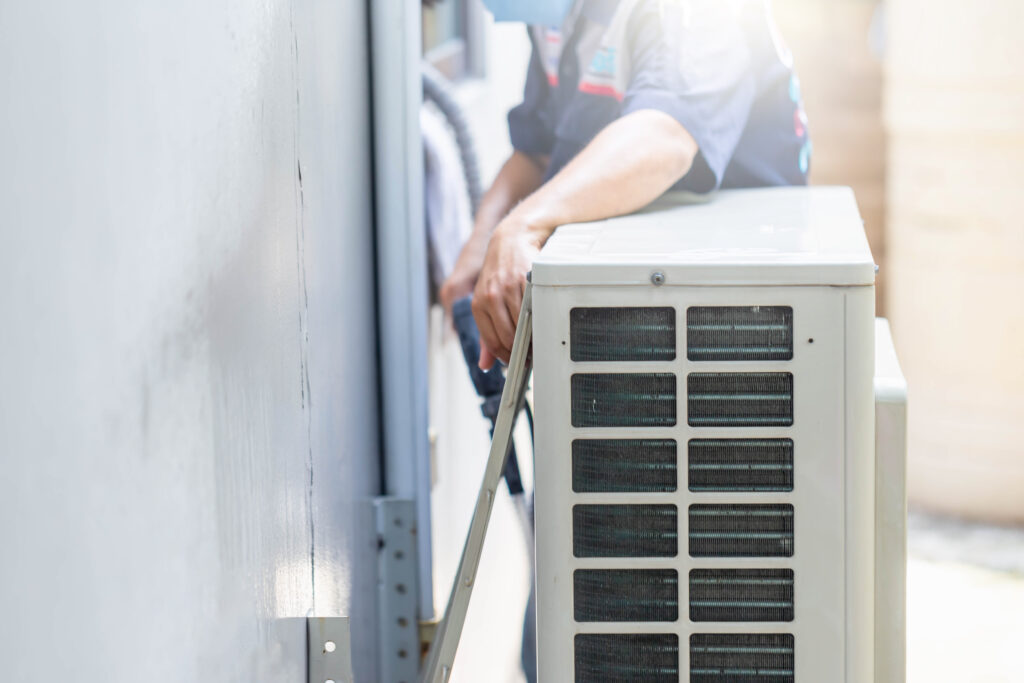
There are several important factors to consider before moving forward with an hvac replacement, and understanding them will help you make the best decision for your home.
1. Age of Your Current System Matters
Most HVAC systems are designed to last between 10 and 15 years. If your system is approaching or past that range, replacement is often more cost-effective than continued repairs. Older systems tend to lose efficiency and require more frequent service, especially if they rely on outdated components like an aging gas furnace.
- 10+ years old: May be nearing replacement
- Frequent repairs: Sign of system decline
- Decreased performance: Indicates aging components
Replacing an older hvac unit can improve both comfort and energy efficiency.
2. Rising Utility Bills Are a Warning Sign
If your utility bills have been steadily increasing without a change in usage, your system may be losing efficiency. Older systems require more energy to maintain the same level of comfort, which directly impacts your monthly energy bills.
- Higher monthly costs: Indicate inefficiency
- Longer run times: Increase energy usage
- Reduced performance: Affects comfort levels
A new hvac system can significantly lower energy consumption and stabilize long-term energy bills.
3. Repair Costs Add Up Quickly
Frequent repairs can quickly become more expensive than replacing the system altogether. If you are constantly paying for service calls and parts, it may be time to consider a full hvac replacement instead of continuing to patch issues.
- Repeated breakdowns: Increase overall cost
- Expensive parts: Add up over time
- Unreliable performance: Causes frustration
Investing in a new system reduces long-term hvac replacement cost concerns by eliminating ongoing repairs.
4. New Systems Are More Energy Efficient
Modern HVAC systems are designed with advanced technology that improves energy efficiency and performance. Whether you choose a traditional system or a heat pump, newer equipment provides better temperature control and reduced energy use.
- Improved efficiency ratings: Reduce energy costs
- Advanced components: Enhance performance
- Better temperature control: Increases comfort
Upgrading helps lower your energy bills while improving overall system performance.
5. Proper Sizing Is Critical
Choosing the right size system is essential for performance and efficiency. A system that is too large or too small will not operate effectively, which can lead to uneven temperatures and higher energy use.
- Oversized systems: Cycle on and off too often
- Undersized systems: Struggle to maintain temperature
- Correct sizing: Ensures optimal performance
A professional hvac contractor will perform a load calculation to ensure your system is properly sized.
6. Installation Quality Matters
Even the best system will not perform well if it is not installed correctly. Proper hvac installation ensures your system runs efficiently, maintains airflow, and lasts as long as possible.
- Correct setup: Improves efficiency
- Proper airflow: Ensures consistent comfort
- Professional installation: Reduces future issues
Working with a trusted hvac contractor is essential to getting the most out of your investment.
7. Ductwork May Need Upgrades
Your ductwork plays a major role in how well your system performs. Damaged or poorly designed ducts can reduce efficiency and make it harder for your system to maintain consistent temperatures throughout your home.
- Leaky ducts: Waste energy
- Poor airflow: Reduces comfort
- Upgrades needed: Improve system efficiency
Evaluating ductwork during hvac installation can improve long-term performance.
8. Financing and Incentives Are Available
Many homeowners are surprised to learn that financing options and rebates can make a new hvac system more affordable. Energy-efficient systems may qualify for tax credits or utility incentives that offset upfront installation costs.
- Financing plans: Spread out costs
- Rebates: Reduce upfront expense
- Tax credits: Reward efficiency upgrades
Exploring these options can make hvac replacement more manageable.
How Much Does HVAC System Replacement Cost?
The cost of hvac system replacement varies depending on the size of your home, the type of equipment, and installation complexity. On average, homeowners can expect hvac replacement cost to range between $6,000 and $12,000, though high-efficiency systems or complex installations can increase that total.
This price typically includes the new hvac unit, labor, system testing, and adjustments needed for proper operation. Systems that include both a heat pump and gas furnace combination may cost more upfront but can provide better long-term efficiency and lower energy bills.
Understanding these costs helps you compare quotes and make informed decisions.
Signs It’s Time to Replace Your HVAC System
Knowing when to replace your system can help you avoid unexpected breakdowns and costly emergency repairs. Several warning signs indicate it may be time for an upgrade.
- Frequent repairs
- Uneven temperatures throughout the home
- Unusual noises or poor airflow
- Rising utility bills
- System age over 10–15 years
If you notice multiple signs, moving forward with hvac replacement is often the best solution.
Common Mistakes to Avoid
Many homeowners make avoidable mistakes when replacing their HVAC system, which can lead to higher costs or poor performance over time.
Choosing the Wrong System Size
Selecting a system without proper sizing can lead to inefficiency and discomfort. Oversized or undersized units will not perform as intended and can increase energy use.
Focusing Only on Price
Choosing the cheapest option may result in lower quality equipment or poor installation. Working with experienced hvac companies ensures better long-term results.
Ignoring Ductwork Condition
Replacing the system without addressing duct issues can reduce efficiency and comfort. Proper airflow is essential for a new hvac system to perform correctly.
Skipping Professional Guidance
Attempting to choose a system without expert input can lead to poor decisions. A qualified hvac contractor ensures the system matches your home’s needs.
How to Get the Most Out of Your New System
Once your new hvac system is installed, proper care and maintenance will help maximize its performance and lifespan. Regular service keeps your system running efficiently and helps prevent costly repairs.
- Schedule annual maintenance
- Replace air filters regularly
- Keep vents clear and unobstructed
- Monitor system performance
These steps help protect your investment and maintain comfort.
Frequently Asked Questions
Understanding the replacement process can help homeowners feel more confident when making this decision.
How long does HVAC system replacement take?
Most hvac installation projects can be completed within one day, though more complex setups may take longer depending on the home and system type.
Is it better to repair or replace my system?
If your system is older and requires frequent repairs, replacement is usually the better long-term option.
What type of system should I choose?
The best system depends on your home, budget, and efficiency goals. Options include central systems, heat pumps, and hybrid setups.
Will a new system lower my energy bills?
Yes, modern systems are significantly more efficient and can reduce monthly energy bills over time.
Upgrade With Smock Heating & Air
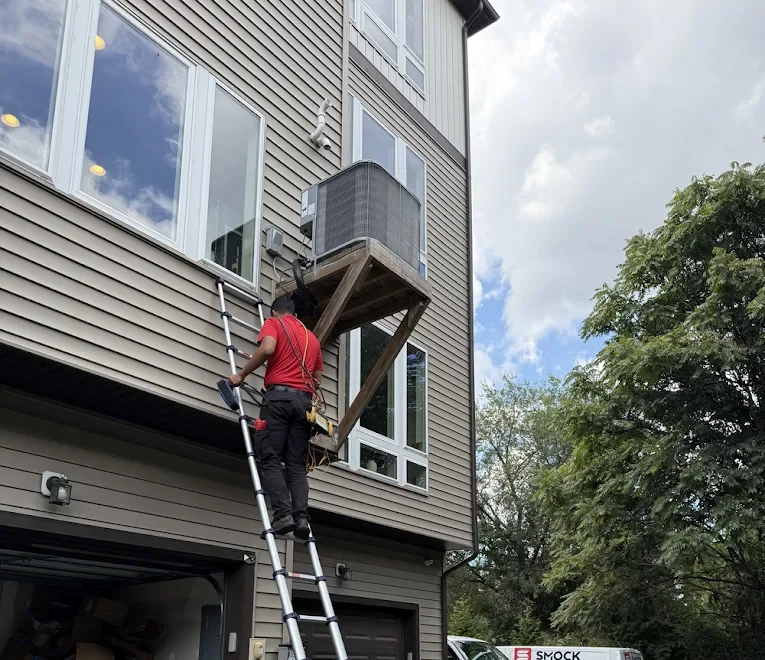
At Smock Heating & Air, we help homeowners navigate every step of the hvac system replacement process. From selecting the right equipment to expert hvac installation, our team ensures your system delivers reliable comfort and long-term efficiency.
If your current hvac unit is no longer meeting your needs, contact Smock Heating & Air today to schedule a consultation and explore your options for a new hvac system.

