



April 27, 2026
AC Compressor Replacement Cost: 9 Price Factors to Know in 2026
When your cooling system stops working, one of the most expensive repairs you might face is compressor replacement. Many homeowners immediately search ac compressor replacement cost to understand what they’re dealing with, and for good reason. The compressor is the heart of your air conditioner, and when it fails, your entire system can stop producing cold air.
The total cost can vary widely depending on your system, labor, and the severity of the issue. Understanding what goes into pricing helps you avoid surprises and make smarter decisions about repair versus replacement.
Knowing what affects compressor costs can help you:
- Budget more accurately: Avoid unexpected repair bills
- Compare repair vs replacement: Make the right long-term decision
- Understand pricing factors: Know what you’re paying for
- Avoid overpaying: Spot unnecessary charges
In areas like Frederick, MD, where systems work hard during hot summers, compressor issues are not uncommon. Let’s break down what you can expect.
9 Factors That Affect AC Compressor Replacement Cost
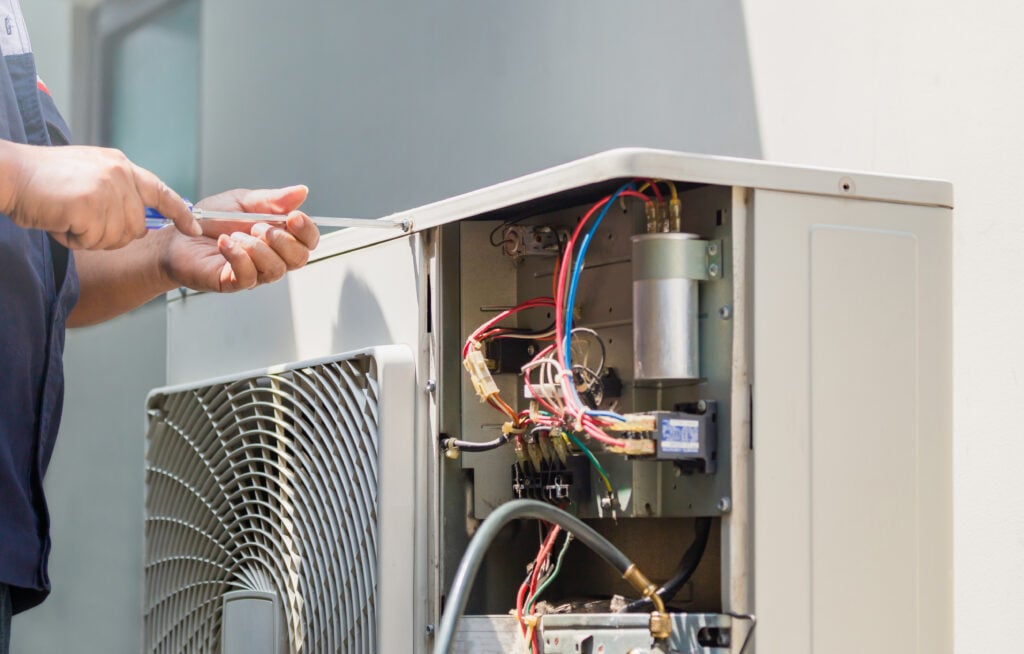
There is no flat price for replacing a compressor, but these nine factors determine how much you’ll actually pay.
1. Type of AC System You Have
The type of air conditioning system in your home has a major impact on cost. Central air systems, ductless mini splits, and heat pump systems all use different compressor designs, which vary in price and complexity.
- Central air systems: Most common and moderate cost
- Heat pump systems: Often more complex and slightly higher cost
- Ductless systems: Can vary widely depending on setup
The more specialized the system, the higher the replacement cost tends to be.
2. Size and Capacity of the Unit
Larger homes require larger AC units, and bigger units need more powerful compressors. This directly affects the price of the part itself.
- Small units (1.5–2 tons): Lower cost
- Medium units (2.5–3.5 tons): Mid-range pricing
- Large units (4+ tons): Higher replacement cost
Choosing the correct size is important to maintain system efficiency and performance.
3. Warranty Coverage
If your system is still under warranty, your compressor replacement cost can be significantly reduced. Many manufacturers cover the compressor itself, but labor is often not included.
- Parts covered: Reduces upfront cost
- Labor not covered: Still an added expense
- Expired warranty: Full replacement cost applies
Always check your warranty before approving any repair.
4. Labor Costs and Installation Complexity
Labor is a major portion of the total cost. Replacing a compressor involves removing refrigerant, disconnecting electrical components, and carefully installing the new unit.
- Standard installs: Lower labor cost
- Difficult access: Increases labor time
- Additional repairs: Raise overall price
The more complex the installation, the higher your final bill.
5. Refrigerant Type and Availability
Your system’s refrigerant type can also impact cost. Older systems that use outdated refrigerants may require more expensive handling or upgrades.
- Modern refrigerants: More accessible and cost-effective
- Older refrigerants: Higher cost due to limited supply
- System upgrades: May be required for compatibility
This is especially important for older AC systems nearing the end of their lifespan.
6. Age of Your System
Older systems are more likely to need additional repairs alongside a compressor replacement. In some cases, replacing the entire system may be more cost-effective.
- Newer systems: Better candidates for repair
- Older systems: Higher risk of future breakdowns
- End-of-life units: May justify full replacement
Age plays a big role in deciding whether the repair is worth it.
7. Efficiency Rating of the System
High-efficiency systems often use more advanced components, which can increase replacement costs. However, they also offer better performance and lower long-term energy use.
- Standard efficiency: Lower upfront cost
- High efficiency: Higher part cost
- Long-term savings: Lower operating expenses
Balancing upfront cost with long-term savings is key.
8. Emergency vs Scheduled Repair
If your compressor fails during peak summer and you need emergency service, you may pay more than you would for a scheduled repair.
- Emergency service: Higher labor rates
- Peak season demand: Increased pricing
- Scheduled repair: More cost-effective
Planning ahead when possible can help reduce costs.
9. Additional System Damage
In some cases, compressor failure is not the only issue. Other components may be affected, especially if the system has been running while damaged.
- Electrical issues: May require additional repair
- Refrigerant contamination: Increases cost
- System wear: Leads to more repairs
A full system inspection helps identify all necessary repairs upfront.
Average AC Compressor Replacement Cost
While pricing varies, most homeowners can expect a wide range depending on the factors above. On average, compressor replacement costs typically fall between $1,200 and $3,500, with some high-end systems exceeding that range.
This price usually includes:
- The new compressor
- Labor and installation
- Refrigerant handling
- Basic system testing
Understanding this range helps you evaluate quotes and avoid overpaying.
Repair vs Replacement: What Makes More Sense?
In some situations, replacing the compressor is the best option. In others, investing in a new system may provide better value over time.
If your system is relatively new and still under warranty, compressor replacement is often the right choice. However, if your system is older and less efficient, replacing the entire unit may save more money in the long run.
A professional evaluation can help determine which option makes the most sense for your situation.
Common Mistakes to Avoid
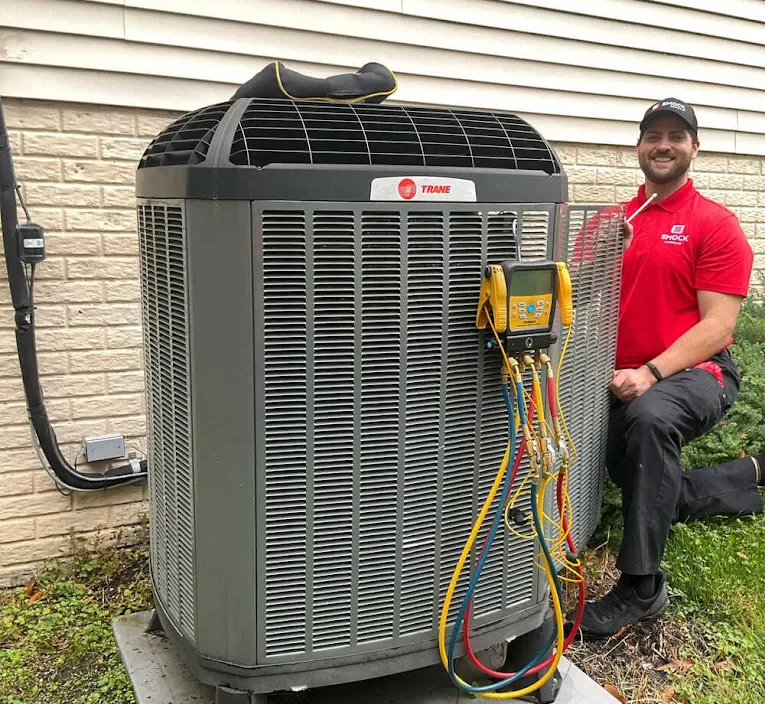
Homeowners often make costly mistakes when dealing with compressor issues, especially when trying to save money in the short term.
Delaying Repairs Too Long
Waiting too long to address compressor issues can lead to additional damage within the system. What starts as a single repair can quickly turn into multiple costly fixes.
Choosing the Cheapest Option
Going with the lowest quote may seem like a good idea, but it can lead to poor installation or low-quality parts. This can result in repeat issues and higher costs over time.
Ignoring System Age
Installing a new compressor in an aging system may not be worth the investment. Older systems are more likely to fail again, making replacement the smarter long-term choice.
Skipping Professional Diagnosis
Trying to diagnose compressor issues without a professional can lead to incorrect repairs. Proper inspection ensures the problem is accurately identified and fixed.
How to Reduce Future Compressor Costs
While compressor replacement can be expensive, there are ways to reduce the risk of future failures and extend the life of your system.
- Schedule regular maintenance: Keeps system components in good condition
- Replace air filters regularly: Improves airflow and efficiency
- Monitor system performance: Catch issues early
- Keep outdoor unit clean: Prevents overheating
Preventative care is the best way to avoid major repair costs.
Frequently Asked Questions
Understanding compressor costs helps homeowners make better decisions when facing HVAC repairs.
How much does an AC compressor cost alone?
The compressor itself typically costs between $800 and $2,000 depending on the system size and type, not including labor.
Is it worth replacing a compressor?
It can be worth it if your system is relatively new and in good condition. For older systems, replacement may be a better investment.
How long does a compressor last?
Most compressors last between 10 and 15 years with proper maintenance.
What causes compressor failure?
Common causes include lack of maintenance, electrical issues, refrigerant problems, and general wear over time.
Get Expert Help From Smock Heating & Air
At Smock Heating & Air, we help homeowners understand their repair options and make confident decisions about their HVAC systems. Whether you need a compressor replacement or a full system evaluation, our team provides honest recommendations and expert service.
If your system is not cooling properly or you suspect compressor issues, contact Smock Heating & Air today to schedule an inspection and get a clear breakdown of your options.

