



August 18, 2026
Heat Pump Not Heating? (8 Troubleshooting Steps to Try)
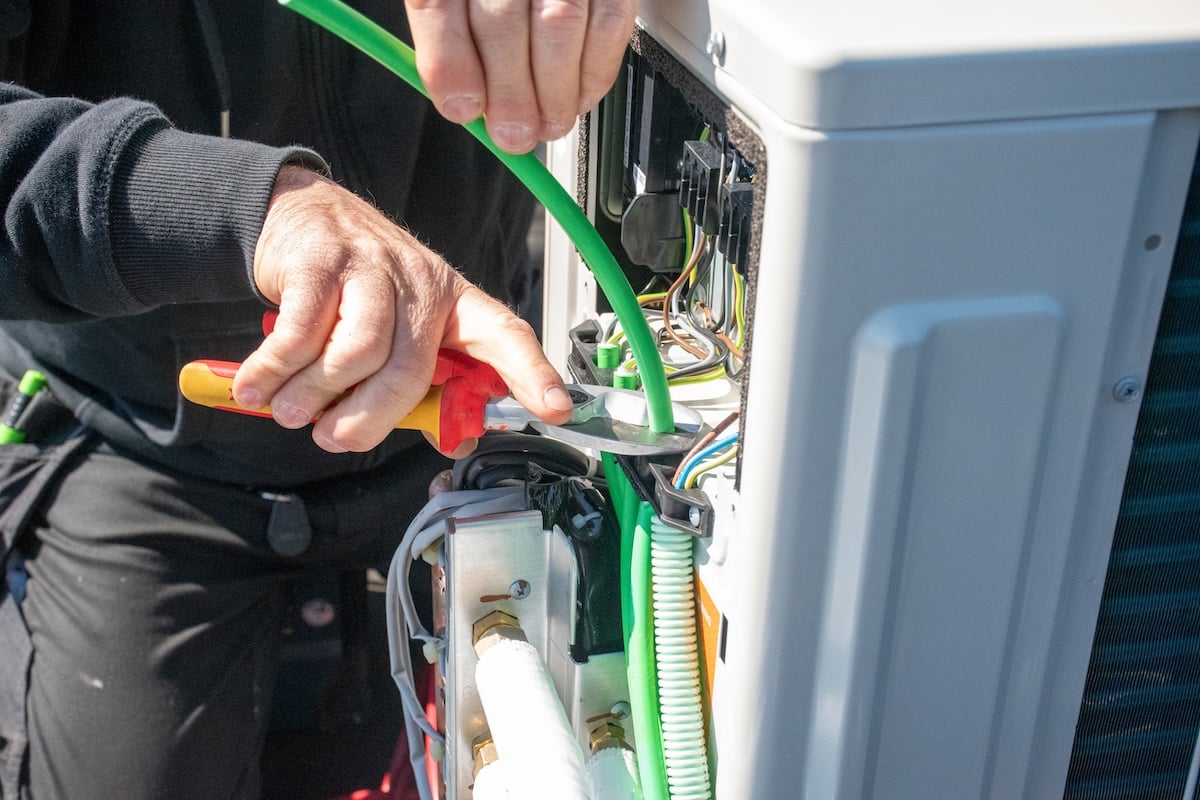
Heat pump not heating is one of the most stressful HVAC problems a homeowner can face during a Maryland winter, especially when the system appears to be running normally but the air coming through the vents stays cool. Heat pumps operate differently from traditional furnaces, which means the troubleshooting process is different too — and some causes that seem alarming are actually simple fixes any homeowner can handle in minutes. If your heat pump system has stopped producing warm air, this guide walks through every likely cause and what to do about it. In this guide, we cover:
- How heat pumps produce heat and why they sometimes struggle
- 8 troubleshooting steps to work through before calling a professional
- Which issues are safe to address yourself and which require a technician
- When a heat pump not heating signals it is time for a replacement
We’re proud to serve homeowners in Frederick, MD, and nearby communities with heat pump repair, maintenance, and installation services, and more.
How a Heat Pump Heats Your Home
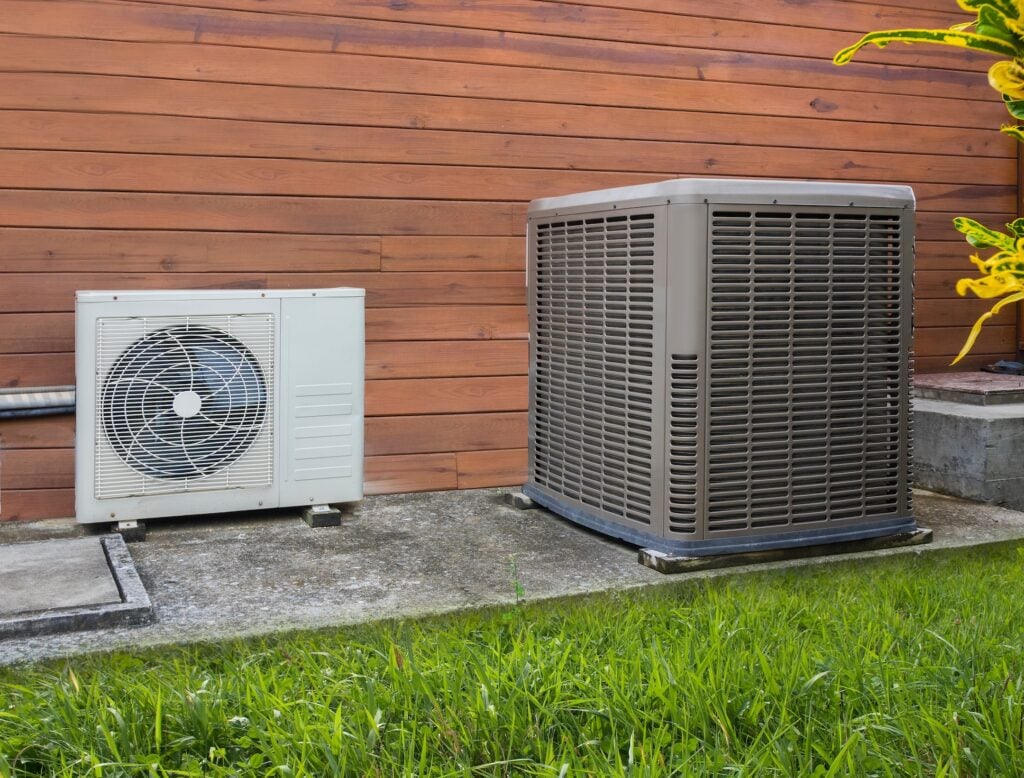
Before troubleshooting, it helps to understand how a heat pump produces heat, because it works very differently from a furnace. Rather than burning fuel to generate warmth, a heat pump extracts heat energy from outdoor air and transfers it inside. Even in cold temperatures, outdoor air contains usable heat energy that the system can move into your home efficiently.
This process works well down to a certain outdoor temperature threshold, typically around 35 to 40 degrees Fahrenheit for standard heat pumps, below which efficiency drops and many systems rely on supplemental electric resistance heating to maintain indoor comfort. Understanding this helps explain why a heat pump may seem to underperform on the coldest Maryland days even when it is functioning correctly.
8 Troubleshooting Steps for a Heat Pump Not Heating
Work through these steps in order before calling for professional service. Many heat pump heating problems have straightforward causes that do not require a technician to resolve.
1. Check the Thermostat Settings
This is the most commonly overlooked starting point. A thermostat accidentally set to cool instead of heat, or a fan set to on instead of auto, can produce exactly the experience of a heat pump not heating even when the system itself is functioning correctly.
- What to check: Confirm the thermostat is set to heat, the temperature setpoint is above the current room temperature, and the fan is set to auto rather than on.
- Emergency heat setting: If your thermostat has an emergency heat setting and it has been activated, the heat pump itself is bypassed entirely. Emergency heat should only be used when the heat pump has failed, as it is significantly less efficient.
- Smart thermostat schedules: A programmed setback schedule may be holding the temperature lower than expected. Check the schedule and confirm it reflects your current preferences.
2. Replace the Air Filter
A severely clogged air filter restricts airflow across the heat pump’s indoor coil, reducing the system’s ability to transfer heat into the home and in some cases causing the system to overheat and trigger a safety shutoff. If the filter has not been replaced recently, it is worth doing before any other troubleshooting steps.
- How to check: Pull the filter and hold it up to light. If airflow is visibly restricted, replace it immediately before restarting the system.
- Impact on heating: Restricted airflow forces the heat pump to work harder for less output, which can make it seem like the system is not heating when it is actually just severely underperforming due to the blocked filter.
3. Check the Circuit Breaker and Disconnect
A tripped circuit breaker or a disconnect that has been pulled can prevent the heat pump’s outdoor unit from receiving power while the indoor air handler continues to run, producing airflow without heating. This is a common and easily missed cause of a heat pump not heating.
- What to check: Locate the heat pump’s circuit breaker in your electrical panel and confirm it has not tripped. Also check the outdoor disconnect box near the unit to confirm it is fully engaged.
- What to do: Reset a tripped breaker once. If it trips again immediately, do not reset it a second time — a repeatedly tripping breaker indicates an electrical fault that needs professional diagnosis.
4. Inspect the Outdoor Unit
The outdoor unit of a heat pump must be able to pull in outdoor air to extract heat from it. If the unit is buried in snow, covered in ice, blocked by debris, or has overgrown vegetation restricting airflow around it, the system cannot perform the heat exchange process it depends on.
- What to check: Clear any snow, ice, or debris from around and on top of the outdoor unit. Maintain at least two feet of clearance on all sides.
- Ice on the unit: Some frost on the outdoor unit during heating season is normal and typically clears during the system’s defrost cycle. Heavy ice that does not clear after a defrost cycle indicates a defrost system problem that requires professional attention.
- Never cover the unit: Some homeowners cover outdoor units in winter thinking it protects the system, but covering an operating heat pump prevents it from functioning entirely.
5. Let the Defrost Cycle Complete
Heat pumps periodically enter a defrost cycle to clear frost that naturally accumulates on the outdoor coil during heating operation. During defrost, the system temporarily reverses operation, which can cause the unit to blow cool or lukewarm air for several minutes and may produce steam or vapor from the outdoor unit.
- What to expect: A normal defrost cycle lasts five to fifteen minutes. During this period, the heat pump may seem like it is not heating, but it is simply managing frost accumulation on the outdoor coil.
- When it is a problem: If the system seems to be in defrost constantly or never completes a defrost cycle and returns to normal heating, the defrost control board or sensor may be faulty and a technician should inspect the system.
6. Check for Refrigerant Issues
Heat pumps rely on refrigerant to transfer heat from outdoor air into the home. A refrigerant leak reduces the system’s ability to move heat effectively, causing the heat pump to run continuously without adequately warming the space — a classic sign of a heat pump not heating correctly.
- Signs of low refrigerant: Ice forming on the outdoor unit outside of normal defrost cycles, a hissing sound near the refrigerant lines, and declining heating output over time all point toward a potential refrigerant issue.
- What to do: Refrigerant handling requires EPA certification and cannot be addressed without a licensed technician. If low refrigerant is suspected, schedule a professional inspection before the problem causes compressor damage.
7. Test the Reversing Valve
The reversing valve is the component that allows a heat pump to switch between heating and cooling modes. When this valve fails or becomes stuck, the system may operate in cooling mode even when set to heat, producing cool air through the vents regardless of the thermostat setting.
- Signs of a stuck reversing valve: The heat pump runs but produces cool air in heating mode, or the system cannot switch between heating and cooling on command.
- What to do: Reversing valve diagnosis and replacement requires a professional. A technician can confirm whether the valve is stuck, leaking internally, or has failed electrically, and replace it if needed.
- Cost consideration: Reversing valve replacement on an older heat pump should be weighed against the system’s age and overall condition. On a system over 12 to 15 years old, replacement may be the more cost-effective path.
8. Evaluate Whether the System Is Undersized for Current Conditions
On the coldest Maryland days, a heat pump that is undersized for the home’s heating load may run continuously without reaching the thermostat setpoint. This is not a malfunction but rather a sizing issue, and it often becomes apparent only during extreme cold snaps when the gap between outdoor temperature and the desired indoor temperature is at its largest.
- Signs of an undersized system: The heat pump runs without stopping, the home never quite reaches the set temperature on very cold days, and auxiliary or emergency heat activates frequently.
- Short-term fix: Allowing the auxiliary heat strips to assist during extreme cold is acceptable and is what they are designed for. Relying on emergency heat for extended periods significantly increases energy costs.
- Long-term fix: A properly sized replacement system or the addition of a cold-climate heat pump capable of operating efficiently at lower outdoor temperatures resolves the problem permanently.
Heat Pump Troubleshooting: DIY vs. Call a Pro
| Issue | DIY Step | Call a Pro |
| Thermostat settings | Yes | No |
| Dirty air filter | Yes | No |
| Tripped breaker | Yes, reset once | If it trips again |
| Blocked outdoor unit | Yes | No |
| Defrost cycle in progress | Wait it out | If it never completes |
| Refrigerant leak | No | Yes |
| Stuck reversing valve | No | Yes |
| Undersized system | No | Yes |
Frequently Asked Questions About Heat Pump Not Heating
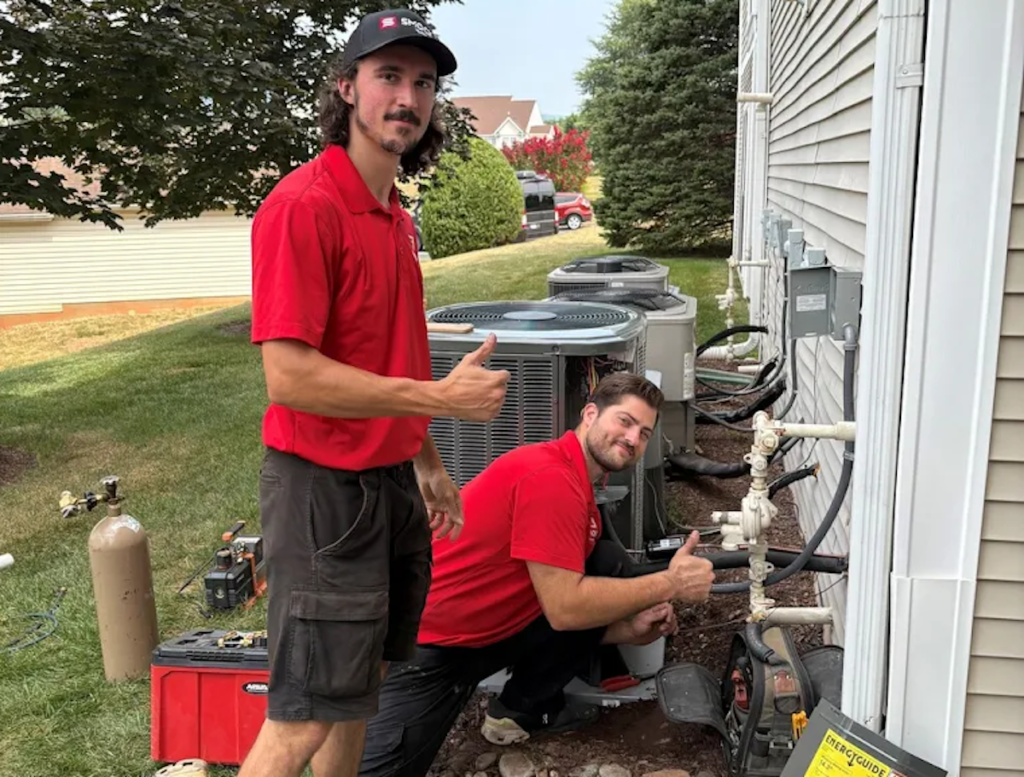
Homeowners dealing with a heat pump that has stopped producing heat often have urgent questions about what is normal and what requires a call. Here are clear answers to the most common ones.
Why does my heat pump blow lukewarm air instead of hot air?
Heat pumps produce air that is warm rather than hot, typically in the range of 90 to 100 degrees Fahrenheit at the supply vent, which is noticeably cooler than the air produced by a gas furnace. This is normal operation. If the air feels cool or close to room temperature rather than warm, low refrigerant, a stuck reversing valve, or a defrost cycle in progress are the most likely causes.
Is it normal for a heat pump to run constantly in cold weather?
In very cold weather, yes. As outdoor temperatures drop, heat pumps work harder to extract heat energy from the air and may run for extended periods or continuously to maintain indoor setpoints. If the system is running constantly but the home is still not reaching the set temperature, the system may be undersized or have a refrigerant issue worth investigating.
How cold is too cold for a heat pump to work?
Standard heat pumps lose significant efficiency below about 35 to 40 degrees Fahrenheit and may struggle to keep up without auxiliary heat assistance in Maryland’s coldest winter weather. Cold-climate heat pumps are designed to operate efficiently at much lower temperatures, some down to negative 13 degrees Fahrenheit, making them a strong option for homeowners who want to reduce reliance on auxiliary heating.
Should I use emergency heat on my heat pump?
Emergency heat bypasses the heat pump entirely and relies solely on electric resistance heating strips, which are significantly less efficient and more expensive to operate. Emergency heat should only be used when the heat pump itself has failed and you are waiting for a repair. Using it as a primary heat source during cold weather will result in noticeably higher energy bills.
When should I replace a heat pump that is not heating?
If the heat pump is more than 12 to 15 years old, requires a major repair such as a compressor or reversing valve replacement, and has a history of declining performance, replacement is often the more financially sound decision. A properly sized, high-efficiency replacement system delivers reliable heat through Maryland winters and lower operating costs over its lifespan.
Get Your Home Warm Again With Smock HVAC
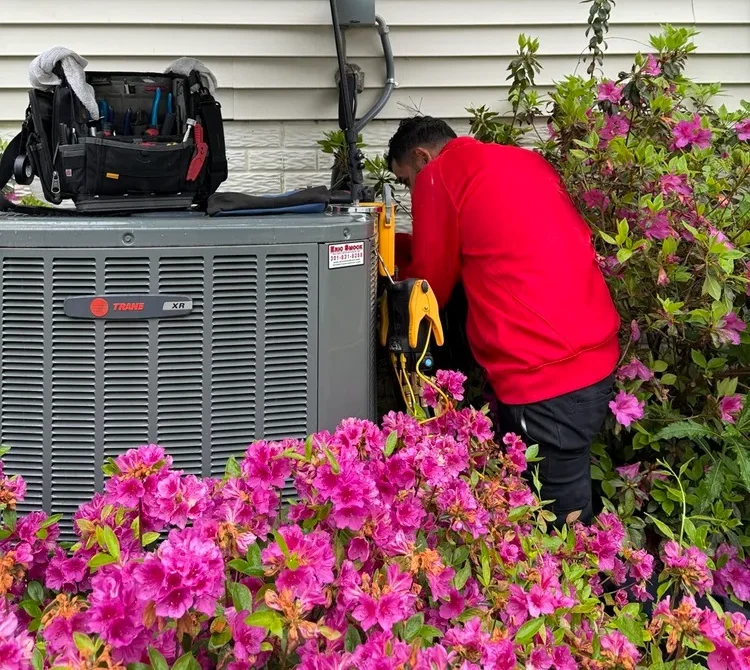
A heat pump not heating is not something Frederick homeowners should have to put up with, and in many cases the fix is simpler than it seems. Whether the issue is a quick thermostat adjustment, a refrigerant repair, or a full system evaluation to determine whether replacement makes sense, Smock’s team approaches every job with honest diagnosis and straightforward guidance.
Reach out to schedule your heat pump service today and let us get your home back to comfortable.

