
September 17, 2026
Whole House Dehumidifier: Is It Worth It for Your Home?
A whole house dehumidifier is one of those home comfort upgrades that does not get nearly as much attention as a new HVAC system or smart thermostat, but for the right home it can make a more noticeable difference in day-to-day comfort than almost any other improvement. If your home feels stuffy and damp despite the air conditioner running, or if you are dealing with persistent mold, musty odors, or allergy symptoms that never quite go away, excess indoor humidity is likely the culprit. If you are considering an upgrade, our HVAC services include whole house dehumidifier installation as part of a complete home comfort assessment. In this guide, we cover:
- What a whole house dehumidifier is and how it works
- The signs your home needs one
- How it compares to portable dehumidifiers
- What installation involves and what it costs
- Whether the investment is worth it for your specific situation
We’re proud to serve homeowners in Germantown, MD, and nearby communities with heating, cooling, and indoor air quality services, and more.
How a Whole House Dehumidifier Works
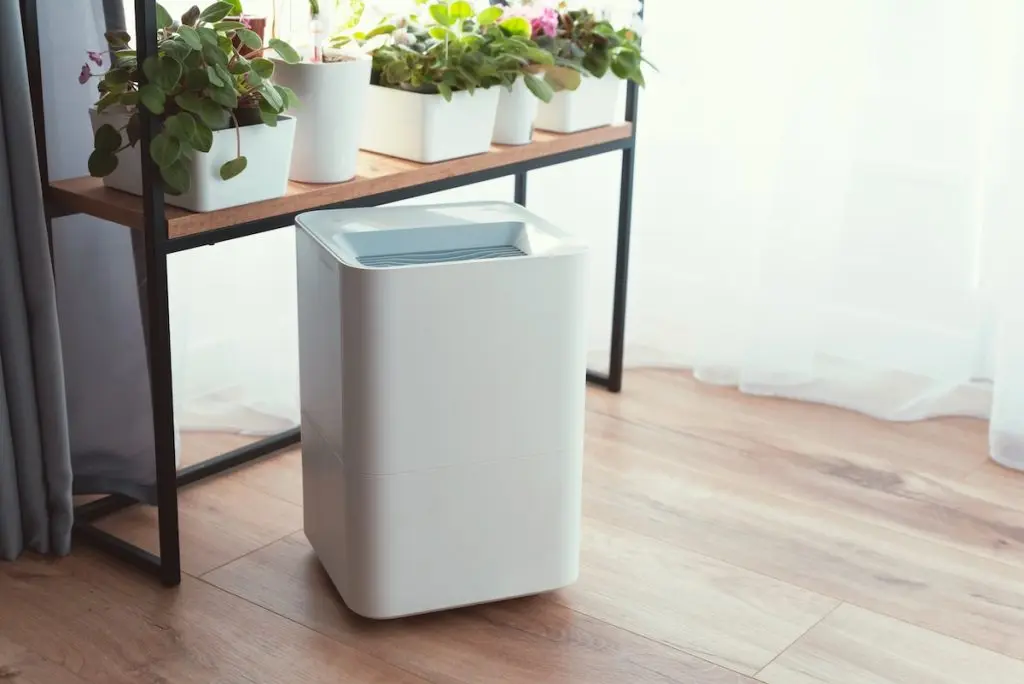
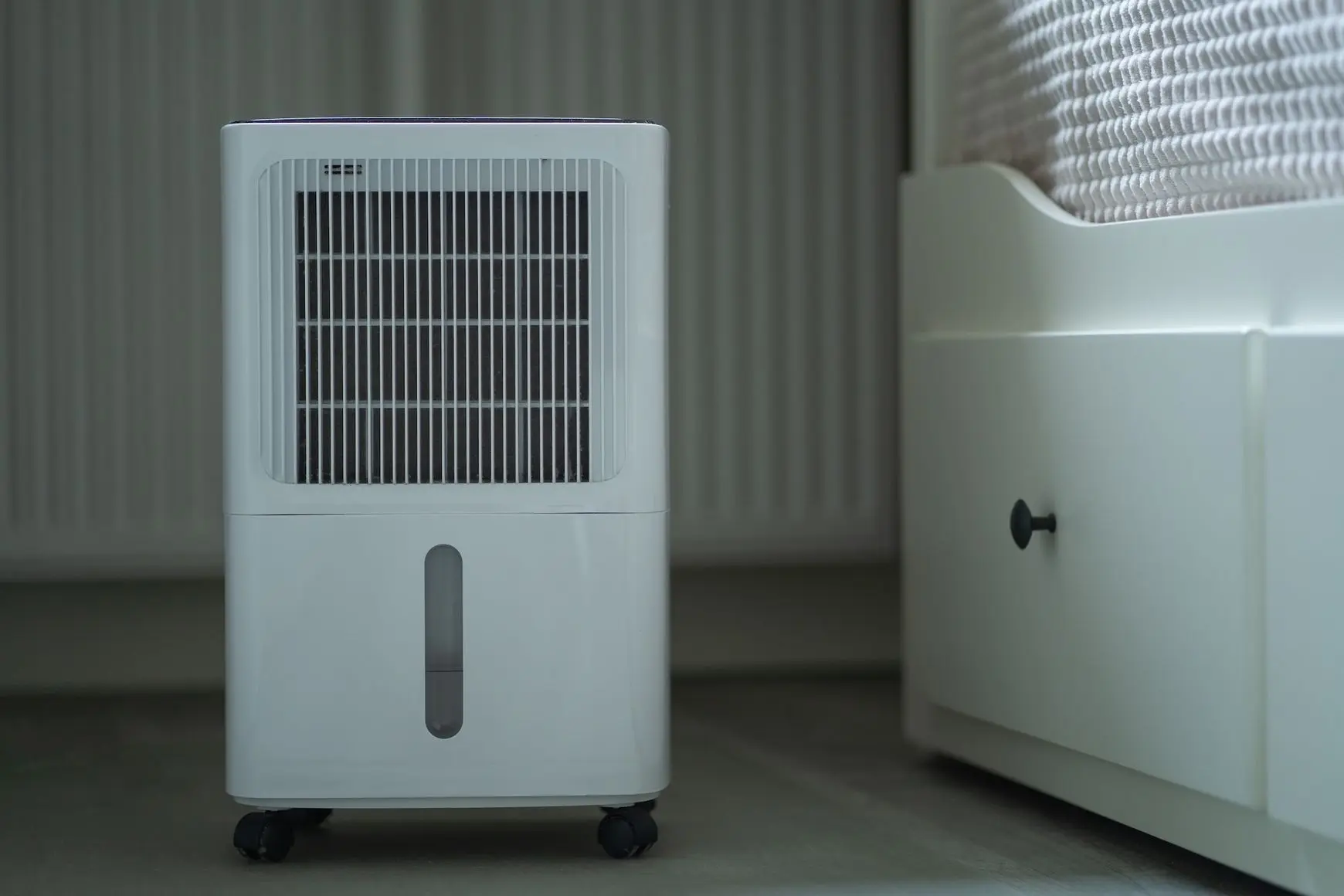
A whole house dehumidifier integrates directly into your existing HVAC system and works alongside your air conditioner to control humidity throughout the entire home from a single unit. Unlike a portable dehumidifier that manages one room at a time, a whole house system can cover areas from 2,000 to 5,000 square feet, pulling air from your home’s return ductwork, removing excess moisture, and returning the drier air through the supply ducts — treating every room simultaneously.
The process works by drawing moist air in and condensing it over cold coils inside the unit. The moisture that collects is then drained away through a hose or gravity via a condensate drain line, eliminating the need to manually empty a reservoir the way portable units require. Most whole house dehumidifiers are controlled by a humidistat, either standalone or integrated into a smart thermostat, that maintains indoor relative humidity within a target range regardless of outdoor conditions. This matters because your air conditioner removes some humidity as a byproduct of cooling, but it is not designed to manage humidity independently — particularly during mild weather when you do not need much cooling but humidity levels are still high.
Signs Your Home Needs a Whole House Dehumidifier
High indoor humidity is not always obvious, but it leaves behind consistent clues that homeowners learn to recognize over time. Maryland’s climate brings significant humidity through spring, summer, and even into fall, making whole house dehumidification a genuinely practical upgrade for many homes in the Germantown area. The following signs suggest your home’s humidity levels are consistently too high.
- Musty odors: A persistent musty smell, especially in basements, bathrooms, or closed rooms, almost always indicates excess moisture creating conditions where mold and mildew can thrive.
- Visible condensation: Condensation forming on windows, walls, or pipes indoors is a reliable indicator that indoor relative humidity is too high for the current temperature conditions.
- Mold or mildew growth: Recurring mold in bathrooms, on window frames, or in basement corners signals that humidity levels are regularly exceeding the range where mold growth is suppressed.
- Allergy and asthma symptoms: Dust mites thrive in high-humidity environments, and elevated indoor moisture levels are directly linked to worsened allergy and asthma symptoms for sensitive individuals.
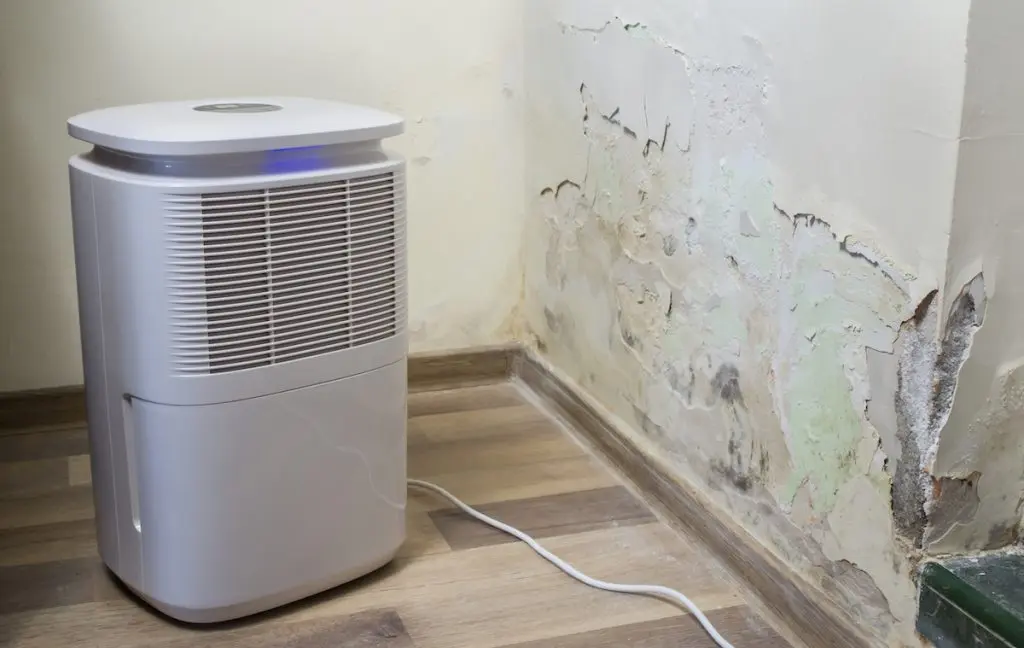
- Warping wood or peeling paint: Excess humidity causes wood floors, furniture, and trim to swell and warp over time, and can cause paint to bubble and peel from walls and ceilings — making a whole house dehumidifier one of the most effective ways to prevent structural damage to your home.
- Home feels sticky despite AC running: If your home never quite feels comfortable even when the air conditioner is cooling to the thermostat setpoint, humidity rather than temperature is likely responsible for the discomfort.
Whole House vs. Portable Dehumidifier
Many homeowners start with a portable dehumidifier before considering a whole-house system, and for some situations a portable unit is sufficient. Understanding the differences helps you decide which approach makes sense for your home.
| Feature | Whole House Dehumidifier | Portable Dehumidifier |
| Coverage | Entire home via ductwork | Single room or area |
| Maintenance | Annual filter cleaning, minimal daily upkeep | Regular emptying of water reservoir |
| Noise | Quiet, operates within HVAC system | Audible fan noise in living space |
| Humidity control | Automatic, humidistat-controlled | Manual settings, no whole-home sensing |
| Upfront cost | $1,500 to $3,000 installed | $200 to $500 per unit |
| Long-term convenience | High, set and forget | Low, requires daily attention |
| Best for | Homes with persistent whole-home humidity issues | Seasonal or single-room moisture problems |
For homes where humidity is a consistent, whole-home problem, the convenience and effectiveness of an integrated system far outweighs the higher upfront cost. For seasonal issues confined to a single space like a basement or laundry room, a portable unit may be all that is needed.
5 Key Benefits of a Whole House Dehumidifier
A whole house dehumidifier does more than make your home feel more comfortable. Here are the five most meaningful ways it improves your home environment and protects your investment.
1. Consistent Comfort Without Over-Cooling
Your air conditioner removes humidity as a byproduct of cooling, but maintaining low humidity often requires running the AC harder and longer than temperature alone would require. A whole house dehumidifier manages humidity independently, which means you can set the thermostat a degree or two higher without sacrificing comfort — directly reducing cooling costs during Maryland’s humid summer months.
2. Mold and Mildew Prevention
Mold requires moisture to grow, and maintaining indoor relative humidity below 50 percent consistently is one of the most effective ways to prevent it. A whole house dehumidifier keeps humidity in the target range automatically, without the gaps in coverage that portable units leave in unconditioned or less-frequented parts of the home.
3. Improved Indoor Air Quality
High humidity creates favorable conditions for dust mites, mold spores, and other biological pollutants that degrade indoor air quality and worsen respiratory symptoms. According to the U.S. Environmental Protection Agency, controlling indoor humidity is one of the most effective strategies for improving indoor air quality and reducing allergen levels. A whole house dehumidifier addresses this at the source by maintaining a consistently healthy humidity range throughout the entire home.
4. Protection for Your Home and Belongings
Excess indoor humidity causes progressive damage to wood floors, cabinetry, furniture, musical instruments, and structural elements over time. Maintaining consistent indoor humidity levels protects these investments and reduces the maintenance costs that come with humidity-related warping, swelling, and deterioration.
5. Reduced HVAC System Strain
When your air conditioner is not fighting humidity in addition to temperature, it runs more efficiently and for shorter cycles. Reducing the moisture load on your AC system extends the life of the compressor and other components, contributing to longer equipment lifespan and lower repair frequency over time.
What Installation Involves and What It Costs
A whole house dehumidifier is typically installed by an HVAC technician and integrated into the home’s existing ductwork and air handler. The installation process involves connecting the unit to the return duct, running a condensate drain line, and wiring the humidistat to the home’s thermostat or control system. Most installations can be completed in a single day and cause minimal disruption to the home.
Installed costs for whole house dehumidifiers in the Germantown area typically range from $1,500 to $3,000 depending on the unit’s capacity, the complexity of the installation, and whether ductwork modifications are needed. Capacity is measured in pints per day, and the right size depends on the square footage of the home and the severity of existing humidity problems. An HVAC technician can assess your home’s specific needs and recommend the appropriate unit before installation begins.
Frequently Asked Questions About Whole House Dehumidifiers
Homeowners considering this upgrade tend to have similar questions about cost, maintenance, and whether their specific situation warrants the investment. Here are honest answers to the most common ones.
What humidity level should I target indoors?
Most HVAC professionals and health organizations recommend maintaining indoor relative humidity between 40 and 50 percent for optimal comfort and air quality. Below 30 percent, the air becomes uncomfortably dry and can cause respiratory irritation and damage to wood surfaces. Above 60 percent, conditions become favorable for mold growth and dust mite proliferation.
How much does a whole house dehumidifier cost to operate?
Whole house dehumidifiers are generally energy-efficient appliances, with most units consuming between 700 and 1,000 watts during operation. Because they allow the air conditioner to run less aggressively to achieve the same comfort level, many homeowners find that their overall energy costs remain neutral or even decrease slightly after installation, depending on how much the AC was previously compensating for excess humidity.
Does a whole house dehumidifier require a lot of maintenance?
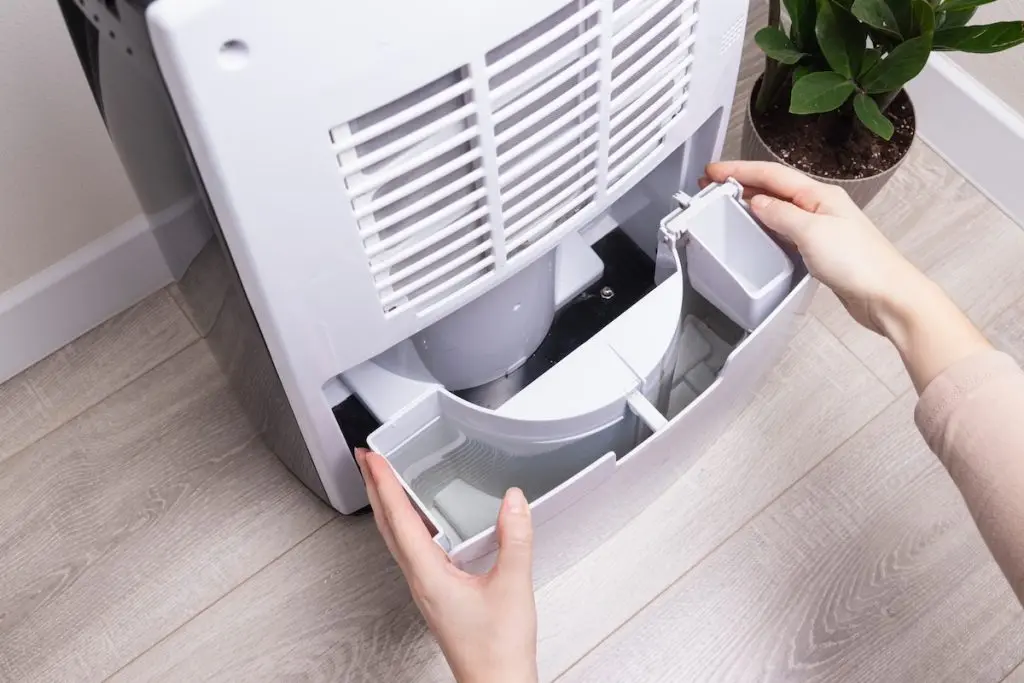
Maintenance is minimal compared to portable units. Most whole house dehumidifiers require an annual filter cleaning or replacement, and it is important to clean the drain line or pump regularly to prevent clogs that can cause water backup or system shutoff. You should also schedule annual maintenance with a qualified HVAC technician to inspect the unit, verify it is operating efficiently, and address any developing issues before they affect performance. There is no daily reservoir to empty, which is one of the primary advantages over portable dehumidifiers for homeowners looking for a set-and-forget solution.
Can my existing HVAC system support a whole house dehumidifier?
In most cases, yes. Whole house dehumidifiers are designed to integrate with standard forced-air HVAC systems and require only a connection to the return ductwork, a condensate drain line, and a power supply. An HVAC technician can assess your system during a consultation to confirm compatibility and identify the best installation approach for your home’s specific layout.
Is a whole house dehumidifier worth it for a Maryland home?
For most Maryland homeowners dealing with persistent humidity issues, yes. Maryland’s climate produces significant humidity through the warmer months, and many older homes in the Germantown area lack the tight building envelope that would allow a standard AC system to manage moisture adequately on its own. If your home shows signs of chronic high humidity, the comfort improvement, mold prevention, and protection of your home’s structure and finishes typically justify the investment within a few years.
Breathe Easier With Smock HVAC
A whole house dehumidifier is one of the most impactful indoor comfort upgrades available, and for Maryland homeowners dealing with persistent humidity, it often makes more of a noticeable daily difference than nearly any other improvement. At Smock, we help Germantown homeowners assess their indoor air quality, identify whether a whole house dehumidifier makes sense for their specific situation, and install the right system to deliver lasting results.
Connect with our team to schedule your home comfort consultation and find out whether a whole house dehumidifier is the right next step for your home.