



November 12, 2025
What Size Furnace Do I Need? Find the Right Fit for Your Home
Choosing the right furnace size is one of the most important decisions you’ll make for your home’s comfort and energy efficiency. Many homeowners in Urbana, MD and surrounding areas ask the same question: what size furnace do I need? The answer isn’t as simple as square footage alone—it involves climate, insulation, ductwork, and even your home’s layout.
Installing a furnace that’s too small can leave you shivering on cold nights, while an oversized unit wastes energy and wears out faster. Getting it right ensures consistent comfort, lower bills, and fewer maintenance headaches. That’s why professional sizing through trusted experts, like those who handle local heating system installations, makes all the difference in long-term performance and peace of mind.
In this guide, you’ll learn:
- How furnace size impacts comfort and efficiency
- What factors determine your home’s ideal furnace capacity
- Common mistakes to avoid when choosing a furnace
- The steps professionals take to size a system properly
- Tips to keep your heating investment running at its best
Why Furnace Size Matters More Than You Think
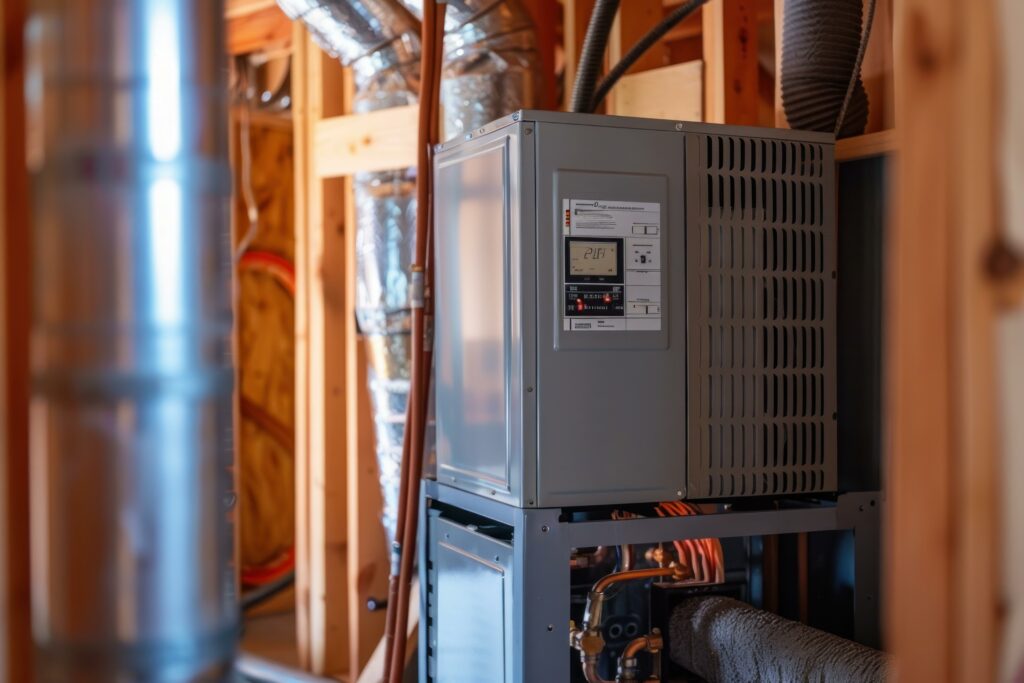
Many homeowners assume “bigger is better” when it comes to heating systems, but that’s rarely true. Proper sizing ensures your furnace runs efficiently, keeps every room comfortable, and lasts for years without overworking. Our guide on how long a furnace lasts explains when replacement becomes necessary and how sizing affects long-term performance.
When your furnace is the right size, it delivers steady warmth without constant cycling or temperature swings. Oversized or undersized units, on the other hand, can create uneven heat, higher bills, and mechanical stress.
Key benefits of correct furnace sizing:
- Improved Efficiency: Properly sized systems run longer, steadier cycles, using less energy per hour.
- Consistent Comfort: The right unit maintains even temperatures throughout your home.
- Longer Lifespan: Balanced operation reduces wear and tear, extending the furnace’s life.
- Better Air Quality: Correct airflow and runtime help filter and circulate indoor air effectively.
- Lower Utility Costs: Efficient performance means less wasted fuel and more controlled heating costs.
5 Main Factors That Determine the Right Furnace Size
Every home has its own heating demands, influenced by layout, materials, and environment. When determining the correct size furnace, professionals consider a combination of measurements and efficiency ratings—not just the total square footage.
1. Home Size and Layout
Your home’s square footage is the starting point for furnace sizing. Larger homes require more heating power, but the layout also plays a major role.
- Open floor plans may need greater airflow capacity.
- Multi-level homes often require zone adjustments to maintain consistent warmth.
- Basements or additions may need special attention for balanced distribution.
As a general rule, smaller homes (under 1,500 sq. ft.) may need 30,000–45,000 BTUs, while larger homes over 2,500 sq. ft. often require 70,000 BTUs or more. But these numbers vary widely depending on climate and insulation.
2. Climate and Regional Temperatures
Furnace sizing in Urbana, MD and surrounding areas differs from that in milder regions. Local temperatures determine how much heating power your system needs to maintain comfort on the coldest days. For families navigating especially cold winters, this works hand-in-hand with comfort strategies like those described in our tips on how to keep your house warm in winter.
Heating contractors use regional “climate zones” to calculate heat loss and ensure the furnace can handle extreme conditions without oversizing.
3. Home Insulation and Windows
Insulation directly impacts how much heat your home retains. Older homes with poor insulation or drafty windows lose heat quickly, requiring a more powerful furnace.
Modern, energy-efficient homes with quality insulation and double-pane windows can use smaller systems because they retain heat more effectively.
Check these areas to assess insulation quality:
- Attic and roof insulation
- Wall and floor insulation
- Window and door seals
4. Ductwork and Airflow Design
Even a perfectly sized furnace won’t perform well if your ductwork is leaking, undersized, or poorly insulated. Proper airflow ensures the furnace can distribute heat evenly throughout your home.
Signs of poor duct performance include:
- Uneven heating across rooms
- Whistling or banging noises
- High dust buildup near vents
A professional inspection can determine if duct repairs or upgrades are needed before installing a new furnace.
5. Furnace Efficiency (AFUE Rating)
A furnace’s AFUE (Annual Fuel Utilization Efficiency) rating shows how efficiently it converts fuel into usable heat.
- Standard models operate at around 80% efficiency.
- High-efficiency models reach 90–98% efficiency.
A higher-efficiency furnace may produce the same amount of heat as a larger, less efficient one—meaning you might not need as much capacity to stay comfortable.
How Professionals Determine the Right Furnace Size
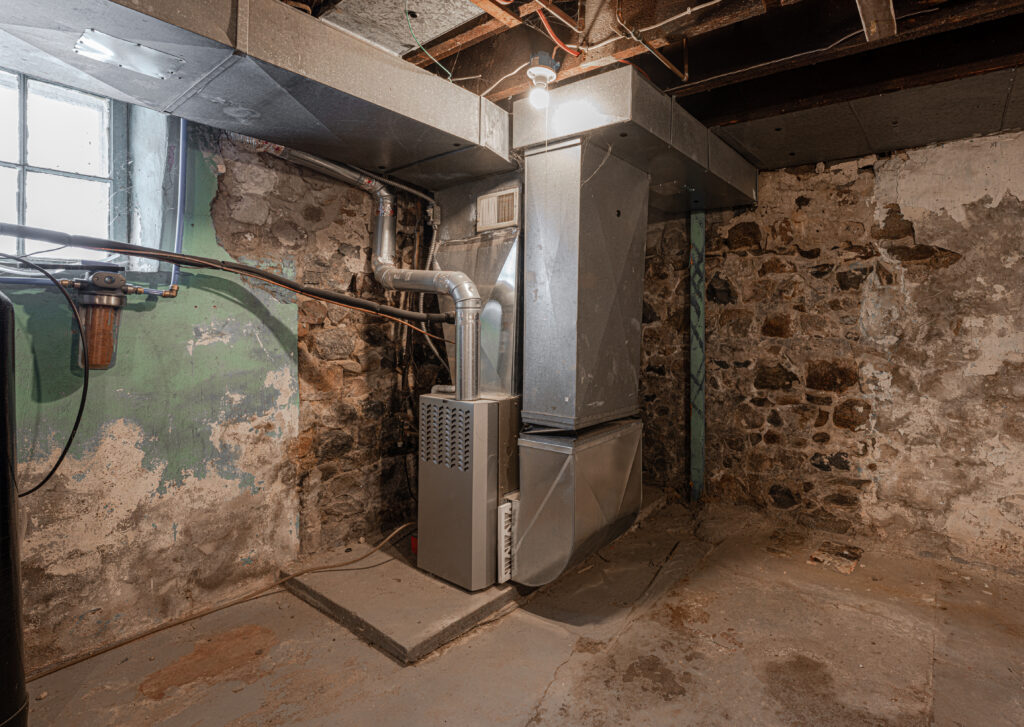
Choosing the correct furnace isn’t guesswork. Licensed HVAC professionals follow a detailed process to calculate the precise size your home needs. Here’s how the process typically works.
1. Manual J Load Calculation
This is the gold standard for determining furnace size. It evaluates your home’s heat loss and gain using multiple variables, including:
- Square footage and ceiling height
- Window size and type
- Wall and roof insulation
- Number of occupants and appliances
- Local climate data
This detailed calculation ensures the new furnace provides just the right amount of heat for comfort and efficiency.
2. Measuring BTU Requirements
The British Thermal Unit (BTU) is the standard measure of heating capacity. One BTU equals the energy needed to raise one pound of water by one degree Fahrenheit.
As a rough estimate:
- Moderate climates: 30–40 BTUs per sq. ft.
- Cold climates: 45–60 BTUs per sq. ft.
However, these numbers are only a starting point. Your technician will adjust them based on your home’s insulation, construction, and airflow.
3. Assessing Ductwork Condition
Technicians inspect duct size, insulation, and sealing to ensure the new furnace can push air efficiently through the system. Even minor leaks can cause significant heat loss and strain your new unit.
4. Evaluating Existing Equipment
If you’re replacing an older furnace, the previous system’s performance can offer valuable clues. Frequent repairs, uneven heating, or short cycling may indicate it was the wrong size from the start.
5. Custom Recommendations
After completing calculations and inspections, the HVAC professional recommends the most efficient furnace size and model for your home. They’ll also consider your comfort preferences, energy goals, and budget to help you make a confident decision.
Common Furnace Sizing Mistakes to Avoid
It’s easy to make errors when choosing a furnace without professional help. These mistakes can cost you in both comfort and long-term expenses.
Mistakes to watch for:
- Guessing based on home size alone: Square footage is only one factor among many.
- Choosing the biggest furnace available: Oversized systems cycle too often and waste energy.
- Ignoring ductwork condition: Poor airflow can cause a right-sized furnace to perform poorly.
- Overlooking insulation issues: Heat loss through walls and attics skews sizing calculations.
- Skipping professional evaluation: Manual J calculations and expert advice ensure accurate results.
A properly sized furnace not only feels better but operates more quietly, efficiently, and safely than one chosen by guesswork.
How Furnace Size Impacts Energy Bills and Comfort
Choosing the correct size furnace affects both short-term comfort and long-term costs. To illustrate, here’s how different sizes compare:
| Furnace Size | Comfort Impact | Energy Efficiency | Maintenance Needs |
| Undersized | Inconsistent heat, long run times | Low, due to overwork | Frequent repairs |
| Properly Sized | Steady temperature, balanced cycles | High, steady energy use | Minimal maintenance |
| Oversized | Quick heating, frequent cycling | Low, due to wasted energy | Shorter lifespan |
Key takeaway: A properly sized furnace keeps your home comfortable and your bills predictable while reducing wear on components.
Upgrades and Add-Ons That Improve Furnace Efficiency
Selecting the right furnace is step one—supporting it with efficient add-ons ensures lasting performance and comfort throughout your home.
Programmable or Smart Thermostats
Modern thermostats let you set schedules, monitor usage, and make automatic temperature adjustments. These small upgrades can reduce energy use by up to 10% annually.
Zoning Systems
Zoning divides your home into areas with separate temperature controls. It’s especially useful for larger homes or multi-level spaces where heat distribution varies.
Air Sealing and Insulation Improvements
Sealing leaks around windows, doors, and attics reduces heat loss, allowing your furnace to maintain temperatures more easily.
Duct Sealing and Cleaning
Leaky or dirty ducts force the furnace to work harder. Professional duct sealing and cleaning improve airflow and efficiency.
Regular Maintenance
Routine tune-ups ensure your system continues running at peak efficiency, catching small issues before they turn into costly repairs.
Why Homeowners in Urbana Trust Smock HVAC
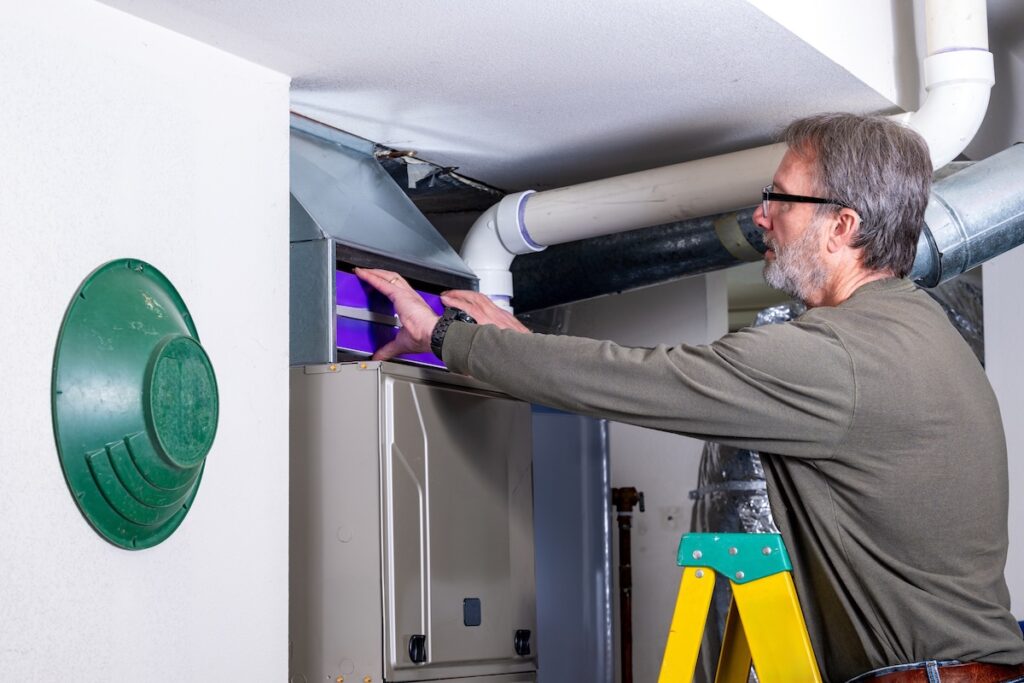
Homeowners across Urbana, MD and surrounding areas turn to Smock HVAC because we focus on education, transparency, and long-term results—not quick fixes. Our team helps you understand how your system works, what affects furnace sizing, and how to keep your home comfortable through every season. If you’re located near Frederick, our local technicians are ready to assist—explore our full range of services in Frederick, MD to see how we support homeowners throughout the region.
We take the time to assess your home’s unique layout, insulation, and ductwork before recommending a furnace size or model. Every installation is tailored to your specific needs, ensuring efficiency, safety, and reliable warmth when you need it most.
At Smock HVAC, we treat every home like our own, combining technical expertise with friendly service that earns your trust for years to come.
Find the Perfect Furnace Fit for Your Home
If you’re unsure what furnace size is right for your home or you’re ready to upgrade to a more efficient model, our professionals can help. Smock HVAC proudly serves Urbana, MD and surrounding areas, offering customized solutions designed for long-term comfort and savings. learn more about our services in New Market, MD.
We’ll evaluate your space, run a detailed heating load calculation, and guide you toward the best system for your needs and budget. To schedule your furnace evaluation or installation, contact us today.
Smock HVAC is committed to keeping your home warm, efficient, and worry-free—season after season. Explore our solutions for homeowners in Mt. Airy, MD and get expert guidance you can trust.

