



May 13, 2026
Water Heater Not Working? 4 Common Causes + Fixes in 2026
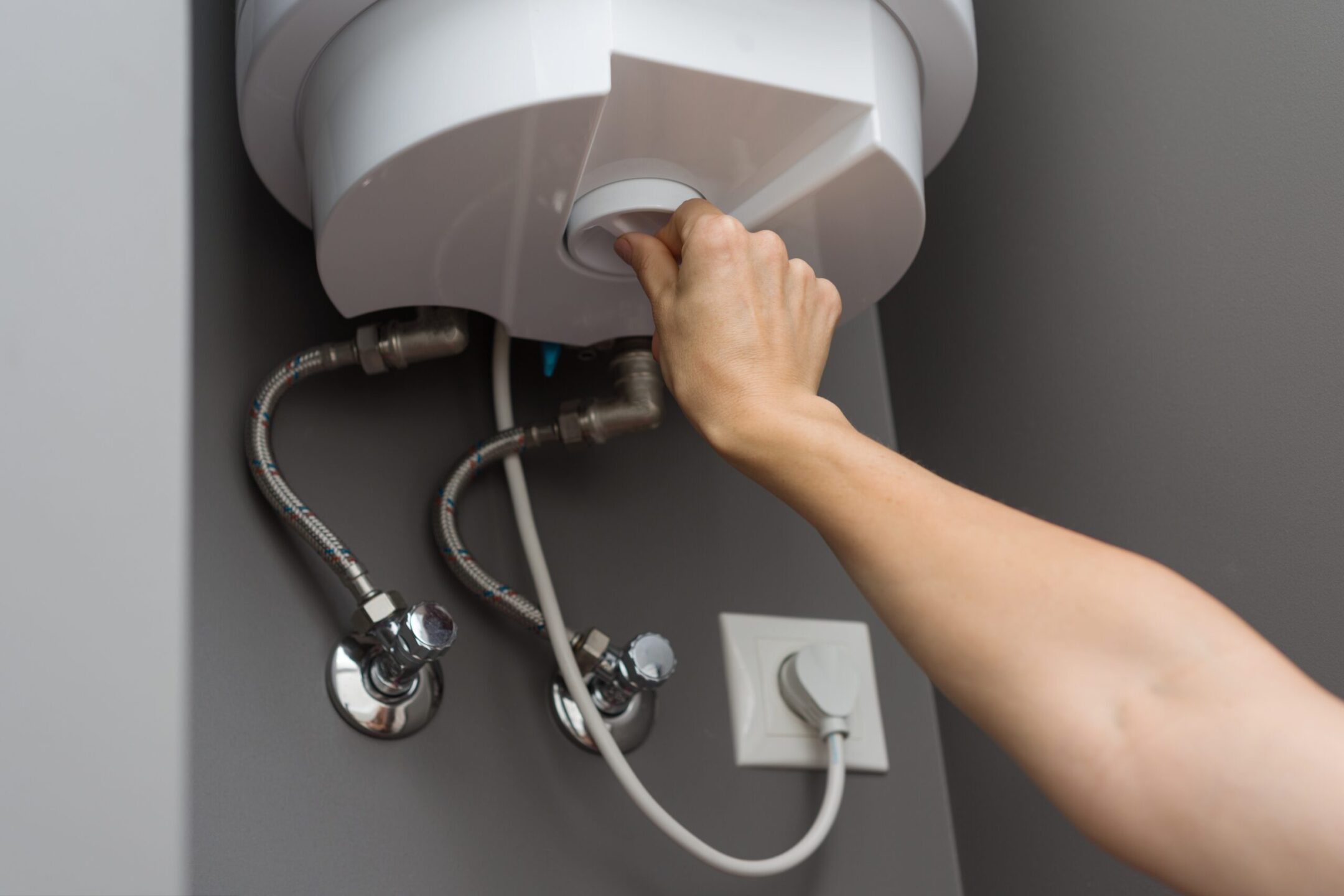
If your water heater not working, it can disrupt your entire day, from cold showers to trouble washing dishes or doing laundry. A reliable hot water heater is essential for daily comfort, so when it suddenly stops producing hot water, it’s a problem that needs quick attention. The good news is that many water heater issues are common and can often be identified with a few simple checks.
Understanding what’s causing the problem can help you decide whether it’s a quick fix or time to call a professional. In some cases, the issue may be minor, while in others, it could signal a larger system failure.
Knowing what to look for can help you:
- Identify the issue quickly: Save time diagnosing the problem
- Avoid bigger repairs: Catch problems early
- Restore hot water faster: Get your system back up and running
- Prevent future breakdowns: Keep your water heater working longer
In areas like Frederick, MD, where consistent access to hot water is essential, addressing these issues quickly helps maintain comfort and convenience.
4 Common Causes of a Water Heater Not Working
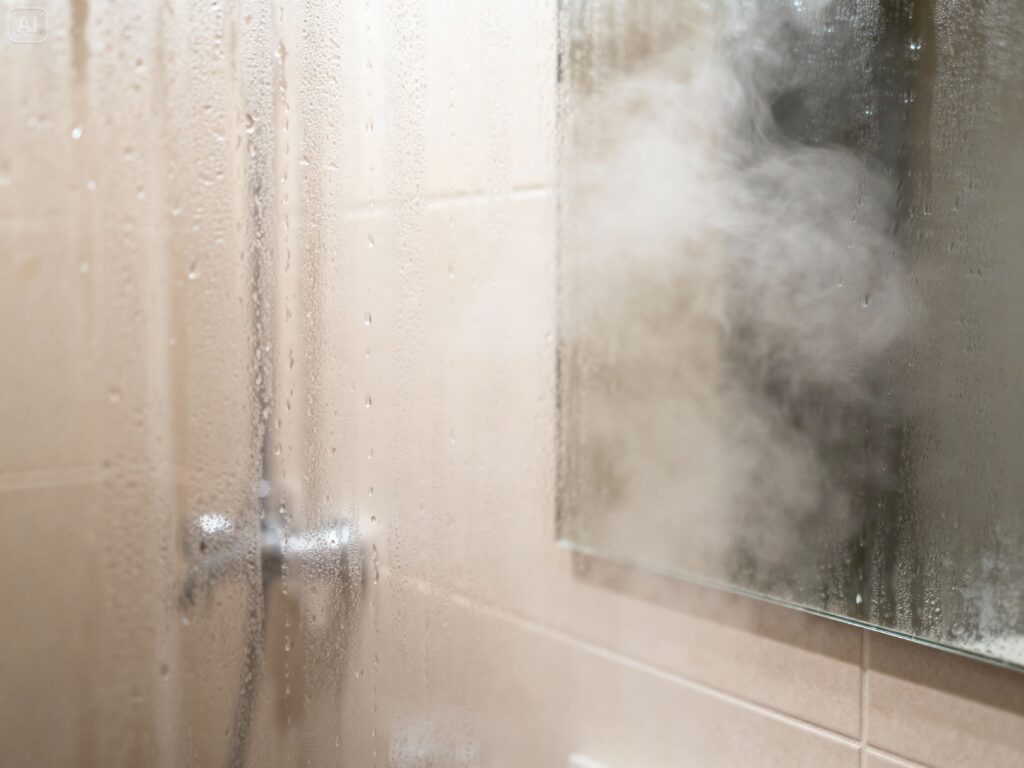
There are several reasons your water heater may stop producing hot water, and understanding these four common causes can help you determine the right solution.
1. Power or Fuel Supply Issues
One of the most common reasons a water heater stops working is a lack of power or fuel. Electric models rely on circuit breakers and wiring, while gas systems depend on a steady gas supply and proper ignition. If your system is not receiving energy, it will not be able to heat water at all.
- Tripped breaker: Cuts power to electric models
- Pilot light out: Prevents gas systems from heating
- Disconnected wiring: Stops heating process
Checking your power source or pilot light is often the fastest way to rule out a simple issue.
2. Thermostat or Heating Element Problems
The thermostat and heating element work together to regulate water temperature. If either component fails, your system may produce only cold water or inconsistent temperatures. This is especially common in electric models, where the heating element can wear out over time.
- Faulty thermostat: Prevents proper temperature control
- Damaged heating element: Stops water from heating
- Incorrect settings: Lead to lukewarm water
Adjusting or replacing these components can often restore proper performance.
3. Sediment Buildup and Drain Valve Issues
Over time, minerals in your water supply settle at the bottom of the tank, creating sediment buildup that affects efficiency. This buildup can interfere with heating and may also impact components like the drain valve, making maintenance more difficult.
- Sediment accumulation: Reduces heating efficiency
- Blocked drain valve: Prevents proper flushing
- Uneven heating: Causes inconsistent hot water
Flushing your water heater regularly helps remove buildup and maintain performance.
4. Leaks and Pressure Problems
A leaking water heater or issues with water pressure can prevent your system from working properly. Leaks may come from connections, the tank itself, or safety components like the pressure relief valve, which is designed to release excess pressure.
- Leaking water heater: Indicates possible tank damage
- Faulty pressure relief valve: Affects system safety
- Low water pressure: Reduces hot water output
Any sign of leaking or pressure issues should be addressed quickly to avoid further damage.
What to Do When Your Water Heater Stops Working
If your system suddenly stops producing hot water, taking the right steps can help you identify the issue and prevent further damage. Start by checking your power supply or gas connection, then verify your thermostat settings to ensure everything is configured correctly. If your system is producing only cold water or making unusual noises, sediment buildup or component failure may be the cause.
If these basic checks do not resolve the problem, it is best to contact a professional. Continuing to run a malfunctioning water heater can increase wear and lead to more serious issues, especially if there is a leaking water heater or pressure-related concern.
- Check power or gas supply: Confirm system is receiving energy
- Adjust thermostat: Ensure proper temperature setting
- Inspect for leaks: Look for visible signs of damage
- Call a professional: If problem continues
Taking action early helps restore hot water faster and protects your system.
Common Mistakes to Avoid
When dealing with a water heater not working, homeowners often make decisions that can make the situation worse or lead to higher repair costs.
Ignoring Early Warning Signs
Small issues like inconsistent temperatures, unusual noises, or fluctuating water pressure are often early indicators of bigger problems. Ignoring these warning signs can lead to a complete system failure over time.
Attempting Complex Repairs Without Experience
While basic troubleshooting is helpful, more complex repairs involving components like the heating element or pressure relief valve should be handled by professionals. Incorrect repairs can create safety risks and further damage the system.
Skipping Regular Maintenance
Routine maintenance, such as flushing the tank using the drain valve, is essential for keeping your system running efficiently. Skipping maintenance allows sediment buildup to accumulate and reduces system performance.
Waiting Too Long to Call for Help
Delaying professional service can turn minor issues into major repairs. Acting quickly when your water heater shows signs of trouble helps prevent higher costs and longer downtime.
How to Prevent Water Heater Problems
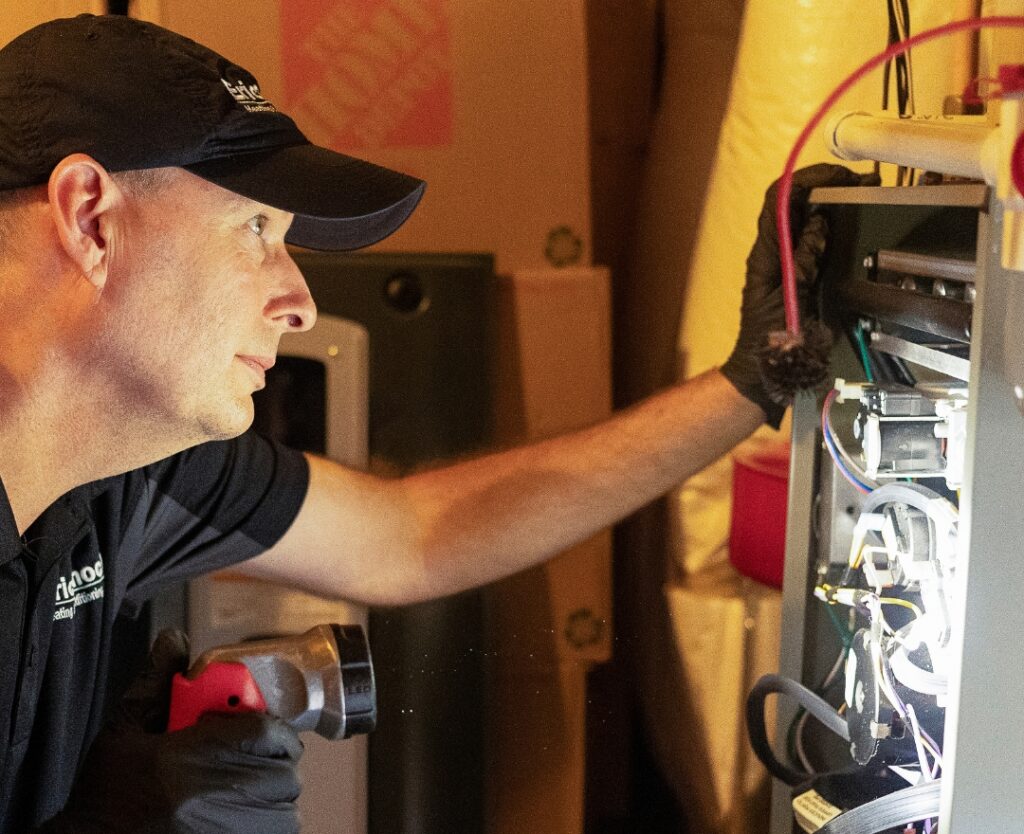
Preventative maintenance is the best way to avoid issues and keep your water heater operating efficiently. Regular care helps extend the life of your system and ensures consistent hot water when you need it.
Scheduling annual inspections allows technicians to check for wear, test the pressure relief valve, and ensure all components are working properly. Flushing the tank to remove sediment and monitoring water pressure can also improve system performance.
- Schedule yearly maintenance: Keep system in good condition
- Flush the tank regularly: Prevent sediment buildup
- Monitor water pressure: Maintain consistent performance
- Inspect key components: Catch issues early
These simple steps can significantly reduce the risk of unexpected breakdowns.
Frequently Asked Questions
Understanding common water heater issues can help you respond quickly and avoid unnecessary stress.
Why is my water heater only producing cold water?
This is often caused by power issues, a failed heating element, or thermostat problems, especially in electric models.
Should I turn off my water heater if it’s not working?
Yes, turning it off can help prevent further damage until the issue is diagnosed and repaired.
What causes a leaking water heater?
Leaks can result from loose connections, pressure buildup, or internal tank damage. A faulty pressure relief valve can also contribute to leaks.
How often should I flush my water heater?
Most systems should be flushed at least once a year to remove sediment and maintain efficiency.
Get Reliable Water Heater Service With Smock Heating & Air
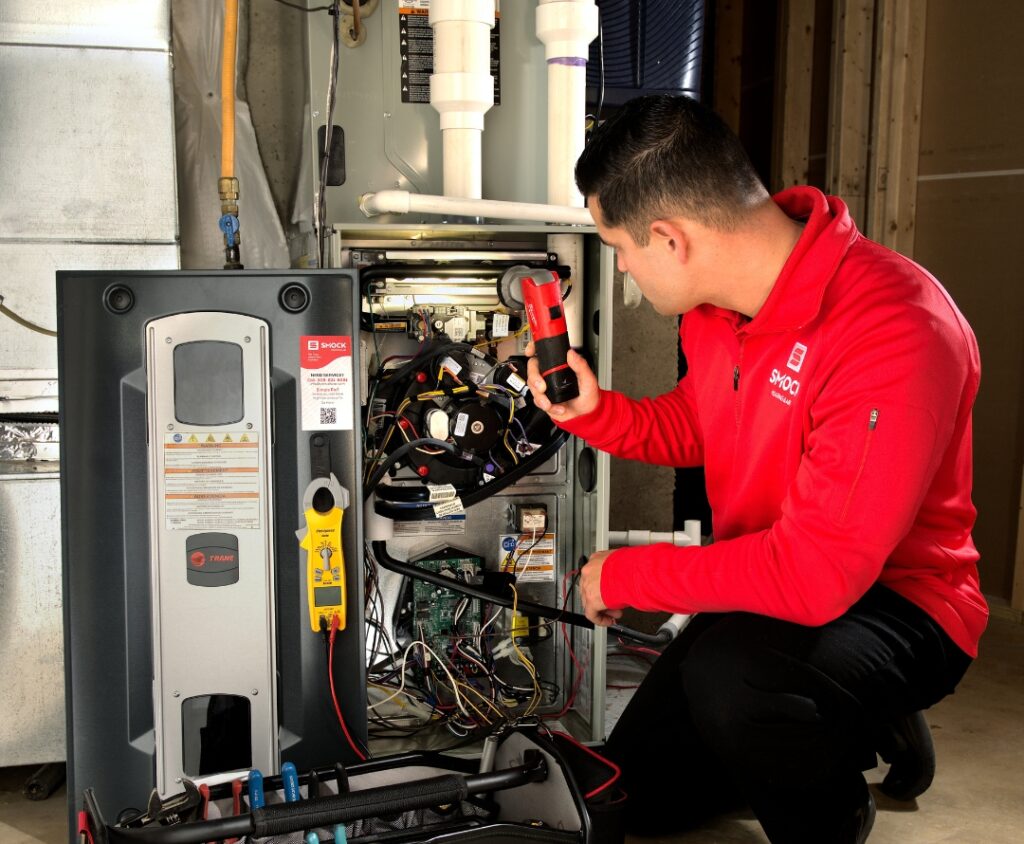
At Smock Heating & Air, we understand how important a reliable hot water heater is for your home. Our team quickly diagnoses issues and provides expert solutions to restore your system and keep it running efficiently.
If your water heater is not working, don’t wait for the problem to get worse. Contact Smock Heating & Air today to schedule your service and get your hot water back as soon as possible.

