



June 8, 2026
Water Heater Expansion Tank: What It Does and Why It Matters
A water heater expansion tank is a small but important plumbing component that helps protect your home’s water heating system from excess pressure buildup. While many homeowners are familiar with their water heater itself, expansion tanks are often overlooked until problems begin appearing. Understanding how these tanks work can help prevent leaks, reduce stress on your plumbing system, and improve the overall lifespan of your equipment.
In this guide, you will learn:
- What a water heater expansion tank does: How it protects your plumbing system
- Why pressure buildup happens: The role of thermal expansion in your home
- Signs your expansion tank may need attention: Common warning signs homeowners should watch for
- When installation or replacement may be necessary: Important maintenance and safety considerations
What Is a Water Heater Expansion Tank?
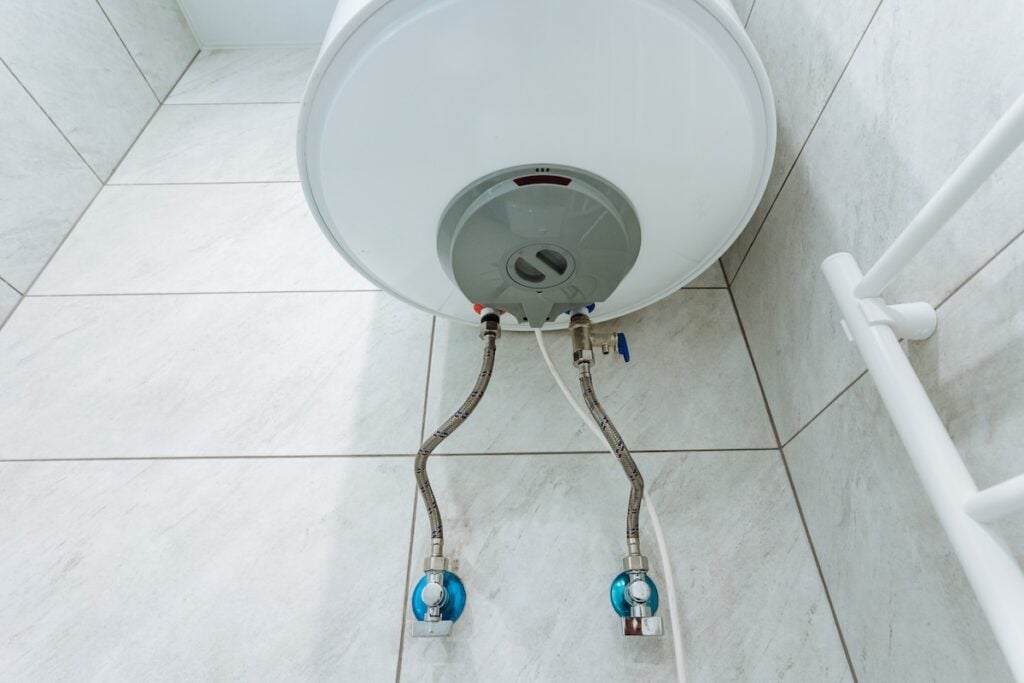
A water heater expansion tank is a small auxiliary tank connected to your water heating system. Its purpose is to absorb excess water pressure created when heated water expands inside a closed plumbing system. Without this extra space for expansion, pressure can build up inside pipes, valves, and the water heater itself.
Expansion tanks are commonly installed near:
- Traditional water heaters: Gas and electric systems
- Tankless water heater setups: In some closed plumbing systems
- Homes with pressure-reducing valves: Systems where water cannot flow backward into the municipal supply
The expansion tank helps stabilize pressure levels and protect important plumbing components from unnecessary strain.
Why Water Expands Inside Your Plumbing System
As water heats up, it naturally expands in volume. In an open plumbing system, this extra pressure can often move harmlessly back into the municipal water supply. However, many modern homes use closed plumbing systems that prevent water from flowing backward.
This can happen because of:
- Backflow preventers: Protect municipal water supplies
- Pressure-reducing valves: Help regulate household water pressure
- Check valves: Prevent reverse water movement
When expansion has nowhere to go, pressure increases throughout the plumbing system. A water heater expansion tank provides a safe place for that excess pressure to collect.
According to the International Association of Certified Home Inspectors, thermal expansion can create pressure levels high enough to damage plumbing fixtures and water heaters, making expansion control an important part of plumbing system protection.
How a Water Heater Expansion Tank Works
Inside the expansion tank is a sealed chamber divided into two sections by a flexible rubber bladder or diaphragm. One side contains compressed air, while the other side receives excess water from the plumbing system when pressure rises.
The process works like this:
- Water heats and expands: Pressure begins increasing inside the system
- Excess water enters the expansion tank: The diaphragm compresses the air chamber
- Pressure stabilizes: The plumbing system remains protected from excessive strain
This process helps reduce pressure spikes that could otherwise damage pipes, fittings, and water heating equipment.
Signs You May Need an Expansion Tank
Not every home requires a water heater expansion tank, but certain plumbing setups make them highly recommended or required by code. Some warning signs may also indicate existing pressure problems.
1. Fluctuating Water Pressure
If your water pressure changes noticeably throughout the day, thermal expansion may be contributing to the problem. Pressure spikes often occur after the water heater completes a heating cycle.
Common symptoms include:
- Sudden pressure increases: Especially after hot water use
- Noisy pipes: Banging or vibrating plumbing
- Inconsistent fixture performance: Irregular water flow
An expansion tank can help regulate these pressure changes.
2. Leaks Around Plumbing Fixtures
Excess pressure can place added strain on fixtures and plumbing connections throughout your home. Over time, this may cause small leaks or premature wear.
Potential signs include:
- Dripping faucets: Even when fully closed
- Valve leaks: Around shutoff valves or fittings
- Water heater relief valve discharge: Pressure escaping through the safety valve
Addressing pressure buildup early can help prevent larger plumbing problems.
3. Water Heater Relief Valve Frequently Opens
Your water heater’s temperature and pressure relief valve is designed to release excess pressure when conditions become unsafe. According to the U.S. Department of Energy, water heating is typically the third largest energy expense in the home, accounting for about 12% of the average utility bill — making a properly functioning water heater system, protected by a correctly installed expansion tank, one of the most important components of long-term home efficiency. If the pressure relief valve opens frequently, it may indicate pressure buildup from thermal expansion.
This can result in:
- Water pooling near the water heater: Relief valve discharge
- Frequent pressure release: System strain
- Reduced equipment lifespan: Increased stress on components
An expansion tank often helps reduce unnecessary pressure release events.
4. Your Home Has a Closed Plumbing System
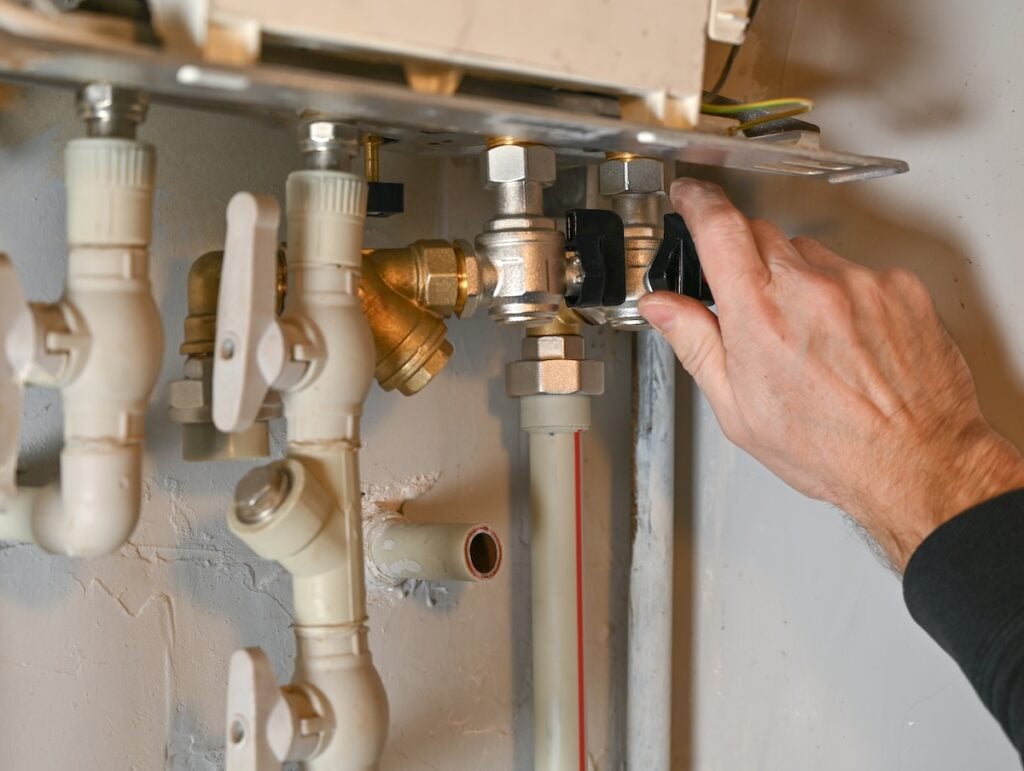
Homes with closed plumbing systems are more likely to require expansion tanks. In many cases, local plumbing codes require them whenever pressure-reducing valves or backflow devices are installed.
Common closed-system components include:
- Pressure-reducing valves: Regulate incoming water pressure
- Backflow preventers: Protect water supplies
- Check valves: Prevent reverse water movement
A plumber can determine whether your system requires expansion protection.
Understanding Expansion Tank Lifespan
Like most plumbing components, expansion tanks do not last forever. A water heater expansion tank typically lasts between five to ten years depending on water pressure, installation quality, and overall system conditions.
Signs an expansion tank may need replacement include:
- Dripping water around the tank: Potential diaphragm failure
- Reduced water pressure stability: Pressure no longer regulated properly
- Waterlogged tank conditions: Tank feels unusually heavy
- Visible corrosion or leaks: Exterior damage or deterioration
Regular plumbing inspections can help identify expansion tank problems before they lead to water heater or pipe damage.
Why Proper Expansion Tank Sizing Matters
Expansion tanks must be properly sized to safely manage pressure changes within your plumbing system. Most homes require an expansion tank with a capacity between two and five gallons depending on the size of the water heater tank, household water pressure, and temperature fluctuations.
Improper sizing can lead to:
- Continued pressure spikes: Tank cannot absorb enough expansion
- Relief valve discharge: Excess pressure escaping through the system
- Reduced plumbing protection: Increased wear on pipes and fittings
To size an expansion tank correctly, plumbers measure the home’s water pressure and match the tank size to the water heater capacity and plumbing system requirements.
Installation of Expansion Tanks
Proper installation is critical for safe and effective expansion tank performance. Before installing an expansion tank, the air pressure charge inside the tank should be measured and adjusted to match the home’s water pressure.
Professional installation helps ensure:
- Correct pressure balancing: Proper air pressure settings
- Secure plumbing connections: Reduced leak risk
- Proper placement near the water heater: Improved pressure management
- Code-compliant installation: Meets local plumbing requirements
Expansion tanks should typically be installed on the cold water pipe near the water heater. However, they can be installed elsewhere in the plumbing system as long as there are no valves located between the expansion tank and the water heater.
Why Expansion Tanks Matter for Water Heater Lifespan
Excess pressure affects more than just pipes and valves. It can also increase wear on your water heater itself, shortening equipment lifespan over time.
A properly functioning expansion tank helps:
- Reduce strain on the tank: Lower pressure inside the system
- Protect valves and fittings: Minimize plumbing wear
- Improve system stability: More consistent pressure control
Reducing unnecessary pressure can help homeowners avoid costly repairs and extend equipment life.
Common Problems With Expansion Tanks
Like any plumbing component, expansion tanks can eventually wear out or fail. Regular inspections help identify problems before they affect the rest of the system.
Waterlogged Tanks
Over time, the internal diaphragm may fail, allowing water to fill the entire tank. When this happens, the expansion tank can no longer absorb pressure effectively.
Signs of a waterlogged tank include:
- Heavy tank weight: Filled entirely with water
- Pressure fluctuations: Reduced pressure control
- Increased plumbing noise: Water hammer or vibration
Replacement is often necessary once the diaphragm fails.
Incorrect Tank Sizing
Expansion tanks must be properly sized for the water heater and plumbing system. An undersized tank may not adequately absorb pressure changes.
Improper sizing can lead to:
- Continued pressure spikes: Insufficient expansion capacity
- Relief valve discharge: Ongoing pressure release
- Reduced system protection: Increased plumbing strain
Professional installation helps ensure proper sizing and performance.
Improper Installation
Incorrect installation can reduce effectiveness and create additional plumbing issues. Expansion tanks should always be installed according to local plumbing codes and manufacturer specifications.
Professional installation helps ensure:
- Proper pressure balancing: Correct air pressure settings
- Secure connections: Reduced leak risk
- Code compliance: Meets local plumbing requirements
Proper installation is important for both performance and safety.
Do All Water Heaters Need an Expansion Tank?
Not every water heater requires an expansion tank, but many modern homes benefit from having one installed. Homes with closed plumbing systems are the most common candidates.
Factors that may require an expansion tank include:
- Municipal water pressure regulations: Pressure-reducing devices installed
- Closed plumbing systems: Limited pressure relief options
- Local building codes: Expansion control requirements
A licensed plumber can inspect your plumbing system and determine whether an expansion tank is recommended or required.
Protect Your Plumbing System With the Right Equipment
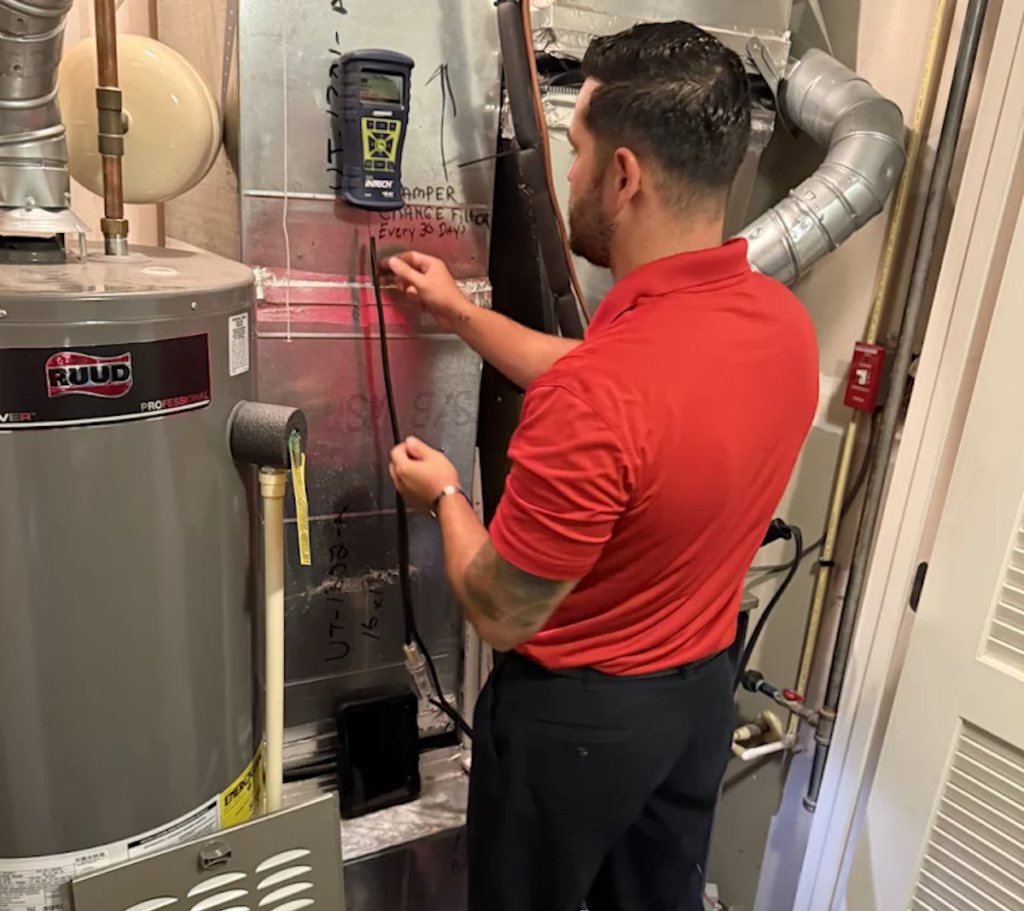
A water heater expansion tank may seem like a small component, but it plays a major role in protecting your plumbing system from excess pressure and long-term damage. Whether you are installing a new water heater or addressing pressure-related plumbing issues, understanding how expansion tanks work can help you make informed decisions about your home.
At Smock Heating & Air, we help homeowners maintain safe, efficient plumbing and water heating systems with professional inspections, installations, and repairs. From water heater upgrades to expansion tank installation, our team is here to help protect your home’s comfort and plumbing performance.
If you have questions about your water heater expansion tank or want to schedule a system inspection, contact Smock Heating & Air today.

