


June 17, 2025
Trane Heat Pump Prices (6 Factors + Considerations for 2025)
When it comes to home comfort and energy efficiency, Trane heat pumps are a popular choice for homeowners in search of reliable and cost-effective solutions. But if you’re planning to invest in a Trane heat pump, you’re likely wondering about the price and the factors that can influence it.
This guide dives into the key considerations that determine Trane heat pump prices, answers frequently asked questions, and provides helpful insights to make your decision easier. Here’s what we’ll cover:
- Are Trane heat pumps worth it?
- Factors affecting Trane heat pump prices
- What is the lifespan of a Trane heat pump?
- What is the tax credit for a heat pump in Maryland?
- What is the major disadvantage of a heat pump system?
- At what temperature is a heat pump most efficient?
🤔 Are Trane Heat Pumps Worth It?
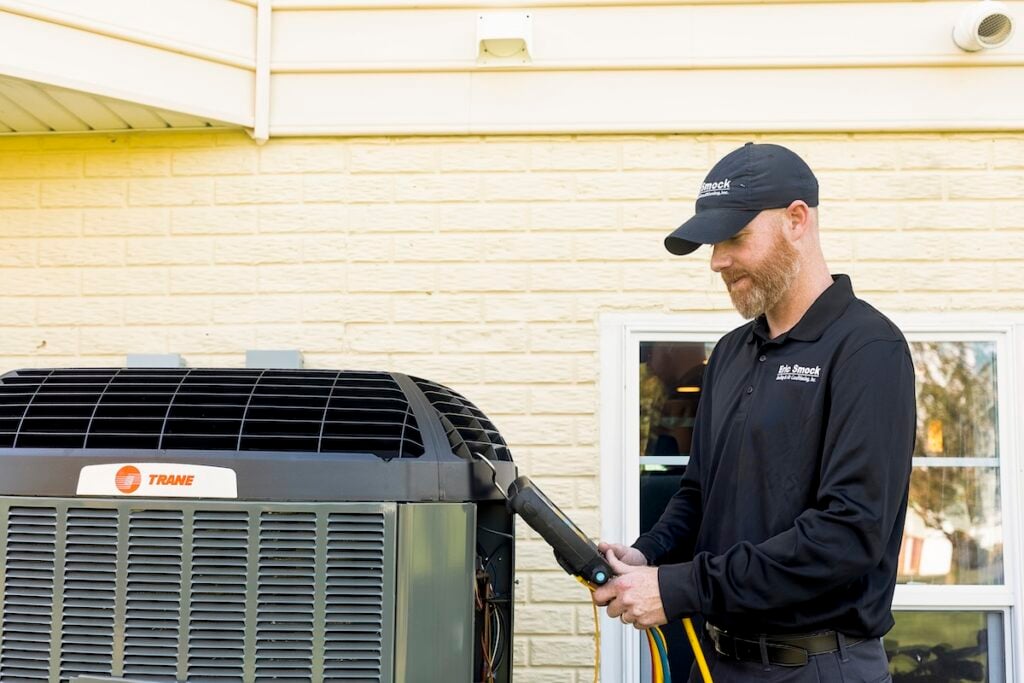
Absolutely. Trane heat pumps are known for their durability, energy efficiency, and advanced technology. These systems are not only built to last but also designed to deliver consistent comfort while saving on utility bills. With impressive SEER ratings and minimal maintenance requirements, Trane heat pumps are a worthwhile investment for long-term value.
Plus, Trane heat pumps are backed by comprehensive warranties, ensuring peace of mind while improving your home’s heating and cooling efficiency.
Key Benefits of Trane Heat Pumps:
- Durable and long-lasting performance
- High energy efficiency with impressive SEER ratings
- Minimal maintenance requirements
- Advanced technology for consistent comfort
- Backed by comprehensive warranties
🔎 6 Factors Affecting Trane Heat Pump Prices
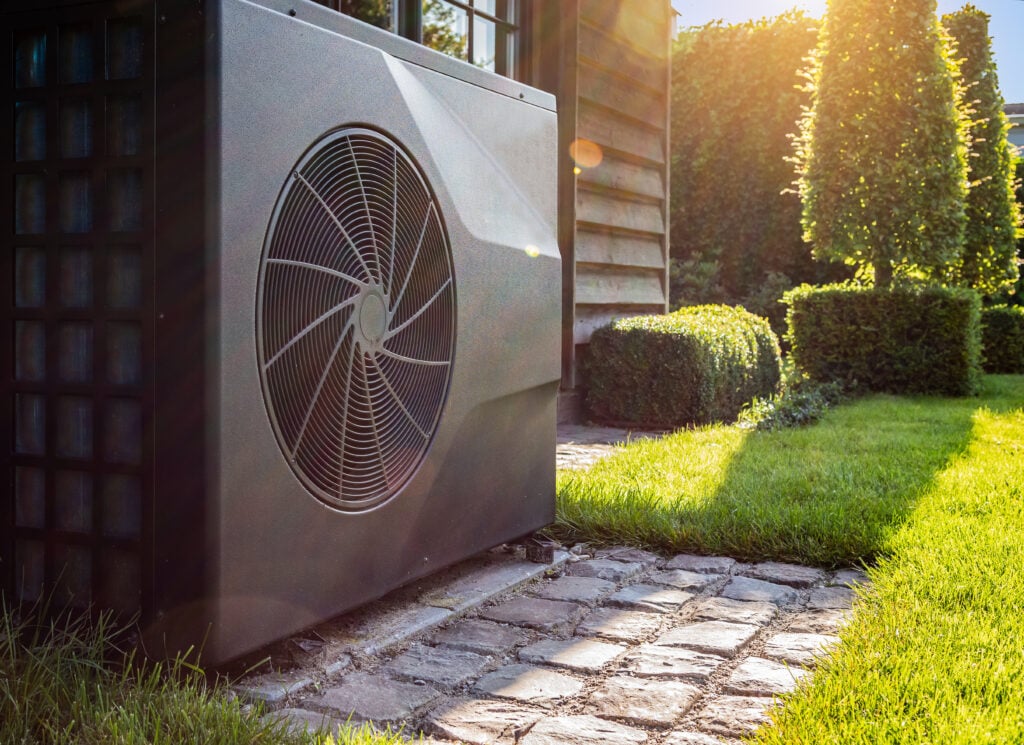
The cost of a Trane heat pump isn’t fixed; it varies depending on multiple factors. Below, we’ve listed the six most common ones:
1. Heat Pump Model
Trane offers a wide range of heat pump models to suit different budgets and needs, from basic models designed for standard heating and cooling to premium options packed with advanced features. The more advanced models are equipped with higher SEER (Seasonal Energy Efficiency Ratio) ratings, which make them more energy-efficient and environmentally friendly. Additionally, features like variable-speed compressors ensure smooth and precise temperature control, improving comfort and performance. However, these advanced capabilities come with a higher price point. Choosing the right model depends on your priorities—whether it’s sticking to a budget or investing in long-term energy savings and enhanced functionality.
2. Capacity and Size
The capacity of a heat pump is one of the most critical factors in determining its cost. Measured in BTUs (British Thermal Units), the capacity must align with the size of your home or the space you want to heat and cool. A unit that is too small will struggle to maintain comfortable temperatures, while a unit that is too large can lead to inefficiencies and higher costs. Larger heat pumps built for bigger homes or commercial spaces naturally come with a higher price tag due to the increased materials and technology required. It’s important to have a professional calculate the exact size needed to avoid overspending or undersizing the unit.
3. Installation Complexity
The complexity of the installation process can significantly affect the total cost of your heat pump system. If your home requires extensive ductwork modifications, the addition or replacement of vents, or upgrades to your electrical system to handle the new unit, these changes will increase labor and material costs. Homes with limited accessibility, such as tight crawl spaces or older buildings with outdated infrastructure, may also require more time and effort for installation. Even seemingly minor factors, like the location of the indoor and outdoor units, can impact the overall installation cost. Consulting with an experienced HVAC technician can help you understand these variables upfront.
4. Energy Efficiency
The energy efficiency of a heat pump is a key factor in both its upfront cost and its long-term value. High-efficiency models from Trane typically come with a larger initial investment, but they are designed to significantly reduce energy consumption over time. For example, a heat pump with a higher SEER rating will use less electricity to deliver the same level of heating or cooling, lowering your monthly utility bills. Trane’s high-efficiency models are engineered to maintain excellent performance, even in extreme weather conditions, ensuring you save money while keeping your home comfortable. While they may cost more initially, the energy savings over the lifespan of the unit often offset the higher purchase price.
5. Climate and Location
Your geographic location plays a crucial role in determining the type of heat pump you need and its associated cost. In warmer climates, less powerful units may suffice, as they are primarily used for cooling with minimal heating demands. On the other hand, colder climates require heat pumps that are specifically designed to perform efficiently in freezing temperatures. For instance, Trane offers models with enhanced cold-weather capabilities, such as dual-stage or variable-speed technology, which provide reliable heating even in subzero temperatures. Additionally, local climate conditions and building codes may impact the installation requirements, further influencing the overall cost.
6. Additional Features
Modern heat pumps often come with a variety of additional features that can enhance convenience, comfort, and overall usability. For example, models equipped with smart technology allow you to control and monitor your system remotely via a smartphone app, making it easier to manage energy usage and maintain ideal temperatures. Some heat pumps are designed with enhanced soundproofing to operate quietly, which is especially beneficial for homes or offices where noise levels are a concern. Extended warranties and maintenance plans can also add to the upfront cost but provide peace of mind and protection against unexpected repairs down the road. While these features can increase the overall price, they often contribute to a more satisfying and worry-free experience.
⭐️ What Is the Lifespan of a Trane Heat Pump?

A well-maintained Trane heat pump typically lasts about 15 to 20 years. Factors like how frequently you use the system, regular maintenance, and the climate in your area can all affect its lifespan.
At Smock HVAC, we offer seasonal maintenance plans to help extend the life of your system. Routine inspections ensure your Trane heat pump continues to operate at peak efficiency year after year.
💵 What Is the Tax Credit for a Heat Pump in Maryland?
If you’re installing a Trane heat pump in Maryland, you may qualify for federal and state tax credits. The federal government offers tax credits of up to 30% of the installation cost (with a maximum value of $2,000) for qualifying energy-efficient heat pumps under the Inflation Reduction Act.
Additionally, Maryland residents might be eligible for rebates through utility companies like Pepco or BGE. These rebates can range from a few hundred dollars to over $1,000, depending on the type and efficiency of the heat pump.
Remember, Smock HVAC can guide you through the rebate application process and ensure you’re maximizing your savings.
👉 What Is the Major Disadvantage of a Heat Pump System?
While heat pumps offer numerous benefits, they do have one potential drawback: reduced efficiency in extremely cold temperatures.
During prolonged periods of sub-freezing weather, a heat pump may rely on supplemental electric heating, which can temporarily increase energy costs. However, newer Trane models are specifically engineered to perform well in colder climates, making this less of a concern.
If you’re worried about extreme weather conditions, our team at Smock HVAC can help you select the Trane model best suited for your location and needs.
🔎 At What Temperature Is a Heat Pump Most Efficient?
Heat pumps are most efficient when outdoor temperatures range between 40°F and 60°F. Within this range, they transfer heat effectively while consuming minimal energy.
However, Trane’s modern heat pumps are designed to operate efficiently in a variety of conditions, including colder climates, thanks to their advanced variable-speed technology.
- Designed for efficiency in various conditions
- Works effectively even in colder climates
- Advanced variable-speed technology maintains performance as temperatures drop
👨🔧 Trust Smock HVAC for Your Heat Pump Needs
At Smock HVAC, we understand that investing in a Trane heat pump is a big decision, and we’re here to make the process as smooth and stress-free as possible. With over 20 years of experience serving Frederick County, our team has built a reputation for delivering reliable, high-quality HVAC solutions tailored to your needs.
From competitive pricing and expert advice to seamless installation, we’re committed to helping you find the perfect system for your home. Ready to take the next step? Contact Smock HVAC today to schedule your free consultation and discover why we’re the team you can trust for all your heating and cooling needs!

