



August 20, 2026
Smart Thermostat Benefits (7 Ways It Pays for Itself)
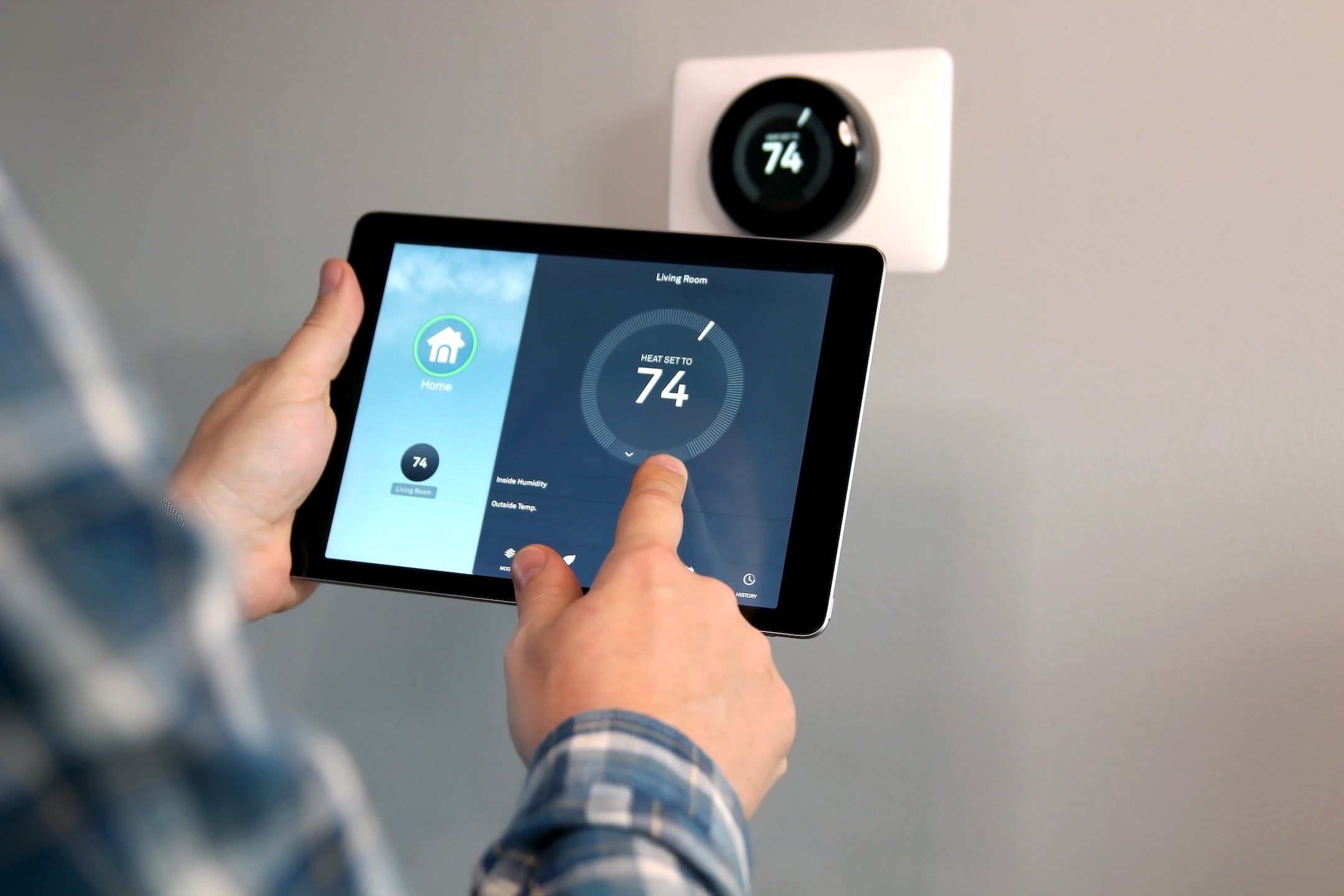
Smart thermostat benefits go well beyond the convenience of controlling your temperature from a phone — they represent a meaningful upgrade to how efficiently your entire HVAC system operates, and for most homeowners the investment pays for itself within the first year or two. Whether you are looking to reduce energy bills, lower energy consumption, or simply make your home’s heating and cooling more comfortable without thinking about it, a smart thermostat delivers on all three. If you are ready to upgrade, our HVAC services include smart thermostat installation as part of every new system and as a standalone upgrade. In this guide, we cover:
- What makes a smart thermostat different from a programmable thermostat
- The 7 most compelling ways a smart thermostat pays for itself
- How smart thermostats interact with your HVAC system
- What to look for when choosing the right model for your home
- How to maximize your energy savings after installation
We’re proud to serve homeowners in Middletown, MD, and nearby communities with HVAC installation, maintenance, and smart home comfort services, and more.
Smart Thermostat vs. Programmable Thermostat
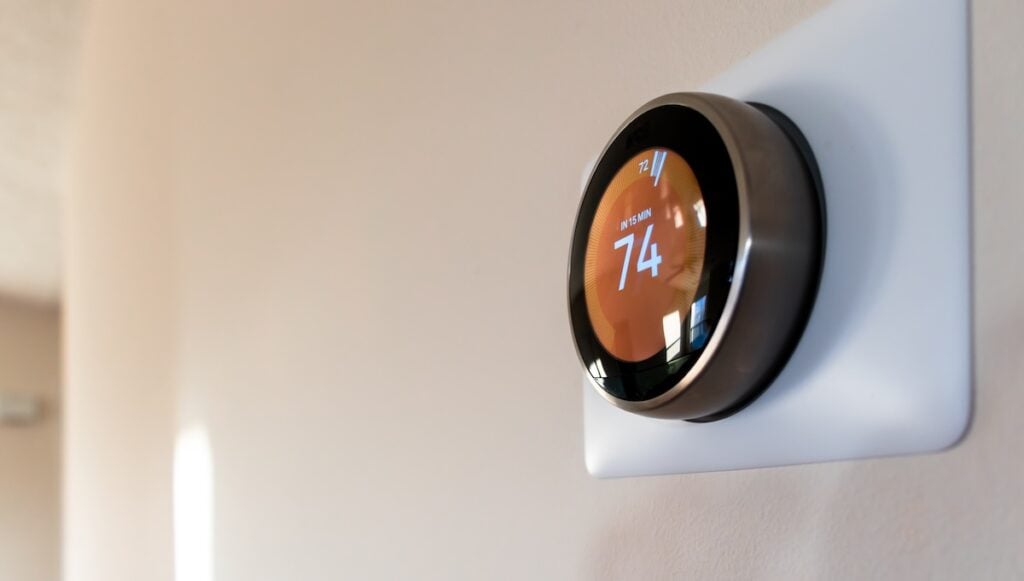
Before getting into the benefits, it helps to understand what separates a smart thermostat from a basic programmable model. A programmable thermostat follows a fixed schedule you set manually. Most smart thermostats learn from your behavior, respond to real-time conditions, and make automatic adjustments that a programmable thermostat simply cannot. Many smart thermostats also connect to your home’s Wi-Fi, integrate with other smart devices, and provide detailed energy consumption reports that give you genuine visibility into how your HVAC system is operating. That combination of learning capability, remote access, and data transparency is what makes smart thermostats worth the upgrade for most homeowners.
7 Smart Thermostat Benefits That Pay for Themselves
A quality smart thermostat typically costs between $150 and $300 for the device, with installation adding a modest additional cost. Here is how that investment returns its value and then some.
1. Automatic Learning Reduces Energy Waste
The defining feature of most smart thermostats is adaptive learning. Over the first few days to weeks of use, the thermostat observes when you wake up, leave, return home, and go to sleep, then builds a heating and cooling schedule around those patterns automatically. The result is a cooling system and home’s heating that runs when you need it and scales back when you do not.
- Energy savings: Homes that previously ran their HVAC on a fixed schedule see some of the largest gains after installation, often 10 to 15 percent on annual energy bills.
- Continuous improvement: Smart thermostats refine their schedules as your routine evolves, maintaining accuracy without manual reprogramming.
2. Remote Access Eliminates Wasted Conditioning
The ability to control your thermostat from anywhere via smartphone is more than a convenience feature — it is a direct way to save money. Forgetting to adjust the thermostat before leaving for a vacation used to mean returning to an unnecessarily conditioned home and an inflated energy bill. Remote access eliminates that waste entirely.
- Real-world savings: Adjusting your thermostat by just 7 to 10 degrees for 8 hours per day can reduce annual energy bills by up to 10 percent, and remote access makes that adjustment effortless.
- Geofencing: Many smart thermostats use your phone’s location to detect when you leave and return, automatically adjusting your home’s heating and cooling without any manual input.
3. Energy Usage Reports Reveal Hidden Costs
One of the most underappreciated smart thermostat benefits is the detailed energy consumption data they provide. Most smart thermostats generate reports showing exactly how much energy your HVAC system consumed, when it ran the longest, and what conditions drove the highest usage. According to ENERGY STAR, a smart thermostat can save homeowners an average of $50 per year on energy bills. That visibility turns abstract energy bills into actionable information that helps you save money over time.
- Identifying inefficiencies: Usage reports often reveal patterns homeowners were unaware of, such as the cooling system running for extended periods during mild weather.
- Tracking improvements: After making changes to your HVAC habits or equipment, the reports let you verify whether those changes actually reduced energy consumption.
4. Maintenance Reminders Protect Your Equipment
Many smart thermostats track HVAC system runtime and alert you when it is time to replace the air filter, schedule a professional tune up, or address unusual operating patterns. These reminders directly protect energy efficiency and equipment lifespan by preventing the small oversights that compound into expensive problems.
- Filter reminders: A timely filter replacement reminder prevents the airflow restriction that leads to frozen coils, overheating, and compressor stress — all of which cost far more to repair than a new filter.
- Unusual runtime alerts: Some smart thermostats flag when the HVAC system runs significantly longer than usual, which can be an early indicator of refrigerant loss or equipment decline.
5. Demand Response and Utility Savings Programs
Many utility companies offer demand response programs that reward smart thermostat owners with bill credits in exchange for allowing brief, minor temperature adjustments during peak grid demand. Participating adds a direct financial benefit on top of the energy savings the thermostat already delivers, making smart thermostats worth it for homeowners who want every available incentive.
- How it works: During periods of high grid demand, the utility may temporarily adjust your thermostat by one or two degrees with your prior consent. The adjustment is brief, rarely noticeable, and earns you credits on your energy bills.
- Rebates at purchase: Many utilities also offer upfront rebates on qualifying smart thermostat purchases. Always check with your provider before purchasing to confirm available incentives in the Middletown area.
6. Humidity and Comfort Optimization
Beyond temperature control, many smart thermostats monitor indoor humidity and adjust HVAC operation to maintain the comfort range most people find ideal. In Maryland’s humid summers and dry winters, that capability has a meaningful impact on how comfortable your home actually feels day to day.
- Summer humidity: A smart thermostat that recognizes elevated indoor humidity can run the cooling system longer at lower fan speeds to improve dehumidification, making the home feel cooler without lowering the temperature setpoint.
- Winter dryness: Some smart thermostats integrate with other smart devices like whole-home humidifiers to maintain indoor humidity during dry heating season, supporting both comfort and home’s heating efficiency.
7. Extended HVAC Equipment Life
Every time your HVAC system starts up, it draws a surge of electrical current that stresses the compressor and electrical components. Most smart thermostats reduce unnecessary startups by running the system in longer, more efficient cycles, which directly reduces wear and extends equipment lifespan compared to the short-cycling patterns a constant or poorly scheduled thermostat setting tends to produce.
- Reduced wear: Fewer unnecessary startups mean less stress on the compressor and electrical components, contributing to longer equipment life and lower long-term energy consumption.
- System compatibility: Before purchasing, confirm the smart thermostat is compatible with your existing HVAC system. Heat pumps and multi-stage systems have specific compatibility requirements a qualified installer can verify.
Choosing the Right Smart Thermostat for Your Home
Not every smart thermostat is the right fit for every HVAC system. Here are the key factors to consider before selecting a model.
| Feature | Why It Matters |
| System compatibility | Heat pumps and multi-stage systems require specific models |
| C-wire requirement | Most smart thermostats need a common wire; older homes may need an adapter |
| Learning capability | True learning thermostats adjust automatically vs. app-based scheduling only |
| Smart device integration | Compatibility with Alexa, Google Home, or Apple HomeKit depends on the model |
| Utility program eligibility | Some models qualify for rebates and demand response programs, others do not |
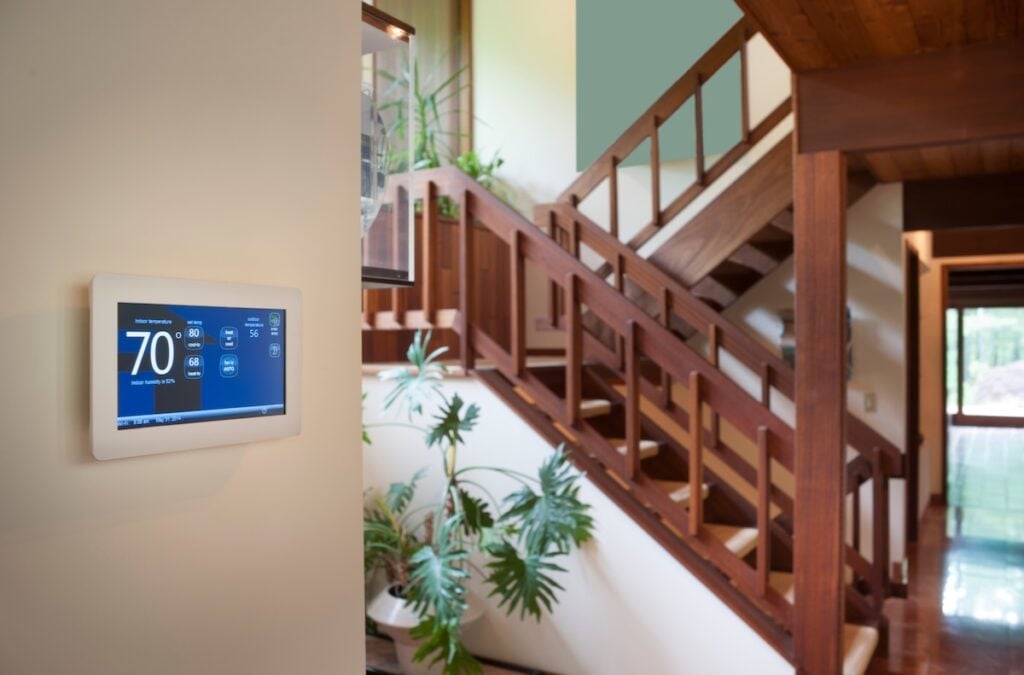
| Display and interface | A clear, intuitive display reduces the friction of making manual adjustments |
Frequently Asked Questions About Smart Thermostat Benefits
Homeowners considering a smart thermostat upgrade often have similar questions before committing. Here are honest answers to the most common ones.
How much can a smart thermostat actually save me?
Most homeowners save between 10 and 15 percent on annual energy bills after installing a smart thermostat, though the actual amount depends on how the home was managed previously. Households that left the thermostat at a constant temperature or never used a setback schedule tend to see the largest energy savings and the fastest payback on the device cost.
Are smart thermostats worth it for every home?
Most smart thermostats are worth it for homeowners who want lower energy bills, better visibility into energy consumption, and a more hands-off approach to managing their home’s heating and cooling. Homes where the HVAC system is already on a well-managed schedule may see smaller gains, but the remote access, maintenance reminders, and utility program eligibility still add value beyond raw energy savings.
Do I need a C-wire to install a smart thermostat?
Most smart thermostats require a common wire, also called a C-wire, to maintain a continuous power supply. Many older Maryland homes do not have a C-wire at the thermostat location. An HVAC technician can run a C-wire during installation or install a compatible adapter, and some models include a power adapter that eliminates the need for a C-wire entirely.
Can a smart thermostat work with a heat pump?
Yes, but compatibility matters. Heat pumps require a thermostat that supports heating and cooling modes, auxiliary heat, and emergency heat functions. Not all smart thermostats handle heat pump wiring correctly, so confirming compatibility before purchasing is essential. An HVAC professional can verify compatibility and configure the settings correctly during installation.
Are there rebates available for smart thermostats in Maryland?
Yes. Maryland utility companies and the EmPOWER Maryland program offer rebates on qualifying smart thermostat purchases. Many smart thermostats also qualify for demand response program enrollment, which adds ongoing bill credits to the upfront rebate. Check with your utility provider and a tax professional for the most current information on available incentives in your area.
Upgrade Your Comfort and Savings With Smock HVAC
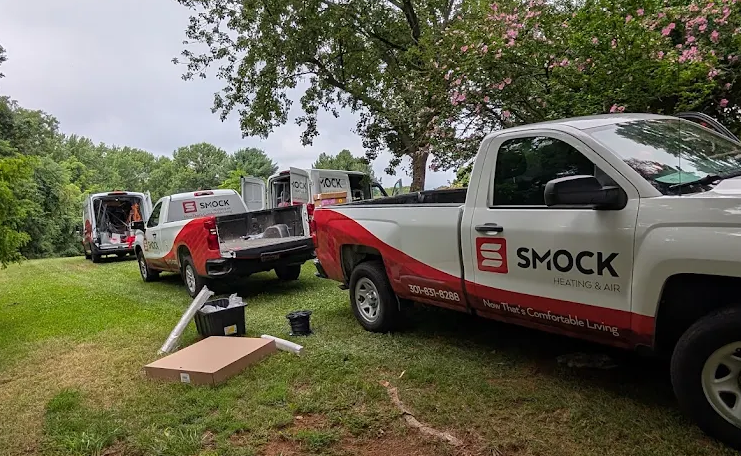
A smart thermostat is one of the most cost-effective upgrades a Middletown homeowner can make, and the smart thermostat benefits compound over time as the device learns your home and your habits. At Smock, we install and configure smart thermostats as part of every new system installation and as a standalone upgrade for homeowners who want better control and lower energy bills without a full system replacement.
Connect with our team to get started and find out which smart thermostat is the right fit for your home and HVAC system.

