



June 1, 2026
Repair or Replace Your Furnace? How to Decide
Struggling to decide whether to repair or replace furnace equipment in your home is a common challenge for homeowners, especially during colder months when reliable heating matters most. While some furnace issues can be fixed quickly, others may point to larger problems that make replacement the smarter long-term investment. Understanding the signs can help you avoid unnecessary repair costs, improve energy efficient performance, maintain indoor air quality, and keep your home consistently comfortable throughout the heating season.
In this guide, you will learn:
- When furnace repair makes sense: Situations where repairs are still cost-effective
- Signs replacement may be the better option: Common indicators of system decline
- How furnace age affects the decision: Why older systems often cost more long term
- What factors homeowners should consider: Efficiency, comfort, labor costs, and future expenses
When Furnace Repair Is Usually the Right Choice
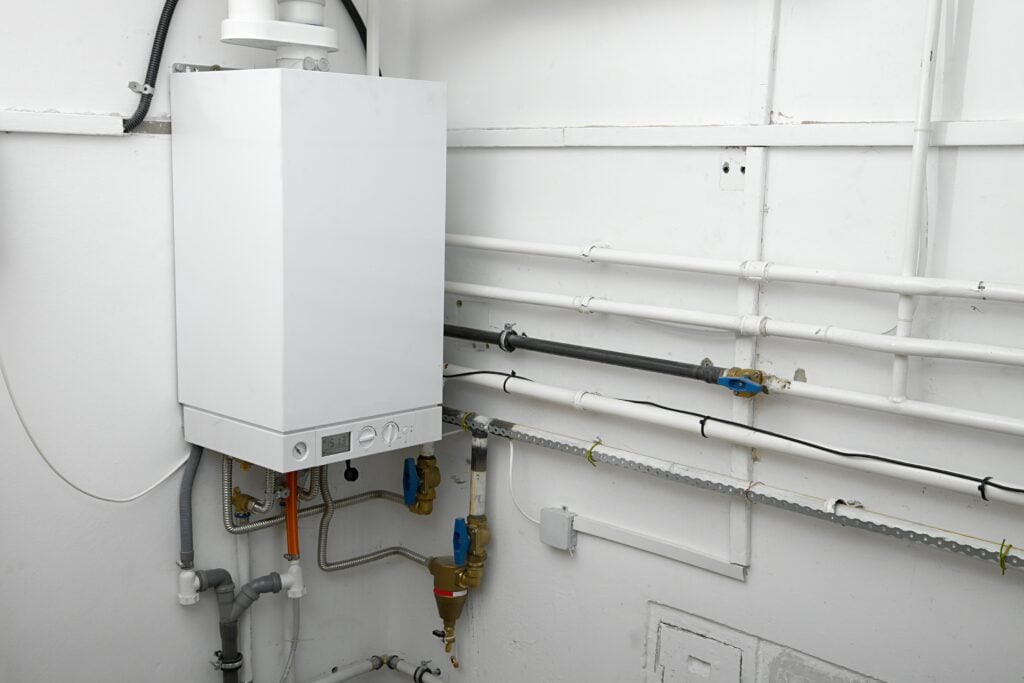
Not every furnace issue means you need a complete replacement. In many cases, repairing your heating system can restore reliable performance without the expense of installing a new unit. Minor problems, isolated component failures, and newer systems are often good candidates for repair.
Repairing your furnace may make sense when:
- The system is relatively new: Most furnaces last 15–20 years with proper care
- Repairs are minor: Flame sensor issues, thermostats, and ignitors are often affordable fixes
- Heating performance remains consistent: Your current furnace still heats your home evenly
- Energy bills have not increased significantly: Efficiency has remained stable
According to the U.S. Department of Energy, regular furnace maintenance can improve system efficiency and extend equipment lifespan, making timely repairs and tune-ups an important part of long-term system performance.
Signs It May Be Time to Replace Your Furnace
While repairs can solve many problems, some issues signal that your furnace may be nearing the end of its useful life. Replacing an aging or unreliable system can improve comfort, reduce breakdowns, and lower monthly utility costs.
1. Your Furnace Is More Than 15 Years Old
Most furnace systems become less efficient as they age. Even if the system still operates, older equipment often struggles to maintain consistent temperatures and may require more frequent repairs.
Older furnaces commonly experience:
- Reduced efficiency: Higher heating costs over time
- More wear and tear: Increased strain on internal components like the heat exchanger
- Outdated technology: Lower performance compared to modern high efficiency furnace models
If your furnace is approaching the end of its expected lifespan, replacement may offer better long-term value.
2. Repairs Are Becoming More Frequent
Occasional repairs are normal, but repeated service calls can quickly become expensive. If you are constantly fixing different components, replacement may ultimately cost less than continuing repairs.
Frequent repair signs include:
- Recurring breakdowns: Problems continue returning
- Multiple failing components: Repairs affect different parts of the system
- Increasing labor costs: Service expenses continue rising
A newer furnace can often provide greater reliability and lower long-term maintenance costs.
3. Energy Bills Keep Increasing
As furnace systems age, efficiency naturally declines. Older systems often run longer and work harder to maintain indoor temperatures, which increases energy consumption.
Common causes of rising heating bills include:
- Declining furnace efficiency: More energy required to heat your home
- Worn components: Reduced system performance
- Airflow problems: Poor circulation increases workload
Replacing an older furnace with a high efficiency furnace can significantly reduce heating expenses over time.
4. Uneven Heating Throughout Your Home
If some rooms feel warm while others remain cold, your furnace may no longer distribute heat effectively. Inconsistent heating often signals declining performance or airflow problems.
This issue may result from:
- Blower motor problems: Reduced airflow through the system
- Aging equipment: Uneven heat distribution
- System sizing issues: Current furnace struggles to meet demand
A newer system can improve comfort and provide more balanced heating throughout your home.
5. Strange Noises or Odors Continue
Unusual sounds and smells should never be ignored. While some noises can be repaired, persistent problems may indicate serious internal wear or safety concerns involving major furnace components.
Warning signs include:
- Banging or rattling: Loose or failing components
- Burning smells: Electrical or overheating issues
- Persistent vibration: Mechanical imbalance
If these issues continue after repairs, replacement may be the safer option.
Key Factors to Consider Before Deciding
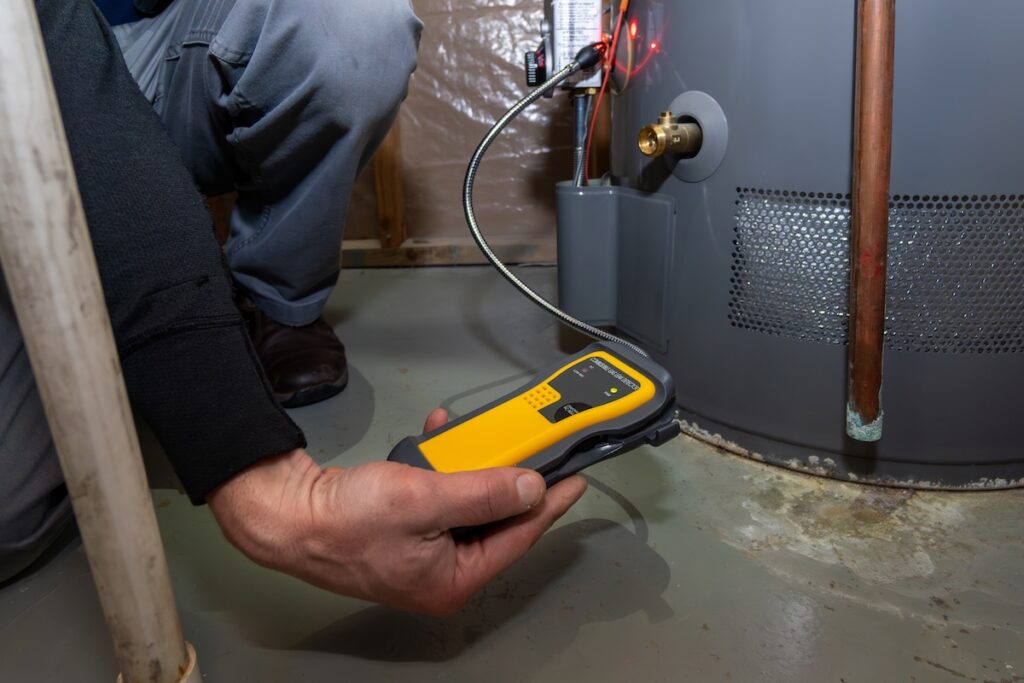
Choosing whether to repair or replace your furnace depends on more than just one repair bill. Homeowners should consider system age, annual fuel utilization efficiency ratings, comfort, and future expenses before making a final decision.
Repair Costs vs Replacement Costs
One common guideline homeowners use is comparing repair costs to replacement value. If a repair is extremely expensive and your furnace is already older, replacement may provide better long-term savings.
Consider factors like:
- Frequency of repairs: Repeated expenses add up quickly
- System efficiency: Older units often cost more to operate
- Expected lifespan remaining: Limited years left may reduce repair value
Looking at long-term ownership costs can help you make a more informed decision.
Energy Efficiency Improvements
Modern furnace systems are far more energy efficient than older equipment. Upgrading to a newer model can help lower monthly heating costs and improve overall comfort.
Benefits of newer systems include:
- Improved annual fuel utilization efficiency ratings: Better fuel performance
- More consistent temperatures: Better airflow and heat distribution
- Lower operating costs: Reduced energy use over time
For many homeowners, energy savings help offset replacement costs over the life of the system.
Comparing Different Heating Options
Homeowners replacing an older furnace may also consider alternative heating systems depending on their comfort goals and energy preferences.
Common options include:
- Natural gas furnaces: Reliable and widely used heating systems
- Electric furnaces: Lower upfront installation costs with simple operation
- Heat pumps: Energy efficient systems that provide both heating and cooling
Choosing the right system depends on your home’s size, energy goals, and long-term budget.
Home Comfort and Indoor Air Quality
Beyond costs, comfort matters. If your furnace struggles to keep your home warm or affects indoor air quality, replacement may improve both convenience and overall comfort.
A reliable system helps provide:
- Consistent indoor temperatures: Better comfort throughout the home
- Reduced emergency repairs: Fewer unexpected breakdowns
- Improved indoor air quality: Cleaner airflow and better humidity control
Long-term reliability is often one of the biggest advantages of replacement.
Common Mistakes Homeowners Make
Many homeowners delay furnace decisions too long or focus only on short-term costs. This can lead to higher expenses and more frustration over time.
Waiting Until Total System Failure
Some homeowners continue repairing failing systems until the furnace completely stops working. Unfortunately, emergency replacement often limits your options and increases stress during cold weather.
Planning ahead gives you more time to:
- Compare replacement options: Better equipment selection
- Schedule installation conveniently: Avoid emergency situations
- Budget for replacement costs: More financial flexibility
Replacing your furnace before complete failure can simplify the process significantly.
Ignoring Regular Maintenance
Skipping regular maintenance can shorten furnace lifespan and reduce system efficiency. Small issues like dirty filters, airflow restrictions, or flame sensor buildup can eventually create larger and more expensive problems.
Routine maintenance helps:
- Improve efficiency: Cleaner systems perform better
- Protect major components: Reduced wear on the heat exchanger and blower motor
- Reduce repair frequency: Early problem detection prevents larger failures
Consistent maintenance is one of the best ways to extend the life of your furnace.
Choosing the Cheapest Option
While saving money matters, the cheapest repair or replacement option is not always the best long-term solution. Poor-quality repairs or improperly sized systems can create additional issues later.
Focusing on long-term value helps ensure:
- Better system performance: Improved efficiency and comfort
- Reduced repair frequency: Fewer future problems
- Longer equipment lifespan: Better overall investment
Balancing cost with quality often produces the best results.
Make the Right Furnace Decision for Your Home
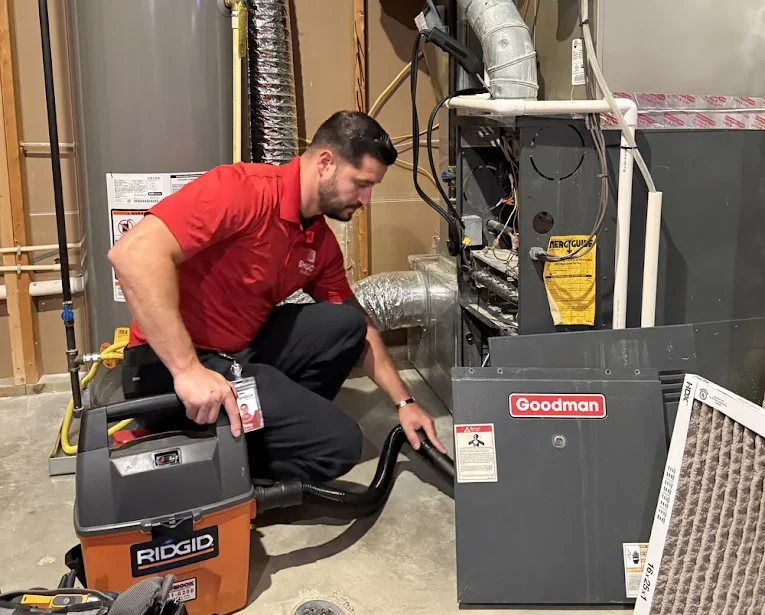
Deciding whether to repair or replace your furnace depends on your system’s age, condition, efficiency, and long-term reliability. While some repairs are worthwhile, older systems with rising costs, inconsistent heating, and repeated issues may benefit more from replacement.
At Smock Heating & Air, we help homeowners evaluate their heating systems honestly and recommend practical solutions based on comfort, efficiency, and long-term value. Whether you need a repair, system inspection, or full furnace replacement, our team is here to help.
If your furnace is showing signs of trouble, contact Smock Heating & Air today to schedule an inspection and determine the best solution for your home.

