


June 10, 2025
Mini Split Energy Cost Expectations for Your System
When it comes to heating and cooling your home, mini split systems are popular for their energy efficiency and customizable comfort. But before jumping into an installation, you might be asking yourself, “What will my mini split energy cost look like?”
The answer depends on several factors, such as your home’s size, the number of units, and how you use your system. But don’t worry—we’re here to make sense of it all! This blog will cover:
- What are mini split systems?
- 6 factors that affect mini split energy cost
- Who makes Trane mini splits?
🤔 What Are Mini Split Systems?
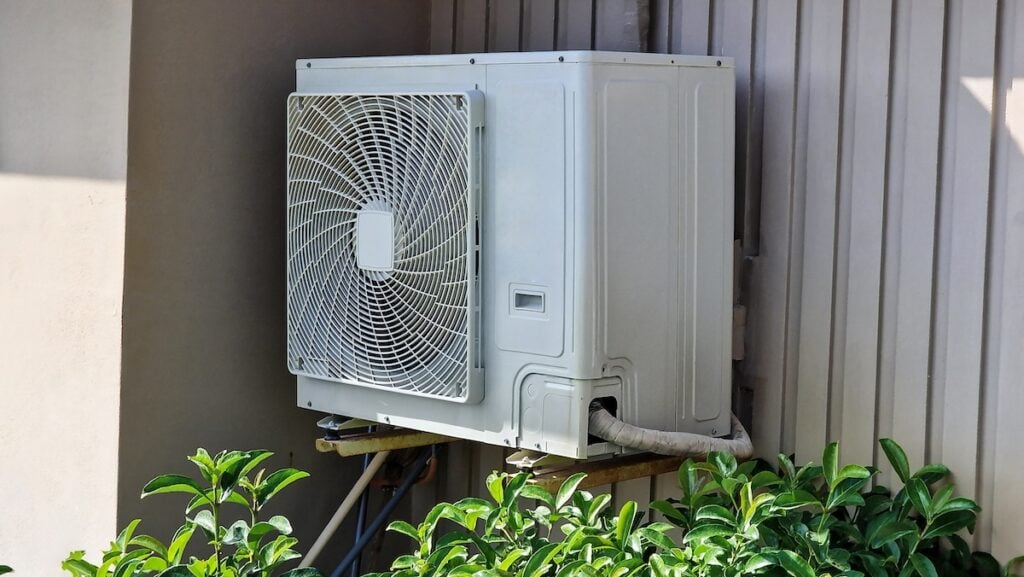
Before digging into costs, let’s set the stage. Mini split systems are ductless HVAC solutions that allow for both heating and cooling. Their design consists of an outdoor unit (compressor) and one or more indoor units (air handlers). They’re renowned for being energy-efficient, especially in homes without ductwork, and offer zoned temperature control for personalized comfort.
How Do Mini Split Energy Costs Compare?
- Mini Splits vs. Central HVAC: Mini splits avoid the 25-30% energy loss typical of central HVAC ductwork, delivering air directly to rooms and reducing electricity bills.
- Mini Splits vs. Window Units: Unlike window units, mini splits are far more energy-efficient and can heat or cool multiple zones, saving you more money over time.
Estimating Monthly Mini Split Energy Costs
Here’s a quick example of what to expect.
- A 12,000 BTU mini split, often sufficient for a 400-600 square foot room, typically consumes about 1 kWh per hour. At the national average electricity rate of $0.16/kWh, running this mini split for 8 hours a day would cost around $38 per month.
Of course, these numbers will vary based on your location, energy rates, and system specs, but they offer a baseline comparison.
👉 6 Factors That Affect Mini Split Energy Cost
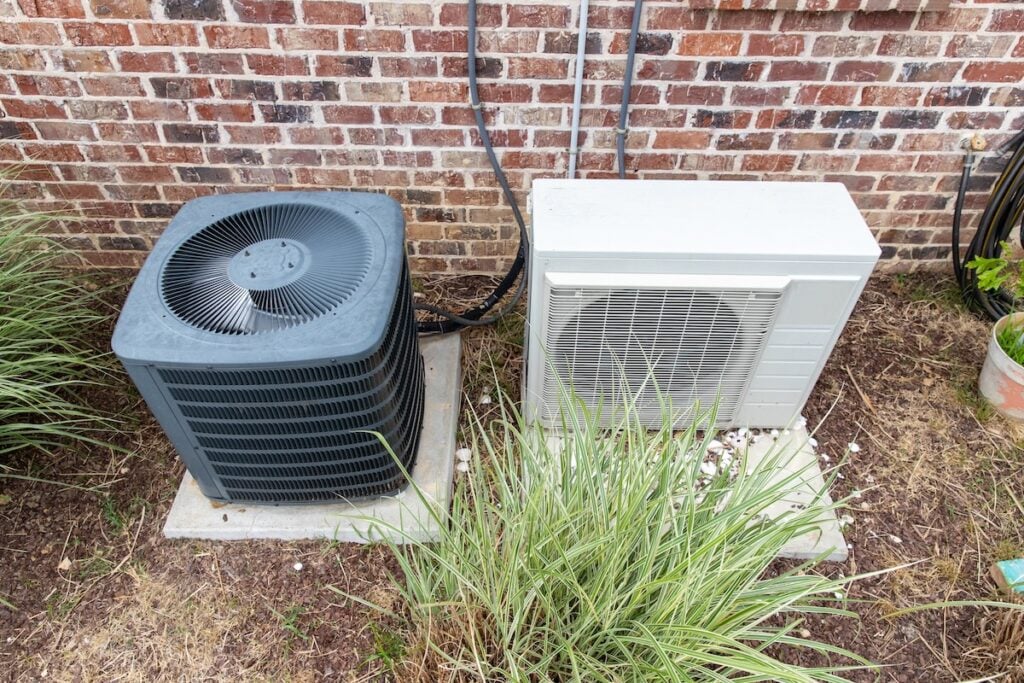
Understanding what influences your mini split energy cost will help you manage expenses and maximize efficiency. Here are the key elements:
1. System Size
The size of your mini split system, measured by its BTU (British Thermal Unit) rating, plays a crucial role in energy efficiency. An undersized system will struggle to heat or cool your space effectively, forcing it to run continuously and use more energy. This can lead to higher energy bills and faster wear and tear on the unit. On the other hand, an oversized system will cycle on and off frequently, leading to wasted energy and inconsistent temperatures. It’s essential to calculate the correct BTU size based on the square footage and insulation of your space to ensure optimal performance and efficiency.
2. Number of Zones
Mini split systems can support multiple indoor air handlers connected to a single outdoor unit, making them ideal for zoned heating and cooling. Each zone corresponds to an area or room, allowing for tailored temperature control in different parts of your home. While having more zones offers greater customization and comfort, it also requires more energy to operate, as each air handler consumes power. Balancing the number of zones with your actual needs can help you avoid unnecessary energy consumption while still enjoying the benefits of zoned climate control.
3. Usage Behavior
Your energy costs will depend heavily on how you use your mini split system. Running the unit constantly or setting it to extreme temperatures—such as very high heat in winter or very low cooling in summer—will significantly increase energy consumption. On the other hand, using the system only when needed and maintaining moderate temperature settings can help you save on costs. Additionally, taking advantage of features like timers and energy-saving modes can further optimize your usage and reduce energy waste.
4. Home Insulation
The level of insulation in your home directly affects how hard your mini split system has to work. Poorly insulated walls, roofs, and windows can allow heat to escape in the winter and enter in the summer, forcing your system to run longer and consume more energy to maintain a comfortable indoor temperature. Upgrading your home’s insulation, sealing air leaks, and installing energy-efficient windows can dramatically reduce energy loss and lower your system’s workload, resulting in significant energy savings over time.
5. SEER Rating
The Seasonal Energy Efficiency Ratio (SEER) of your mini split system measures its cooling efficiency over a typical cooling season. Systems with higher SEER ratings are designed to use less energy to provide the same level of cooling, making them more efficient. While these systems often come with a higher upfront cost, the long-term savings on your monthly energy bills can outweigh the initial investment. Choosing a mini split system with a high SEER rating is a smart choice for reducing energy consumption and lowering operating costs.
6. Climate
The climate in your region has a significant impact on how much energy your mini split system uses. In areas with extreme weather conditions—such as scorching summers or freezing winters—the system will consume more energy to maintain a comfortable indoor environment. For example, in very cold climates, the system may need to run at maximum capacity for extended periods to provide adequate heating. Conversely, in moderate climates with mild temperatures, the system will use less energy since it won’t need to work as hard. Understanding your local climate can help you choose a mini split system that performs efficiently in your specific area.
🛠️ Who Makes Trane Mini Splits?

Trane mini-split systems are known for their efficiency and reliability, making them a popular choice in the HVAC market. These systems are the result of a collaboration between two industry leaders.
Who Manufactures Trane Mini-Split Systems?
Trane mini-split systems are manufactured by Mitsubishi Electric Trane HVAC US (METUS), a joint venture between Trane Technologies and Mitsubishi Electric US, Inc.
Trane and Mitsubishi Electric Partnership
While Trane is a trusted name in the HVAC industry, the mini-split technology is developed and produced by Mitsubishi Electric. This collaboration blends Trane’s reliability with Mitsubishi Electric’s advanced expertise.
High-Quality, Efficient Solutions
The partnership delivers high-quality, efficient mini-split and ductless systems designed to meet a wide range of residential and commercial needs.
⚡ Mini Split Energy Cost Expectations
At Smock HVAC, we understand that investing in a mini split system is about more than just energy savings—it’s about creating a comfortable, efficient home you can rely on year-round. With years of experience, a commitment to quality, and a customer-first approach, our team is here to guide you every step of the way, from choosing the right system to professional installation and ongoing support.
Trust the experts at Smock HVAC to deliver the comfort and savings you deserve. Ready to get started? Contact us today to schedule your consultation and take the first step toward a more efficient home!

