



April 22, 2026
Is It Cheaper to Keep AC at Constant Temperature? 7 Reasons to Know in 2026
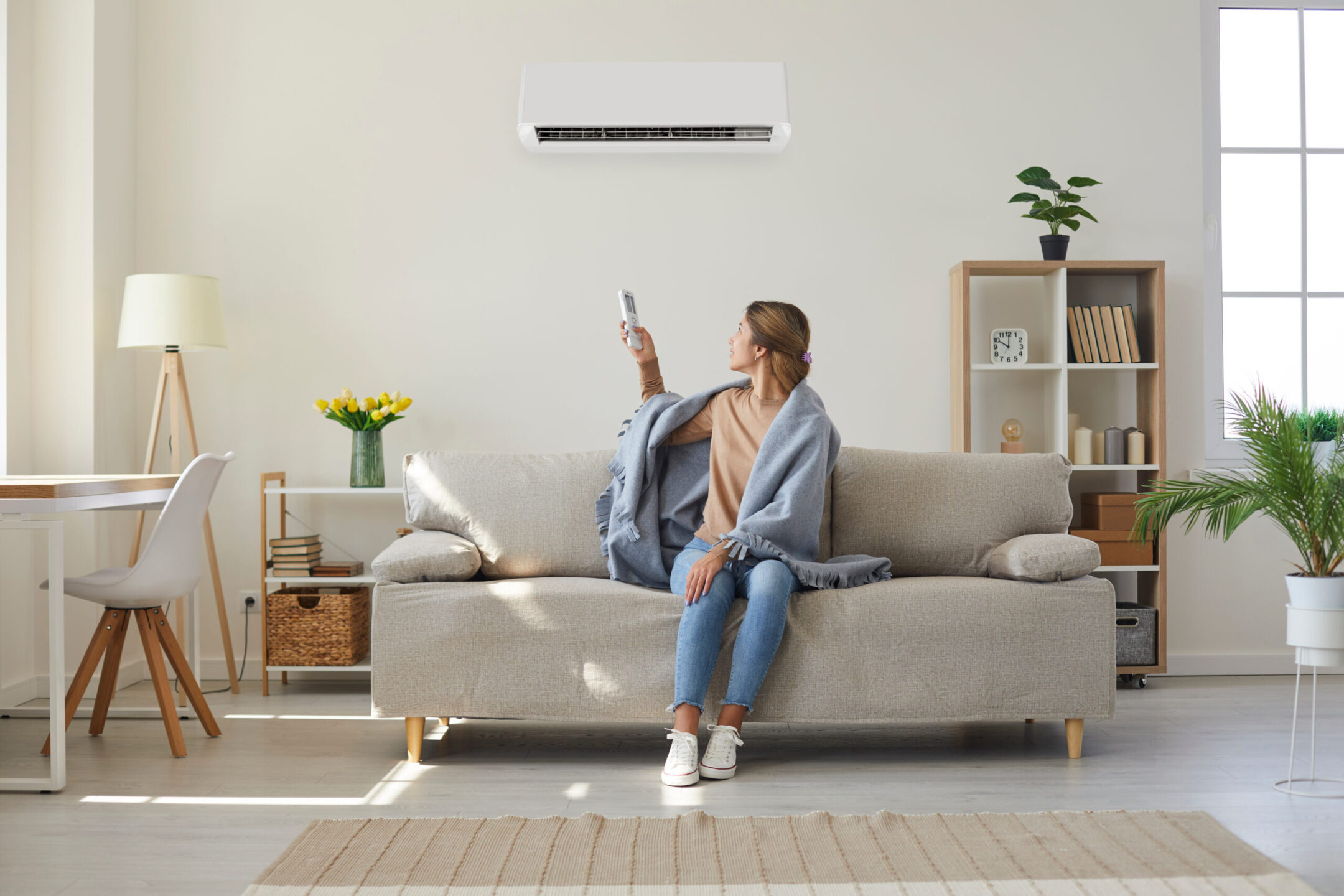
Many homeowners ask: is it cheaper to keep ac at constant temperature, or should you adjust it throughout the day? It’s a common question, especially during hot summer months when energy bills start to rise. While keeping your home at a constant inside temperature may feel more comfortable, it is not always the most efficient approach. The answer depends on how your HVAC system works, your daily routine, and how your home retains cool air over time.
Understanding how your air conditioner usage affects your home can help you:
- Lower energy costs: Reduce unnecessary cooling throughout the day
- Improve efficiency: Support better overall energy efficiency
- Maintain comfort: Keep your home at a consistent inside temperature when needed
- Avoid wasting electricity: Prevent overuse when no one is home
In areas like Frederick, MD, where temperatures and humidity fluctuate, knowing how to manage your air conditioning system can make a noticeable difference in both comfort and cost.
7 Reasons to Keep AC at Constant Temperature or Adjust It
There is no universal answer, but these seven factors will help you determine the best approach for your home and lifestyle while managing your HVAC system efficiently.
1. Constant Temperature Increases Energy Use Over Time
Keeping your air conditioner at a constant temperature means your system runs regularly throughout the day, even when it is not necessary. This leads to higher overall electricity usage because your system is constantly working to fight heat gain inside your house and maintain a steady inside temperature.
- Continuous cooling: Keeps system running longer
- Higher electricity use: Adds up over time
- Limited flexibility: Reduces chances to save
Allowing your temperature to rise slightly during the day can help reduce unnecessary usage.
2. Temperature Adjustments Help Reduce Energy Costs
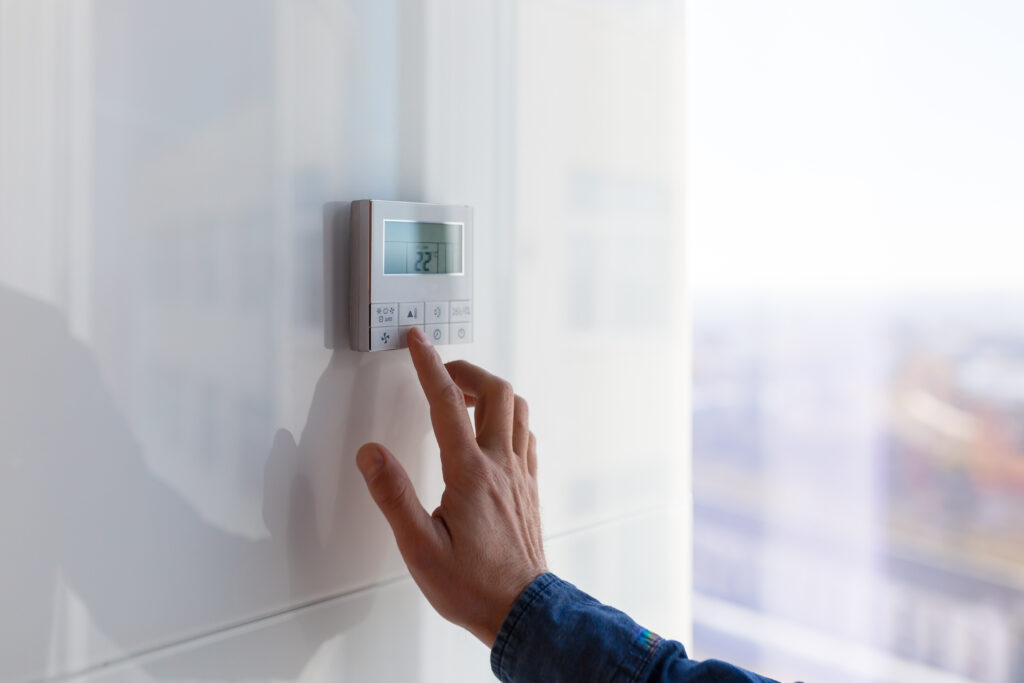
One of the most effective ways to save money is adjusting your thermostat when you are not home. Even a small increase in temperature reduces how often your air conditioner needs to run and lowers overall energy costs.
- Raise temperature when away: Reduces cooling demand
- Lower runtime: Decreases system workload
- Improved energy efficiency: Supports long-term savings
Using a smart thermostat makes this process automatic and consistent.
3. Insulation Determines How Effective Each Strategy Is
Your home’s insulation plays a major role in whether maintaining a constant temperature is efficient. A well-insulated house slows down heat gain and keeps cool air inside longer, while poor insulation allows warm air to enter quickly and forces your HVAC system to work harder.
- Strong insulation: Maintains indoor comfort longer
- Weak insulation: Causes rapid temperature changes
- Air leaks: Increase cooling demand
If your home loses cool air quickly, constant cooling may seem easier but often leads to higher energy consumption.
4. System Type and Age Matter
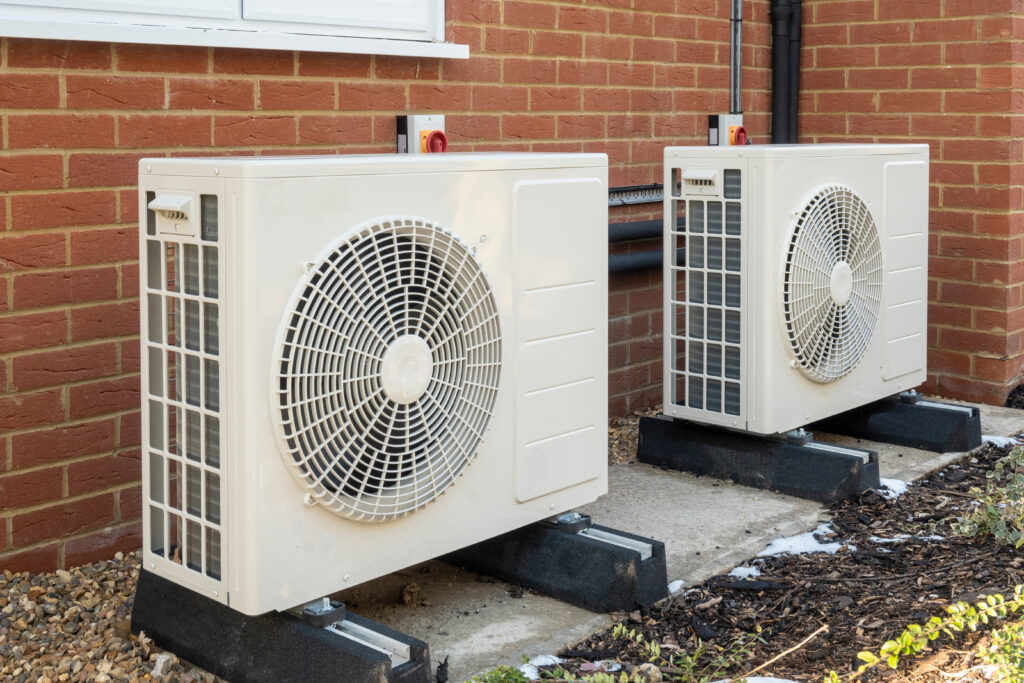
Not all systems operate the same way, and the type of equipment you have will impact efficiency. Newer systems, including heat pumps, are designed to run more efficiently and maintain a steady inside temperature, while older AC units and even a furnace used in colder seasons may consume more electricity when running continuously.
- Modern systems: Better efficiency and control
- Older units: Higher operating costs
- Variable-speed systems: Adjust output as needed
Understanding your system helps you choose the right temperature strategy.
5. Humidity Levels Affect Comfort More Than Temperature
Many homeowners overlook the role humidity plays in comfort. Your air conditioner removes moisture from the air, and maintaining a steady temperature can help control indoor humidity levels, though it may not always be the most efficient option.
- Lower humidity: Improves comfort
- High moisture levels: Make rooms feel warmer
- Balanced settings: Maintain comfort without overuse
Managing humidity effectively can allow you to set your thermostat slightly higher without sacrificing comfort.
6. Daily Schedules Should Guide Your Settings
Your routine plays a major role in determining the most efficient way to run your air conditioning system. Homes that are occupied throughout the day benefit more from consistent cooling, while empty homes can reduce electricity use by adjusting temperatures.
- Stay-at-home households: Benefit from stable temperatures
- Empty homes: Can reduce cooling during the day
- Evening schedules: Allow pre-cooling before arrival
Matching your system to your schedule helps avoid wasting energy.
7. Overcooling Leads to Unnecessary Costs
Setting your air conditioner too low or maintaining a constant low temperature can lead to unnecessary energy use. Many homeowners assume lower settings will cool the house faster, but this only causes the system to run longer and increases electricity usage.
- Lower settings: Do not cool faster
- Longer runtime: Increases wear and energy use
- Higher bills: Result from overcooling
Keeping moderate settings helps maintain efficiency and reduces strain on your system.
When Keeping a Constant Temperature Makes Sense
There are situations where maintaining a steady inside temperature is the better option, especially in homes where comfort needs to remain consistent throughout the day. Households with pets, young children, or individuals who are home most of the time often benefit from a stable indoor environment that avoids large temperature swings and supports consistent energy efficiency.
- Occupied homes: Benefit from steady comfort
- Sensitive environments: Require consistent temperatures
- Humidity control: Supports indoor air quality
Even in these cases, small adjustments can still improve efficiency.
Common Mistakes to Avoid
Many homeowners unintentionally increase their energy costs by misunderstanding how air conditioning systems work. Small habits can lead to higher bills and unnecessary strain on your HVAC system over time.
Keeping the Temperature Constant All Day
Maintaining the same inside temperature all day, even when no one is home, often leads to unnecessary electricity use. Your system continues cooling an empty house, which increases energy consumption without providing any benefit.
Setting the Thermostat Too Low
Lowering the thermostat significantly does not cool your home faster, but it does force your air conditioner to run longer. This increases wear on components and leads to higher energy costs without improving performance.
Turning the System Off for Short Periods
Turning your AC system off completely for short trips can cause indoor temperatures to rise quickly. When you turn it back on, the system must work harder to cool the space, which can reduce energy efficiency and increase electricity use.
Skipping Regular Maintenance
Ignoring routine maintenance can reduce system efficiency and cause your HVAC system to work harder than necessary. Over time, this leads to higher energy bills and a greater risk of unexpected breakdowns.
How Regular Maintenance Impacts Efficiency
Even the best temperature strategy will not deliver results if your air conditioner is not properly maintained. Routine service ensures your system runs efficiently, maintains airflow, and responds properly to temperature changes while supporting long-term energy efficiency.
- Clean filters: Improve airflow
- System inspections: Identify issues early
- Efficient operation: Reduces energy consumption
- Consistent performance: Maintains comfort
Regular maintenance helps extend the life of your system and keeps your home comfortable year-round.
Frequently Asked Questions
When deciding whether it is cheaper to keep AC at a constant temperature, many homeowners have similar concerns about efficiency and comfort. Understanding how your system operates can help you make better decisions.
Is it cheaper to keep AC at constant temperature all day?
In most cases, no. Maintaining a constant temperature typically uses more electricity than adjusting it when you are away, especially during long periods of absence.
What temperature should I set when I leave the house?
Most homeowners find that raising the temperature by 5 to 10 degrees provides a good balance between comfort and energy savings.
Does turning the AC off completely save more money?
Only if you are gone for an extended period. For shorter trips, raising the temperature is usually more efficient than turning it off entirely.
Will changing the temperature frequently damage my system?
No, modern HVAC systems are designed to handle normal thermostat adjustments without excessive wear.
Stay Efficient With Smock Heating & Air
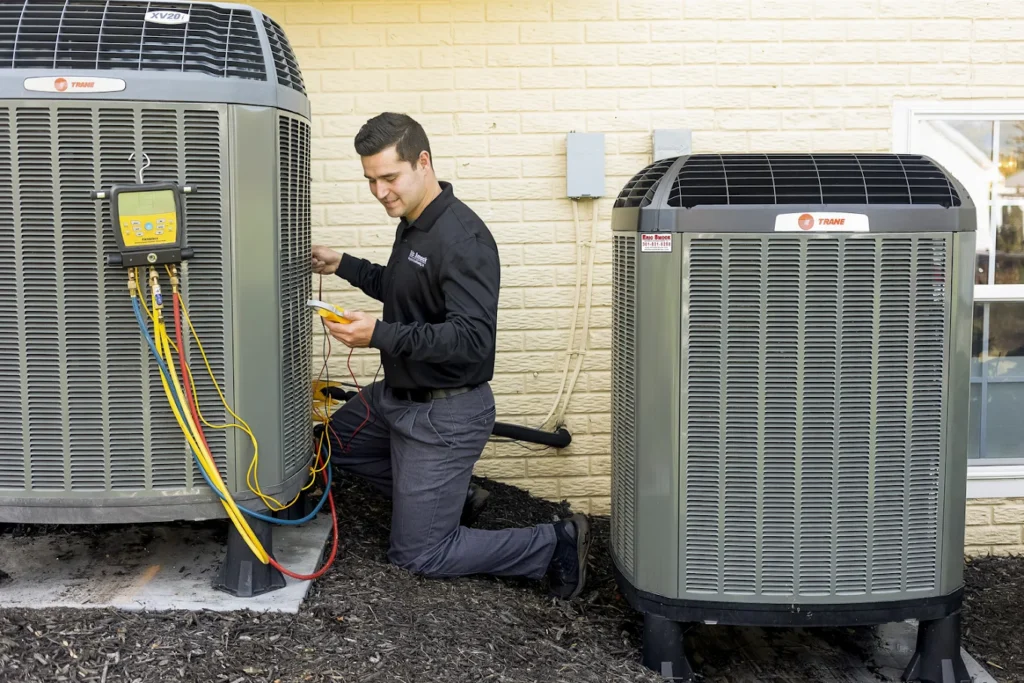
At Smock Heating & Air, we help homeowners find the right balance between comfort and efficiency so they can get the most out of their HVAC system. Whether you need help optimizing your smart thermostat, improving system performance, or scheduling maintenance, our team is here to help. Contact Smock Heating & Air today to keep your home comfortable while reducing energy costs year-round.

