



April 20, 2026
Is It Better to Keep the AC Running or Turn It Off? (6 Reasons)
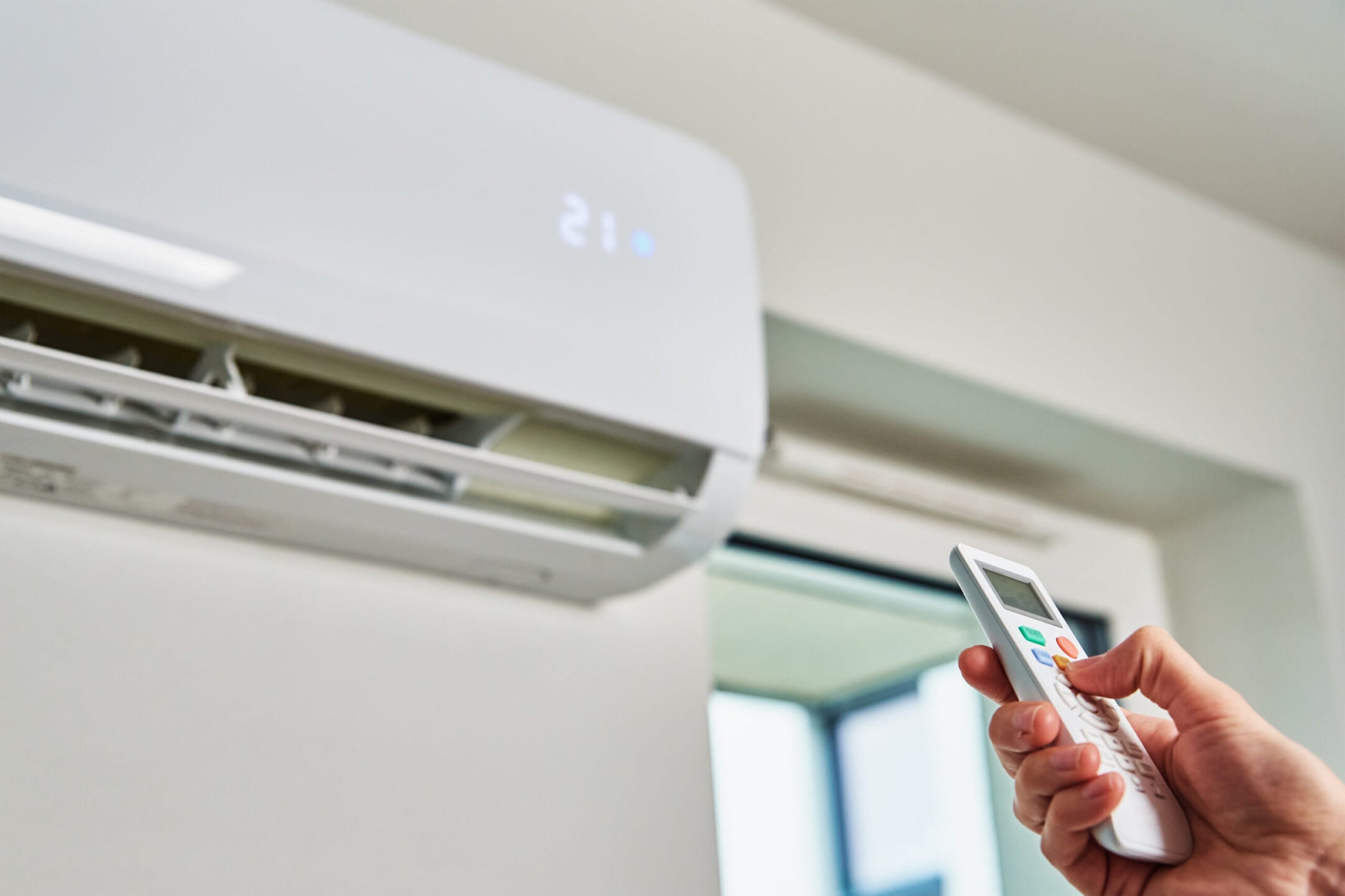
When it comes to home comfort and energy savings, many homeowners ask: is it better to keep ac running or turn off when you leave the house? It’s a simple question, but the answer depends on several important factors like your home’s insulation, your daily schedule, and how your hvac system performs under changing conditions. In a typical house, especially in places like Frederick, MD where summers bring both heat and humidity, managing your air conditioning properly can help save money while keeping indoor comfort consistent. Making the wrong choice repeatedly can increase energy consumption and lead to a higher electric bill over time.
Understanding how to balance efficiency and comfort will help you get the most out of your system without overworking it. This guide covers:
- When to keep your AC running
- When turning it off makes more sense
- How energy usage actually works
- Common mistakes homeowners make
- Practical strategies to save money
6 Reasons to Keep Your AC Running or Turn It Off
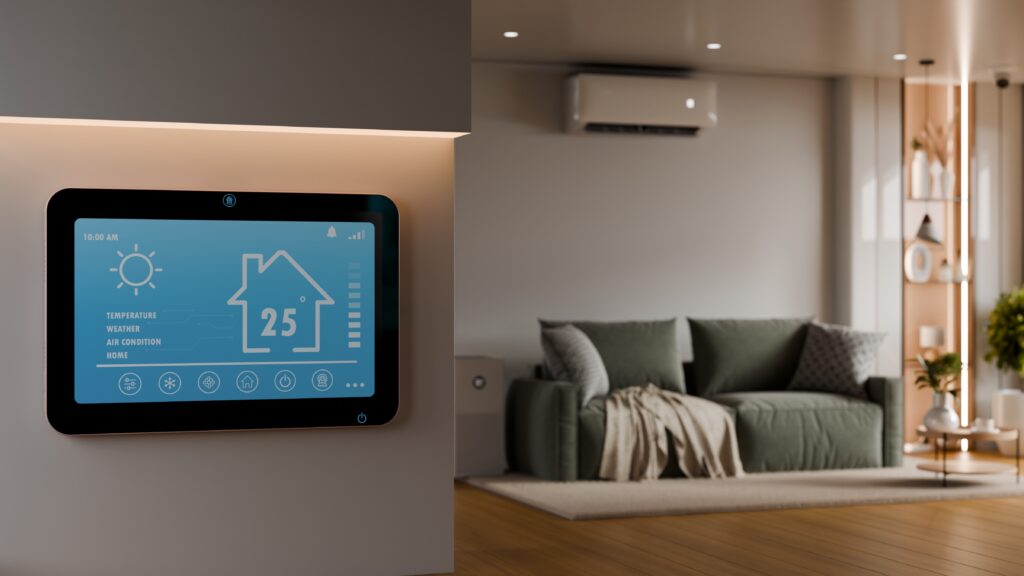
There is no one-size-fits-all answer, but these six factors will help you decide what works best for your home and lifestyle while keeping your ac system running efficiently.
1. Energy Efficiency Depends on Usage Time
One of the biggest misconceptions is that turning your air conditioner off always saves more energy, but in reality, the amount of time you are away matters most. If you leave for a short period, your house can experience heat gain quickly, and when you turn the system back on, it has to work much harder to restore a comfortable constant temperature, which can increase energy consumption in a short burst.
- Short trips (1–4 hours): Keep the air conditioner running at a higher temperature
- Long absences (8+ hours): Turning it off or raising the temperature saves more
- Stable settings: Help avoid extreme temperature swings
The goal is to avoid wasting energy by forcing your system to cool down an overheated space all at once.
2. Your Home’s Insulation Plays a Big Role
Your insulation determines how long your house can hold onto cooled air, making it one of the most important factors in deciding whether to keep your air conditioner running. Homes with strong insulation and sealed windows retain cool air much longer, while homes with poor insulation allow rapid heat gain, forcing your central air system to work harder when turned back on.
- Good insulation: Slows temperature changes
- Poor insulation: Causes rapid heat buildup
- Air leaks: Reduce overall efficiency
If your home warms up quickly, maintaining a steady temperature is often the better choice to control energy costs.
3. System Wear and Tear Matters
Your hvac system is designed to cycle on and off, but extreme patterns can lead to unnecessary wear on key components. Turning the system off and on frequently can strain parts like the compressor, while keeping the air conditioner running constantly at low temperatures can also increase wear over time.
- Frequent restarts: Add stress during startup
- Constant operation: Leads to longer run times
- Balanced use: Helps extend system lifespan
A balanced approach helps protect your ac units and reduces the likelihood of expensive repairs.
4. Humidity Control Is Often Overlooked
Your air conditioner does more than cool your house, it also removes moisture from the air, which plays a major role in overall comfort. If you turn your system off completely, humidity levels can rise quickly, especially during humid summer conditions, which can make your home feel warmer and increase the need for additional cooling.
- High humidity: Makes indoor air feel sticky
- Running system: Helps regulate moisture levels
- Balanced humidity: Improves comfort
Keeping your ac system running at a higher setting instead of turning it off can help manage both temperature and humidity.
5. Smart Thermostats Make a Big Difference
Modern technology makes it much easier to manage your system efficiently without constantly adjusting settings manually. A programmable thermostat allows you to automate temperature changes based on your schedule, helping your hvac system maintain comfort while reducing unnecessary energy use.
- Programmable thermostat: Adjusts temperatures automatically
- Remote control: Manage settings from anywhere
- Energy optimization: Reduces unnecessary runtime
This approach helps reduce energy costs while maintaining a comfortable indoor environment.
6. Your Daily Routine Matters Most
Your lifestyle plays a major role in determining the best approach for managing your air conditioning. Homes that are occupied throughout the day benefit from maintaining a consistent indoor temperature, while empty homes can allow for higher temperature settings without sacrificing comfort.
- Work-from-home households: Benefit from steady cooling
- Empty homes: Can raise temperatures during the day
- Evening routines: Allow pre-cooling before arrival
Matching your system use to your routine helps avoid wasting energy and improves overall efficiency.
Common Mistakes to Avoid
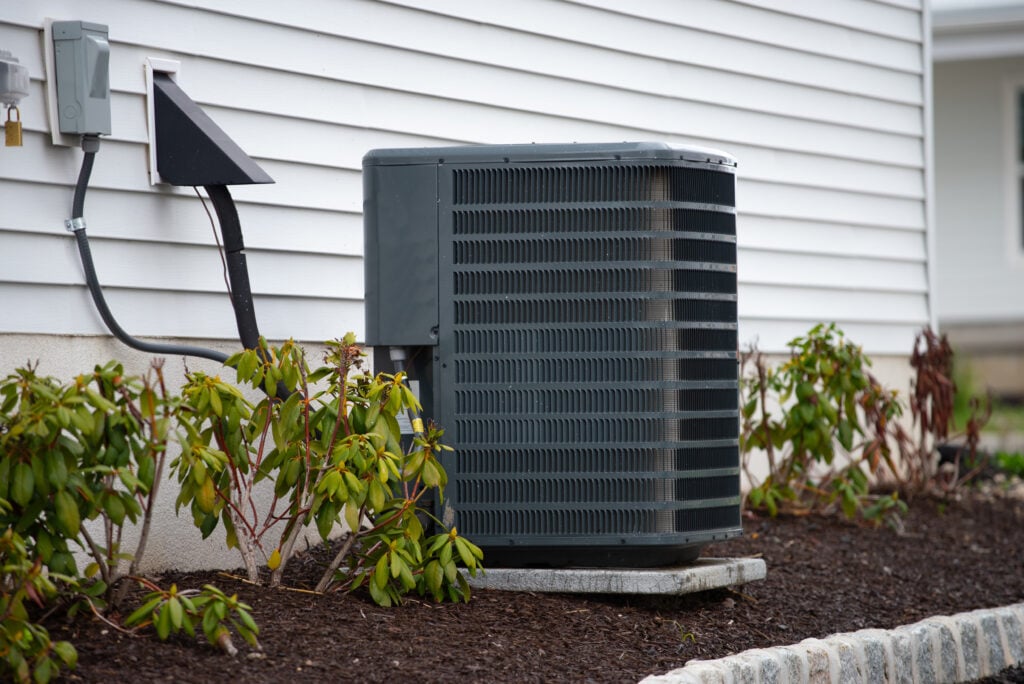
Many homeowners unintentionally increase their energy costs or put unnecessary strain on their hvac system by following outdated habits or assumptions about how air conditioning works. Small changes in behavior can have a big impact on your system’s performance and your monthly electric bill.
- Turning the system off for short trips
- Setting the thermostat extremely low to cool faster
- Ignoring indoor humidity levels
- Forgetting to adjust settings when leaving
- Skipping regular maintenance
Avoiding these mistakes helps your system operate more efficiently and reduces unnecessary energy consumption.
How Regular Maintenance Impacts Efficiency
Even the best temperature strategy will not work effectively if your air conditioner is not properly maintained. Routine service ensures your system runs efficiently, responds properly to thermostat adjustments, and maintains consistent airflow throughout your house. Dirty filters, clogged coils, and low refrigerant levels can all reduce performance and lead to higher energy consumption.
- Clean filters: Improve airflow
- System inspections: Catch issues early
- Proper refrigerant levels: Support efficient cooling
- Routine service: Keeps performance consistent
Regular maintenance helps reduce long-term energy costs and keeps your system running at peak efficiency.
Frequently Asked Questions
When deciding whether it is better to keep your AC running or turn it off, many homeowners have similar concerns about efficiency, comfort, and system performance. Understanding how your system behaves in real-world conditions can help you make better decisions.
Should I turn my AC off when I go on vacation?
For extended trips, it is usually better to raise the temperature rather than turn the system off completely, as this helps prevent excessive heat buildup and protects your home from humidity issues.
Does turning the AC off save money?
It can save money if you are away long enough, but for short periods, raising the temperature is usually more efficient than turning the system off entirely.
What temperature should I set when I’m not home?
Most homeowners find that setting the thermostat between 76°F and 80°F provides a good balance between comfort and energy savings.
Will my AC cool faster if I set the temperature lower?
No, your system cools at a consistent rate, so lowering the thermostat excessively will only make the system run longer, not faster.
Stay Efficient With Smock Heating & Air
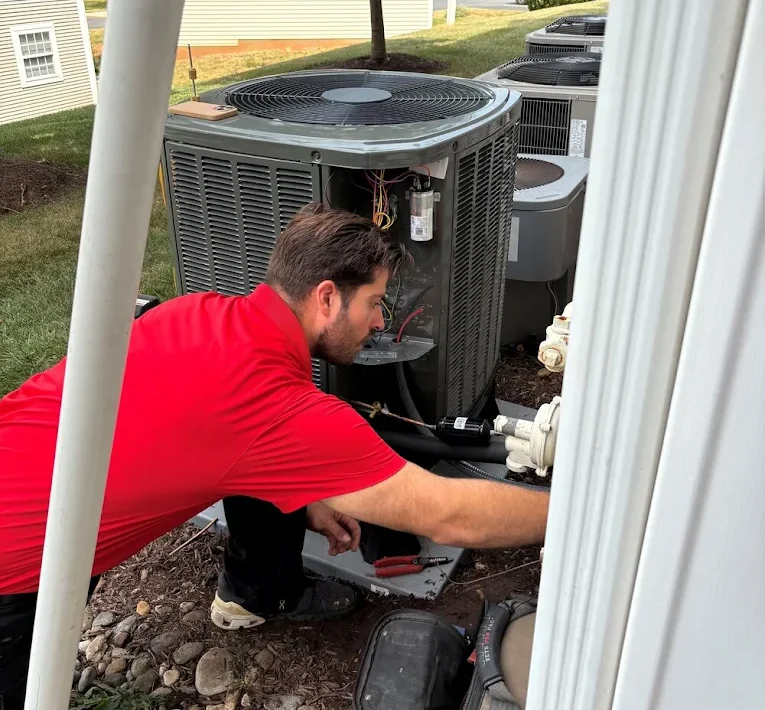
At Smock Heating & Air, we help homeowners make smarter decisions about their cooling systems so they can stay comfortable while improving efficiency. Whether you need a system tune-up, help optimizing your programmable thermostat, or expert advice on improving your hvac system performance, our team is here to help. Contact Smock Heating & Air today to schedule your service and keep your home comfortable all season long.

