



June 3, 2026
HVAC Upgrade Guide (7 Signs It’s Time to Invest)
Knowing when to invest in an HVAC upgrade can help homeowners avoid rising energy costs, inconsistent comfort, and unexpected breakdowns. While some heating systems continue operating for years, aging cooling equipment often becomes less efficient and more expensive to maintain over time. Whether your home relies on split systems, heat pumps, or a traditional furnace and air conditioner setup, recognizing the warning signs early can help you make a smarter long-term decision.
In this guide, you will learn:
- Signs your current system may need replacement: Common performance problems homeowners should not ignore
- How different types of HVAC systems affect efficiency: Understanding modern heating and cooling options
- The importance of professional HVAC installation: Why proper setup affects long-term performance
- How HVAC maintenance protects your investment: Improving efficiency and reliability over time
Why HVAC Upgrades Matter
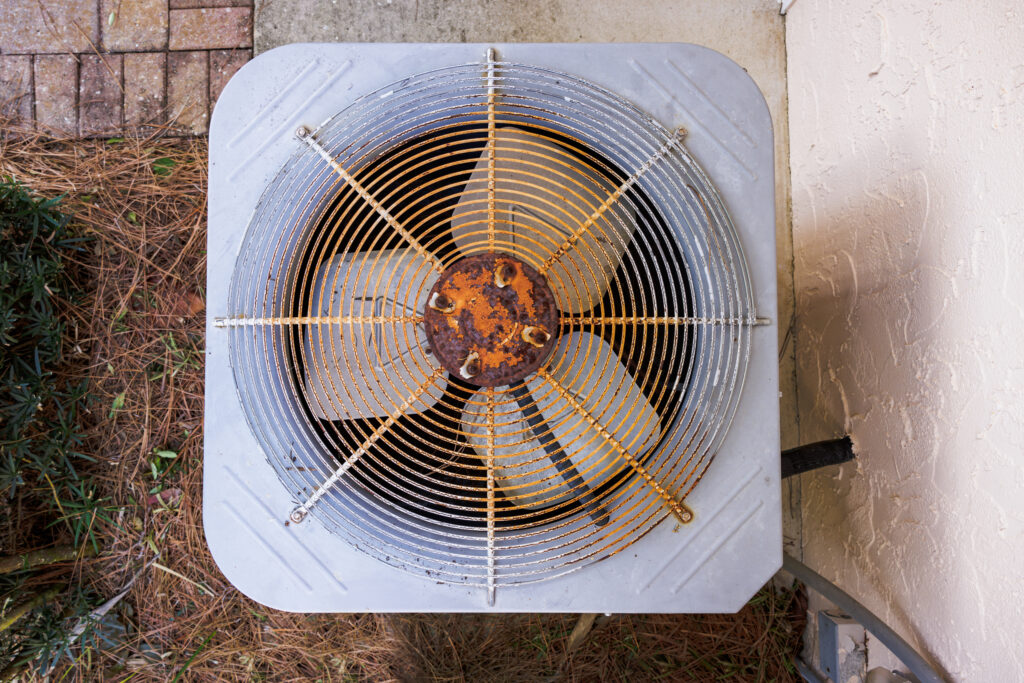
Your heating ventilation and air system affects everything from comfort and airflow to energy efficiency and indoor air quality. As systems age, important HVAC components like the air handler, cooling unit, ductwork, and indoor unit naturally experience wear and reduced performance. Over time, this can increase energy consumption, create airflow problems, and reduce your system’s ability to produce heat and cooled air consistently.
Homeowners often benefit from upgrading because newer systems can provide:
- Improved energy efficiency: Modern systems use less electrical power to maintain comfort
- Better indoor comfort: More balanced airflow and temperature control
- Enhanced indoor air quality: Improved air filters and air cleaner technology
- More reliable performance: Reduced repair frequency and fewer breakdowns
According to the U.S. Department of Energy, heating and cooling typically account for 43% of a home’s utility bill — making HVAC efficiency one of the biggest factors affecting long-term utility costs.
1. Your HVAC System Is More Than 15 Years Old
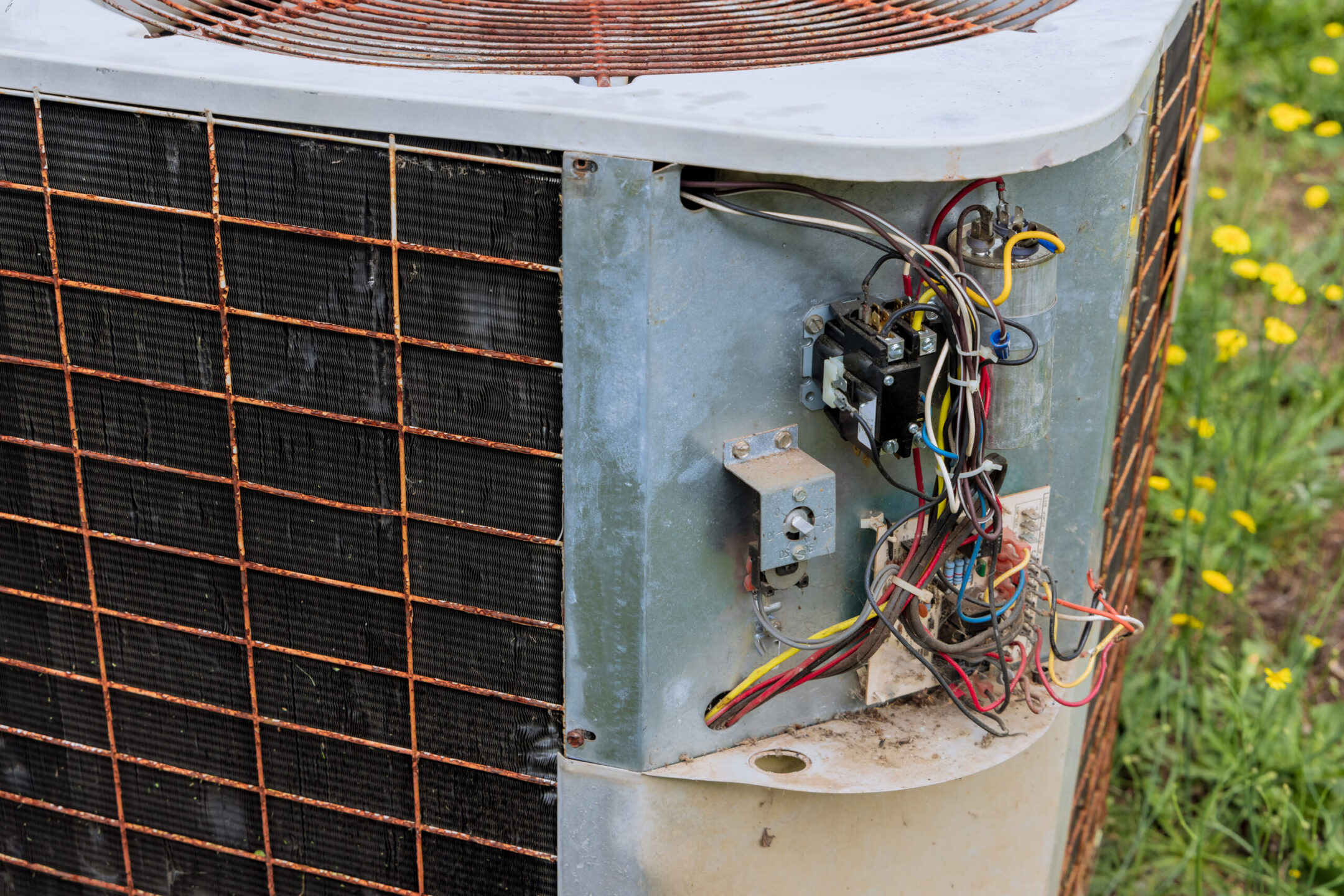
Most types of HVAC systems have a lifespan of around 15–20 years depending on maintenance and usage. As systems age, important HVAC components such as the heat exchanger, blower motor, and air handler begin wearing down.
Older systems often experience:
- Reduced airflow: Less consistent cooled air and warm air delivery
- Frequent cycling: Systems turn on and off more often
- Higher energy consumption: Older systems require more electrical power
An experienced HVAC technician can evaluate your complete system and determine whether repairs or replacement make more sense.
2. Energy Bills Continue Rising
If your heating and cooling costs continue increasing, your HVAC system may no longer be operating efficiently. Aging cooling equipment often works harder to maintain indoor temperatures, increasing utility expenses.
This may happen because of:
- Worn HVAC components: Reduced system performance
- Restricted airflow: Dirty air filters and poorly sized ductwork
- Outdated equipment: Older heating systems and cooling units use more energy
Upgrading to a modern system can improve efficiency and reduce long-term operating costs.
3. Your Current System Struggles to Maintain Comfort
Uneven temperatures throughout your home often signal declining system performance. Older split systems, furnaces, and heat pumps may struggle to circulate warm air and cooled air evenly across different rooms.
This may be caused by:
- Weak airflow: Problems with the air handler or ductwork
- Improper system sizing: A larger HVAC system may be needed for your home
- Indoor unit performance issues: Reduced heating and cooling output
Modern systems provide more balanced comfort and improved airflow management.
4. You Are Constantly Scheduling Repairs
Occasional repairs are expected, but frequent service calls often indicate a system nearing the end of its lifespan. Replacing aging equipment may become more cost-effective than continuing repairs.
Warning signs include:
- Recurring breakdowns: Ongoing repair expenses
- Multiple failing parts: Different HVAC components continue breaking down
- Repeated airflow issues: Inconsistent temperature control throughout the home
A newer system can improve reliability and reduce future repair needs.
5. Your HVAC Installation Is Outdated or Improper
Poor installation can create serious long-term issues for HVAC systems. Improper setup can reduce efficiency, shorten equipment lifespan, and even create safety concerns related to proper ventilation and airflow.
Professional HVAC installation is important because:
- Improper ductwork sizing affects airflow: Reduces system efficiency
- Incorrect refrigerant setup impacts cooling performance: Hurts energy efficiency
- Poor ventilation creates safety risks: Especially for gas-powered heating systems
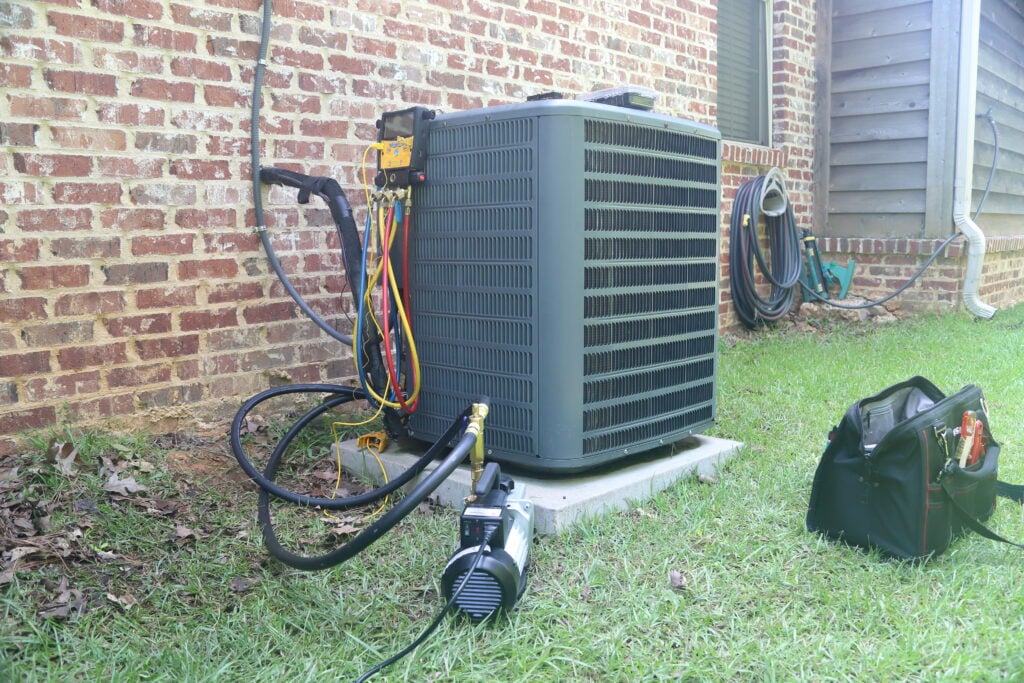
Installing an HVAC system is not a DIY project. Licensed air conditioning contractors help ensure systems meet building codes, maintain warranty protection, and operate safely.
6. Your Home May Benefit From a Different Type of HVAC System
Modern homeowners have access to several types of HVAC systems designed for different comfort needs, home layouts, and energy goals. In some cases, switching system types can improve efficiency and comfort significantly.
Split Systems
A split system is the most common central heating and air conditioning system in single-family homes. These systems use an outdoor cooling unit paired with an indoor unit to deliver cooled air and warm air throughout the home.
Ductless Mini-Split Systems
Ductless mini-split systems are ideal for older homes without existing ductwork. These systems include an outdoor condenser connected to one or more indoor units that can be individually controlled for customized comfort.
Dual-Fuel Heat Pump Systems
Dual-fuel systems combine an outdoor heat pump with an indoor gas furnace. These systems automatically switch between electric and gas operation depending on outdoor temperatures to improve efficiency and reduce energy consumption.
Packaged HVAC Systems
Packaged systems contain heating and cooling equipment in a single cabinet. These systems are commonly used in smaller homes where interior space for ductwork and indoor equipment is limited.
Ground Source Heat Pumps
Ground source heat pumps, also called geothermal systems, use stable underground temperatures to heat and cool homes efficiently. These systems help reduce the capacity needed for extreme seasonal temperatures while lowering long-term operating costs.
7. Your HVAC Components Are Showing Signs of Wear
An HVAC system depends on several major components working together efficiently. When these parts begin wearing out, overall system performance declines.
Important HVAC components include:
- Air conditioners and heat pumps: Provide cooled air and temperature control
- Furnaces and heat exchangers: Generate and distribute heat energy
- Air handlers: Circulate warm air and cooled air throughout the home
- Thermostats: Control system operation and temperature settings
- Ductwork: Distributes airflow across the home
A thermostat acts as the control center for your HVAC system, and modern smart thermostats offer scheduling, remote access, and energy monitoring features that improve efficiency and convenience.
Why HVAC Maintenance Still Matters
Even after upgrading your system, regular HVAC maintenance remains essential for protecting performance and efficiency. Proper maintenance helps reduce strain on important components while improving airflow and indoor air quality.
Routine maintenance helps:
- Improve efficiency: Cleaner systems operate more effectively
- Extend equipment lifespan: Reduces wear on major components
- Protect indoor air quality: Cleaner air filters and ductwork improve airflow
- Reduce repair frequency: Small issues are identified early
Routine inspections by qualified HVAC technicians help keep systems operating safely and efficiently over time.
Upgrade Your HVAC System With Confidence
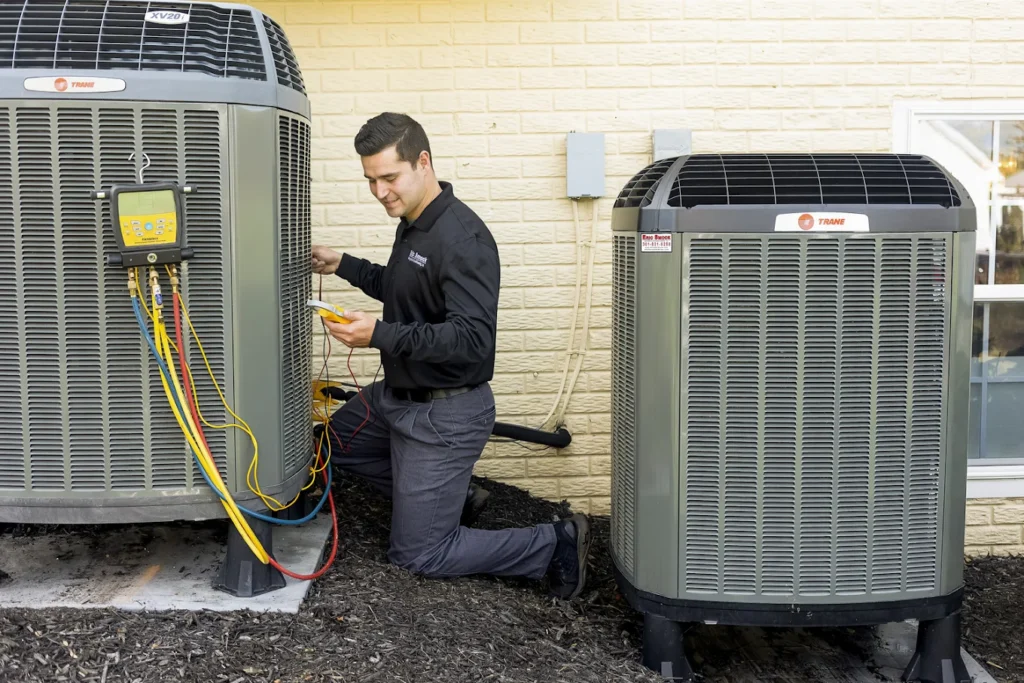
Recognizing the signs of an aging HVAC system can help you avoid expensive repairs, poor airflow, and rising utility costs. Whether your current air conditioner struggles to deliver cooled air, your heating systems no longer produce heat efficiently, or your existing setup lacks proper ventilation, investing in an HVAC upgrade can improve comfort, efficiency, and reliability throughout your home.
At Smock Heating & Air, our experienced team provides professional HVAC installation, system evaluations, and long-term maintenance solutions tailored to your home’s needs. From replacing aging cooling equipment to helping homeowners choose between different types of HVAC systems, we are here to help you make the right investment for long-term comfort and performance.
If your HVAC system is showing signs of decline, contact Smock Heating & Air today to schedule an evaluation and explore your upgrade options.

