



March 25, 2026
HVAC Troubleshooting Guide (6 Common Issues & Easy Fixes 2026)
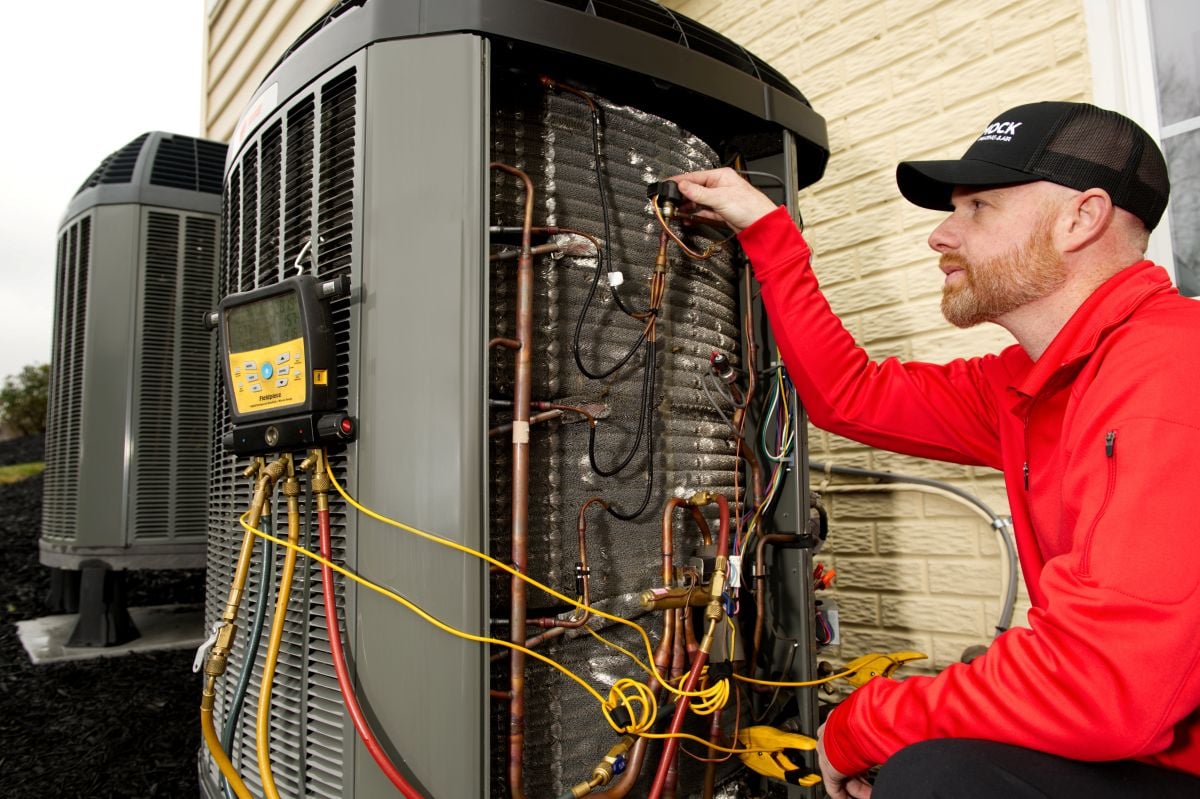
Dealing with heating or cooling problems can be frustrating, especially when comfort matters most. This hvac troubleshooting guide is designed to help homeowners quickly identify common issues and take practical steps toward a solution. Whether your system is blowing the wrong air or not turning on at all, understanding the basics can save time and stress. If things go beyond a quick fix, you can always explore more advanced options through professional heating and cooling support.
In this guide, you’ll learn:
- The most common HVAC problems homeowners face
- Simple troubleshooting steps you can try yourself
- Signs that indicate a bigger system issue
- Preventative tips to avoid future breakdowns
Why HVAC Troubleshooting Matters for Every Homeowner
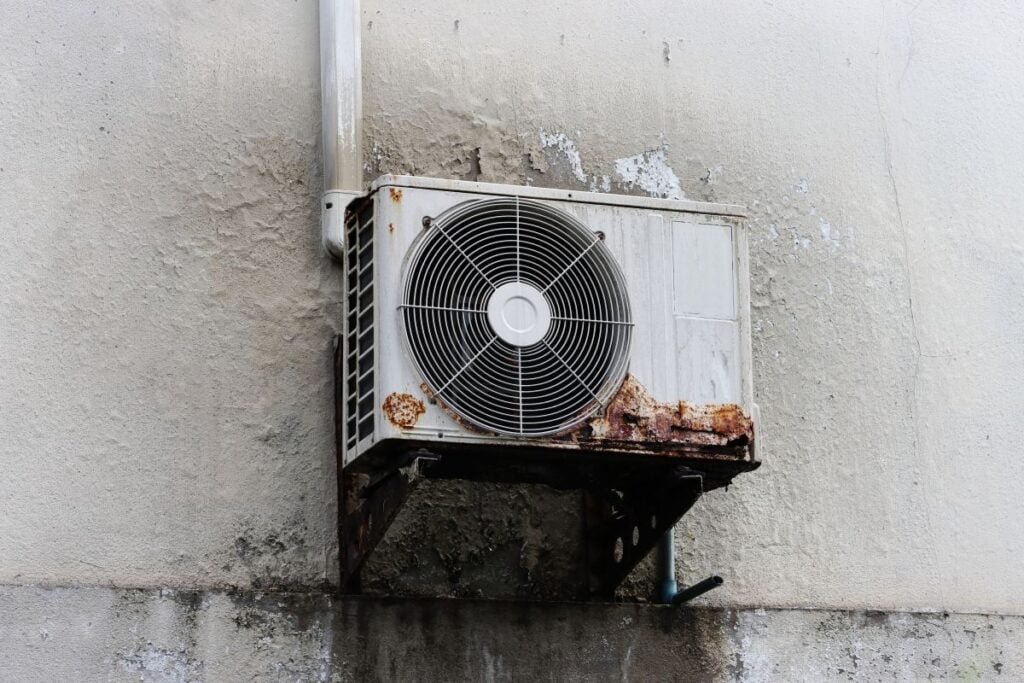
Your HVAC system plays a critical role in maintaining comfort, air quality, and energy efficiency throughout your home. When something goes wrong, it impacts more than just temperature. Taking the time to troubleshoot issues early can help you avoid unnecessary repairs and extend the life of your system.
Here’s why understanding HVAC troubleshooting is so valuable:
- Cost Savings: Catching small issues early can prevent expensive repairs or premature system replacement.
- Improved Comfort: Quick fixes can restore consistent temperatures and eliminate hot or cold spots.
- Energy Efficiency: A properly functioning system uses less energy, which can reduce monthly utility bills.
- System Longevity: Regular attention and troubleshooting can help your HVAC system last longer.
- Peace of Mind: Knowing how to handle minor issues gives you confidence during unexpected breakdowns.
For homeowners in Urbana, MD and surrounding areas, seasonal temperature swings make HVAC reliability essential throughout the year.
6 Common HVAC Issues and How to Fix Them
Many HVAC problems share similar root causes. Before calling for service, it’s worth walking through these common issues and potential solutions. These steps can often restore functionality quickly or at least help you better understand what’s going wrong.
1. HVAC System Won’t Turn On
When your system doesn’t respond at all, it can feel like a major issue. However, many times the cause is something simple.
Start by checking:
- Thermostat settings and ensuring it’s set to heat or cool
- Dead batteries in the thermostat
- Circuit breaker for any tripped switches
- The power switch near your indoor unit
If everything appears normal and the system still won’t start, the issue may involve internal wiring or components that require professional attention.
2. Weak or Limited Airflow
If air is coming out of your vents but feels weak, your system may be struggling to circulate air properly.
Common causes include:
- Dirty or clogged air filters
- Blocked vents or registers
- Issues with ductwork
Replacing your air filter is often the fastest fix. If airflow doesn’t improve, duct issues or blower problems could be the cause.
3. HVAC Blowing the Wrong Temperature
If your system is running but not producing the correct temperature, it may not be functioning efficiently.
Check for:
- Incorrect thermostat settings
- Low refrigerant levels in cooling mode
- Dirty coils or components
For heating issues, it could be related to burners or heat exchangers. For cooling problems, refrigerant issues are often the culprit and require professional service.
4. System Constantly Turns On and Off
Short cycling is when your HVAC system frequently starts and stops without completing a full cycle.
This can be caused by:
- Dirty air filters restricting airflow
- Thermostat placement issues
- Oversized HVAC systems
Short cycling reduces efficiency and increases wear on your system. Addressing airflow and thermostat concerns can often resolve the issue.
5. Unusual Noises or Smells
Strange sounds or odors are often early warning signs of a problem.
Pay attention to:
- Banging or rattling noises, which may indicate loose components
- Squealing sounds, often related to belts or motors
- Burning smells, which could signal electrical issues
These symptoms should not be ignored, as they can quickly lead to more serious damage if left unaddressed.
6. Rising Energy Bills Without Explanation
If your energy bills are increasing without a change in usage, your HVAC system may be losing efficiency.
Possible reasons include:
- Dirty filters or coils
- Aging system components
- Leaky ductwork
Monitoring your energy usage can help you catch inefficiencies early and take corrective action before costs escalate further.
Smart Troubleshooting Tips Every Homeowner Should Know
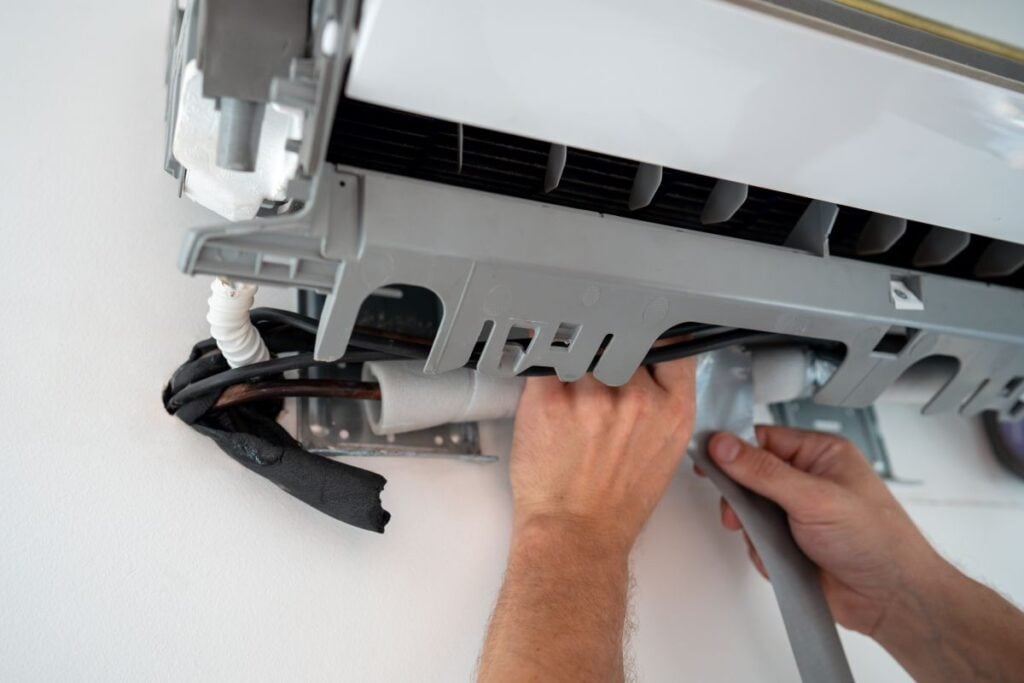
Beyond fixing immediate problems, there are smart habits that can help you troubleshoot more effectively and avoid recurring issues. These small actions can make a big difference in system performance.
Understand Your System’s Basics
Knowing whether you have a heat pump, furnace, or central AC system helps you troubleshoot more accurately. Each system operates differently and may require different approaches.
Keep a Maintenance Routine
Routine care is one of the best ways to prevent issues before they start.
Key habits include:
- Changing air filters regularly
- Scheduling seasonal inspections
- Keeping outdoor units clear of debris
Homeowners in Urbana, MD and surrounding areas benefit greatly from seasonal maintenance due to fluctuating weather conditions.
Use Your Thermostat Wisely
Your thermostat is the control center of your HVAC system. Improper settings can cause unnecessary strain.
Consider:
- Upgrading to a programmable or smart thermostat
- Avoiding frequent manual adjustments
- Setting consistent temperature schedules
Pay Attention to Early Warning Signs
Minor issues often appear before major breakdowns.
Watch for:
- Uneven temperatures
- Slight increases in energy bills
- Changes in airflow or noise
Catching these signs early can prevent more serious problems down the road.
DIY Fixes vs. Professional Repairs: What’s the Right Move?
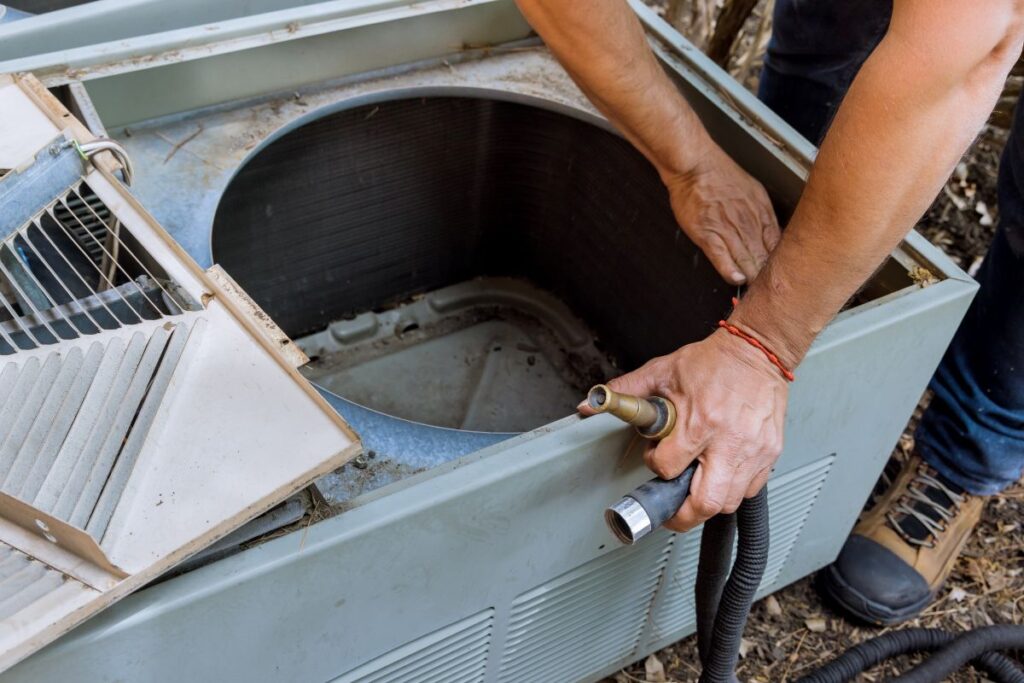
Not every HVAC issue requires a professional, but knowing the difference is key to avoiding bigger problems. Some fixes are safe and simple, while others should be handled by trained technicians.
When DIY Makes Sense
You can safely handle:
- Replacing air filters
- Resetting breakers
- Adjusting thermostat settings
- Clearing vents and debris
These tasks are low-risk and often solve common problems quickly.
When to Call a Professional
Professional help is necessary when dealing with:
- Refrigerant issues
- Electrical problems
- Persistent system failures
- Strange smells or loud noises
Attempting complex repairs without proper knowledge can lead to further damage or safety risks.
Quick Comparison
| Situation | DIY Solution | Professional Needed |
| Dirty air filter | Yes | No |
| Thermostat issue | Yes | Sometimes |
| Refrigerant leak | No | Yes |
| Electrical malfunction | No | Yes |
| Loud mechanical noise | No | Yes |
For homeowners in Urbana, MD and surrounding areas, having a trusted professional to call when needed ensures faster, safer resolutions.
Keep Your HVAC System Running Strong Year-Round
HVAC issues rarely fix themselves, and waiting too long can turn a small problem into a costly repair. By understanding common issues and knowing how to respond, you can maintain comfort and efficiency throughout your home.
If troubleshooting hasn’t resolved the issue, the team at Smock HVAC is ready to help. From quick diagnostics to long-term solutions, you can contact us today to restore comfort and confidence in your system.
With reliable service available in Urbana, MD and surrounding areas, you don’t have to deal with HVAC problems alone.

