




February 18, 2026
HVAC Repair Cost Breakdown: 6 Tips to Save This 2026
If your HVAC system isn’t working like it should, you’re probably wondering how much it will cost to fix. The truth is, hvac repair cost can vary significantly depending on the issue, the age of your system, and how quickly you act.
In this updated 2026 guide, we’ll walk you through:
- What causes HVAC repair prices to rise
- Real cost ranges for common fixes
- 6 strategies to reduce what you pay
- Smart homeowner moves that make a long-term difference
What Affects the Cost of HVAC Repairs?
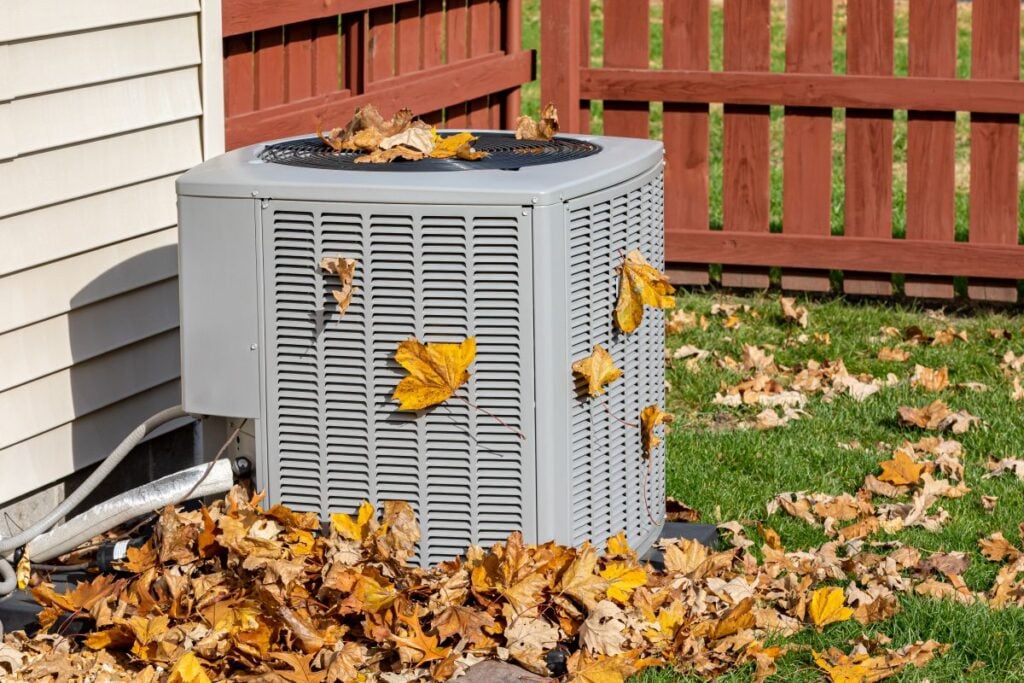
HVAC repair bills aren’t random — they depend on specific details about your system, the issue at hand, and the time you request service. A simple thermostat replacement might cost a couple hundred dollars, while a compressor or heat exchanger issue can run into the thousands. Being aware of these drivers helps you prepare and avoid surprises.
The most common cost factors include:
- Age of the system: Older units often break down more and require hard-to-find parts.
- Type of repair: A blower motor or heat exchanger costs far more than minor repairs like replacing a capacitor.
- Season and urgency: Emergency service during peak heating or cooling months can add to the price. Learn more about what to expect during an HVAC emergency repair.
- Location of equipment: Units in crawlspaces or attics may require extra labor.
- System complexity: Heat pumps and dual-zone systems often come with higher repair costs.
Regular, routine maintenance helps catch minor issues before they become major failures, preventing unexpected breakdowns and potentially costly repairs. Proper servicing of your HVAC system can significantly reduce the likelihood of expensive problems down the road.
Typical HVAC Repair Costs in 2026
To help you plan ahead, here’s a breakdown of the average costs for common HVAC repairs:
| Repair Type | 2026 Estimated Range |
| Thermostat Replacement | $150 – $400 |
| Blower Motor Repair | $300 – $800 |
| Refrigerant Recharge/Leak | $200 – $1,500+ |
| Heat Exchanger Replacement | $500 – $2,000+ |
| Capacitor/Contactor Repair | $120 – $350 |
| Circuit Board Replacement | $250 – $700 |
| Fan or Belt Replacement | $100 – $350 |
For some homes, duct cleaning or airflow balancing may also be recommended after a repair — which adds to the overall labor costs but can improve efficiency and longevity of the hvac unit.
6 Ways to Keep HVAC Repair Costs Down
Here’s how you can reduce the likelihood of large repair bills and avoid overpaying for HVAC services in 2026.
1. Be Proactive With Maintenance
Regular checkups can prevent small issues from turning into major, costly breakdowns. Annual service helps ensure your system is operating safely and efficiently year-round. Staying on top of furnace maintenance is one of the best ways to avoid expensive surprises.
- Schedule spring and fall tune-ups: Keeps your system ready before peak use
- Clean components = lower energy use: Helps reduce wear on motors and belts
- Extend system life: Well-maintained systems last several years longer
2. Know Your Filters
Your air filter plays a bigger role than you might think. Ignoring it can lead to reduced airflow, higher energy bills, and avoidable repairs.
- Replace every 1–3 months: Depending on filter type and usage
- Check visually: If it looks dirty, it is
- Consider upgrades: High-efficiency filters improve indoor air and protect parts better
3. Don’t Ignore Strange Sounds or Smells
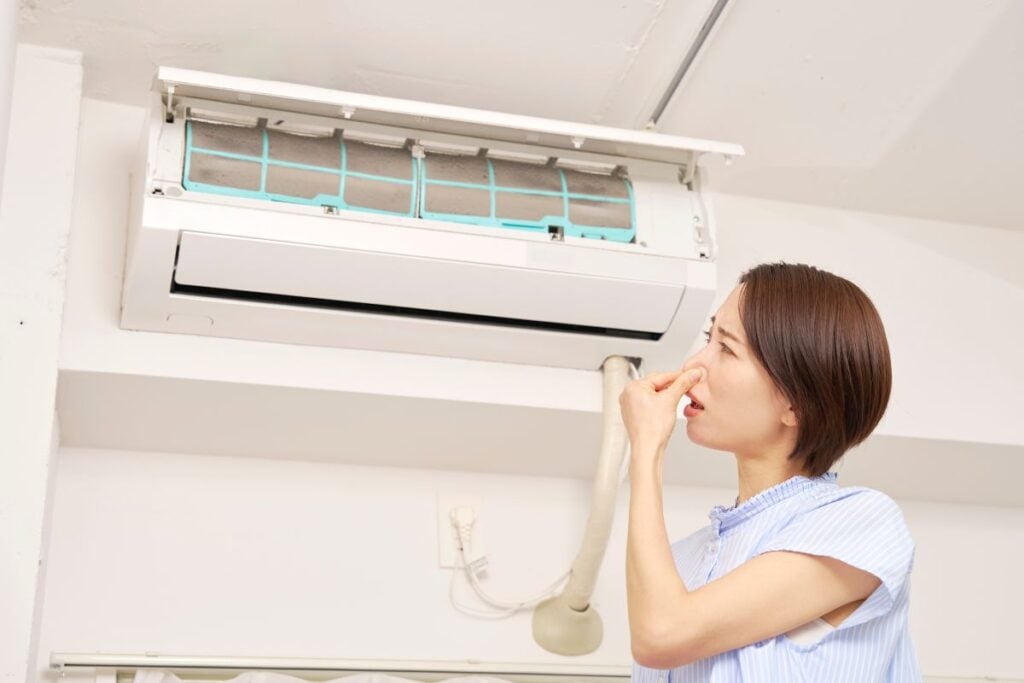
Odd noises or smells are your system’s way of warning you. Addressing them early could save you hundreds in future repairs.
- Buzzing or clicking: Could mean electrical failure
- Sour or musty odor: Often indicates mold on coils or within ducts
- Rattling: Loose parts that can quickly damage surrounding components
4. Ask Questions Before Approving Repairs
Don’t hesitate to get clarity before saying yes to a costly fix. A reputable contractor will always explain your options.
- Request a line-item breakdown: Know what each charge covers
- Inquire about warranty coverage: Some parts are still protected
- Ask if it’s urgent: Not every fix is needed same-day
5. Plan for Repair vs. Replacement
If your hvac unit is over 12 years old and needs a major part, a replacement may be more cost-effective in the long run.
According to the U.S. Department of Energy, upgrading from a 10+ year old system to a high-efficiency model can reduce your energy use by 20% to 40%, which helps lower overall operating and maintenance costs.
6. Choose the Right Service Partner
- Certified professionals: Ensure safe, accurate diagnosis
- Good local reputation: Check reviews and referrals
- Transparent pricing: No hidden fees or surprise charges
Look for a licensed hvac technician with experience servicing your specific type of system, whether it’s a heat pump, furnace, or central ac unit.
A Better Long-Term Strategy: System Care and Budget Planning
Most homeowners don’t budget for HVAC repairs — but setting aside $200 to $300 annually can make surprise fixes less stressful. Preventive maintenance plans are another smart move. Many HVAC companies offer service memberships that include routine maintenance, discounts, and priority scheduling — potentially

