



March 18, 2026
HVAC Noises Explained: 8 Whys & Sounds You Should Never Ignore
Strange hvac noises are often the first warning sign that something is wrong with your heating and cooling system. While some sounds are completely normal, others can signal loose components, airflow problems, or even major mechanical failure. In places like Hagerstown, MD, where systems run heavily during both winter and summer, paying attention to unusual sounds can prevent expensive repairs and avoid the need for major professional repair.
Understanding common hvac noises helps you:
- Catch small problems early: Prevents minor issues from becoming costly repairs
- Protect major components: Compressors, motors, and heat pump systems are expensive to replace
- Maintain efficiency: Quiet systems usually operate more smoothly and deliver cool air consistently
- Avoid emergency breakdowns: Early action reduces system stress
Below are eight common HVAC sounds you should never ignore and what they typically mean.
8 HVAC Noises and What They Really Mean
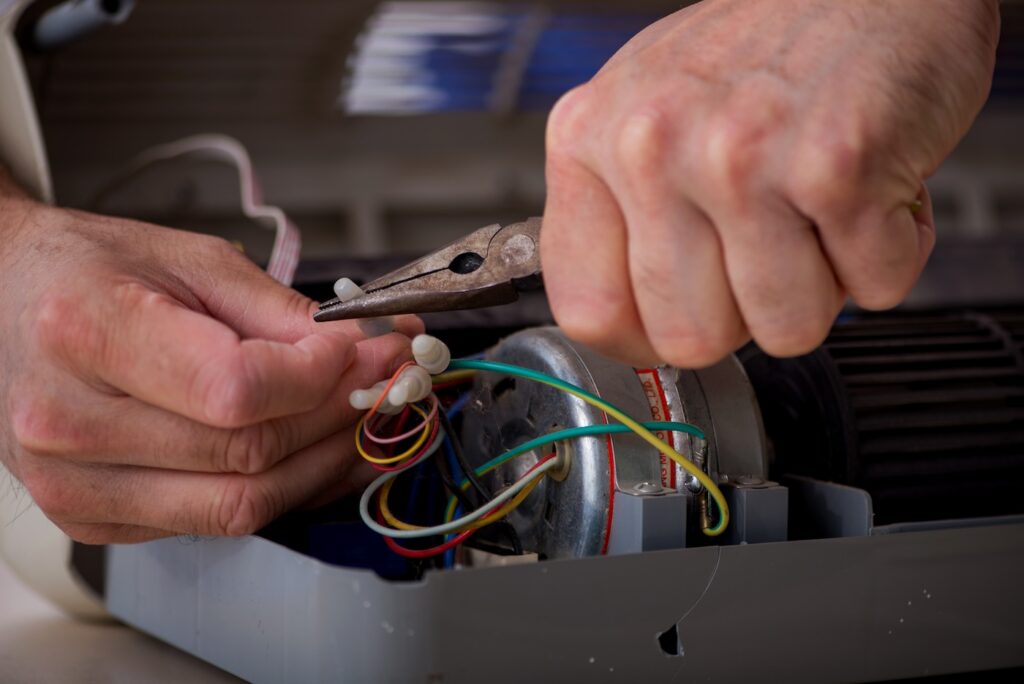
Not all sounds are cause for alarm. However, consistent, loud, or sudden strange noises often point to a mechanical or airflow issue that should be inspected by a qualified hvac technician.
1. Banging or Clanking
A loud banging or clanking sound often indicates a loose or broken component inside the system. In an air conditioning system, this can signal a failing compressor, blower assembly issue, or internal imbalance.
- Loose parts: Components may have come unfastened
- Broken motor mounts: Can cause internal movement
- Compressor issues: May require immediate professional repair
Ignoring banging sounds can lead to additional damage if parts continue to collide during operation.
2. Buzzing
A buzzing noise is commonly linked to electrical problems or loose wiring. It may also indicate a failing capacitor, contactor, or even an issue with the fan unit inside your air conditioning system or heat pump.
- Loose electrical connections: Can create vibration sounds
- Failing capacitor: Often prevents system startup
- Refrigerant imbalance: Sometimes causes humming or buzzing
Electrical problems should always be handled by a licensed hvac technician to prevent safety hazards.
3. Screeching or Squealing
A high-pitched screeching noise usually comes from a worn belt or motor bearing. This type of screeching noise is especially common in older systems that rely on belt-driven components or in the furnace’s blower assembly during heavy use.
- Blower motor bearings: May need lubrication or replacement
- Loose belt: Can slip and cause noise
- Motor strain: Indicates potential failure
Prompt service prevents complete motor breakdown and helps maintain steady airflow throughout your home.
4. Rattling
Rattling sounds are often caused by loose panels, screws, or debris inside the unit. In more serious cases, it can indicate a cracked heat exchanger in a furnace system.
- Loose access panels: Simple tightening may solve the issue
- Debris in outdoor unit: Leaves or sticks can vibrate
- Heat exchanger damage: Requires immediate inspection
If rattling worsens or is paired with warm air blowing from vents when the system should be cooling, schedule service quickly.
5. Hissing
A hissing sound may indicate an internal refrigerant leak or pressure imbalance. In rare cases, a sharp hissing combined with a sulfur smell could signal a gas leak, which requires immediate shutdown and emergency service.
- Internal refrigerant leak: Affects cooling power and efficiency
- Leaking air duct: Can produce similar sounds and reduce airflow
- Valve or line damage: May impact refrigerant pressure
Refrigerant problems often require professional repair to avoid compressor damage.
6. Clicking
Some clicking during startup or shutdown is normal. However, a persistent clicking sound can signal a control board, relay, or thermostat issue within your hvac system.
- Relay problems: May prevent proper startup
- Faulty thermostat wiring: Disrupts system communication
- Control board failure: May require professional repair
Repeated clicking without system startup is not normal and should be inspected.
7. Whistling
A whistling noise often points to airflow restrictions within the ductwork. This can happen when air filters are clogged, vents are blocked, or a leaking air duct allows pressure to escape.
- Dirty air filter: Restricts airflow
- Closed or blocked vents: Creates pressure imbalance
- Cold metal ducts: Temperature differences can sometimes cause expansion noises
Replacing filters and scheduling regular maintenance helps prevent airflow-related sounds.
8. Grinding
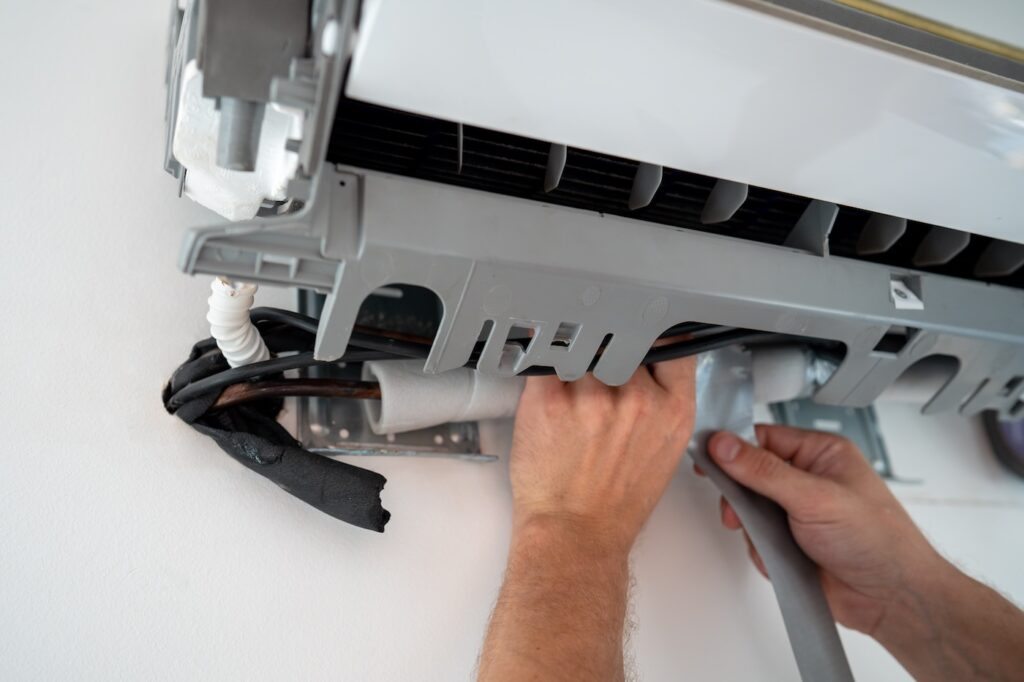
Grinding is one of the most serious noises and often indicates motor failure or metal-on-metal contact inside the system. A loud grinding noise may come from failing bearings or a damaged fan unit.
- Worn bearings: Cause internal friction
- Motor damage: May require replacement
- Severe component wear: Needs immediate shutdown
If you hear grinding, turn off your system and call for professional repair to prevent further damage.
Common Misconceptions About HVAC Noises
Strange noises from your heating or cooling system can be confusing. Many homeowners assume certain sounds are harmless, but misunderstanding them can lead to bigger problems over time.
Loud Means Powerful
Some homeowners believe that if their system is loud, it simply means it is working harder and delivering stronger cooling or space heating. In reality, most modern hvac systems are designed to operate quietly. Excessive noise often signals airflow restrictions, mechanical wear, or electrical strain.
It Will Go Away on Its Own
Another common belief is that unusual noises will resolve without intervention. Mechanical and electrical issues rarely fix themselves. Instead, they often worsen and may eventually require professional repair.
If It Is Still Cooling, It Is Fine
Many homeowners assume that if the air conditioning system is still producing cooled air, the issue is not urgent. However, components like compressors, blower motors, or the furnace’s blower assembly can continue running while slowly failing. Addressing common hvac noises early prevents unexpected breakdowns.
All Clicking or Popping Is Normal
While minor clicking during startup can be expected, repeated clicking may signal electrical failure. Ignoring these sounds can lead to full system shutdown during peak summer or winter conditions.
How to Reduce Unwanted HVAC Noise
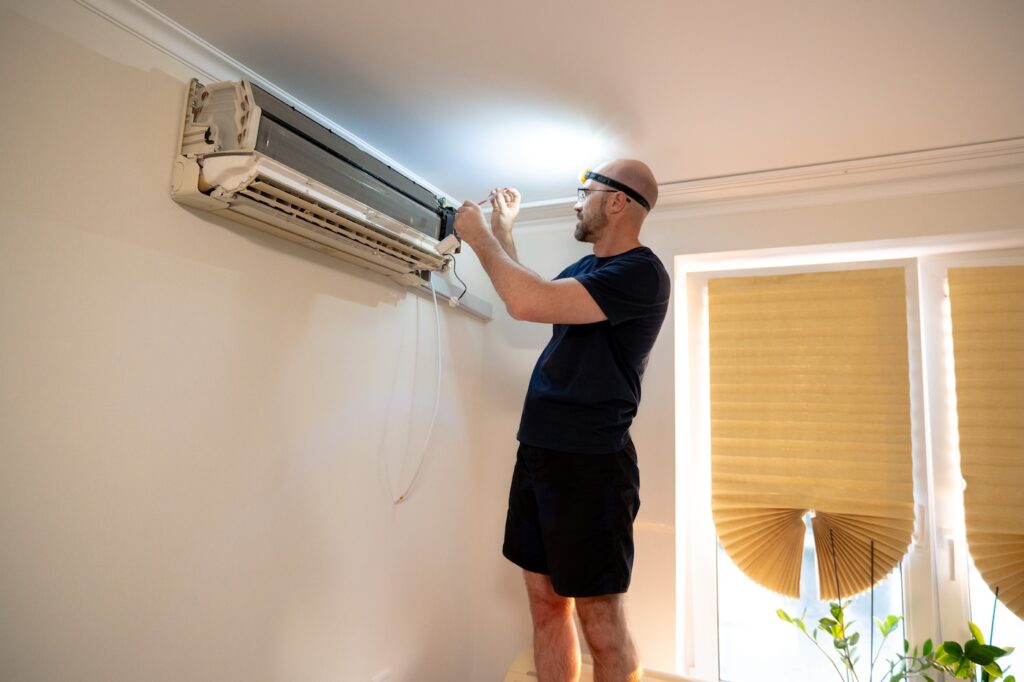
Routine maintenance is the best defense against strange noises and performance issues. Annual inspections allow technicians to tighten components, inspect airflow, and identify early signs of wear before they become major problems.
Simple homeowner steps include:
- Replacing air filters regularly: Maintains airflow and reduces strain
- Keeping outdoor units clear: Prevents debris-related rattling
- Scheduling regular maintenance: Keeps components operating efficiently
Regular maintenance improves system longevity, protects your heat pump and air conditioning system, and ensures steady airflow throughout your home.
We’re proud to serve homeowners in Hagerstown, MD, and nearby communities with HVAC diagnostics, maintenance, and repair services.
Get Quiet Comfort With Smock Heating & Air
At Smock Heating & Air, we understand how frustrating unexpected HVAC sounds can be. Our experienced hvac technicians quickly diagnose unusual sounds and provide honest recommendations to restore quiet, reliable comfort.
Whether you’re hearing buzzing, rattling, a screeching noise, grinding noise, or persistent whistling, do not ignore the warning signs. Contact Smock Heating & Air today to schedule your inspection and keep your heating and cooling system running smoothly all year long.

