



February 25, 2026
HVAC Emergency Repair: 6 Easy Steps to Stay Calm and Cool
When your system suddenly shuts down and the temperature outside is extreme, hvac emergency repair becomes a top priority for keeping your home safe and comfortable. Whether you’re dealing with poor airflow, a system that won’t turn on, or a strange smell coming from the vents, knowing what to do first can make a big difference.
In this guide, we’ll walk you through:
- What qualifies as an HVAC emergency
- Common causes of sudden system failure
- 6 steps to take when things go wrong
- Tips for avoiding future breakdowns
- Local service options in Thurmont, MD
What Counts as an HVAC Emergency?
Not every issue is an emergency, but some situations require immediate attention from a professional. You’re likely dealing with an emergency if:
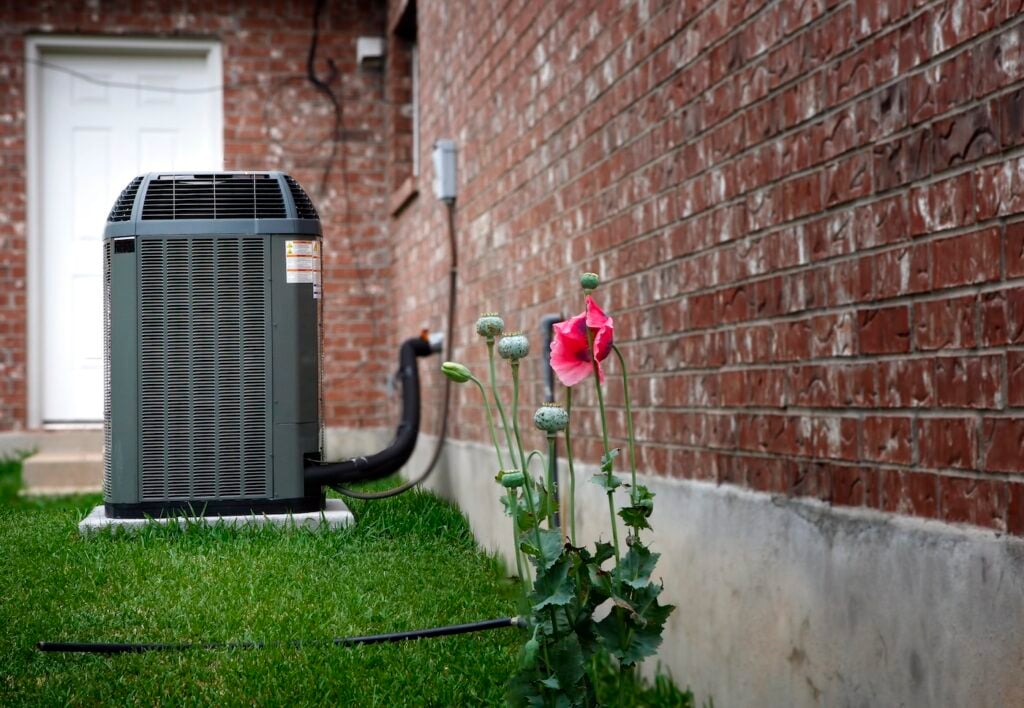
- There’s no heating or cooling during extreme outdoor temperatures
- The system won’t turn on and breakers keep tripping
- There’s a burning smell or smoke coming from vents
- Ice is forming on your outdoor or indoor coils
- You hear loud grinding, buzzing, or rattling sounds
- Water is leaking heavily from your HVAC unit
In Thurmont, where both winter lows and summer highs can push your system to the limit, fast action matters. During a heat wave or cold snap, an outage can quickly affect your health and home.
Common Causes of Emergency HVAC Breakdowns
Unexpected failures often start with small issues that go unchecked. Some of the most common triggers include:
- Clogged filters or blocked airflow: Causes overheating or freezing
- Refrigerant leaks: Leads to poor cooling and frozen coils
- Electrical shorts: Can trip your circuit breaker or damage internal parts
- Compressor failure: Often due to overwork or neglect
- Drain line clogs: Causes water to back up and shut down the system
Routine maintenance helps catch these early, but when they strike, quick troubleshooting is your best first step.
6 Easy Steps to Stay Calm and Cool
These six actions will help you take control during an HVAC emergency while minimizing damage or discomfort.
1. Turn Off the System
If you notice strange smells, loud noises, or water leaks, shut off your HVAC system at the thermostat and the breaker. This prevents further damage and keeps you safe.
- Electrical issues: Avoid fire risks from shorts or overloads
- Frozen coils or leaks: Prevent additional water or ice buildup
- Unusual noises: Stops moving parts before more breaks
Give the system time to rest while you assess what’s going on.
2. Check the Air Filter and Vents
A dirty filter or blocked vent can stop airflow, triggering shutdowns or overheating. These are simple to check:
- Remove and inspect the filter: Replace it if dirty or clogged
- Walk room to room: Make sure vents and returns aren’t blocked by furniture or drapes
- Listen for airflow: Weak air may mean a frozen coil or airflow issue
Replacing a filter can often fix poor airflow or short cycling without needing a service call.
3. Reset the Breakers
Tripped breakers are common in older systems or during high use. Find your breaker panel and look for any switches in the “off” or middle position.
- Reset gently: Flip fully off, then back on
- Wait five minutes: Give the system time to reboot
- Watch for repeat tripping: If it happens again, call a technician immediately
Never force a circuit breaker that won’t reset. Electrical safety is a top concern during any hvac emergency repair.
4. Look for Ice or Water
Check around your indoor unit and the lines leading outside. Ice buildup or leaking water can indicate a frozen coil, condensate line clog, or refrigerant issue.
- Ice on coils: Turn system off and fan on to thaw
- Water near unit: Soak up what you can, then turn off power
- Call a pro: If melting continues or unit won’t restart
Letting a frozen coil keep running can damage your compressor and lead to higher repair costs.
5. Switch to Backup Options
Stay comfortable while waiting for professional help by using backup methods to manage your indoor temperature.
- Fans and ceiling fans: Circulate air and improve comfort
- Window units or space heaters: If available, use only when safe and attended
- Open windows (if safe): Useful in mild weather or during power outages
During extreme weather, always prioritize safety with any temporary heating or air conditioning solutions.
6. Call a Licensed Technician
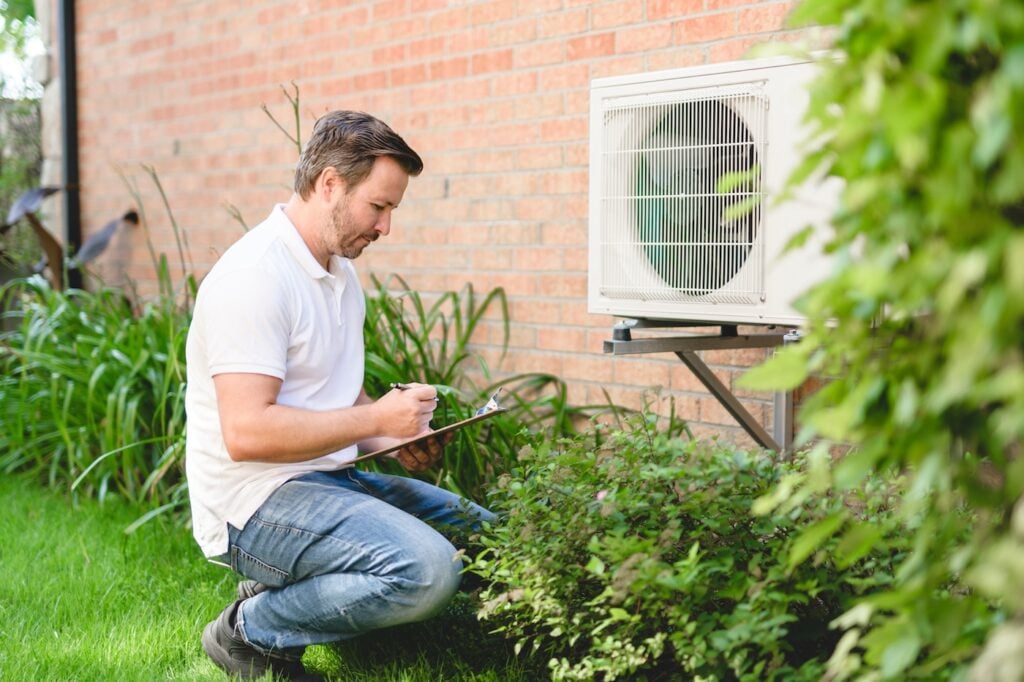
If basic checks don’t restore function or you suspect damage, call an HVAC technician who offers emergency services. Describe:
- What happened and when
- Any steps you’ve already taken
- Strange smells, sounds, or visible damage
This helps them prepare and arrive with the right high quality parts and tools. Look for a company that offers fast response and expert service — especially if your cooling system or heating setup is older or has been overworked recently.
Common Questions About HVAC Emergencies
When your HVAC system breaks down unexpectedly, it’s normal to have questions. Knowing what to expect and how to respond can save you time and money — and help you stay safe until a technician arrives.
How do I know if my HVAC issue is really an emergency?
If your system won’t turn on during extreme temperatures, you notice burning smells, or see water or ice building up, treat it as an emergency. Loss of heating or cooling that affects your safety or damages your home needs fast attention.
Can I prevent emergencies with regular maintenance?
Yes. A well maintained HVAC system is far less likely to fail during extreme conditions. Regular tune-ups, filter changes, and cleaning keep your system running safely and efficiently.
What should I tell the technician when I call?
Be ready to explain what you noticed, when the problem started, any steps you’ve already taken, and any unusual sounds, smells, or signs you’ve seen. The more detail you provide, the better prepared the technician will be.
Will I be charged more for an emergency visit?
Most companies charge an emergency fee for after-hours or urgent calls. However, some offer membership plans or maintenance agreements that include reduced rates for emergency repairs.
Get Emergency Help from Smock Heating & Air
At Smock Heating & Air, we provide fast, reliable support when you need it most. Our team specializes in emergency hvac repair and arrives ready with high quality parts and years of experience.
Whether your system has failed during a heat wave or is leaking during a winter storm, we’ll deliver effective solutions that restore comfort and prevent future issues. With expert service, honest pricing, and local technicians who know Thurmont conditions, we’ve got your back. Call Smock Heating & Air now to schedule emergency hvac repair and keep your home safe and comfortable, no matter what the weather brings.

