



March 11, 2026
HVAC Design Tips: 4 Smart Ideas for a Perfect Airflow in 2026
Good hvac design is the foundation of a comfortable, energy-efficient home. In 2026, smarter systems, better zoning, and improved planning methods allow homeowners to take control of airflow like never before. Whether you are building a new house or upgrading an older setup in Mount Airy, MD, getting the layout right the first time can prevent long-term problems with airflow, comfort, and performance of your air conditioning and heating.
Smart HVAC planning helps:
- Avoid hot and cold spots: Balanced air movement keeps every room comfortable
- Reduce strain on equipment: Extends system life with less wear
- Lower energy consumption: Efficient design leads to ongoing energy savings
- Improve indoor air quality: Clean airflow depends on layout and sealing
With the right guidance, you can build a system that delivers quiet, consistent, and cost-effective comfort throughout the year. Let’s explore four key strategies for designing better airflow in your home.
4 Smart HVAC Design Tips for 2026
Planning your heating and cooling setup with airflow in mind does more than improve comfort. A thoughtful layout also supports better energy efficiency, reduces operating costs, and makes your hvac systems easier to maintain. Below are four smart ideas any homeowner should use during the design process.
1. Design Ductwork for Balanced Airflow
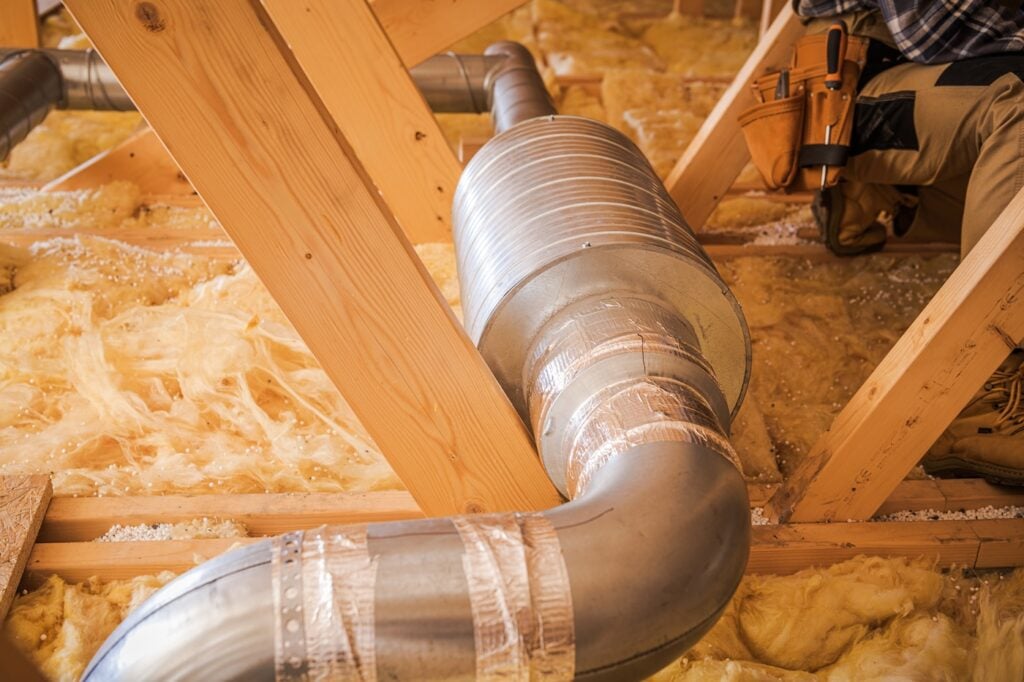
Duct design is one of the most important parts of any HVAC system. Poor duct layout or incorrect sizing can lead to insufficient air movement, noisy operation, or uneven temperatures.
- Right-sized ducts: Ensures each room gets proper airflow
- Smooth bends and straight runs: Reduces resistance and pressure loss
- Sealed connections: Prevents leaks that waste electric power
- Dedicated return vents: Promotes even circulation throughout the home
Professional duct system design helps your system deliver reliable airflow and improves the effectiveness of your cooling equipment, heat pumps, and air conditioners.
2. Divide the Home Into Multiple Zones
A zoned HVAC design splits your living space into distinct areas, each with its own thermostat. Zoned comfort means you can heat or cool only the spaces you use, without wasting energy conditioning rooms that are seldom occupied.
- Independent thermostats: Customize temperatures by area
- Reduces energy waste: Avoids over-conditioning empty rooms
- Flexible comfort: Keeps bedrooms cool at night and living spaces warm during the day
- Compatible with smart systems: Works with modern controls and mobile apps
This strategy supports better energy efficiency and helps your heating and cooling equipment work only when and where it is needed.
3. Don’t Skip Insulation and Sealing
Even the most advanced HVAC systems will underperform if the building envelope is not tight. Proper insulation and sealing stop conditioned air from escaping and outdoor air from infiltrating, so the entire system can operate efficiently.
- Attic and wall insulation: Helps maintain indoor temperatures
- Sealed ducts: Prevents conditioned air from escaping behind walls
- Weatherstripping on doors and windows: Blocks drafts
- Caulking gaps and cracks: Improves the building envelope for consistent airflow
Sealing leaks not only protects system performance but also reduces the load on equipment like forced air heating and hot water systems.
4. Plan Equipment Placement for Effective Distribution
The placement of indoor and outdoor units matters a great deal when it comes to system performance. Your hvac contractors should help determine the best location to maximize airflow and minimize strain.
- Centralized indoor units: Promote even distribution across rooms
- Unobstructed vents and returns: Keep furniture and rugs away from airways
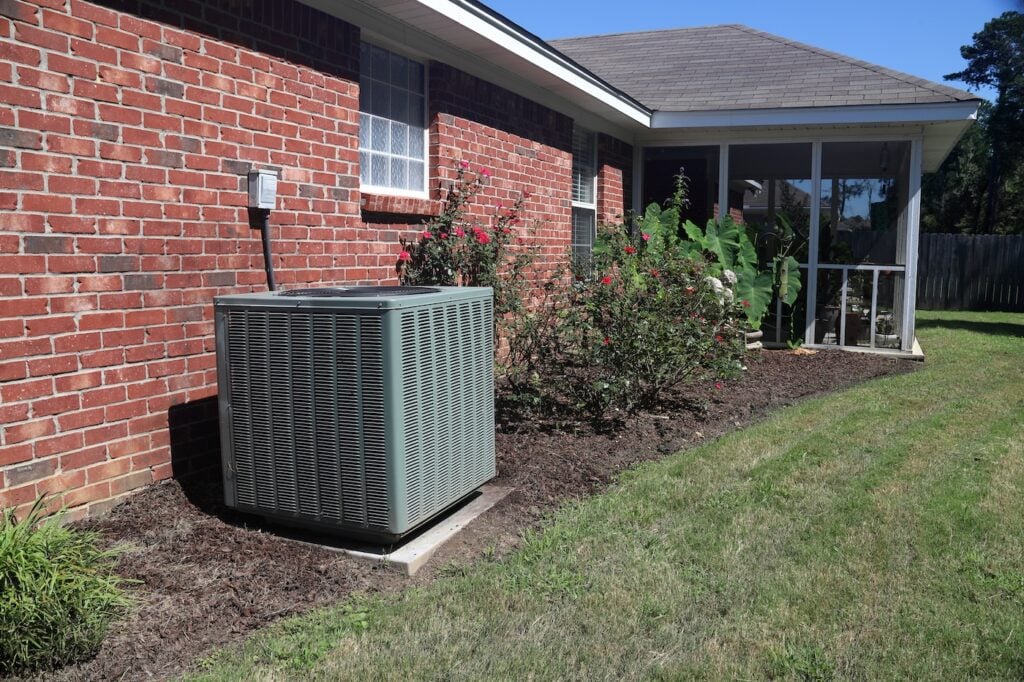
- Shaded outdoor units: Improves cooling performance and extends equipment life
- Clear maintenance zones: Allows safe, easy access for servicing
Proper placement supports longevity and efficiency in systems that rely on components like the heat exchanger and blower motors.
Airflow Design in Renovations vs. New Construction
Whether you are designing a new HVAC layout or retrofitting an existing space, airflow must be a key part of planning. Each scenario brings unique challenges and benefits.
- New construction:
- Allows total control over layout, duct runs, and unit placement
- Simplifies cooling load calculation and balancing for each room
- Makes it easier to integrate energy-efficient components
- Renovation/retrofit:
- Often requires adapting to existing ductwork and structural constraints
- May benefit from supplemental options like ductless mini split systems
- Involves careful planning to avoid disruptions and maintain airflow
Designing for natural ventilation where appropriate can also support a hybrid strategy in certain retrofit projects.
Frequently Asked Questions About HVAC Design
Good hvac design raises common questions among homeowners. Understanding the answers helps you make informed decisions about equipment and layout.
Why is correct duct design important?
Duct design determines how well your HVAC system moves conditioned air throughout your home. Poor design can cause uneven temperatures, high energy usage, and strain on equipment like air conditioners or heat pumps.
How do I know if zoning is right for my home?
If different areas of your home feel too cold or too warm compared to others, zoning can help manage those temperature differences efficiently. A professional can assess whether a zoned setup fits your layout and lifestyle.
Does thermostat placement matter?
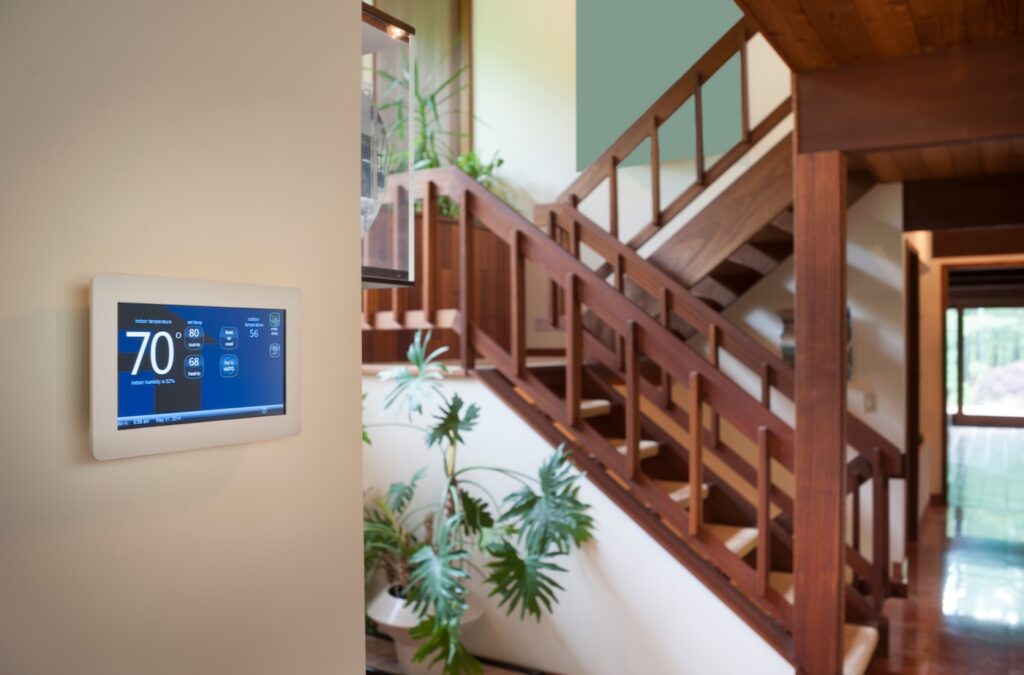
Yes. Installing thermostats near drafts, direct sunlight, or heat sources can lead to inaccurate readings and inefficient operation. Placement should be central and unobstructed to help with stable temperature readings.
What is a cooling load calculation?
A cooling load calculation measures how much cooling your home needs based on size, insulation, layout, and solar exposure. Accurate calculations prevent oversizing, which wastes energy, or undersizing, which strains your system.
How often should HVAC systems be serviced?
Twice a year is recommended—once before summer and once before winter. This helps keep air conditioning, refrigeration systems, and space heating equipment in peak condition while improving energy efficiency and system longevity.
Get Smarter HVAC System Planning With Smock Heating & Air
At Smock Heating & Air, we go beyond installation to help you make informed, efficient decisions from day one. From system sizing and duct layout to zoning suggestions and placement advice, we bring years of hands-on experience serving homeowners across Mount Airy, MD. Our licensed HVAC contractors will assess your home’s needs and walk you through options that deliver real energy savings and improved air quality. Call Smock Heating & Air today to schedule a consultation or installation quote. We’ll help you take the next step toward a quieter, more efficient HVAC system, designed with your home’s layout and comfort in mind.

