



December 31, 2025
How to Turn Off Water Heater Safely (6 Easy Steps)
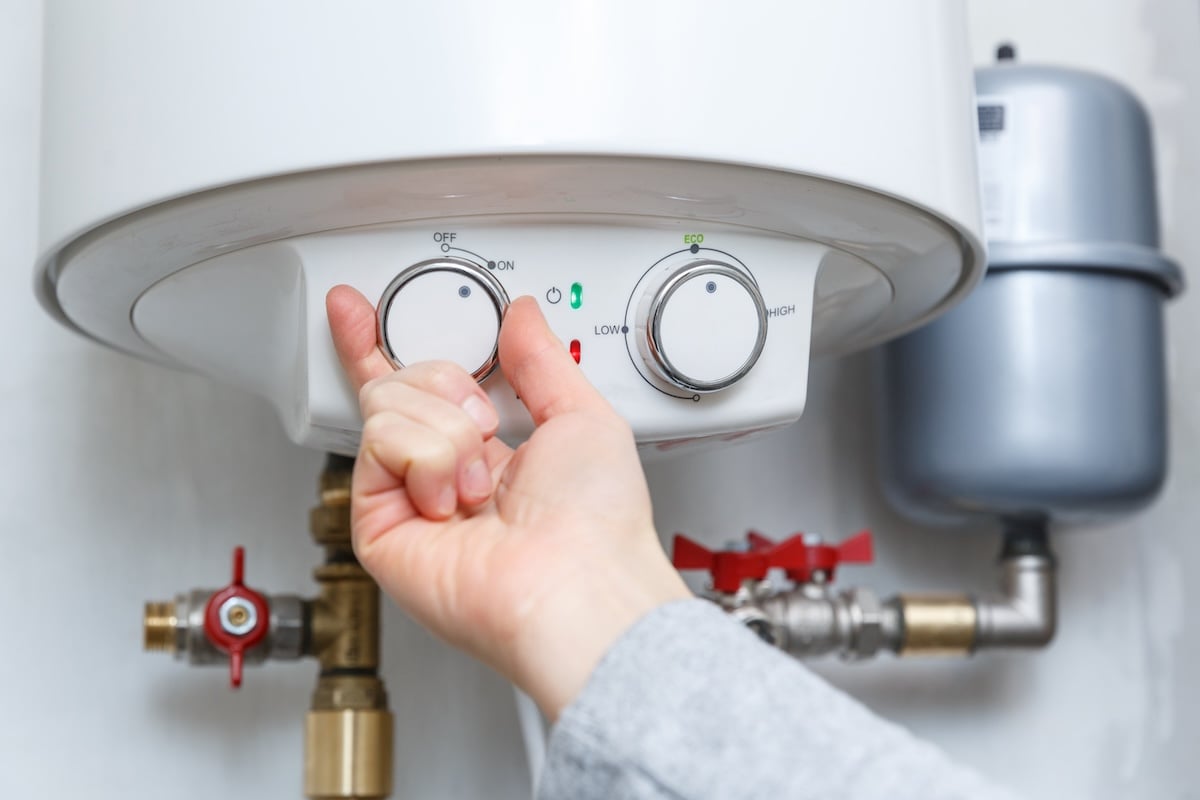
Whether you’re dealing with a leak, preparing for maintenance, or heading out of town, knowing how to turn off water heater systems safely can help you avoid major headaches. It’s one of those essential skills every homeowner should have, but many don’t learn until a real emergency hits. Fortunately, the process is simpler than you might think. If you want to double-check the condition of your current system or explore more efficient options, it may be worth taking a closer look at some of the updated safety and energy-saving features available with modern units.
In this blog, you’ll learn:
- Why knowing how to shut off your water heater matters
- Clear step-by-step instructions for gas and electric units
- Common situations when this knowledge is essential
- What to avoid during the shutdown process
Why Knowing How to Turn Off Your Water Heater Is Important
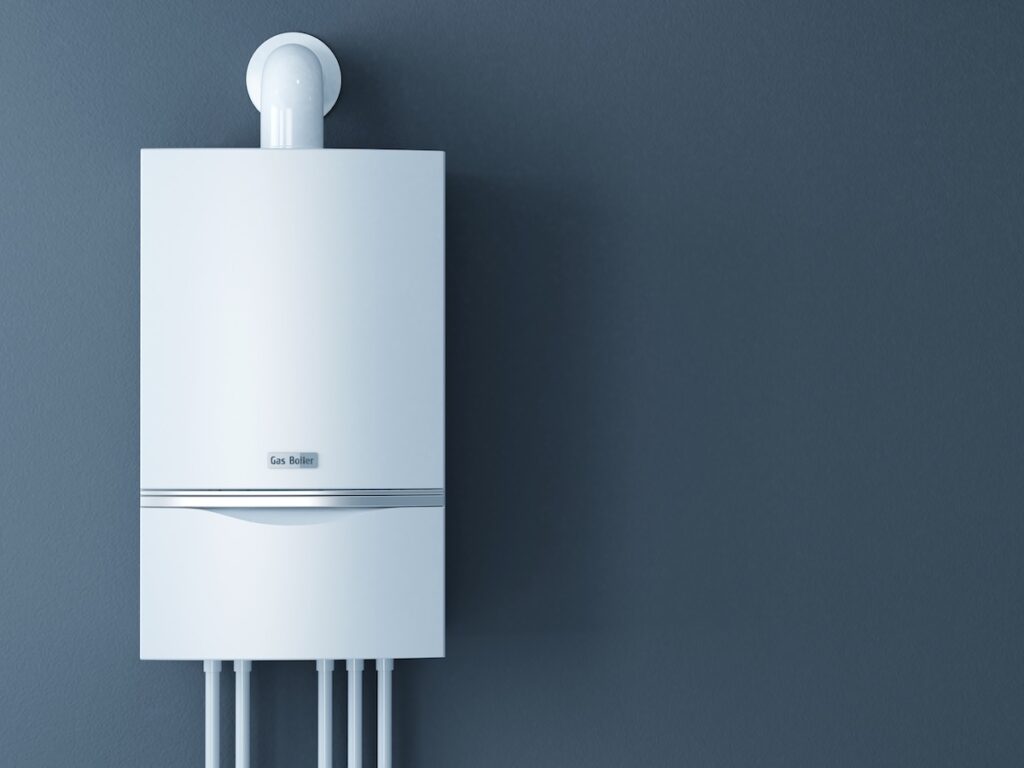
It might not seem like a big deal until it is. Leaks, overheating, or upcoming repairs can all lead to situations where acting fast protects your home. Knowing the shutdown process in advance helps you stay calm and prevent additional damage.
- Protects Against Water Damage: Turning off your heater during a leak can prevent flooding and structural issues
- Improves Safety During Repairs: Shutting off power and water reduces the risk of injury during maintenance
- Avoids Dangerous Pressure Buildup: A system still heating with no water flow can become hazardous
- Saves Energy While You’re Away: Shutting down your system before a vacation reduces unnecessary energy use
- Gives You Control in Emergencies: Acting quickly can prevent gas leaks, overheating, or electrical risks
6 Easy Steps to Turn Off a Water Heater Safely
Gas and electric water heaters require slightly different shutdown procedures. Here’s how to safely turn off either system in six clear steps.
1. Identify Whether You Have a Gas or Electric Unit
Look for a label on the side of your water heater or check nearby connections. If you’re still unsure:
- Gas water heaters typically have a burner chamber, gas line, and vent
- Electric units often have wiring going into the top of the tank and no exhaust vent
- When in doubt, consult a technician before proceeding
2. Turn Off the Power or Gas Supply
For electric water heaters:
- Go to your circuit breaker panel
- Find the breaker labeled “Water Heater”
- Flip it to the OFF position
For gas water heaters:
- Locate the temperature control knob at the bottom
- Turn the knob to OFF or PILOT
- Never attempt to shut off the gas main unless instructed by your utility provider
3. Shut Off the Cold Water Supply Valve
Find the cold water inlet pipe leading into the top of the tank. The shut-off valve is usually a lever or a round knob.
- Turn the valve clockwise until it stops
- This prevents more water from entering the tank while it’s shut off
4. Allow the Water to Cool Before Taking Further Steps
Hot water stored in the tank can remain dangerously hot for hours. If you’re planning to drain the tank or inspect it:
- Leave a nearby hot water faucet open to help the tank depressurize
- Wait at least 2–3 hours before handling the tank directly
5. Drain the Tank (Optional)
Draining may be necessary for repairs, replacements, or sediment flushing.
- Connect a garden hose to the drain valve at the bottom of the tank
- Run the hose to a nearby floor drain or outside
- Open the drain valve slowly and allow the tank to empty
If you’re only shutting down the unit for a short time, draining is not required.
6. Inspect the Area Around the Unit
Look around your water heater for signs of damage or wear before leaving it off or calling for service.
- Check for standing water, corrosion, or loose fittings
- Make note of any noises or odors before the shutdown
- Contact a licensed HVAC professional in Urbana, MD and surrounding areas if anything looks unusual
Safety Considerations for Gas and Electric Units
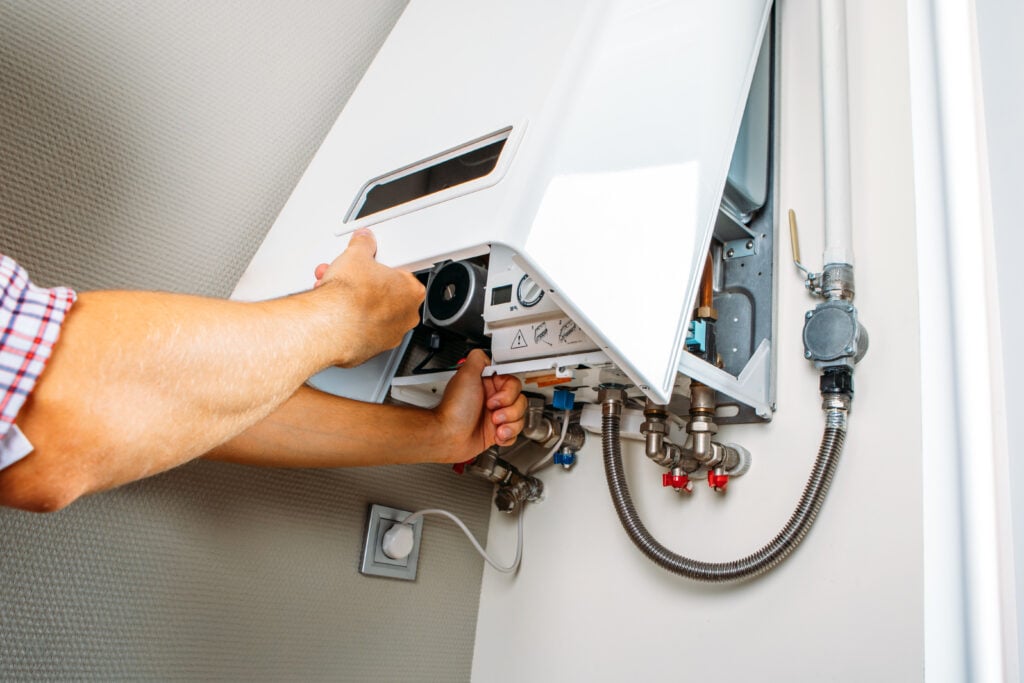
Gas and electric water heaters operate differently, and safety precautions vary. Always follow guidelines that match your system.
Electric Units
- Turn off the breaker first: Never touch the unit before ensuring it’s disconnected from power
- Use a voltage tester if you’re opening any panels or wiring
- Don’t attempt thermostat resets unless you’re trained or guided by a technician
Gas Units
- Smell gas? Leave immediately. Contact your utility company and do not attempt a shutdown
- Don’t relight the pilot without carefully following the manufacturer’s instructions
- Keep the area ventilated and free of clutter, especially flammable materials
When Should You Turn Off Your Water Heater?
There are several common situations where turning off your water heater is a smart, safe move.
Before Major Plumbing Repairs
- If you’re replacing fixtures, repairing pipes, or dealing with water pressure problems, always shut off the unit beforehand
If the Tank Is Leaking
- Even small leaks can escalate quickly—shut off water and power, then call for help
When Leaving Town
- Going on vacation? Turning the system off reduces the chance of undetected leaks and saves energy
If You Hear Strange Noises
- Popping, rumbling, or hissing could mean sediment buildup or overheating. Shut off the system and schedule an inspection
During Overheating or Scalding Events
- If your taps produce extremely hot water, the thermostat may be malfunctioning. Shut down the heater immediately to avoid burns or pipe damage
What Not to Do When Turning Off a Water Heater
Even a small mistake can create big problems. Avoid these common errors to keep your system (and yourself) safe.
- Don’t skip the power or gas shutoff: Turning off the water alone isn’t enough
- Don’t drain a hot tank: Always let the water cool to avoid burns
- Don’t force stuck valves: Use gentle pressure or contact a technician if something won’t move
- Don’t forget to check for damage: Look for signs of leaks or rust after the shutdown
- Don’t assume it’s safe to restart on your own: If anything looks off, have a professional inspect the unit first
Preparing to Restart Your System
Once your repair or absence is over, it’s important to restart your system the right way.
For Electric Water Heaters
- Make sure the tank is full (open a hot tap to check)
- Once full, flip the breaker back ON
- Wait at least 30–60 minutes before expecting full hot water
For Gas Water Heaters
- Follow the manufacturer’s instructions to relight the pilot light
- Set the temperature knob to your desired setting (usually 120°F is recommended)
- Monitor for any gas smells or strange noises during startup
If you’re unsure at any point, schedule a professional inspection before restoring operation.
Long-Term Water Heater Care Tips
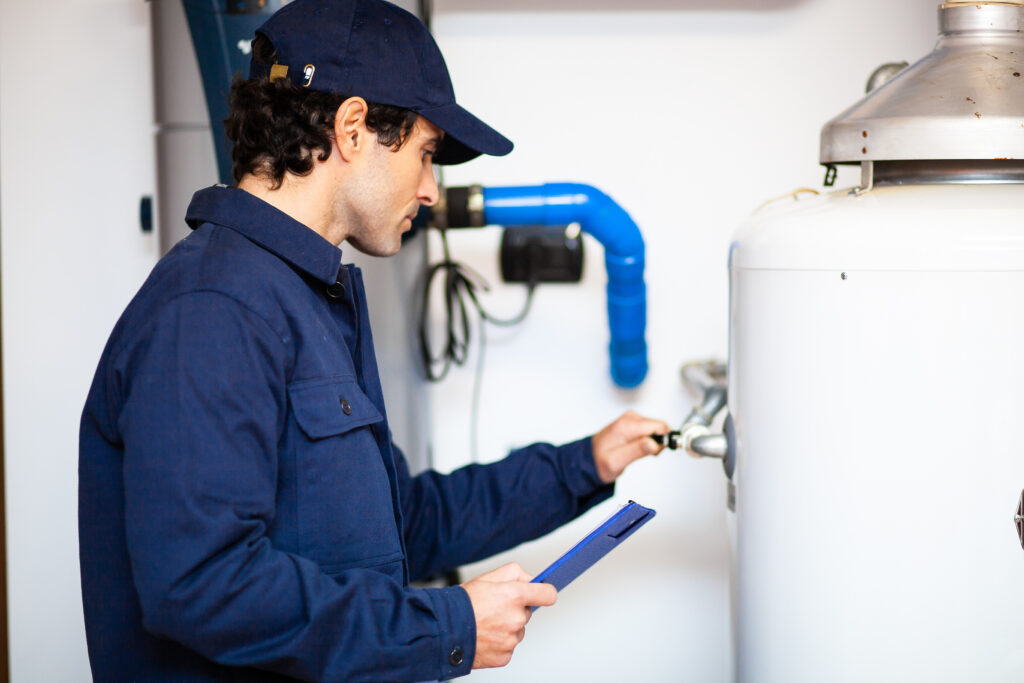
Regular maintenance reduces the chance you’ll need to shut your system down unexpectedly.
- Flush the tank annually to remove sediment buildup
- Test the pressure relief valve every 6–12 months
- Inspect the anode rod every few years to prevent internal corrosion
- Schedule annual professional checkups—especially in Urbana, MD and surrounding areas where hard water is common
Don’t Stress—Smock HVAC Can Help
Whether you’re dealing with a leak, planning an upgrade, or just want peace of mind, knowing how to turn off your water heater is a key part of responsible homeownership. If anything goes wrong during the process—or you’d rather leave it to a pro—our team is here to help. We provide fast, reliable service to homeowners in Urbana, MD and surrounding areas. For expert help with inspection, repair, or replacement, contact us today and let Smock HVAC handle your water heater needs with confidence and care.

