



December 19, 2025
How Long Does It Take a Hot Water Heater to Heat Up?
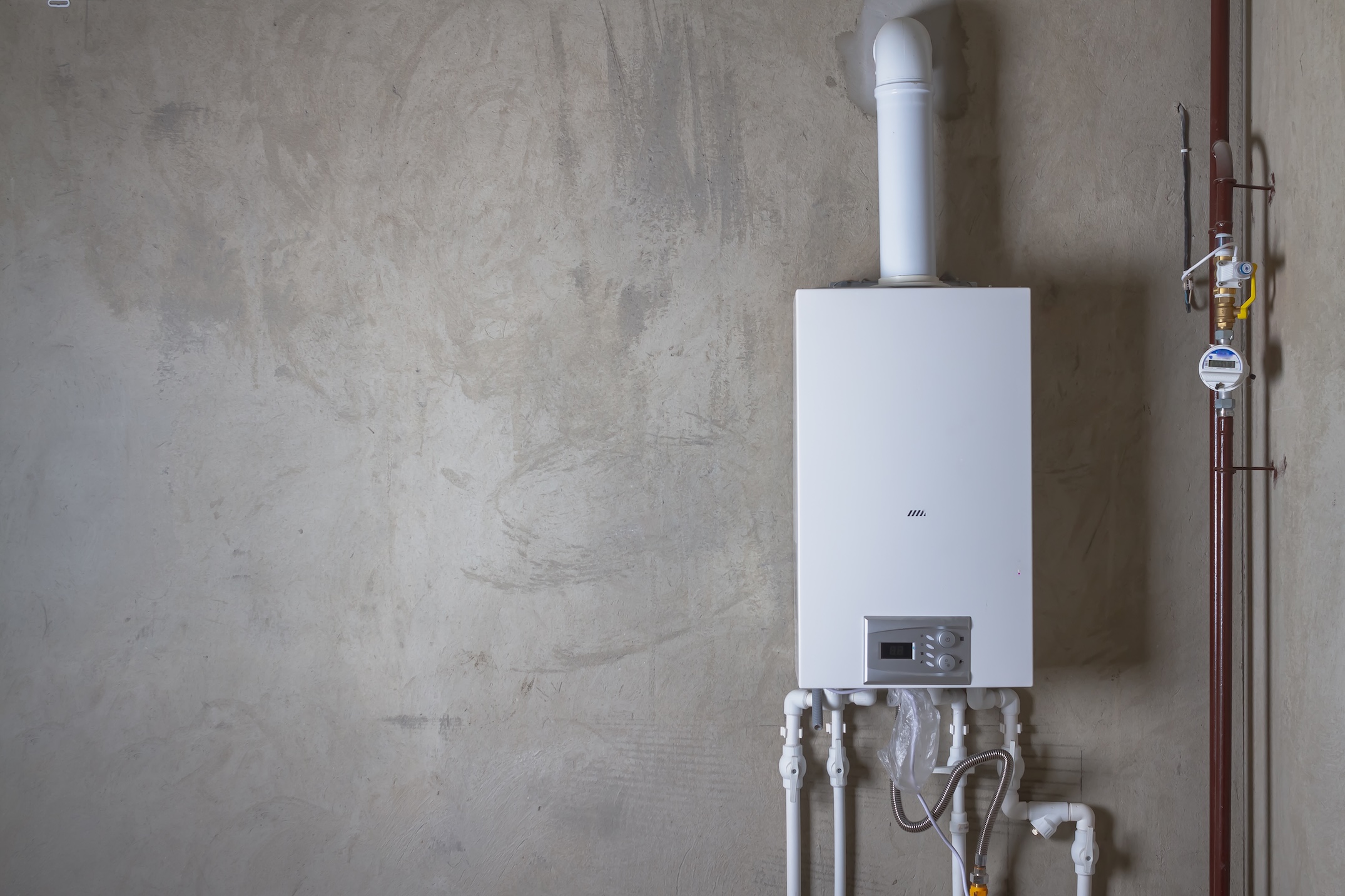
Understanding how long does it take a hot water heater to heat up is essential for homeowners looking to optimize their water heating system’s efficiency. Whether preparing for a relaxing shower or managing household chores, knowing the heating time can help you plan your day better. Efficient water heating not only contributes to convenience but also impacts energy consumption and utility costs. For those interested in upgrading or maintaining their systems, exploring professional water heater services can provide practical assistance and ensure optimal performance.
- Discover why heating time matters for your hot water system
- Learn the key factors influencing how quickly water heaters heat water
- Explore the different types of water heaters and their heat-up times
- Understand ways to improve your system’s heating efficiency
- Consider maintenance tips and professional service benefits
Understanding the Importance of Hot Water Heater Heat-Up Time
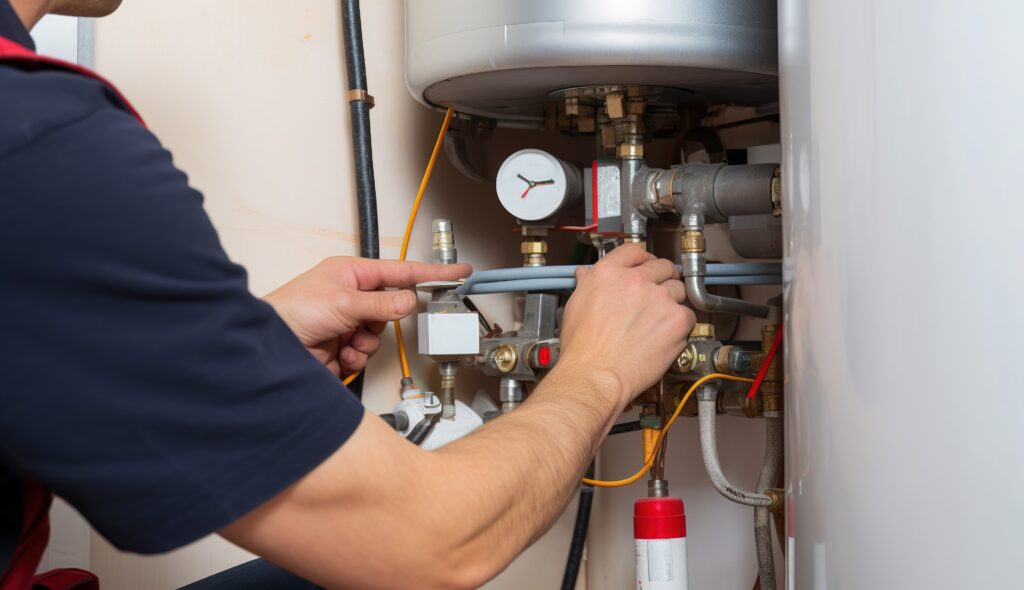
Knowing the duration it takes your water heater to fully heat water is more than just a matter of convenience. It affects your household’s daily routine and overall energy use. Efficient heating time can lead to better water availability and cost savings over time. This knowledge can help you decide between different types of water heaters or guide you when troubleshooting system issues.
- Enhanced Convenience: Minimizes wait times for hot water, streamlining activities like bathing and dishwashing.
- Energy Savings: Faster heat-up times can reduce energy consumption by limiting system runtime.
- System Longevity: Proper heat-up cycles prevent overheating and extend equipment lifespan.
- Budget Planning: Understanding heating times helps anticipate energy costs and optimize usage.
5 Top Factors That Influence How Long a Hot Water Heater Takes to Heat Up
The heating time of a hot water heater varies significantly depending on multiple factors. Recognizing these elements allows homeowners to set the right expectations and take steps to improve performance where possible.
1. Type of Water Heater
The kind of water heater you have is the primary determinant of how quickly it can bring water up to temperature.
- Tank Heaters: Store a set amount of water and heat it gradually, usually taking between 30 to 45 minutes to heat the entire tank.
- Tankless Heaters: Heat water on demand with almost no wait time but can vary depending on flow rate and temperature increase required.
- Heat Pump Water Heaters: Use ambient air to heat water and generally take longer, sometimes up to 2 hours, but are more energy-efficient.
2. Size of the Water Heater Tank
Larger tanks naturally require more time to reach the desired temperature because there’s more water volume to heat.
- A 40-gallon tank will typically take less time than a 60-gallon tank.
- Choosing a tank size that matches your household’s needs prevents energy waste and long wait times.
3. Initial Water Temperature
The starting temperature of the water entering your system usually comes from the groundwater temperature, which can be lower in winter months.
- Colder incoming water means the heater must work longer to reach the set temperature.
- Warmer climates often experience quicker heat-up times due to higher baseline water temperatures.
4. Heater Wattage and Recovery Rate
Heaters with higher wattage heat water faster, as do units with a faster recovery rate that replenish hot water quicker after use.
- Higher wattage models tend to be more expensive but offer reduced waiting times.
- Recovery rate denotes how many gallons per hour the heater can warm, impacting usability in larger households.
5. Thermostat Settings
The temperature you set your thermostat to directly influences how long heating takes.
- Higher temperature settings require more energy and time to attain.
- Adjusting thermostat to optimal temperatures can balance comfort and efficiency.
Ways to Improve Hot Water Heater Efficiency and Reduce Waiting Time
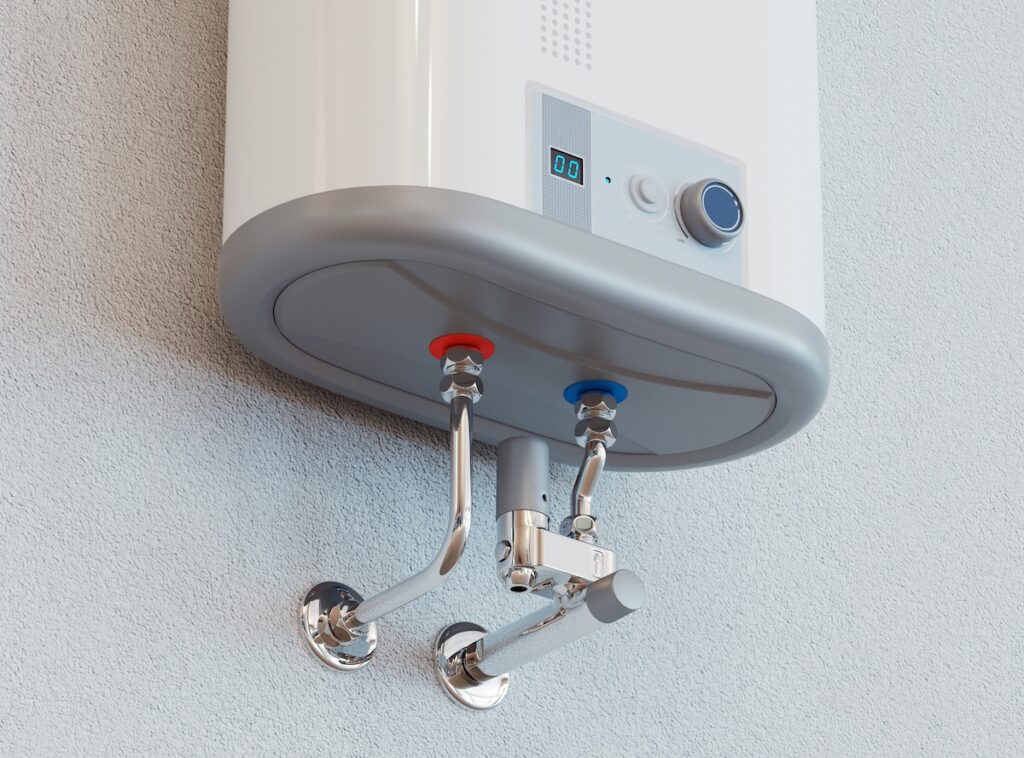
Improving your water heater’s efficiency can shorten heat-up times and lower costs. Several practical strategies exist to get the most out of your system.
Regular Maintenance
Maintaining your water heater ensures it operates at peak efficiency.
- Flush the tank: Removes sediment that can insulate water and extend heating time.
- Inspect the anode rod: Prevents rust buildup and maintains tank health.
- Check thermostat accuracy: Ensures proper temperature regulation and power use.
Upgrade to Energy-Efficient Technology
Newer models offer improved performance and faster heating.
- Consider tankless water heaters: For instant hot water and energy savings.
- Look for Energy Star ratings: Certified units ensure higher efficiency standards.
Insulate the Water Heater and Pipes
Heat loss can cause longer heating cycles and higher energy use.
- Insulating the tank keeps water warmer for longer periods.
- Pipe insulation reduces thermal loss during hot water transit.
Optimize Usage Patterns
Planning your household water use smartly limits wastage and heat buildup time.
- Stagger hot water use to avoid depleting the heater’s reserve rapidly.
- Use low-flow fixtures to reduce the rate of water consumption.
Comparing Common Water Heater Types by Heat-Up Time
Choosing the right water heater depends not only on cost and capacity but also on how quickly it can provide hot water when needed. Below is a comparison chart summarizing typical heat-up times across popular options.
| Water Heater Type | Typical Heat-Up Time | Energy Efficiency | Ideal Use Case |
| Tank Water Heater | 30 to 45 minutes | Moderate | Families with consistent hot water usage |
| Tankless Water Heater | Instant / On-demand | High | Smaller households or those needing hot water quickly |
| Heat Pump Water Heater | Up to 2 hours | Very High | Energy-conscious users willing to wait longer |
| Solar Water Heater | Variable (depends on sunlight) | High | Locations with abundant sunlight and environmentally focused households |
Residents around Orlando and surrounding areas may benefit from exploring advanced water heater types adapted to local temperatures and energy rates.
When to Seek Professional Assistance for Your Water Heater
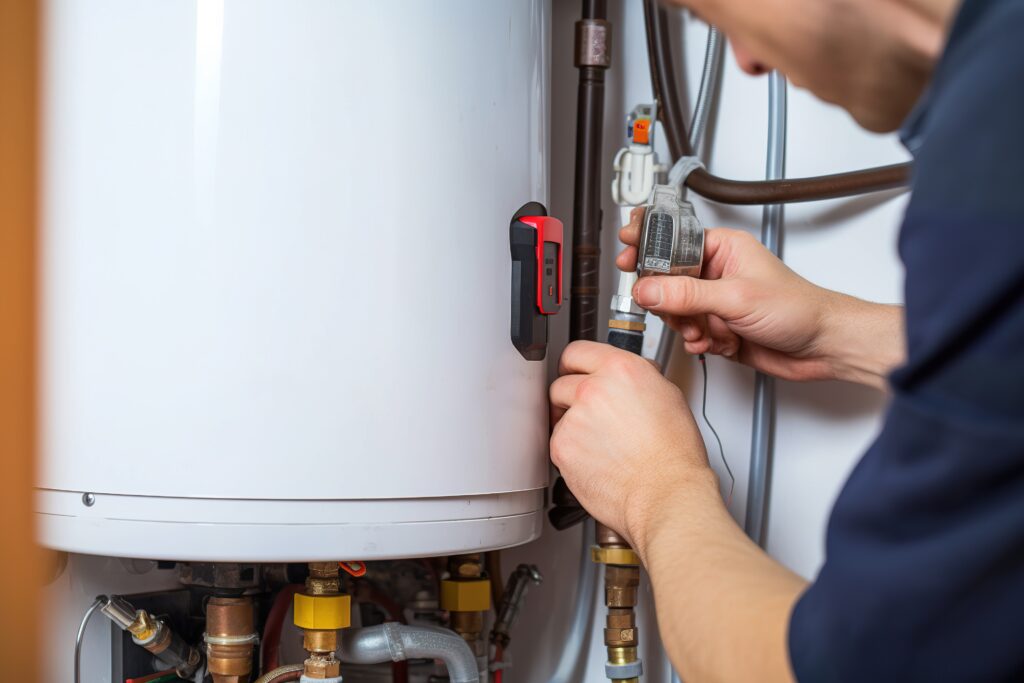
Evaluation and maintenance by professionals ensure your water heater functions safely and efficiently over time. Recognizing when expert help is necessary can prevent costly breakdowns and prolonged heating delays.
Signs You Should Call a Technician
- Excessive wait times: If your water takes far longer than expected to heat.
- Inconsistent temperatures: Fluctuating hot water supply during usage.
- Strange noises or leaks: Indicators of internal sediment buildup or component failure.
- Rising energy bills: Possibly due to inefficiencies requiring inspection.
Benefits of Professional Services
- Expert diagnosis and repair: Identifying underlying issues quickly.
- Routine maintenance: Prolonging your water heater’s life through scheduled service.
- Upgrades and replacements: Recommendations based on household needs and technological advances.
For expert guidance and comprehensive water heater services tailored to your home’s needs, consider seeking professional support from specialists in your region.
Making the Most of Your Hot Water Supply
Knowing how long does it take a hot water heater to heat up can help you better manage household activities, reduce energy expenses, and increase your system’s lifespan. Selecting the right water heater type, maintaining it properly, and adjusting usage habits are crucial steps toward optimal performance and comfort. For assistance with any water heater concerns or to explore upgrade options, please contact us today and connect with professionals ready to help you enjoy efficient and reliable hot water.

