



October 1, 2026
How Long Does HVAC Installation Take? (Full Timeline)
How long does HVAC installation take is one of the first questions homeowners ask once they decide to move forward with a new system, and the answer varies more than most people expect. A straightforward AC installation or HVAC system replacement in a home with existing ductwork can be completed in a single day, while a more complex air conditioner installation involving new ductwork, electrical upgrades, or a multi-zone system can stretch across two to three days or more. Knowing what drives that installation timeline helps you plan accordingly and avoid surprises. If you are ready to move forward, our HVAC installation services include a thorough pre-installation assessment so you know exactly what to expect before work begins. In this guide, we cover:
- What factors determine how long does it take to complete an HVAC installation
- A realistic installation timeline breakdown for different system types
- What happens at each stage of the HVAC installation process
- How to prepare your home for installation day
- What to expect after the new HVAC system is up and running
We’re proud to serve homeowners in Germantown, MD, and nearby communities with HVAC installation, replacement, and maintenance services, and more.
What Determines HVAC Installation Time
No two HVAC installations are identical, and the installation time required depends on a combination of factors specific to your home, your existing HVAC unit, and the type of air conditioning system being installed. The most significant time drivers are the condition of existing ductwork, the complexity of the central air conditioning system being installed, the accessibility of installation areas, and whether any supplemental work is required alongside the air conditioner installation itself. A technician who rushes through an HVAC system replacement to meet an arbitrary timeline is cutting corners somewhere, so a thorough installation process always takes precedence over speed.
HVAC Installation Timeline by System Type
The ranges below reflect realistic timelines for residential AC installation and HVAC system replacement in the Germantown area under typical conditions. Actual installation time may vary based on the specific factors discussed in the sections that follow.
| Installation Type | Typical Timeline | Key Variables |
| Standard HVAC replacement with existing ducts | 4 to 8 hours | System size, accessibility |
| Full split system with existing ducts | 6 to 10 hours | Equipment complexity, attic access |
| New ductwork installation | 1 to 3 days | Home size, duct routing complexity |
| Ductless mini-split single zone | 3 to 6 hours | Wall penetration, electrical work |
| Ductless mini-split multi-zone | 1 to 2 days | Number of indoor units, line routing |
| Full system replacement with new ductwork | 2 to 4 days | Duct design, structural access |
| Heat pump replacement | 6 to 10 hours | Refrigerant line condition, electrical |
5 Stages of an HVAC Installation
Whether your air conditioner installation takes one day or three, it follows the same general sequence of stages. Understanding what happens at each stage helps you know what to expect throughout the HVAC installation process and recognize whether your installer is being thorough or cutting corners.
1. Pre-Installation Assessment and Load Calculation
Before any equipment is ordered or scheduled, a thorough HVAC system replacement begins with a home assessment that determines exactly what the new HVAC system needs to deliver. This involves a Manual J load calculation that accounts for your home’s square footage, insulation levels, window area, ceiling height, and local climate conditions to determine the correct system size. A contractor who skips this step is setting the entire job up for problems from day one.
- Load calculation: Ensures the new HVAC system installed is correctly sized for your home’s actual heating and cooling needs rather than a rough estimate.
- Duct inspection: Identifies leaks, restrictions, or damage in existing ductwork that should be addressed before the new air conditioning unit is connected.
- Site assessment: Flags access challenges, electrical requirements, and supplemental work needed before installation day to avoid surprises mid-job.
2. Old System Removal
On installation day, the first task is safely removing the existing unit. This involves disconnecting the electrical supply, recovering the refrigerant from the old air conditioner by an EPA-certified technician, disconnecting the refrigerant lines, and removing the indoor and outdoor units. The refrigerant recovery step is required by law and cannot be skipped or rushed regardless of installation timeline pressure.
- Refrigerant recovery: Must be completed by an EPA-certified technician before any refrigerant lines are disconnected from the existing unit.
- Disconnection sequence: Electrical, refrigerant, and mechanical disconnections follow a specific order to ensure safety throughout the system replacement process.
- Removal time: Typically one to two hours for accessible systems in good condition, longer for corroded or difficult-to-reach equipment.
3. New Equipment Installation
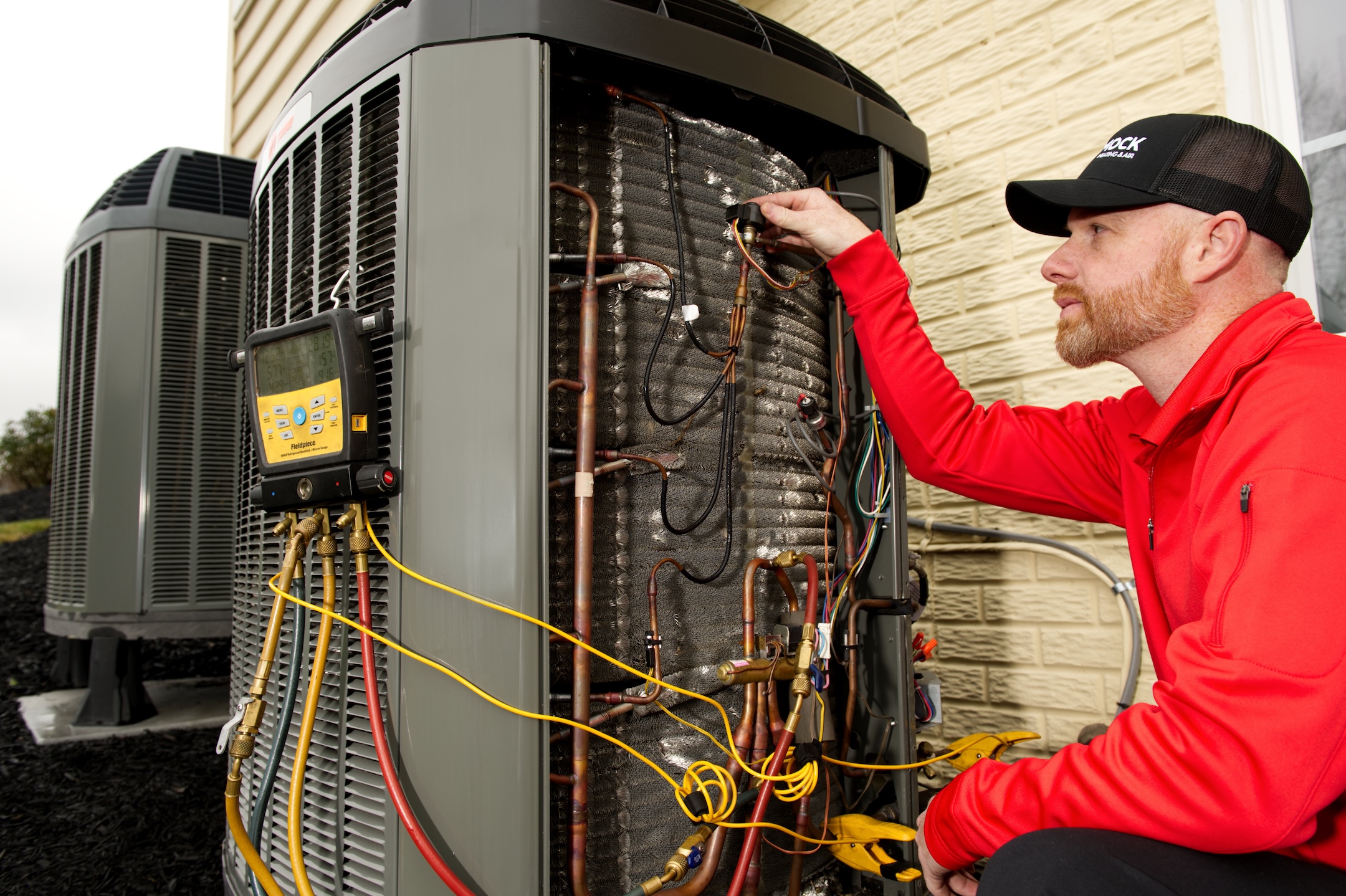
With the existing unit removed, the installation team sets the new air conditioning unit on its pad, positions the indoor air handler in the mechanical space, and begins connecting the refrigerant lines, electrical wiring, and condensate drain. This is the most technically demanding stage of the HVAC installation process and the one where installation quality matters most for long-term energy efficiency and system performance.
- Refrigerant line connections: Brazed connections must be made correctly to prevent leaks and ensure the new HVAC system holds its refrigerant charge over time.
- Pressure testing and vacuum: Confirming the refrigerant circuit is leak-free and fully evacuated before charging protects the compressor and ensures accurate charge levels.
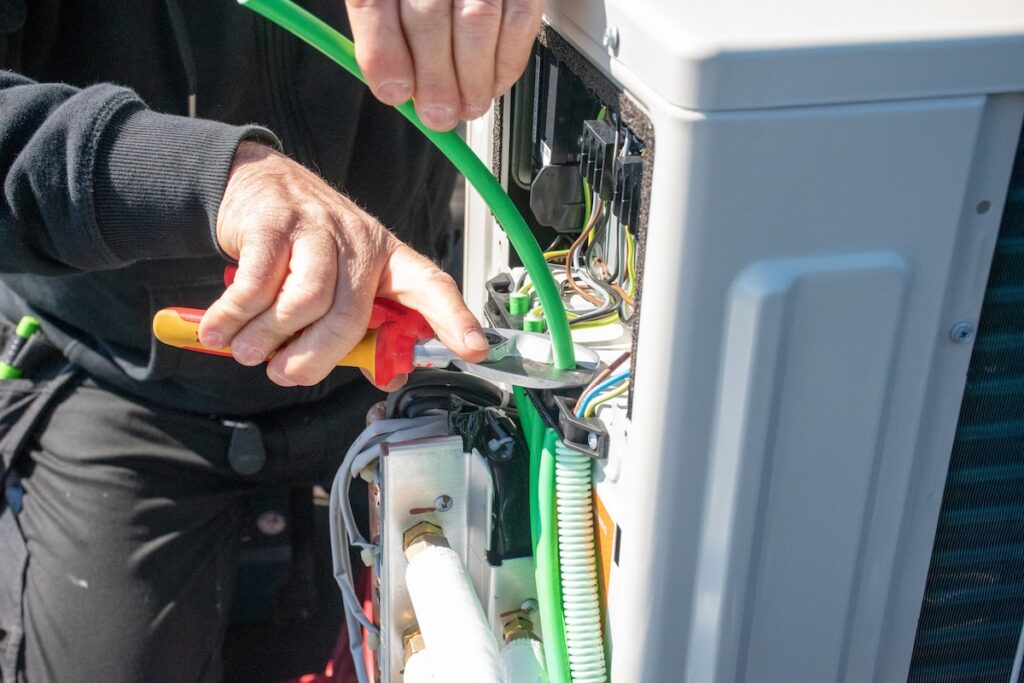
- Electrical connections: Correct wiring to the disconnect, thermostat, and control board is essential for safe, reliable operation of the new HVAC system installed.
4. Ductwork Modifications or New Duct Installation
If existing ductwork needs sealing, modification, or full replacement, this work happens alongside or immediately following the AC installation. Duct sealing on an existing system is relatively quick, with a technician sealing accessible joints and insulating exposed sections in a few hours, while full duct replacement in a larger home can add one to two full days to the installation timeline. New ductwork installation involves designing the duct layout, cutting and connecting metal or flexible duct sections, sealing all joints with mastic sealant, and insulating duct runs through unconditioned spaces.
- Duct sealing: Addresses leaks that would otherwise undermine the energy efficiency of the new central air conditioning system before they are hidden behind walls and ceilings.
- New duct design: Requires careful planning to ensure balanced airflow to every room, which directly affects comfort and HVAC system performance.
- Insulation: Duct runs through attics or crawl spaces must be properly insulated to prevent energy loss before conditioned air reaches the living space.
5. System Startup, Testing, and Walkthrough
The final stage of every HVAC system replacement is a thorough system testing and commissioning sequence that confirms the new air conditioning system is operating correctly before the installation team leaves. A quality installer will walk you through the new HVAC unit before completing the job, explaining thermostat controls, filter location, maintenance schedule, and what to expect in the first few days of operation. Budget at least one to two hours for this stage and do not let an installer skip system testing in the interest of saving installation time.
- Refrigerant charge verification: Confirms the new central air conditioning system is charged to the manufacturer’s specification for peak energy efficiency and compressor protection.
- Airflow testing: Verifies that each supply register is delivering the correct volume of conditioned air throughout the home.
- Thermostat and controls check: Confirms the thermostat communicates correctly with the air conditioning unit across all operating modes before the crew leaves.
What Adds Time to an HVAC Installation
Several common situations extend an HVAC system replacement beyond the standard timeline, and knowing about them in advance allows you to plan accordingly and avoid being caught off guard on installation day.
- Difficult access: Attic air handlers, crawl space ductwork, and outdoor units in tight mechanical spaces all require additional installation time to work around safely.
- Electrical panel upgrades: If the existing panel lacks sufficient capacity for the new HVAC system, an upgrade must be completed before the AC installation can proceed.
- Gas line modifications: Heat pump conversions or homes with undersized gas lines may require gas line work that adds time and requires a licensed gas contractor.
- Permit processing: Maryland requires permits for HVAC installations, and some jurisdictions require inspection before the system can be commissioned. Your contractor should handle permit coordination as part of the process.
- Unexpected duct damage: Hidden damage discovered during installation, such as collapsed flex duct, disconnected trunk lines, or corroded metal sections, requires repair before the new air conditioning unit can be connected.
How to Prepare for HVAC Installation Day
A few simple steps before your installation crew arrives make the AC installation process run more smoothly and help the team work efficiently from the moment they walk through the door.
- Clear access routes: Remove furniture or stored items from around the air handler, attic access points, and the path between your front door and mechanical spaces.
- Secure pets: Keep pets away from work areas to prevent delays and ensure the safety of both animals and technicians throughout installation day.
- Plan for downtime: Your heating and cooling will be offline for most of installation day. On extreme weather days, plan to spend time elsewhere or prepare accordingly.
- Be available for questions: The installation crew may need decisions made during the job. Being reachable ensures the HVAC system replacement does not stall waiting for answers.
Frequently Asked Questions About HVAC Installation Time
Homeowners planning an AC installation or HVAC system replacement often have similar questions about the process and what to expect on installation day. Here are clear answers to the most common ones.
Can an HVAC system really be installed in one day?
Yes, in many cases. A straightforward HVAC replacement swapping an existing air conditioner with a new HVAC system in a home with ductwork in good condition can typically be completed in four to eight hours by an experienced installation crew. More complex situations involving new ductwork, multi-zone systems, or supplemental electrical work reliably push the installation timeline beyond a single day.
Does installation time affect the quality of the work?
It can. A job that is rushed to meet an unrealistic one-day deadline may have corners cut on ductwork sealing, refrigerant line pressure testing, or system commissioning. A thorough HVAC system replacement takes the time it takes, and a contractor who is honest about the installation timeline upfront is generally more trustworthy than one who promises an unrealistically fast turnaround.
Do I need to be home during the HVAC installation?
You do not need to be present the entire installation day, but being reachable and available for decisions that may arise is important. Being home for the final walkthrough and commissioning of the new HVAC system is strongly recommended so you understand how your new air conditioning unit operates and can ask questions before the crew leaves.
What happens if the AC installation takes longer than quoted?
Ask your contractor to explain what is taking longer than expected. Legitimate reasons include unexpected duct damage, permit-related delays, or access challenges not visible during the pre-installation assessment. A reputable contractor will communicate proactively when installation time extends rather than waiting for you to ask.
How long before the new HVAC system is fully settled in?
Most new central air conditioning systems reach stable operating performance within the first few days as the refrigerant charge settles and the HVAC system installed adjusts to the home’s thermal load. Smart thermostats may also have a learning period of one to two weeks during which they optimize scheduling and temperature management. Minor thermostat adjustments in the first week of operation are completely normal.
Start Your Installation Right With Smock HVAC

A well-executed AC installation or HVAC system replacement sets the foundation for years of reliable, energy-efficient performance, and that starts with a contractor who takes the time to assess your home correctly, size the equipment properly, and see every stage of the installation process through without cutting corners. At Smock, every installation begins with a thorough load calculation and ends with a complete system walkthrough so Germantown homeowners know exactly what they got and what to expect from it.
Contact our team to schedule your installation consultation and find out how straightforward the HVAC installation process can be when it is done right.

