



November 28, 2025
How Long Does a Furnace Last? (5 Factors & Lifespan Guide)
Understanding how long does a furnace last is crucial for homeowners looking to optimize their home heating system. A reliable furnace not only keeps your home warm during chilly months but also saves you money and prevents unexpected breakdowns. Knowing the lifespan and factors affecting your furnace can help you plan maintenance, anticipate replacement, and improve energy efficiency. For specialized solutions, exploring professional heating services can provide tailored advice and assistance to keep your system running smoothly.
- Learn the typical lifespan of different types of furnaces
- Understand key factors that influence furnace longevity
- Discover maintenance tips that can extend your furnace’s life
- Identify signs that indicate it may be time for a replacement
- Explore how furnace efficiency impacts your heating costs
Why Knowing the Furnace Lifespan Is Important
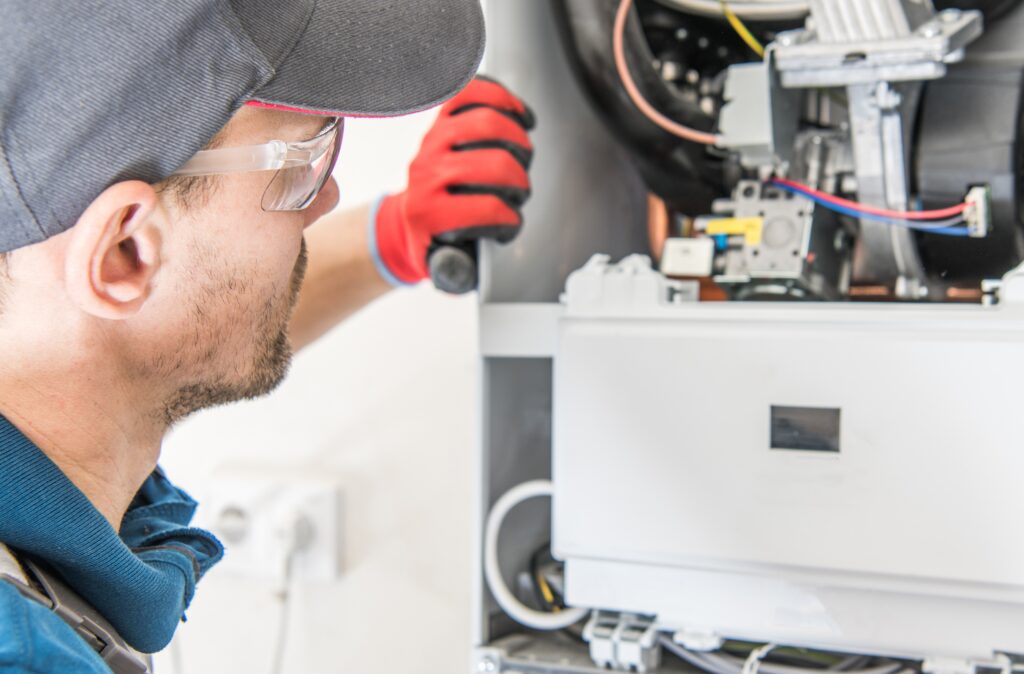
The lifespan of a furnace directly impacts your home comfort and budget. Being informed about this topic helps property owners avoid sudden failures during the cold season, plan for necessary expenses, and make decisions about upgrades or repairs. Here are some primary reasons why understanding furnace lifespan matters:
- Cost Savings: Knowing when your furnace is nearing the end of its expected life can help you avoid costly emergency repairs and take advantage of planned replacement options.
- Energy Efficiency: Older units tend to lose efficiency, driving up energy bills. Keeping track of your furnace’s age can prompt timely upgrades that lower your utility expenses.
- Safety: Aging furnaces can develop dangerous issues like gas leaks or carbon monoxide emissions. Regular awareness of lifespan and condition promotes home safety.
- Comfort: A well-maintained furnace ensures steady, reliable warmth without sudden breakdowns or inconsistent heating.
5 Main Factors That Influence How Long a Furnace Lasts
Several factors affect the durability and ongoing performance of furnaces. Understanding these can help extend the useful life of your heating system. The following list breaks down the key influences:
1. Furnace Type and Quality
The initial build quality and type of furnace are primary determinants of longevity. Different furnace types offer varying lifespans:
- Gas Furnaces: Typically last between 15 to 30 years depending on maintenance and model quality.
- Electric Furnaces: Generally have a longer lifespan, around 20 to 30 years, due to fewer mechanical parts and less wear.
- Oil Furnaces: Can last 15 to 25 years but require more frequent maintenance due to fuel residue.
2. Maintenance Frequency and Quality
Regular upkeep is critical for extending furnace life and preventing premature breakdowns. Scheduled inspections, cleaning, and parts replacement keep the system working optimally.
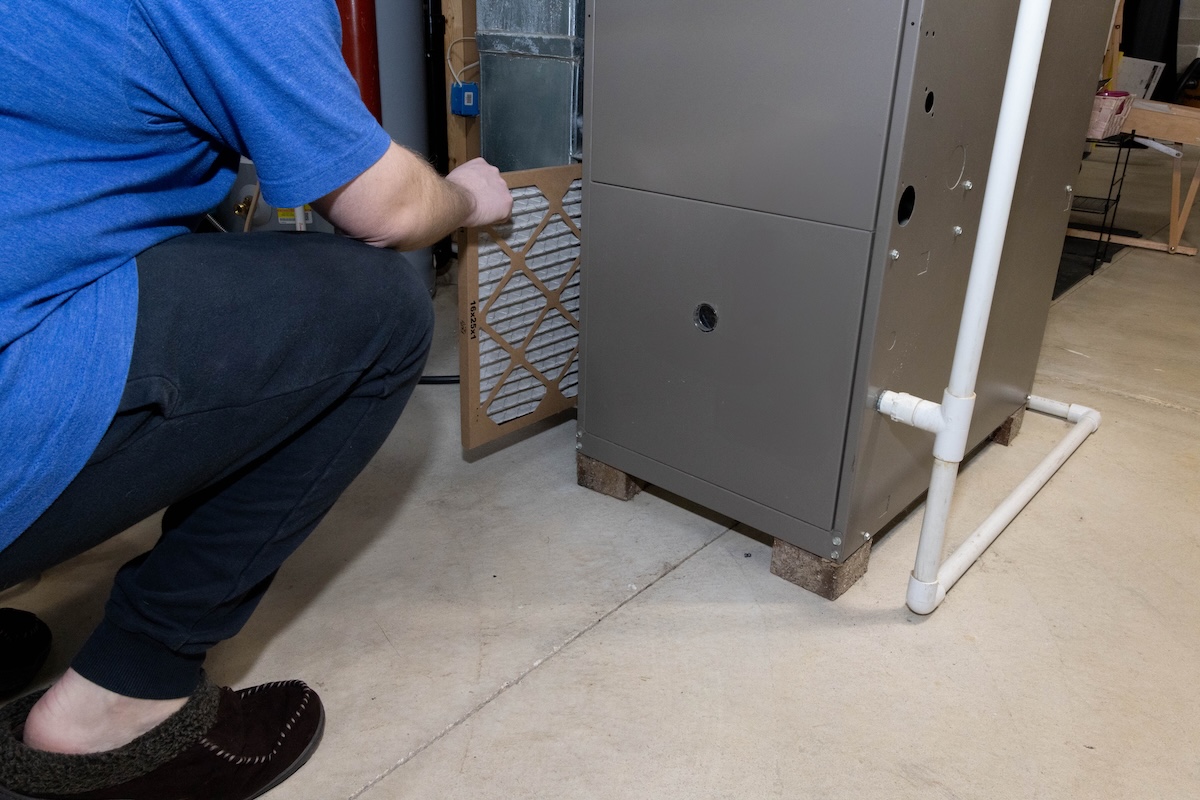
- Changing filters every 1 to 3 months improves airflow and reduces strain.
- Annual professional inspections can catch minor issues before they escalate.
- Lubricating moving parts helps prevent mechanical wear.
3. Usage Patterns and Climate
The frequency and intensity of furnace operation impact wear and tear. Homes in colder regions require longer runtimes, which can shorten lifespan.
- High usage during harsh winters accelerates component fatigue.
- Intermittent operation allows parts to cool down, reducing stress.
- Consistent, moderate use supports steady wear rates and performance.
4. Installation Quality
Proper installation by certified professionals ensures optimal comfort and equipment longevity. Poor setup can cause uneven wear or operational inefficiencies.
- Incorrect sizing causes the furnace to cycle too frequently or strain under load.
- Improper venting leads to overheating or gas flow issues.
- Faulty electrical connections increase risk of breakdowns.
5. Technological Features
Modern furnaces with advanced features like variable speed blowers and smart thermostats typically offer better efficiency and component protection, which can extend operational lifespan.
- Variable speed motors reduce wear by adjusting airflow smoothly.
- Diagnostics enable early failure detection and preventive action.
- Energy-efficient models produce less operational stress.
Tips to Prolong Your Furnace’s Life
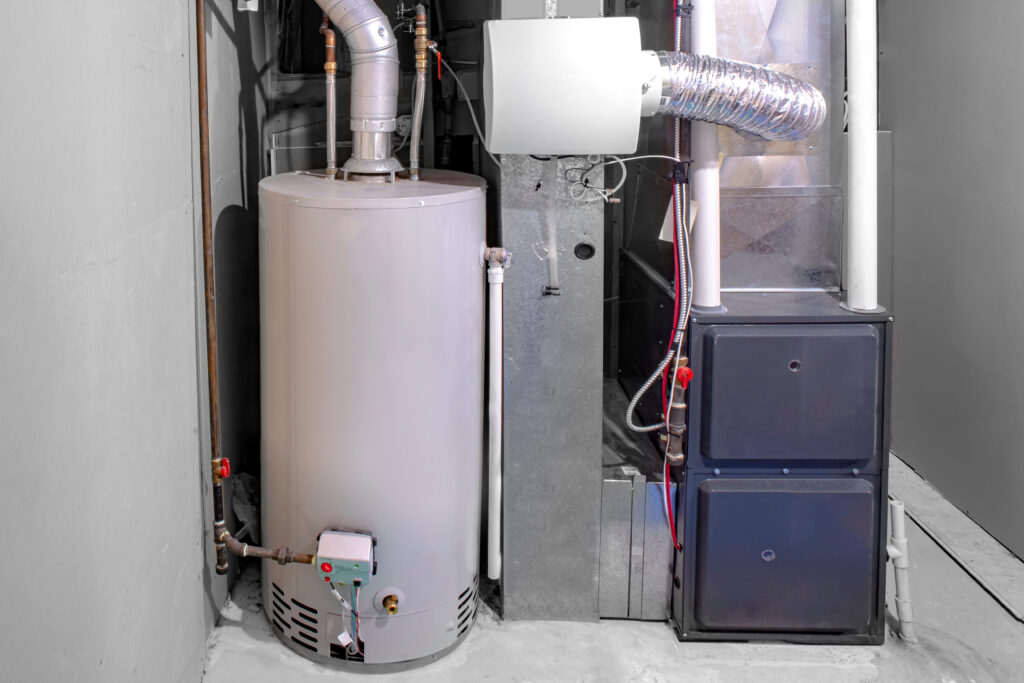
Maximizing your furnace’s lifespan involves several smart habits and timely servicing. Below are effective ways to keep your furnace dependable for many years.
Routine Filter Replacement
Filters trap dust and debris; neglecting changes leads to clogged airflow and increased strain. Replace filters based on manufacturer recommendation or more often if you have pets or allergies.
Annual Professional Checkups
Hiring an HVAC technician yearly to inspect, clean, and tune your furnace helps identify potential problems, optimize performance, and maintain safety standards.
Keep the Surroundings Clean
Ensure the furnace area is free from dust buildup and clutter that could block vents or cause overheating. Clean the blower and accessible parts carefully during maintenance.
Install a Programmable Thermostat
Reducing furnace runtime when you’re away or asleep lowers overall stress on the system, extending component life and lowering energy costs.
Address Repairs Promptly
Ignoring minor malfunctions can cause major damage. Prompt action on strange noises, uneven heating, or increased bills prevents long-term issues.
Signs It’s Time to Replace Your Furnace
Determining when to replace your furnace is essential to avoid discomfort and unexpected expenses. Here are typical indications that your system may have reached the end of its useful life.
Age Exceeds 15 to 20 Years
Most furnaces last around two decades. Even if it functions, older units often operate less efficiently and are prone to breakdowns.
Rising Fuel Bills Without Increased Use
Declining efficiency causes higher energy consumption to produce the same heat output. Noticeable spikes in utility costs can hint at furnace aging.
Frequent Repairs
Repeated service visits for various malfunctions suggest your furnace is no longer reliable or cost-effective to maintain.
Poor Heating Quality
Inconsistent warmth or cold spots in the home may result from aging furnace components not delivering optimal airflow or heat distribution.
Noticeable Noise or Odors
New, unusual sounds such as banging or rattling, or persistent odors from the furnace, can indicate mechanical or safety problems.
Comparing Furnace Types and Typical Lifespans
| Furnace Type | Average Lifespan (Years) | Pros | Cons |
| Gas Furnace | 15-30 | Efficient heatingWidely available fuel sourceLower operating costs in many regions | Requires ventilationHigher safety risk if improperly maintained |
| Electric Furnace | 20-30 | Simple design with fewer moving partsNo fuel storage neededLow installation cost | Higher operating costs in some climatesLess effective in very cold regions |
| Oil Furnace | 15-25 | High heat outputDependable in cold climates | Fuel storage requiredMore frequent maintenanceFuel price volatility |
Choosing the right furnace depends on your home’s heating demands, fuel availability, and maintenance preferences.
When to Consult Heating Professionals
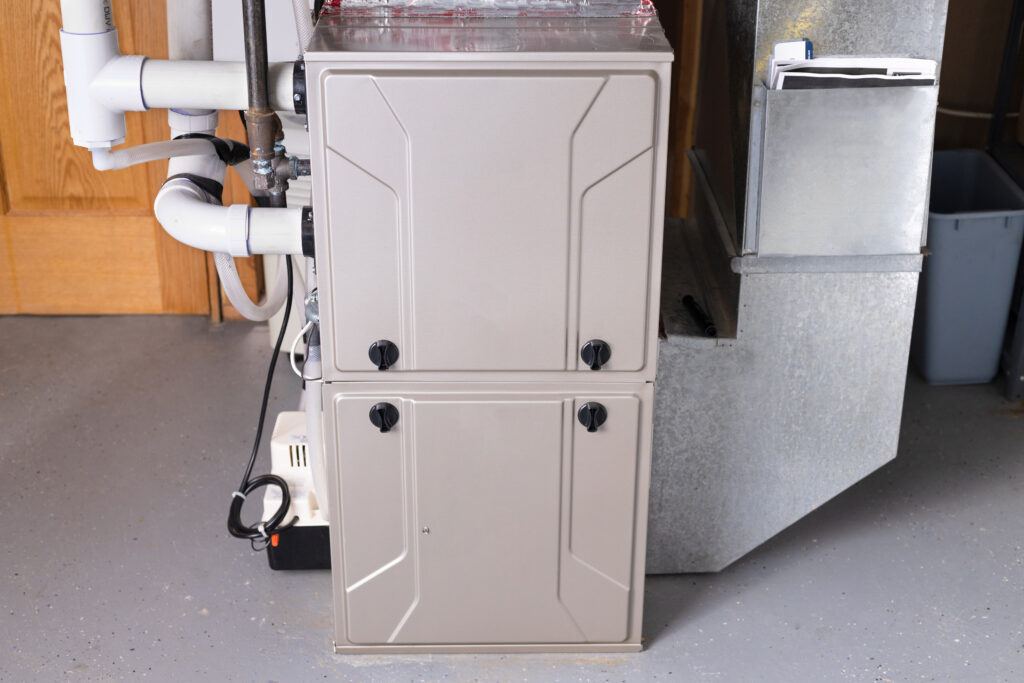
While general upkeep is manageable for many homeowners, complex repairs and inspections require expert knowledge. Heating specialists can assess system health, offer personalized maintenance plans, and recommend furnace replacement options that best fit your home environment.
- Annual Tune-Ups: Booking yearly appointments ensures your furnace operates safely and efficiently through the cold season.
- Emergency Repairs: Certified technicians respond quickly to sudden breakdowns, restoring warmth promptly.
- Upgrade Advice: Professionals help identify models with energy-saving features tailored to your needs and guide through installation.
For comprehensive heating system solutions, consider reaching out to those specializing in furnace services to secure your home’s comfort and safety all year long.
Your Furnace Lifespan
Knowing how long does a furnace last empowers you to maintain a safe, efficient, and comfortable home environment. By understanding the factors influencing furnace lifespan, keeping up with maintenance, and recognizing signs of aging equipment, you can optimize your heating investment wisely. Don’t wait for chilly days to reveal furnace troubles; proactive care and timely upgrades preserve home warmth and energy savings.
If you’re ready to ensure your heating system’s longevity or explore replacement options, contact us today for expert advice and professional services that keep your furnace in top condition.

