



November 7, 2025
How Long Does a Furnace Last? Factors Affecting Lifespan
When you rely on your heating system through chilly winters in Gaithersburg, MD and surrounding areas, it’s natural to wonder how much longer it will hold up before needing replacement. Homeowners often ask how long does a furnace last, especially when repair costs start to rise or performance begins to dip. Understanding your furnace’s lifespan helps you plan ahead, avoid sudden breakdowns, and keep your home consistently comfortable.
Your furnace is one of the most important—and expensive—systems in your home. With routine maintenance, quality installation, and care from professionals, it can serve you reliably for many years. However, every unit’s lifespan varies based on usage habits, environmental conditions, and how well it’s maintained. Partnering with experts who specialize in heating system services ensures your equipment stays in top condition year after year.
In this guide, you’ll learn:
- The average lifespan of a residential furnace
- Key factors that influence how long your furnace lasts
- Signs your furnace might be nearing the end of its life
- How maintenance and upgrades can extend system performance
- When it’s time to repair or replace your furnace
Why Furnace Lifespan Matters for Homeowners
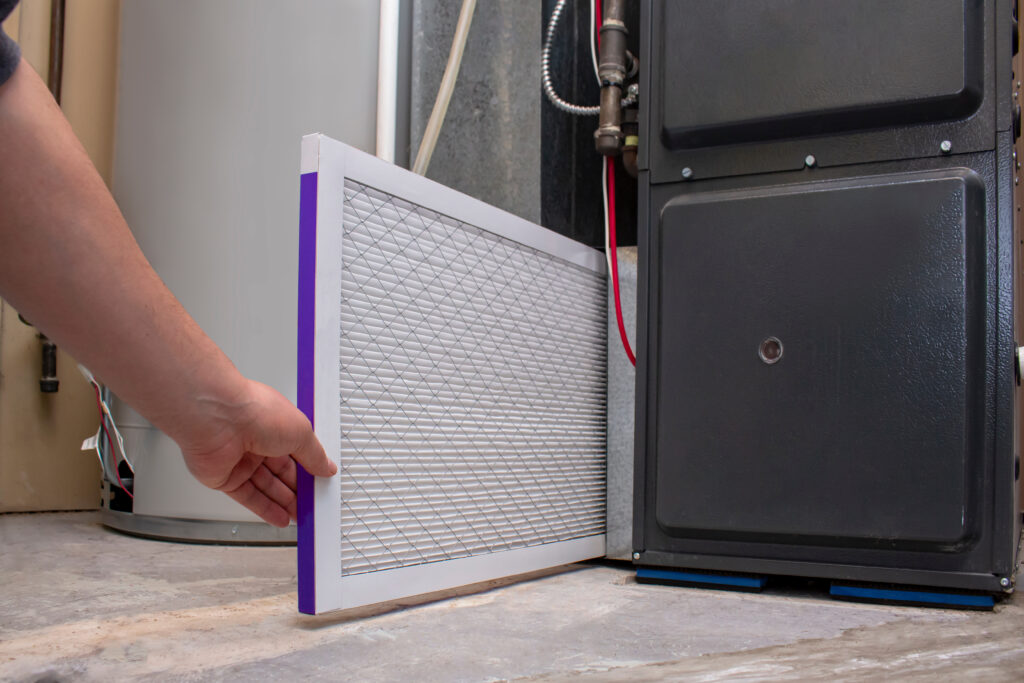
Your furnace plays a major role in both home comfort and household budgeting. Knowing its expected lifespan helps you plan for future expenses, make smart upgrade decisions, and stay ahead of potential failures.
Key reasons this topic matters:
- Financial Planning: A furnace replacement is a significant investment. Understanding average lifespan helps you budget in advance.
- Energy Efficiency: Older units tend to lose efficiency, leading to higher utility bills. A well-maintained furnace keeps energy costs manageable.
- Home Comfort: When your furnace performs efficiently, it keeps your home evenly heated without fluctuations or cold spots.
- Safety: Aging furnaces can develop issues like carbon monoxide leaks or poor ventilation. Timely upgrades prevent safety risks.
- Resale Value: A newer, efficient furnace can boost your home’s market appeal and increase buyer confidence.
Average Furnace Lifespan and the Factors That Influence It
While the average furnace lasts around 15–20 years, that number can change depending on the system type, maintenance routine, and environmental conditions. Let’s look at what influences your furnace’s long-term performance.
1. Type of Furnace
Different furnaces have varying lifespans based on how they’re built and the energy source they use.
- Gas furnaces: Typically last 15–20 years with proper maintenance
- Electric furnaces: Can last 20–30 years, since they have fewer moving parts
- Oil furnaces: Generally last 15–25 years but require regular cleaning and tune-ups
Electric models often outlast gas systems but cost more to operate, especially in colder climates. The key is finding a balance between performance and energy cost for your home’s needs.
2. Installation Quality
Even the best furnace won’t perform well if it’s installed incorrectly. Professional installation ensures correct sizing, safe ventilation, and balanced airflow. A poor installation can lead to frequent repairs and a shortened lifespan.
What to look for in a professional installer:
- Proper system sizing for your home’s square footage
- Accurate ductwork connection and sealing
- Verification of safety features and airflow calibration
3. Maintenance Routine
Regular maintenance is one of the most important factors in how long your furnace lasts. Neglected systems wear out faster and cost more to operate. With annual inspections, you can prevent breakdowns, catch small issues early, and extend the life of your unit.
Maintenance should include:
- Replacing filters regularly
- Cleaning burners, fans, and heat exchangers
- Checking gas connections and carbon monoxide levels
- Inspecting ductwork for leaks and obstructions
4. Frequency of Use
Furnaces in colder regions or larger homes naturally run longer during the heating season, leading to more wear and tear. In Gaithersburg, MD and surrounding areas, where winters can be lengthy, this usage can gradually shorten the lifespan if maintenance isn’t consistent. If you live nearby, scheduling routine system checkups—especially for homeowners in areas like Frederick—helps ensure your furnace continues to perform efficiently.
5. Airflow and Duct Condition
Clogged ducts, dirty filters, or blocked vents force your furnace to work harder. This stress accelerates wear on components like motors and heat exchangers. Keeping ducts clean and air pathways open helps the system operate efficiently and last longer.
6 Signs Your Furnace May Be Nearing the End of Its Life
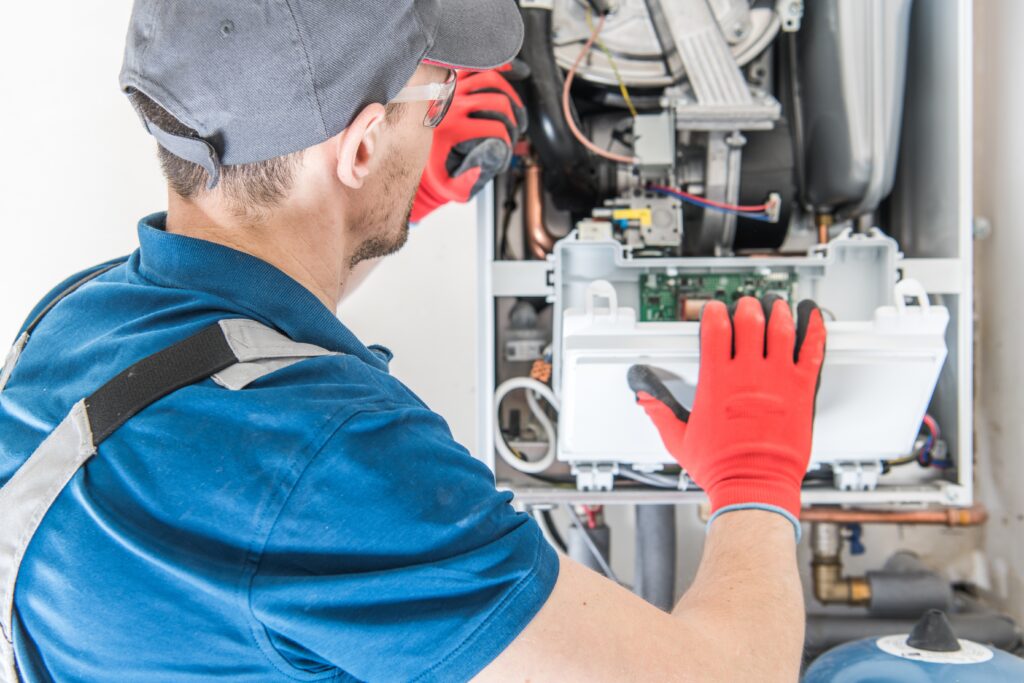
As furnaces age, they begin to show subtle and sometimes not-so-subtle signs that they’re wearing out. Knowing what to look for helps you take action before a total breakdown happens. You can explore related insights in our guide on what size furnace you need and compare your system’s performance to current standards.
1. Increasing Energy Bills
If your energy usage hasn’t changed but your bills are climbing, your furnace is likely losing efficiency. Over time, internal parts wear down, requiring more energy to produce the same amount of heat.
Common causes include:
- Dirty burners or filters
- Failing blower motor
- Poor airflow from leaky ducts
A professional inspection can determine whether a tune-up or replacement is more cost-effective.
2. Uneven Heating
When some rooms are warmer than others, it often indicates declining performance. This could stem from ductwork issues, worn components, or poor air distribution. If this problem persists after maintenance, your system may be nearing the end of its useful life.
3. Frequent Repairs
Needing more than one or two repairs each winter is a clear red flag. The costs can quickly add up, and it may be wiser to invest in a new, efficient system instead of repeatedly fixing an aging one.
4. Strange Noises or Smells
Grinding, rattling, or popping noises often point to internal wear. Unusual odors, like burning dust or fuel, can indicate mechanical issues or leaks. These should always be checked immediately for safety reasons.
5. Yellow Pilot Light
If your furnace’s pilot light turns yellow instead of blue, it may be producing carbon monoxide—a serious safety risk. Have a professional inspect it right away.
6. Visible Rust or Corrosion
Moisture, poor ventilation, or leaks can cause rust to develop on the furnace cabinet or components. Corrosion not only affects performance but can also compromise structural integrity.
How to Extend the Life of Your Furnace
Fortunately, several practical steps can help you get the most out of your furnace investment. Proper care doesn’t just add years—it ensures your system runs safely and efficiently.
Best practices to prolong furnace life:
- Change filters regularly: Replace every 1–3 months for optimal airflow.
- Schedule annual tune-ups: Professional inspections keep components in top shape.
- Keep vents clear: Avoid blocking airflow with furniture or curtains.
- Seal air leaks: Prevent warm air from escaping through windows, doors, and ducts.
- Monitor thermostat settings: Avoid frequent temperature changes that strain the system.
Energy Efficiency and Furnace Upgrades
Even with the best care, furnaces eventually reach a point where upgrading becomes the smarter choice. Modern systems offer advanced features that improve comfort, reduce energy waste, and minimize environmental impact.
High-Efficiency Furnaces
Newer models often boast Annual Fuel Utilization Efficiency (AFUE) ratings of 90% or higher, meaning they convert nearly all fuel into usable heat. Older furnaces typically operate between 60%–80% AFUE, so upgrading can reduce heating costs by up to 30%.
Variable-Speed Blowers
These motors adjust airflow gradually, improving temperature consistency and reducing noise. They also consume less electricity compared to single-speed systems.
Smart Thermostats
Pairing a new furnace with a smart thermostat gives you precise control over heating schedules. These devices learn your habits and automatically adjust temperatures for maximum efficiency.
Sealed Combustion Systems
Modern furnaces draw air from outside rather than indoor spaces, improving safety and minimizing drafts.
When Repair Costs Outweigh Replacement
A major decision homeowners face is whether to keep repairing an aging furnace or invest in a new one. While small repairs are normal, recurring issues often signal it’s time for an upgrade. To better understand long-term repair versus replacement considerations, our blog on the 5000 rule for HVAC offers a practical formula that can help you decide confidently.
When to consider replacement:
- The furnace is 15 years or older
- Repair costs exceed 50% of replacement value
- Efficiency has dropped significantly
- Comfort levels are inconsistent despite maintenance
Here’s a quick comparison:
| Condition | Repair | Replace |
| Furnace under 10 years old | ✅ Usually worth repairing | ❌ Not necessary yet |
| Furnace 10–15 years old | ⚠️ Depends on cost and condition | ⚠️ Consider upgrade soon |
| Furnace 15+ years old | ❌ Typically not cost-effective | ✅ Recommended |
| Frequent repairs or rising bills | ❌ Short-term fix | ✅ Long-term savings |
If you’re unsure which option fits your situation, a trusted HVAC professional can provide an honest evaluation based on your furnace’s performance and history.
The Role of Professional Maintenance
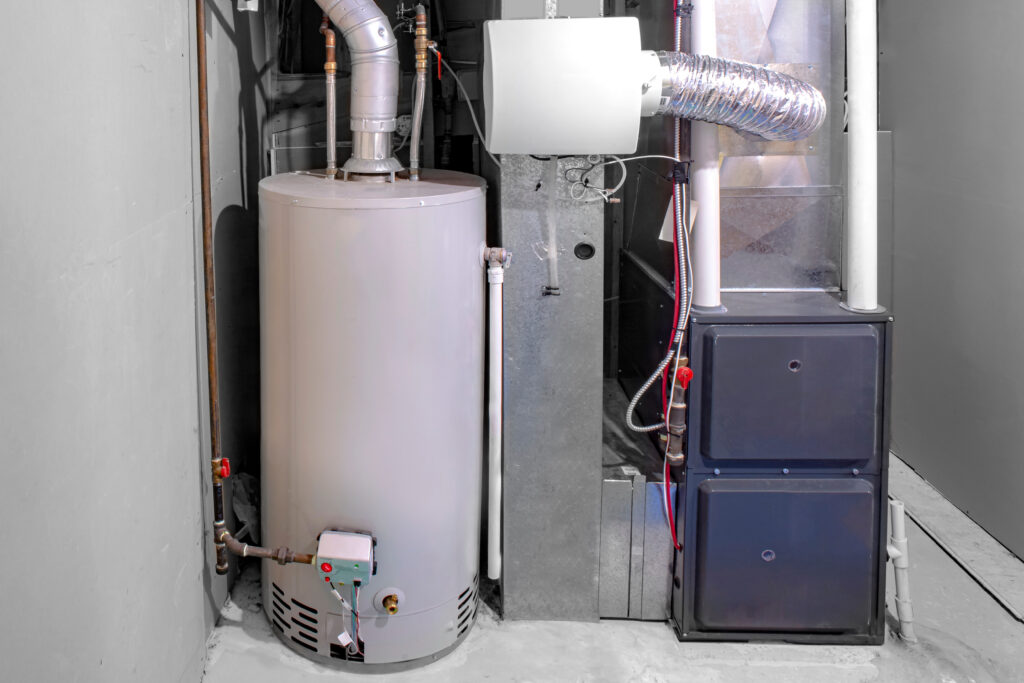
A licensed technician is essential for preserving furnace health. They don’t just clean and test parts—they assess performance trends that could indicate future problems. Homeowners in communities such as New Market can especially benefit from scheduled annual maintenance to keep their system running at peak performance.
During professional maintenance, technicians:
- Lubricate moving parts to reduce wear
- Inspect heat exchangers for cracks
- Test safety controls and thermostat calibration
- Check for gas leaks and combustion efficiency
- Evaluate overall system performance
These steps help ensure safety, comfort, and longevity while maintaining manufacturer warranty requirements.
Keeping Your Home Warm and Efficient with Smock HVAC
Homeowners across Gaithersburg, MD and surrounding areas rely on Smock HVAC to keep their heating systems running at peak performance. Our technicians specialize in detailed inspections, precise installations, and long-term maintenance that extend your furnace’s lifespan. Whether you need an efficiency tune-up or a full system replacement, we provide clear recommendations and upfront pricing so you can make confident decisions.
At Smock HVAC, we believe education and transparency go hand-in-hand with quality work. We’ll help you understand how your furnace operates, what maintenance steps matter most, and how to maximize comfort while keeping costs down. Smock HVAC proudly serves Gaithersburg, MD and surrounding areas, including nearby communities like Mt. Airy, helping local homeowners enjoy safe, efficient heating through every season.
If you’re unsure about your furnace’s age, performance, or replacement timing, contact us today to schedule an inspection or service appointment. Smock HVAC proudly serves Gaithersburg, MD and surrounding areas, helping local homeowners enjoy safe, efficient heating through every season.

