



December 24, 2025
How Does a Hot Water Heater Work? (Full Process Explained)
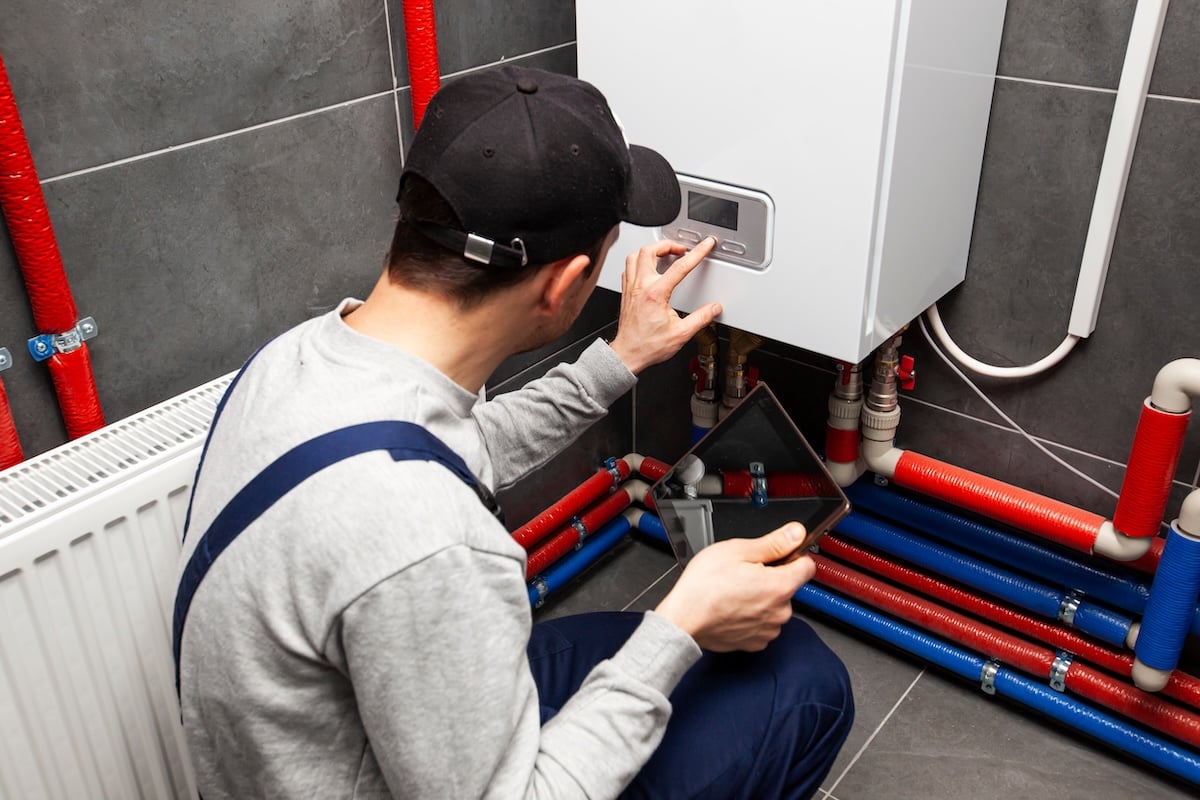
Understanding how does a hot water heater work is essential for every homeowner or renter. Hot water heaters provide the warm water needed for daily activities like bathing, cooking, and cleaning, making them a crucial part of any home’s plumbing system. Knowing the basics of how these devices operate can help you troubleshoot issues, improve efficiency, and decide when it’s time to call for professional maintenance or replacement. If you want to learn more about solutions to keep your water heater running smoothly, consider exploring comprehensive water heater services designed to optimize performance and longevity.
- Key components and operation principles of a hot water heater
- The step-by-step process of heating water in different types of systems
- Common types of hot water heaters and how they differ
- Tips for maintaining and improving your hot water heater’s efficiency
Why Understanding How a Hot Water Heater Works Is Important
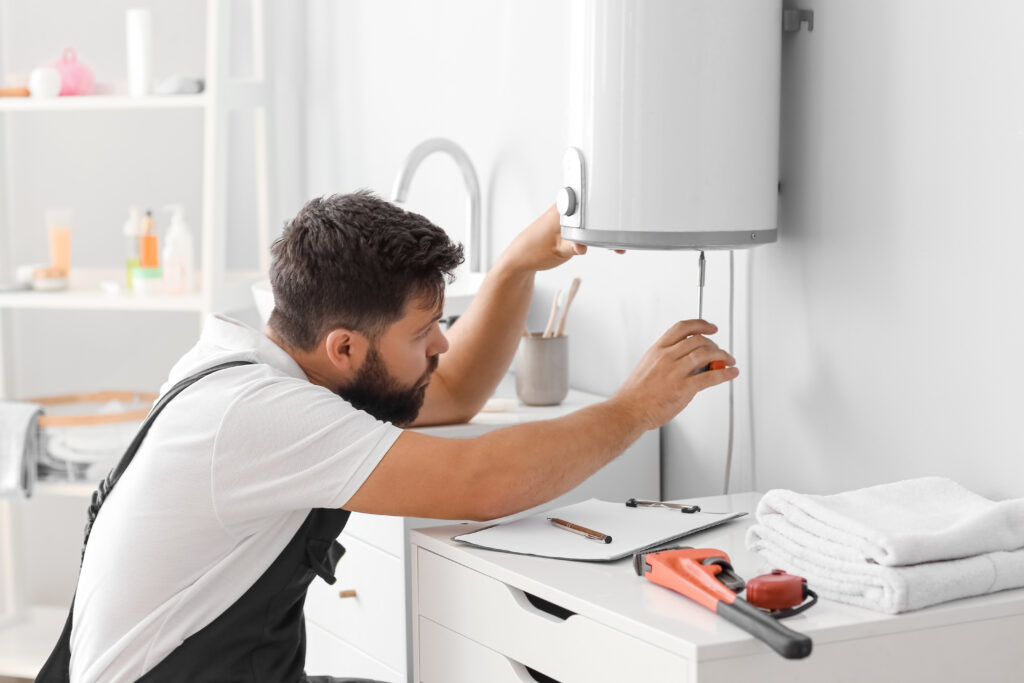
Knowing how your hot water heater operates provides valuable insight that can save you time, money, and inconvenience. From diagnosing problems to selecting the right system for your home, understanding this household workhorse benefits you in many ways.
- Improved Troubleshooting: When you understand the heating process, identifying issues such as leaks, no heat, or strange noises becomes easier, helping you communicate effectively with technicians.
- Energy Efficiency: Understanding the heating process allows you to adopt better habits and maintenance routines that reduce energy consumption and lower utility bills.
- Extended Equipment Lifespan: Knowing how the hot water heater works enables timely maintenance and replacements of worn parts before major failures occur.
- Informed Purchasing Decisions: Awareness of different types and their functions helps you choose the best water heater tailored to your household’s specific needs.
- Safety Awareness: Handling gas or electric water heaters involves risks; understanding their operation encourages safe practices and alerts you to potential hazards.
6 Step Process: How Does a Hot Water Heater Work?
Hot water heaters come primarily in two types: tank-based and tankless heaters. Each type uses a different method to heat water, but both rely on similar core principles. Here is an in-depth explanation of how these systems work step by step.
1. Cold Water Intake
The process begins when cold water enters the heater through a dedicated inlet pipe. A dip tube directs the incoming cold water to the bottom of the tank, ensuring that hot water remains at the top, ready for use like in traditional tank heaters.
- Cold water flows steadily into the heater from your home’s main supply line.
- In tankless systems, cold water passes through the heater on demand instead of being stored.
2. Heating Element Activation
The heater’s thermostat detects the water temperature and signals the heating mechanism to activate when the temperature falls below a preset level. If you’re comparing systems, this guide on gas vs electric water heaters breaks down the pros, cons, and long-term cost considerations for each fuel type.
- In electric water heaters, resistance heating elements warm the water.
- Gas water heaters ignite burners beneath the tank to produce heat.
- Tankless models use electric coils or gas burners to heat water instantly as it flows through a heat exchanger.
3. Heat Transfer
Once activated, heat is transferred to the water through conduction. In tank systems, the water gradually warms as heat energy spreads throughout the tank. Tankless heaters use heat exchangers to rapidly raise the temperature while the water moves.
- Insulation around the tank keeps heat loss minimal in storage systems.
- Tankless units optimize on-demand heating, minimizing standby energy losses.
4. Hot Water Delivery
When you open a hot water faucet, heated water exits from the top of the tank or immediately flows out in tankless systems, delivering hot water through the home’s plumbing.
- In tanks, hotter water is pushed out by incoming cold water.
- Tankless systems heat water just as you need it, reducing wasted resources.
5. Temperature Regulation
The thermostat continuously monitors water temperature to maintain a comfortable and safe hot water level, minimizing overheating or scalding risks.
- Safety features such as pressure relief valves prevent dangerous pressure build-up.
- Modern units often include smart thermostats for improved control and efficiency.
6. System Cycling and Standby Maintenance
After hot water use stops, each type of heater manages heat differently to stay ready. Learn how upgrading to an energy efficient water heater can lower monthly utility costs while providing consistent hot water for your home.
- Tank-based heaters cycle periodically to keep stored water warm.
- Tankless units power down entirely until hot water is needed again, improving efficiency.
Enhancing Your Hot Water Heater’s Performance
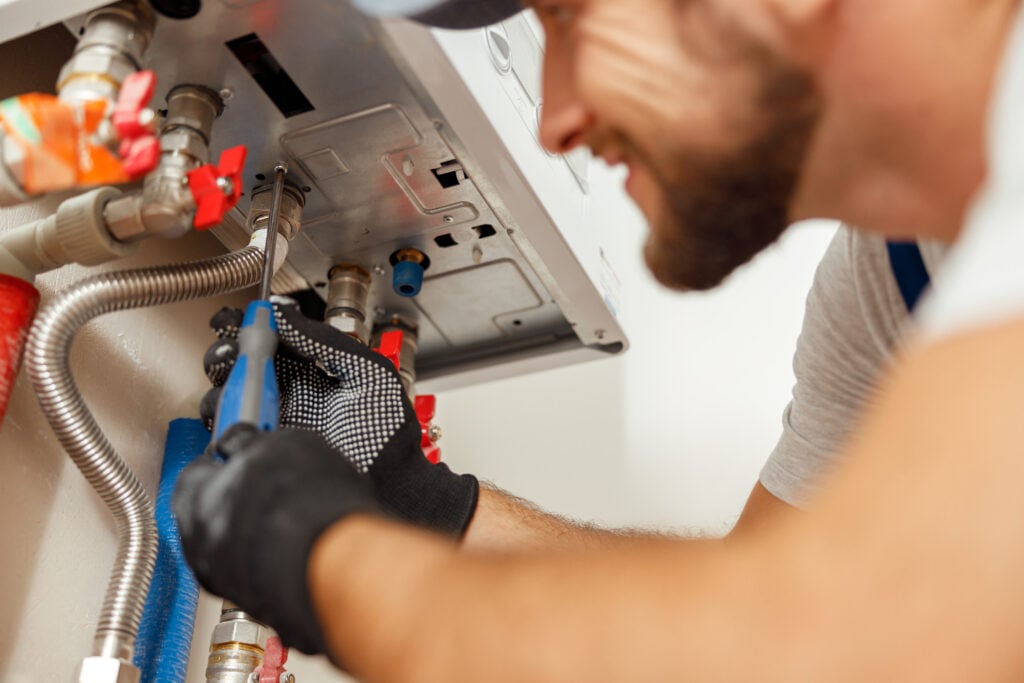
Keeping your hot water heater running efficiently requires proactive care. Here are ways you can enhance its performance and extend its lifespan.
- Regular Flushing: Sediment buildup inside the tank reduces efficiency and can cause damage. Flushing the tank annually removes sediment and keeps heating elements clear.
- Thermostat Settings: Set the thermostat to around 120°F (49°C) for optimal balance between comfort and energy savings.
- Insulation: Insulating your water heater tank and pipes reduces heat loss, which saves energy and keeps water warm longer.
- Leak Checks: Routinely inspect your water heater for leaks or corrosion to avoid costly repairs.
- Professional Maintenance: Engage licensed technicians for annual inspections and tune-ups to catch problems early. Homeowners seeking reliable HVAC and plumbing support can trust experienced HVAC services in Urbana to keep their water heating systems running smoothly year-round.
Choosing the Right Hot Water Heater for Your Home
Selecting the right water heater depends on many factors including household size, usage patterns, energy source availability, and budget. Here we explore the main types and considerations.
Comparison of Main Types
| Type | Description | Pros | Cons |
| Tank Storage Heater | Stores hot water in a tank for use as needed. | Lower upfront cost, simplicity, reliable hot water supply. | Energy loss when idle, bulkier size, temperature limits. |
| Tankless Water Heater | Heats water on demand without storage. | Energy-efficient, compact size, unlimited hot water supply. | Higher installation cost, limited flow rate. |
| Heat Pump Water Heater | Uses ambient air to heat water, powered by electricity. | Highly energy-efficient, environmentally friendly. | Higher upfront cost, requires warm space for installation. |
Factors to Consider
- Household Size: Larger households often need higher capacity storage tanks or multiple units.
- Energy Source: Choose between electric, gas, solar, or hybrid based on local availability and cost.
- Space Constraints: Tankless and heat pump units save space compared to storage tanks.
- Budget: Balance upfront investment against long-term energy savings.
Why Proper Hot Water Heater Care Matters
A functioning hot water heater is vital for both comfort and hygiene. Neglecting maintenance or efficient use can result in increased utility bills, inconvenient cold water supply, or costly repairs. Staying informed makes it easier to enjoy continuous hot water without surprises.
Signs Your Water Heater Needs Attention
- Inconsistent Water Temperature: Sudden changes or insufficient heat indicate thermostat or heating element problems.
- Strange Noises: Rumbling or popping sounds usually mean sediment buildup or component wear.
- Leaks or Moisture: Water pooling near the heater is a clear sign of tank corrosion or plumbing issues.
- Discolored Water: Rusty or cloudy water suggests corrosion inside the tank.
- Age: Standard water heaters last 8-12 years; older units often need inspection or replacement.
For dependable diagnostics and repairs, homeowners can rely on professional HVAC services in Clarksburg to restore comfort quickly and safely.
Smart Practices for Longevity
- Schedule Routine Inspections: Annual professional checks help detect and fix emerging problems early.
- Adjust Temperatures Seasonally: Lowering thermostat in summer reduces energy use.
- Install Water Softener: Hard water can accelerate sediment accumulation.
Understanding Your Water Heater
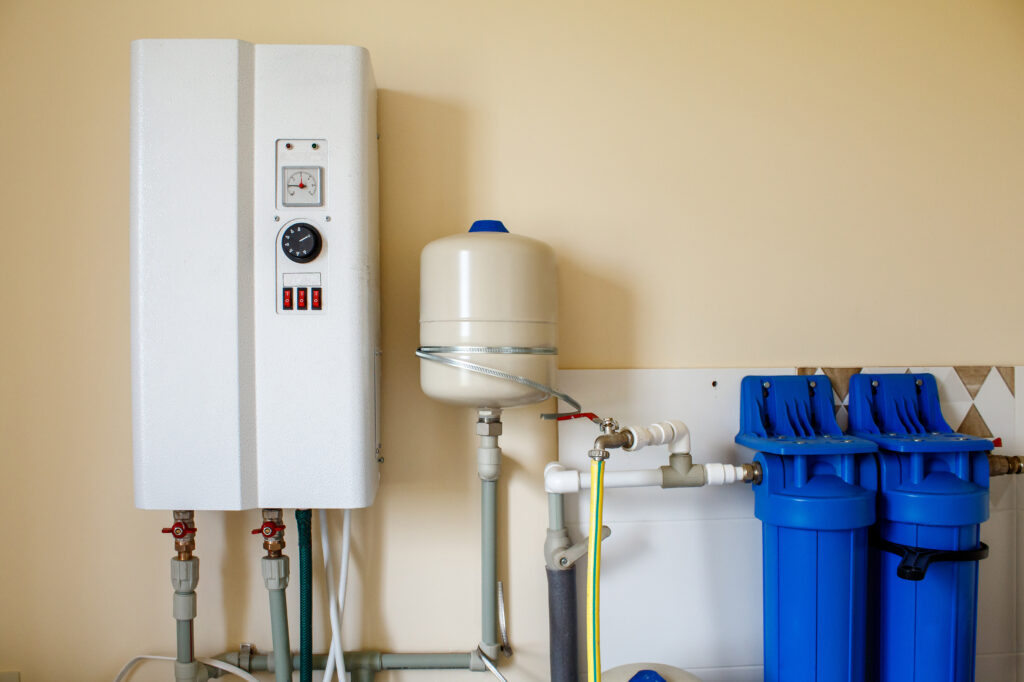
Knowing how does a hot water heater work empowers you to maintain your home’s comfort and efficiency. By understanding each component and the overall process, you can optimize performance, anticipate issues, and select the right water heater for your needs. Proper care and timely service minimize costly repairs, saving you money in the long run. For personalized advice or professional assistance with your water heater or plumbing system, do not hesitate to contact us today. Our experts are ready to help ensure your water heating system operates reliably for years to come. Homeowners can schedule expert evaluations through trusted HVAC services in Middletown to ensure their water heating systems operate reliably for years to come.

