



November 19, 2025
Heat Pump vs Furnace (Which Is Right for You?)
When it comes to keeping your home warm through the cold months, choosing between a heat pump vs furnace can feel confusing. Both systems heat your home effectively, but they work in very different ways and suit different climates, budgets, and energy goals. The right choice depends on your home’s setup, local weather, and how you prefer to manage heating costs throughout the year.
If you’re considering a new heating system or wondering whether it’s time to switch, understanding how each option works is the best place to start. Working with professionals who handle complete heating system services ensures your investment matches your home’s needs and delivers long-term efficiency.
In this guide, you’ll learn:
- How furnaces and heat pumps operate differently
- Which system performs best in various climates
- The advantages and drawbacks of each type
- Factors to consider before making a purchase
- Expert insights to help you choose confidently
Why Comparing Heating Systems Matters
For homeowners in Damascus, MD and surrounding areas, heating accounts for a large portion of annual energy bills. The system you choose impacts not only comfort but also long-term costs and energy efficiency. Making the right decision means understanding both the immediate and future effects on your home.
Why this choice is important:
- Energy Efficiency: A properly sized, efficient heating system can save hundreds of dollars per year.
- Comfort Control: The right system ensures steady, consistent warmth even on the coldest days.
- Environmental Impact: Modern systems reduce energy use and lower your home’s carbon footprint.
- System Longevity: Selecting the right equipment minimizes wear and extends system life.
- Budget Balance: Considering upfront and operating costs helps you make a smart financial decision.
Heat Pump vs Furnace: How They Work
Understanding the basic difference between a furnace and a heat pump helps you see why each system has unique strengths. While they share a common goal—keeping your home warm—the way they achieve it is very different.
1. How a Furnace Works
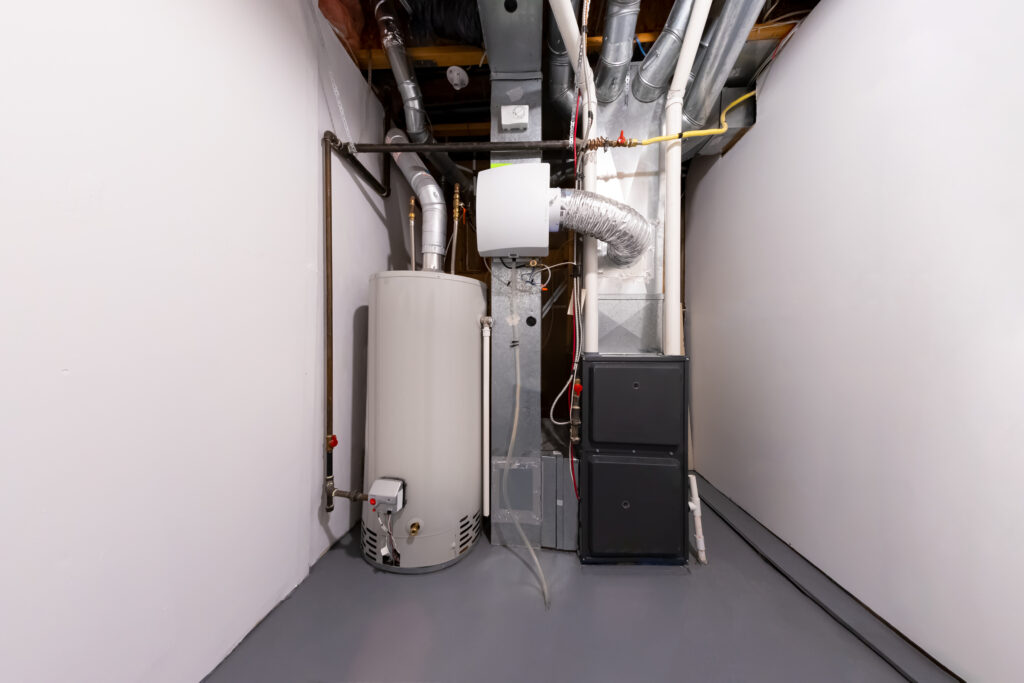
A furnace generates heat using fuel. Depending on the model, this fuel could be natural gas, propane, oil, or electricity. The system burns or converts the fuel into heat, which is distributed throughout your home using ductwork.
Key features:
- Produces heat directly
- Works independently of outdoor temperatures
- Provides powerful, fast heating during extreme cold
Gas furnaces are especially popular in colder regions because they produce strong, reliable heat even during subfreezing weather.
2. How a Heat Pump Works
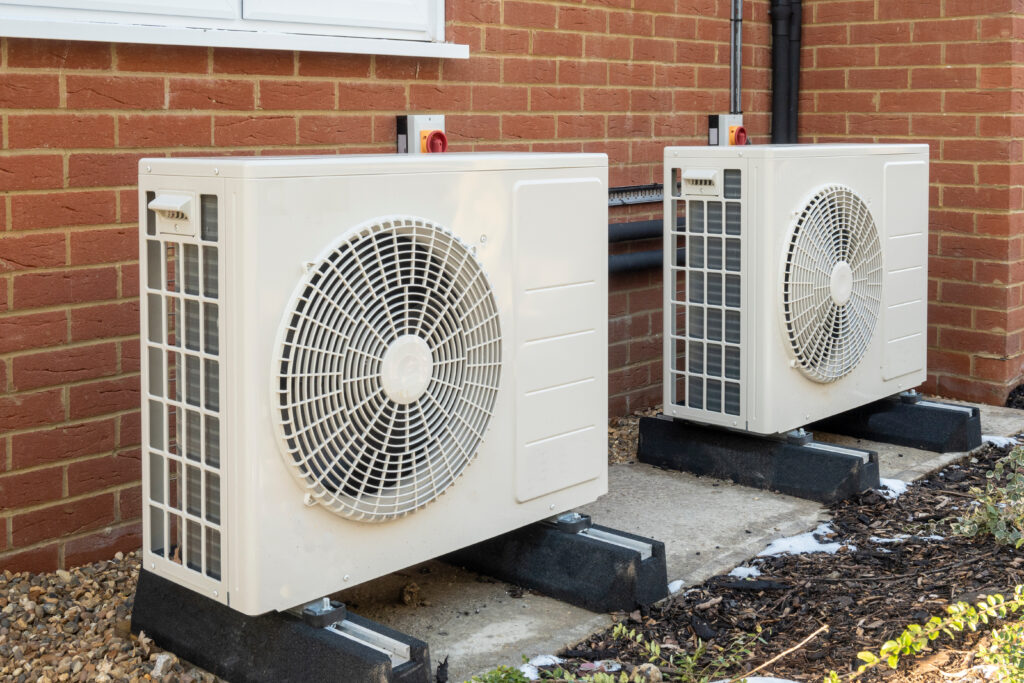
A heat pump doesn’t generate heat—it transfers it. In winter, it pulls heat from the outdoor air (even when it’s cold) and moves it indoors. In summer, the process reverses, and the system works like an air conditioner by moving heat out of your home.
Key features:
- Provides both heating and cooling
- Runs on electricity only
- Performs best in moderate climates
Heat pumps are known for efficiency because they move heat instead of creating it, using less energy overall.
Pros and Cons of Each Heating Option
To make the best decision for your home, it helps to weigh the strengths and weaknesses of both systems side by side.
| Feature | Furnace | Heat Pump |
| Primary Energy Source | Gas, oil, or electricity | Electricity |
| Heating Method | Generates heat | Transfers heat |
| Efficiency | Moderate to high (AFUE 80–98%) | Very high (300–400% efficient in mild weather) |
| Cold Weather Performance | Excellent, even in freezing temps | Reduced efficiency below freezing |
| Cooling Capability | Heating only | Heating and cooling in one system |
| Upfront Cost | Lower installation cost | Higher installation cost |
| Operating Cost | Higher in mild climates | Lower in moderate climates |
| Maintenance | Annual inspection and filter changes | Regular filter cleaning, coil inspection |
| Lifespan | 15–20 years | 10–15 years |
Both systems have distinct benefits, but your decision should reflect your home’s design, insulation quality, and regional temperatures.
5 Factors to Consider When Choosing Between a Heat Pump and Furnace
Selecting the right heating system involves more than just price. The best choice depends on your home’s design, local climate, and long-term energy goals. Below are the main factors that should guide your decision.
Energy Costs in Your Area
Electricity rates versus natural gas prices often determine which option is more economical. In Damascus, MD and surrounding areas, natural gas furnaces are popular due to reliable performance and moderate fuel costs. However, heat pumps can deliver excellent savings in homes with strong insulation and efficient ductwork that minimize energy loss.
Climate Conditions
Furnaces excel in colder regions, while heat pumps are ideal for areas with milder winters. Some homeowners choose a hybrid system that uses both—a heat pump for efficiency during moderate temperatures and a furnace for strong heat on freezing days. This setup ensures comfort and efficiency year-round.
Home Size and Insulation
Larger homes or those with poor insulation typically benefit from the high heat output of a furnace. Smaller or newly built, energy-efficient homes may perform better with a heat pump, which provides steady, even heating without overworking.
Installation and Maintenance
Heat pumps generally come with higher upfront installation costs but offer lower operating expenses over time. Furnaces, on the other hand, often have lower installation costs but may require ongoing fuel delivery and annual safety checks for combustion components.
Environmental Impact
If reducing your carbon footprint is a top priority, a heat pump is typically the greener choice since it runs entirely on electricity and doesn’t burn fuel. High-efficiency electric or hybrid models can help homeowners lower environmental impact while maintaining reliable comfort through every season.
Advantages of a Heat Pump
Heat pumps are gaining popularity because of their versatility and energy-saving performance. They’re especially appealing to homeowners looking for all-in-one comfort solutions.
Top benefits:
- Dual Functionality: Heats and cools your home, eliminating the need for separate systems.
- High Efficiency: Transfers heat rather than generating it, using less energy overall.
- Consistent Comfort: Maintains steady temperatures without the on-off cycling of traditional furnaces.
- Lower Carbon Footprint: Electric operation means fewer emissions and greater sustainability.
- Smart Technology Compatibility: Modern heat pumps easily integrate with smart thermostats for optimal performance.
However, keep in mind that in freezing temperatures, heat pumps may need supplemental heating from electric strips or a backup furnace to maintain warmth efficiently.
Advantages of a Furnace
Furnaces remain a top choice in colder climates for their strength and reliability. When temperatures drop below freezing, nothing beats the fast, direct heat they provide.
Top benefits:
- Powerful Heat Output: Produces strong, steady warmth even during severe cold spells.
- Long Lifespan: With proper maintenance, furnaces can last 15–20 years or more.
- Reliable Operation: Gas models work efficiently regardless of outside temperature.
- Lower Upfront Cost: Installation is often less expensive than a new heat pump system.
- Wide Availability: Fuel sources like natural gas and propane are accessible in most areas.
The main trade-off is that furnaces typically cost more to operate in mild climates due to fuel use and single-season functionality.
Hybrid Heating Systems: The Best of Both Worlds
For many homeowners, a hybrid setup offers the perfect balance between efficiency and reliability. A hybrid heating system combines a heat pump with a furnace, automatically switching between them depending on temperature and energy cost.
How it works:
- The heat pump runs during moderate temperatures for efficient heating.
- When outdoor temperatures fall below a certain point, the furnace activates for stronger heat output.
- Smart thermostats manage the transition automatically for comfort and savings.
Key benefits of hybrid systems:
- Reduces overall energy costs
- Extends equipment lifespan by sharing the workload
- Maintains comfort across a wide temperature range
- Ideal for regions with mixed winter weather, like Damascus, MD and surrounding areas
Cost Comparison: Heat Pump vs Furnace
While costs vary depending on brand, size, and efficiency rating, here’s a general comparison of what to expect for installation and operation.
| System Type | Average Installation Cost | Average Lifespan | Energy Efficiency |
| Heat Pump | $4,500–$9,000 | 10–15 years | 300–400% (in moderate temps) |
| Gas Furnace | $3,500–$7,500 | 15–20 years | 80–98% AFUE |
| Hybrid System | $7,500–$12,000 | 15–20 years | Variable (auto-optimized) |
Although heat pumps often have higher upfront costs, their efficiency can lead to long-term savings, especially in homes with low heating demands. Furnaces, on the other hand, offer strong performance and longevity for homes that experience colder, longer winters.
Maintenance Tips for Either System
Whether you choose a heat pump or furnace, routine maintenance keeps your system running efficiently and extends its lifespan.
Essential tips:
- Change air filters every 1–3 months.
- Schedule annual professional inspections.
- Keep outdoor units clear of debris and snow.
- Seal ducts and check insulation to prevent air loss.
- Test thermostats seasonally for accurate temperature control.
Partnering with an HVAC company that offers ongoing maintenance plans helps ensure both efficiency and safety year after year.
Why Homeowners in Damascus Trust Smock HVAC
Homeowners across Damascus, MD and surrounding areas turn to Smock HVAC because we prioritize education, transparency, and comfort-first service. Our licensed technicians don’t just install heating systems—they help you understand how each option fits your home and long-term goals.
Whether you’re upgrading an older furnace, exploring heat pump options, or considering a hybrid setup, we’ll guide you through every step of the process. With detailed system evaluations and honest recommendations, we make it easy to choose confidently and comfortably.
Ready to Choose the Right Heating System?
If you’re weighing the choice between a heat pump and a furnace, Smock HVAC can help you make an informed, confident decision. Our experts serve Damascus, MD and surrounding areas, offering personalized assessments that factor in your home’s size, insulation, and budget.
We specialize in energy-efficient installations, reliable repairs, and trusted maintenance programs designed to keep your system running at peak performance.
To schedule your in-home heating consultation or explore your best options, contact us today. Smock HVAC is here to help you stay warm, comfortable, and confident all winter long—no matter which system you choose.

