



September 24, 2026
Heat Pump Maintenance (9 Tips to Extend Your System’s Life)
Heat pump maintenance is one of the most important investments a homeowner can make — and one of the most overlooked. Unlike a furnace or central air conditioner that handles a single season, heat pumps operate year-round to keep your home comfortable, which means they accumulate wear faster and depend even more heavily on consistent care to reach their full lifespan. Understanding why heat pump maintenance is important and building a proper heat pump maintenance plan protects your investment for years to come. If you want a system that performs reliably through Maryland’s humid summers and cold winters, our heat pump services cover everything from routine tune-ups to full system evaluation. In this guide, we cover:
- Why heat pump maintenance is important for every Maryland homeowner
- 9 practical tips that form a complete heat pump maintenance plan
- What you can handle yourself and what requires professional heat pump maintenance
- How proper maintenance affects energy efficiency, comfort, and system lifespan
We’re proud to serve homeowners in Frederick, MD, and nearby communities with heat pump repair, maintenance, and installation services, and more.
Why Heat Pump Maintenance Is Non-Negotiable
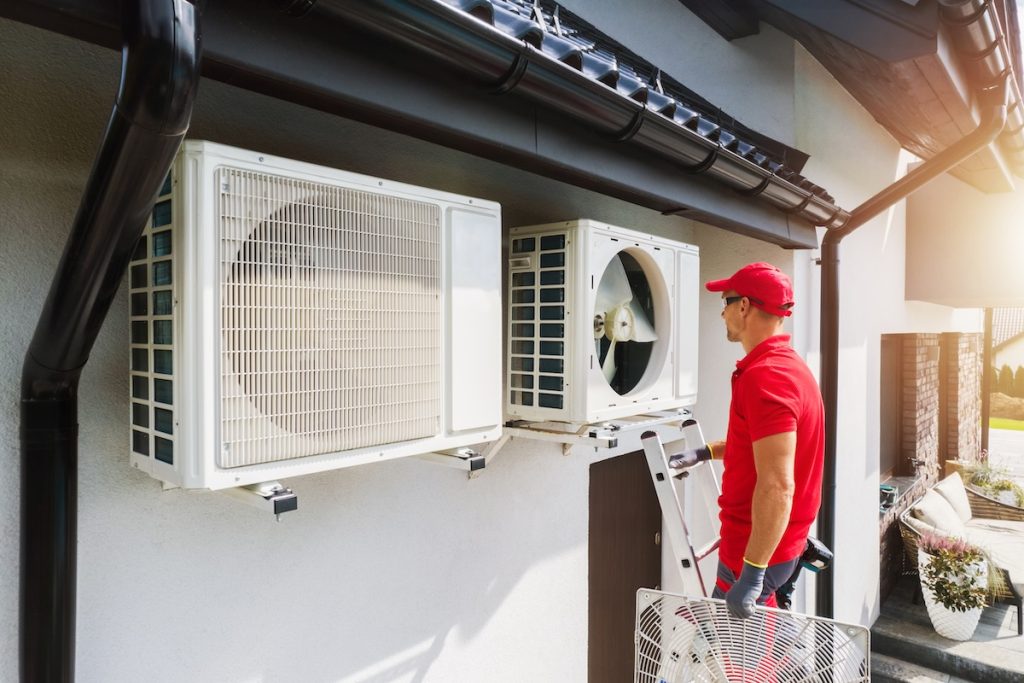
A heat pump system that runs without regular maintenance loses energy efficiency gradually, accumulates wear on components that could have been caught early, and ultimately fails years before it should. Most heat pumps operate for 15 to 20 years with proper care, but neglected systems frequently fall short of that by a wide margin. The maintenance requirements for a heat pump differ slightly from a standard furnace or AC system because the same components handle both heating and cooling season demands. That means the refrigerant system, coils, reversing valve, and electrical components all see double the seasonal demand, making a consistent professional heat pump maintenance schedule even more critical for protecting performance and longevity. Homeowners who invest in regular upkeep consistently see lower energy bills, fewer repair calls, and systems that reach or exceed their rated lifespan.
9 Heat Pump Maintenance Tips to Extend Your System’s Life
These tips range from simple monthly habits to annual professional tasks. Together they form a complete heat pump maintenance plan that keeps your system running efficiently and reliably through every cooling season and heating season.
1. Replace Air Filters Regularly
Replacing air filters is the single most impactful task a homeowner can perform on their own, and it is also the one most commonly neglected. A clogged filter restricts airflow across the indoor coil, forces the blower motor to work harder, degrades indoor air quality, and can cause the coil to freeze during cooling season or overheat during heating season. Replacing air filters regularly is the foundation of any proper heat pump maintenance plan.
- Frequency: Check the filter monthly and replace it every one to three months depending on household conditions.
- Pet and allergy households: Replace more frequently, often monthly, to maintain proper airflow and indoor air quality.
- Filter rating: Choose a MERV rating appropriate for your heat pump system — overly restrictive filters can reduce airflow as much as a dirty one.
2. Keep the Outdoor Unit Clear

The outdoor unit of a heat pump must pull in outdoor air freely to transfer heat effectively in both heating and cooling modes. Debris, vegetation, and obstructions around the outdoor unit restrict that airflow and reduce energy efficiency directly.
- Clearance: Maintain at least two feet of clearance on all sides of the outdoor unit year-round.
- Seasonal debris: Clear leaves, grass clippings, and cottonwood seeds from around and on top of the outdoor unit after storms and during high-debris seasons.
- Winter snow: Clear snow and ice accumulation from around the outdoor unit during winter, but never chip at ice directly on the unit. Allow it to melt naturally or run the defrost cycle.
3. Clean the Outdoor Coil Annually
The outdoor coil accumulates dirt, pollen, and debris over time that reduces its ability to transfer heat in either direction. An annual rinse at the start of each cooling season removes buildup and restores energy efficiency before peak demand arrives.
- How to clean: With the heat pump system powered off at the disconnect, use a gentle garden hose spray to rinse the coil fins from the inside out. Avoid pressure washers, which can bend the delicate fins.
- Professional cleaning: For heavily soiled coils, professional heat pump maintenance with an approved coil cleaner delivers more thorough results than a garden hose alone.
4. Inspect and Clean the Indoor Coil
The indoor evaporator coil absorbs or releases heat depending on the operating mode, and it accumulates dust and debris that reduces energy efficiency in both directions. Unlike the outdoor coil, the indoor coil is best cleaned by a professional technician during annual professional maintenance.
- Signs of a dirty indoor coil: Reduced airflow from vents, longer run cycles, and ice forming on the refrigerant lines during cooling season all indicate the coil may need attention.
- Prevention: Replacing air filters consistently is the most effective way to slow indoor coil fouling between professional heat pump maintenance visits.
5. Check Refrigerant Levels
A heat pump system operates on a closed refrigerant loop that should not lose charge under normal conditions. If refrigerant levels are low, it indicates a leak that must be located and repaired before recharging. Low refrigerant degrades both heating and cooling performance and puts excessive stress on the compressor — making this one of the most critical checks in any heat pump maintenance plan.
- Signs of low refrigerant: Reduced heating or cooling output, ice forming on the outdoor unit outside of normal defrost cycles, and a hissing sound near the refrigerant lines are all indicators.
- Professional only: Only EPA-certified technicians can legally handle refrigerant. Schedule professional heat pump maintenance if any of the above signs appear.
6. Test Emergency Heat Mode
Part of proper heat pump maintenance is confirming the emergency heat function works correctly before you actually need it. Emergency heat bypasses the heat pump and relies on electric resistance strips to heat the home, and it should only be used when the heat pump itself has failed. Testing this function annually confirms it is available as a backup when temperatures drop.
- How to test emergency heat mode: Switch the thermostat to emergency heat and confirm the system produces warm air within a few minutes. Switch back to normal heating mode promptly — emergency heat is significantly less energy efficient and should not be used as a primary heat source.
- What it means if it fails: If the emergency heat mode does not produce warm air, a technician should inspect the backup heat strips as part of a scheduled professional maintenance visit.
7. Clear and Flush the Condensate Drain Line
Heat pumps produce condensate during cooling season as they remove humidity from the air. This moisture drains through the condensate line, and algae and debris can clog the line over time, causing water backup and in some systems an automatic shutoff.
- DIY prevention: Pour a cup of distilled white vinegar down the condensate drain access point near the indoor air handler every few months during cooling season to inhibit algae growth.
- Signs of a clog: Water pooling near the indoor air handler, a musty smell near the unit, or the system shutting off unexpectedly during cooling season are all indicators of a blocked drain line.
8. Inspect Electrical Connections and Components
Loose or corroded electrical connections, degraded capacitors, and worn contactors all contribute to inefficient operation and increase the likelihood of a mid-season failure. This is a core component of professional heat pump maintenance that requires specialized tools and technical knowledge to perform safely and accurately.
- Capacitors: Capacitors provide the electrical boost needed to start and run the compressor and fan motors. A weakening capacitor produces slow startups and intermittent operation before failing completely.
- Contactors: Pitted or burned contactors in the outdoor unit prevent reliable power delivery to the compressor and fan. Replacement before failure avoids an emergency service call during peak weather.
9. Schedule Annual Professional Maintenance
The eight tips above address what homeowners can monitor and manage between service visits. Annual professional heat pump maintenance addresses the tasks that require specialized tools, certifications, and technical knowledge — and ties everything together into a comprehensive assessment of the heat pump system’s health.
A complete professional maintenance visit covers refrigerant level verification, coil cleaning, electrical component testing, lubrication of moving parts, thermostat calibration, and a full performance assessment across both cooling season and heating season modes. Scheduling pump maintenance in spring for cooling season preparation and fall for heating season preparation ensures the system is ready before peak demand arrives in each direction. The heat pump maintenance cost for a professional visit typically ranges from $80 to $150 — a modest investment that consistently delivers far greater savings in prevented repairs and extended system life.
Heat Pump Maintenance: DIY vs. Professional
| Task | DIY | Professional |
| Replacing air filters | Yes | No |
| Outdoor unit clearance and cleaning | Yes | No |
| Condensate drain flush | Yes | No |
| Test emergency heat mode | Yes | No |
| Indoor coil cleaning | No | Yes |
| Refrigerant level check | No | Yes |
| Electrical component inspection | No | Yes |
| Full seasonal tune-up | No | Yes |
Frequently Asked Questions About Heat Pump Maintenance
Homeowners managing a heat pump system for the first time often have similar questions about what proper heat pump maintenance involves and how often it is needed. Here are clear answers to the most common ones.
How often should a heat pump be professionally serviced?
Most HVAC manufacturers and industry professionals recommend professional heat pump maintenance at least once per year, with twice-yearly service being the ideal schedule. Because heat pumps operate across both cooling season and heating season, a spring tune-up and a fall tune-up ensure both functions are assessed before peak demand arrives in each direction.
What does a heat pump maintenance plan typically include?
A professional heat pump maintenance plan typically includes one or two annual service visits, priority scheduling, discounted repair rates, and automatic reminders so you never miss a service year. The specific tasks covered during each visit include coil cleaning, refrigerant verification, electrical component testing, replacing air filters, lubrication of moving parts, and a full performance test across both heating and cooling modes.
Does a heat pump need more maintenance than a furnace or AC?
In some ways, yes. Because heat pumps operate year-round rather than seasonally, their components accumulate more total operating hours than those in a furnace or central AC system that sits idle half the year. That higher usage rate makes consistent professional maintenance even more important for reaching the heat pump system’s rated lifespan.
How do I know if my heat pump needs service vs. repair?
If the heat pump system is running but less efficiently than usual — higher energy bills, longer run cycles, or reduced output — it likely needs professional maintenance. If the system is producing the wrong temperature, making unusual noises, short cycling, or failing to start, it likely needs a specific repair in addition to routine pump maintenance. A qualified technician can distinguish between the two during a service visit.
Can I extend my heat pump’s lifespan through maintenance alone?
Yes, meaningfully. Heat pumps that receive consistent annual professional heat pump maintenance and proper attention to replacing air filters routinely reach or exceed their rated lifespan of 15 to 20 years. Neglected systems frequently fail at 10 to 12 years or earlier, meaning proper heat pump maintenance can add years of reliable operation and defer replacement costs significantly.
Keep Your Heat Pump Running Strong With Smock HVAC
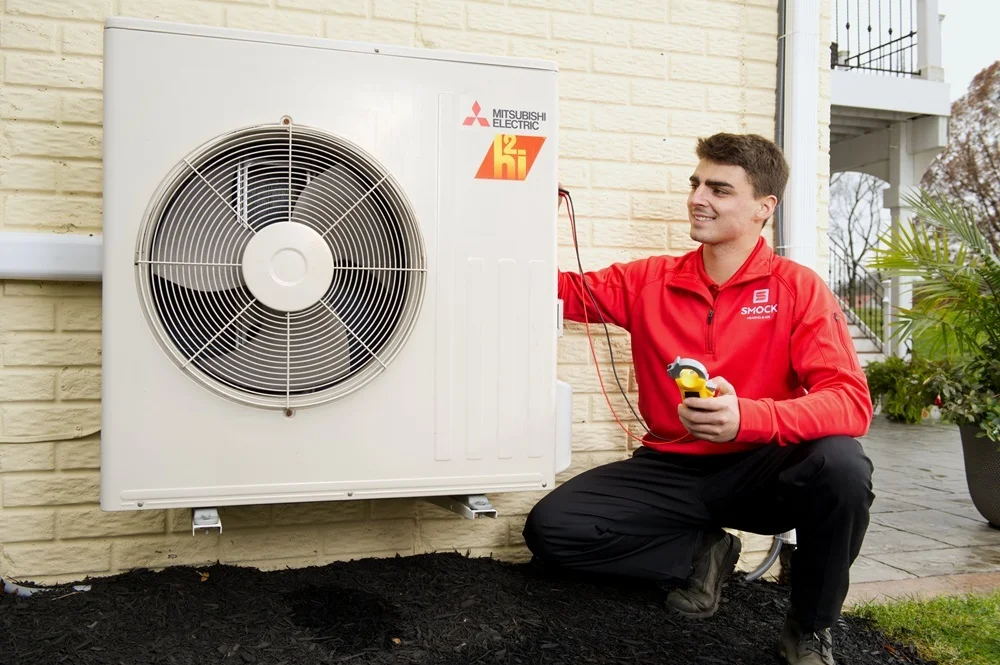
Consistent heat pump maintenance is the foundation of a system that performs reliably through every Maryland season and reaches its full potential lifespan. Whether you are establishing a heat pump maintenance plan for a new system, catching up after deferred professional maintenance, or looking for a team you can trust to handle proper heat pump maintenance every time, Smock is here to help Frederick homeowners protect their comfort investment.
Book your heat pump tune-up today and let our team make sure your system is ready for whatever the season brings.

