



June 15, 2026
Heat Pump Efficiency Rating (SEER2 & HSPF2 Explained)
Understanding a heat pump efficiency rating can help homeowners make smarter decisions when choosing a heating and cooling system. Modern heat pumps are designed to provide energy efficient comfort year-round, but efficiency ratings like SEER2 and HSPF2 can feel confusing if you are unfamiliar with HVAC terminology. Knowing what these ratings mean can help you compare systems, lower energy costs, and choose equipment that fits your home’s comfort needs.
In this guide, you will learn:
- What SEER2 and HSPF2 ratings measure: How efficiency is calculated
- Why efficiency ratings matter: The impact on comfort and operating costs
- How heat pumps compare to traditional HVAC systems: Understanding energy performance
- What homeowners should consider before buying: Important factors beyond efficiency ratings
Why Heat Pump Efficiency Ratings Matter
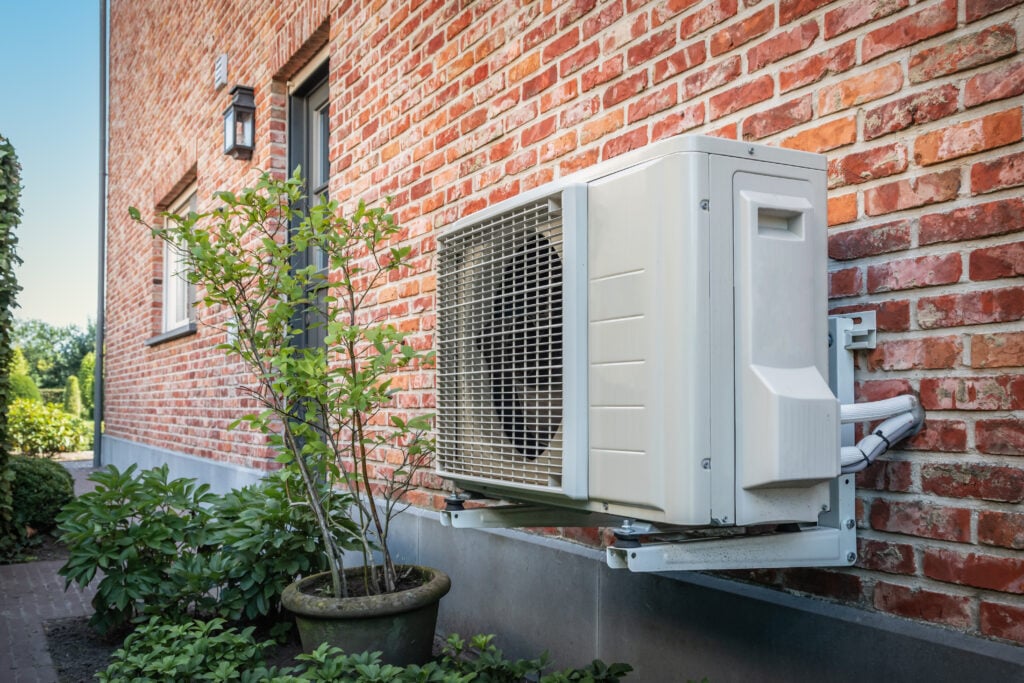
Heat pumps provide both heating and cooling by transferring heat rather than generating it directly like traditional furnaces. According to the U.S. Department of Energy, heat pumps can reduce electricity use for heating by approximately 50% compared to electric resistance heating systems in many climates — making efficiency ratings one of the most important factors in long-term operating costs.
Higher heat pump efficiency ratings can help homeowners:
- Reduce monthly utility bills: Lower energy consumption over time
- Improve indoor comfort: More consistent temperature control
- Reduce environmental impact: More efficient energy use
- Lower long-term operating costs: Reduced strain on HVAC components
Understanding SEER2 Ratings
SEER2 stands for Seasonal Energy Efficiency Ratio 2. This rating measures how efficiently a heat pump or air conditioner cools a home over an entire cooling season.
The higher the SEER2 rating, the more efficiently the system operates during cooling cycles.
How SEER2 Works
SEER2 measures the amount of cooling output a system provides compared to the amount of electricity it uses.
A higher SEER2 rating generally means:
- Lower cooling costs: Reduced electricity usage
- Improved system performance: Better energy efficiency
- More consistent cooling: Better indoor comfort during warmer months
Modern heat pumps often range from:
- 13–15 SEER2: Standard efficiency systems
- 16–18 SEER2: High-efficiency systems
- 20+ SEER2: Premium energy efficient models
Choosing the right SEER2 rating depends on your climate, usage patterns, and budget.
Why SEER2 Replaced SEER
The HVAC industry introduced SEER2 standards to better reflect real-world operating conditions. Updated testing procedures now account for higher external static pressure, which more accurately measures how HVAC systems perform in actual homes.
This provides homeowners with:
- More realistic efficiency ratings: Better performance expectations
- Improved equipment comparisons: More accurate testing standards
- Better long-term energy planning: Real-world operating data
SEER2 ratings now apply to all newly manufactured residential heat pumps and air conditioners.
Understanding HSPF2 Ratings
HSPF2 stands for Heating Seasonal Performance Factor 2. This rating measures how efficiently a heat pump provides heating during colder months.
While SEER2 focuses on cooling efficiency, HSPF2 evaluates heating performance.
How HSPF2 Works
HSPF2 compares the total heat output of a heat pump to the amount of electricity used during the heating season.
Higher HSPF2 ratings can provide:
- Lower heating costs: Reduced electricity consumption
- Better winter efficiency: Improved cold-weather performance
- More energy efficient operation: Better heating output per unit of energy used
Most residential heat pumps range between:
- 7.5–8.5 HSPF2: Standard efficiency
- 9–10 HSPF2: High-efficiency systems
- 10+ HSPF2: Premium performance systems
Higher HSPF2 ratings are especially valuable in colder climates where heating demand is greater.
SEER2 vs HSPF2: What Is the Difference?
SEER2 and HSPF2 measure different aspects of heat pump performance. Both ratings are important when evaluating a system’s overall efficiency.
SEER2 Measures Cooling Efficiency
SEER2 focuses on:
- Cooling performance during summer months
- Electricity usage while producing cooled air
- Overall air conditioning efficiency
Homeowners in warmer climates often prioritize higher SEER2 ratings because cooling demands remain high for much of the year.
HSPF2 Measures Heating Efficiency
HSPF2 focuses on:
- Heating performance during winter months
- Energy efficiency while producing warm air
- Cold-weather operating performance
Homeowners in colder climates often place greater importance on HSPF2 ratings because heating demand is higher.
Factors That Affect Heat Pump Efficiency
Efficiency ratings provide helpful guidance, but actual system performance also depends on installation quality, maintenance, and home conditions.
Several factors can impact real-world efficiency.
Proper System Sizing
An oversized or undersized heat pump may struggle to operate efficiently.
Improper sizing can lead to:
- Short cycling: Reduced efficiency and increased wear
- Inconsistent temperatures: Uneven comfort throughout the home
- Higher operating costs: Increased energy use
Professional load calculations help determine the right system size for your home.
Installation Quality
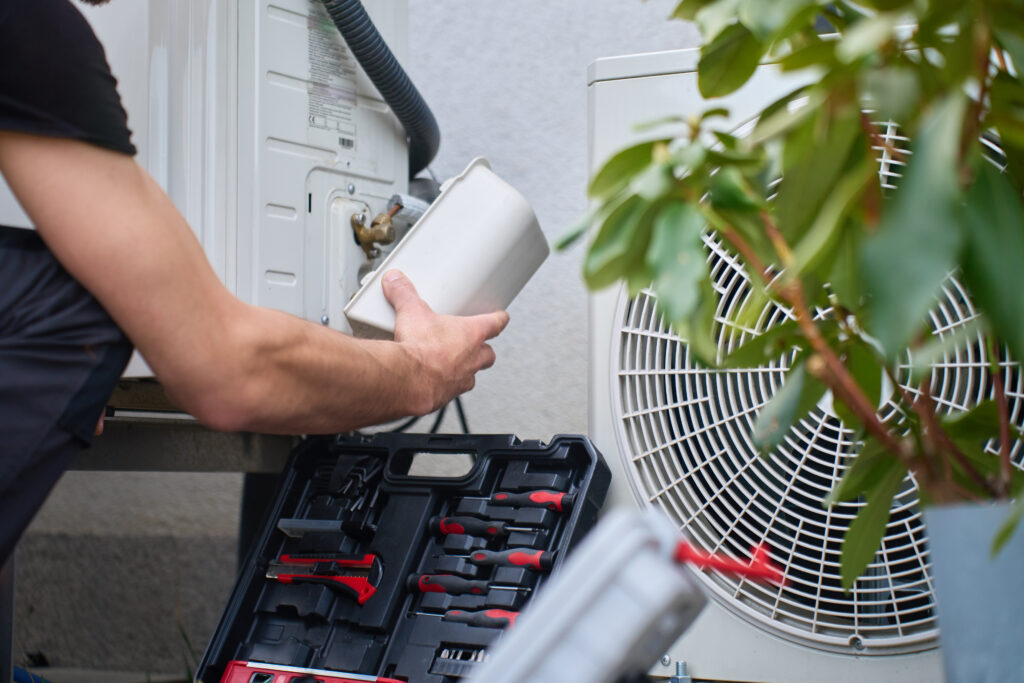
Even high-efficiency equipment can perform poorly if installed incorrectly. Proper installation directly affects airflow, refrigerant levels, and system reliability.
Professional installation helps ensure:
- Balanced airflow: Improved comfort and efficiency
- Correct refrigerant charging: Better system performance
- Reliable operation: Reduced long-term wear on components
Installation quality is one of the biggest factors affecting actual efficiency.
Regular Maintenance
Routine maintenance helps protect efficiency ratings over the life of the system.
Regular service helps:
- Improve airflow: Cleaner filters and coils
- Reduce system strain: Better overall performance
- Extend equipment lifespan: Reduced wear and tear
Neglected systems often lose efficiency over time.
Benefits of High-Efficiency Heat Pumps
Modern high-efficiency heat pumps offer several advantages beyond lower energy bills.
Lower Utility Costs
High-efficiency heat pumps can reduce electricity usage by up to 50% compared to traditional electric resistance heating systems, leading to significant savings on energy bills. Potential savings include:
- Reduced monthly heating costs
- Lower cooling expenses
- Improved long-term operating efficiency
Over time, lower utility costs can help offset higher installation prices.
Improved Indoor Comfort
Modern heat pumps provide more consistent airflow and temperature control compared to older HVAC systems. Comfort improvements may include:
- More even temperatures throughout the home
- Better humidity control
- Quieter system operation
Advanced variable-speed systems often provide even greater comfort control.
Better Environmental Efficiency
High-efficiency heat pumps not only lower energy costs but also reduce the environmental impact by decreasing electricity consumption, which in turn lowers carbon emissions from power generation. Environmental benefits may include:
- Reduced energy consumption
- Lower greenhouse gas emissions
- Improved overall energy efficiency
Many homeowners choose heat pumps as part of broader energy-saving upgrades.
Should You Choose the Highest Efficiency Rating?
While high-efficiency systems offer many benefits, the highest rating is not always necessary for every home. Homeowners should balance efficiency goals with installation costs, climate conditions, and long-term usage.
Factors to consider include:
- Local climate: Colder or hotter climates benefit more from higher efficiency
- Home insulation quality: Better-insulated homes may need less capacity
- Energy costs in your area: Higher utility rates increase savings potential
- Budget considerations: Higher-efficiency systems typically cost more upfront
An HVAC professional can help determine which efficiency rating makes the most sense for your specific home and comfort needs.
Choose the Right Heat Pump for Your Home

Understanding SEER2 and HSPF2 ratings can help homeowners compare systems more confidently and make smarter HVAC investments. Whether you are replacing an older system or installing a heat pump for the first time, efficiency ratings play a major role in long-term comfort and operating costs.
At Smock Heating & Air, we help homeowners evaluate heat pump options based on efficiency, comfort goals, and long-term value. From system selection to professional installation, our team is here to help you choose the right solution for your home.
If you are considering a heat pump upgrade or want help understanding heat pump efficiency ratings, contact Smock Heating & Air today to schedule a consultation.

