



December 5, 2025
Heat Not Working in House? (7 Possible Ways to Troubleshoot)
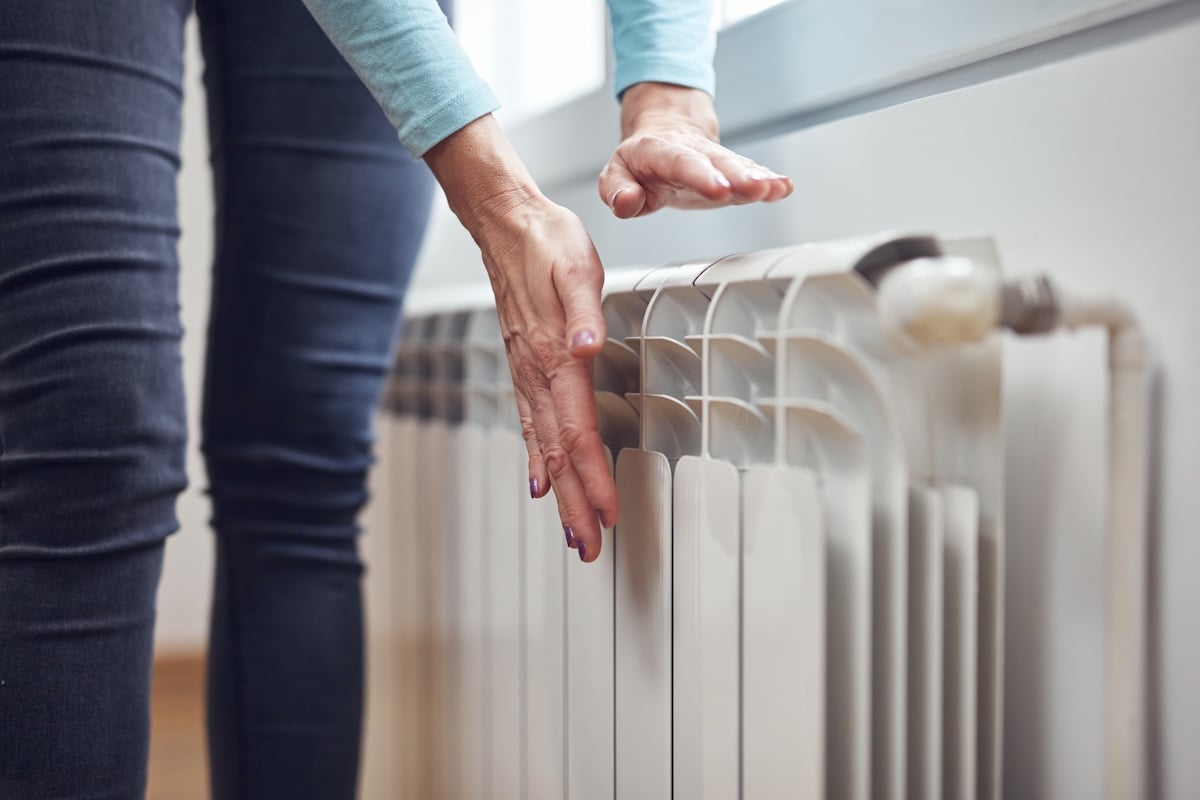
When the cold months arrive, having a reliable heating system becomes essential for comfort and safety. Dealing with a situation where your heat not working in house can be frustrating and stressful, especially during freezing temperatures. Understanding the common causes and how to troubleshoot your heating system can save time, stress, and costly repairs. If you want professional assistance or more detailed heating service, exploring trusted heating solutions can provide the right support when needed.
- Learn why heating issues in your home commonly occur and why quick troubleshooting matters
- Understand the benefits of maintaining and optimizing your heating system
- Follow a step-by-step guide to diagnose and potentially fix heat problems
- Discover preventative tips to keep your heating running smoothly all season
- Find out when it’s time to call in professionals for heating repair or replacement
Why You Should Never Ignore Heat Not Working in House
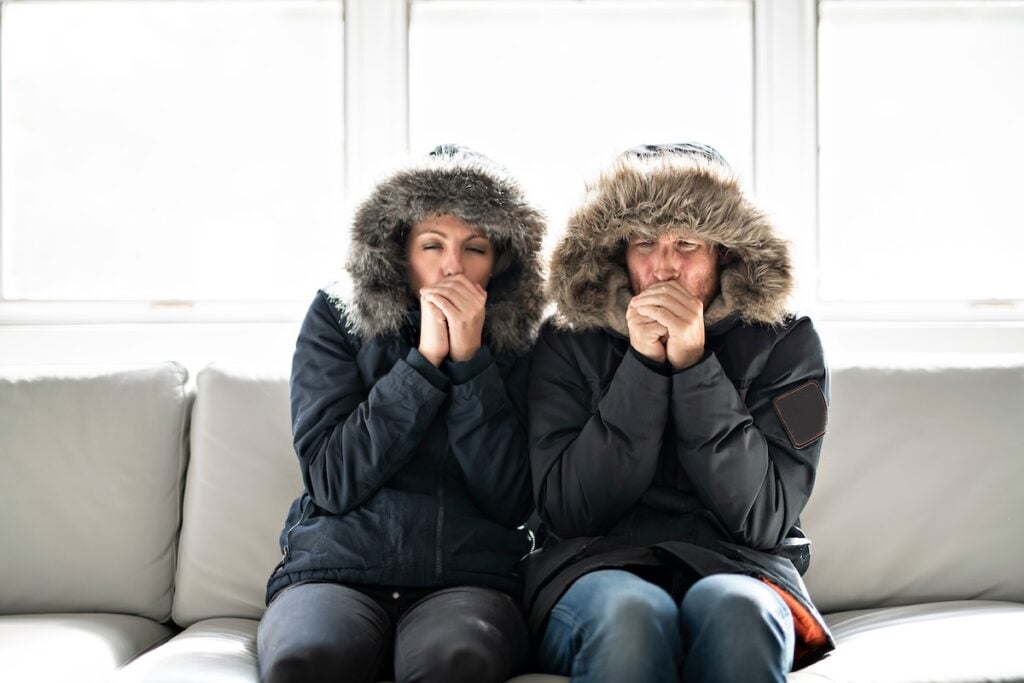
A malfunctioning heating system affects more than just your comfort. Prompt attention to heating issues can prevent further damage and increase energy efficiency. Here are some key reasons why troubleshooting your heating system is so important:
- Energy Efficiency Boost: A malfunctioning heating unit consumes more energy, raising utility bills.
- Comfort and Health: Keeping your home warm helps maintain healthy living conditions, especially for children and the elderly.
- Preventing Further Damage: Small issues can escalate into major malfunctions if not addressed promptly.
- System Longevity: Regular care and quick fixes extend the life of your heating equipment.
- Safety Assurance: Faulty heating systems can pose risks such as carbon monoxide leaks or fire hazards.
7 Steps to Troubleshoot Heat Not Working in House
Understanding the root cause of why your heat is not working helps you decide whether a simple fix is possible or if professional help is needed. Follow this structured approach to isolate and possibly resolve the issue:
1. Check the Thermostat Settings
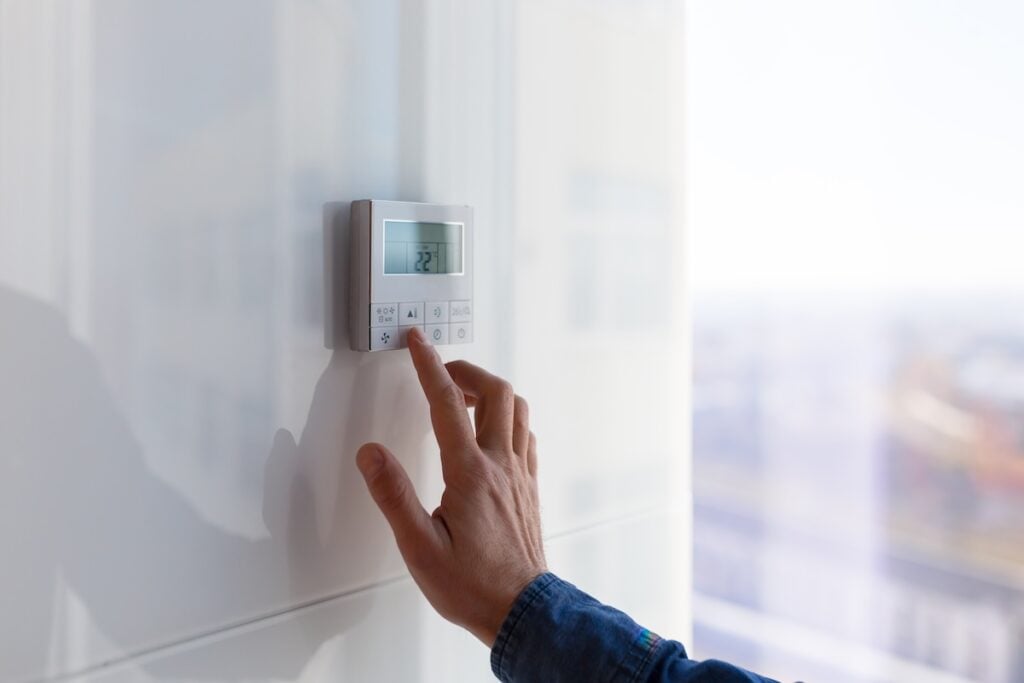
Start with the thermostat to confirm it’s set to heating mode and the temperature setting is higher than the current room temperature. Sometimes a simple incorrect setting causes the heat not to activate.
- Verify the thermostat is turned on
- Replace batteries if it uses them
- Calibrate the thermostat if necessary
2. Inspect the Power Supply
Heating systems rely on electrical power or gas supply. Check if circuit breakers or fuses related to the heating have tripped or blown.
- Reset breaker if tripped
- Check if gas is turned on for gas heaters
- Look for visible signs of damage on wiring or switches
3. Examine Air Filters
Dirty or clogged air filters can restrict airflow, causing the system to malfunction or overheat and shut off as a safety measure.
- Locate and inspect air filters
- Replace filters if dirty or clogged
- Regular filter replacement improves system efficiency
4. Inspect the Pilot Light or Ignition System
For systems using a pilot light or electronic ignition, check if the pilot light is lit or if ignition components show signs of failure.
- Relight the pilot if it’s out following safety guidelines
- Listen for clicking sounds indicating ignition attempts
- Contact a technician if ignition system faults persist
5. Assess the Blower Motor
The blower fan circulates warm air through your home. If it’s not running, warm air will not reach the rooms, making it seem like the heat system is not working.
- Confirm blower motor operation
- Check for unusual noises or motor overheating
- Clean blower components if dusty or obstructed
6. Look for Airflow Obstructions
Obstructions in vents and ducts can prevent warm air distribution, reducing overall heat output.
- Ensure vents are open and unblocked by furniture or drapes
- Consider professional duct cleaning for extensive buildup
7. Check the Furnace or Heat Pump
The core heating device may have issues such as malfunctioning sensors, thermostat communication errors, or mechanical breakdowns.
- Look for error codes on digital displays
- Listen for unusual sounds indicating internal problems
- Schedule a professional furnace or heat pump inspection
Additional Tips to Keep Your Heating System Running Smoothly
Beyond troubleshooting, there are several proactive measures that reduce the chances of heat failure in your home. These tips promote efficiency, reliability, and safety:
- Schedule Annual Maintenance: Regular professional inspections catch issues early and maintain efficiency.
- Keep Vents Clear: Always ensure vents and registers are free from blockages for balanced airflow.
- Upgrade Thermostats: Consider programmable or smart thermostats to optimize heating times.
- Seal Ducts and Windows: Minimizing heat loss saves energy and improves home comfort.
- Install Carbon Monoxide Detectors: Safety is a priority when using gas or fuel-burning heating systems.
Comparing Common Heating Systems and Their Troubleshooting Needs
Different types of heating systems have unique characteristics and troubleshooting considerations. Understanding your home’s heating system helps with precise diagnosis:
| Heating System | Common Cause for Heat Failure | Troubleshooting Tips |
| Furnace (Gas or Electric) | Dirty filters, pilot light out, thermostat issues | Clean filters, relight pilot, check thermostat settings |
| Heat Pump | Refrigerant leaks, compressor failure, thermostat malfunction | Check for error codes, inspect outdoor unit, call professionals for refrigerant |
| Boiler | Low water pressure, thermostat failure, air in system | Bleed radiators, check pressure gauge, verify thermostat |
Heating systems each have specific needs that are best handled by knowledgeable professionals when the problems extend beyond simple fixes.

Next Steps Towards Keeping Your Family Warm
When your heat is not working in your house, acting swiftly to diagnose and address the problem is vital to your comfort and safety during cold weather. Whether you try the troubleshooting steps or opt for expert assistance, maintaining a reliable heating system helps reduce energy costs and keeps your home cozy. For further help with heating repairs or system upgrades, do not hesitate to contact us today and ensure your home stays warm no matter the weather.

