



December 26, 2025
Gas vs Electric Water Heater (Pros, Cons, & Installation Tips)
Choosing the right water heater is one of the most impactful decisions a homeowner can make when it comes to long-term comfort, utility bills, and household efficiency. If you’re comparing options, the gas vs electric water heater debate is probably at the top of your list. Each type has its own set of benefits and drawbacks, and the best choice depends on your home’s setup, energy costs, and personal preferences. Whether you’re replacing an old unit or upgrading for better efficiency, understanding your options is key.
Here’s what you’ll learn in this guide:
- The key differences between gas and electric water heaters
- Pros and cons of each type, based on energy use, cost, and convenience
- Tips for installation and maintenance
- How to make the best decision for your home in Frederick, MD and surrounding areas
Why Choosing the Right Water Heater Matters
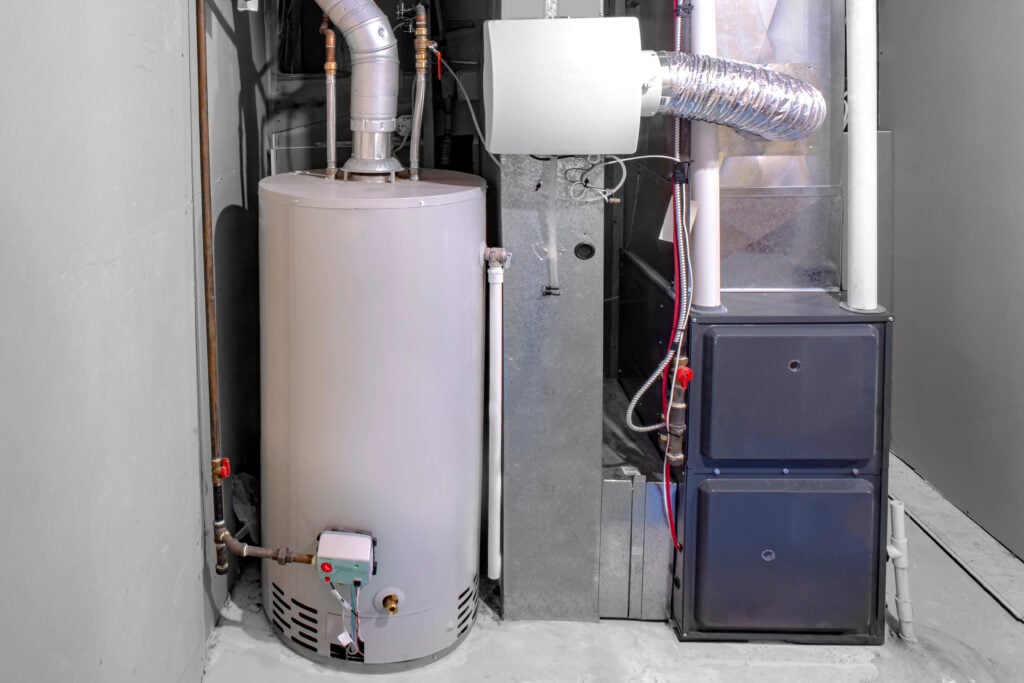
The type of water heater you choose can affect everything from your monthly utility bills to how quickly your family gets hot showers in the morning. While both gas and electric units can effectively heat water, they do so in very different ways.
- Energy Efficiency: Electric water heaters tend to be more efficient at converting energy into heat
- Operating Costs: Natural gas prices are typically lower than electricity, leading to potential long-term savings with gas models
- Installation Flexibility: Electric models don’t require venting, making them easier to install in small or enclosed spaces
- Speed of Heating: Gas water heaters generally heat water faster than electric versions
- Environmental Impact: Depending on your region’s energy mix, electric units may produce fewer emissions.
This guide explaining how a hot water heater works breaks down the process so homeowners can better compare system capabilities and long-term benefits.
Pros & Cons of Gas and Electric Water Heaters
Knowing the strengths and limitations of each system can help you narrow down your options. Here’s how they compare:
Gas Water Heaters
Gas-powered models are common in homes that already have access to natural gas. These systems use a burner to heat the water stored in a tank or circulated through pipes.
Pros:
- Lower monthly operating costs (in areas where gas is cheaper than electricity)
- Faster water heating and recovery rate
- Continues to operate during power outages
Cons:
- Higher upfront cost for unit and installation
- Requires proper ventilation to exhaust combustion gases
- Potential for gas leaks if not maintained properly
Electric Water Heaters
Electric heaters use heating elements inside the tank to warm the water. They are ideal for homes that do not have a natural gas line or where electric rates are low.
Pros:
- Lower initial cost and simpler installation
- No need for gas lines or venting systems
- Safer operation with no combustion risk
Cons:
- Slower heating time and recovery rate
- Higher ongoing electricity costs in most areas
- Won’t function during power outages unless backed by a generator or solar battery
5 Key Installation Tips for Your Water Heater
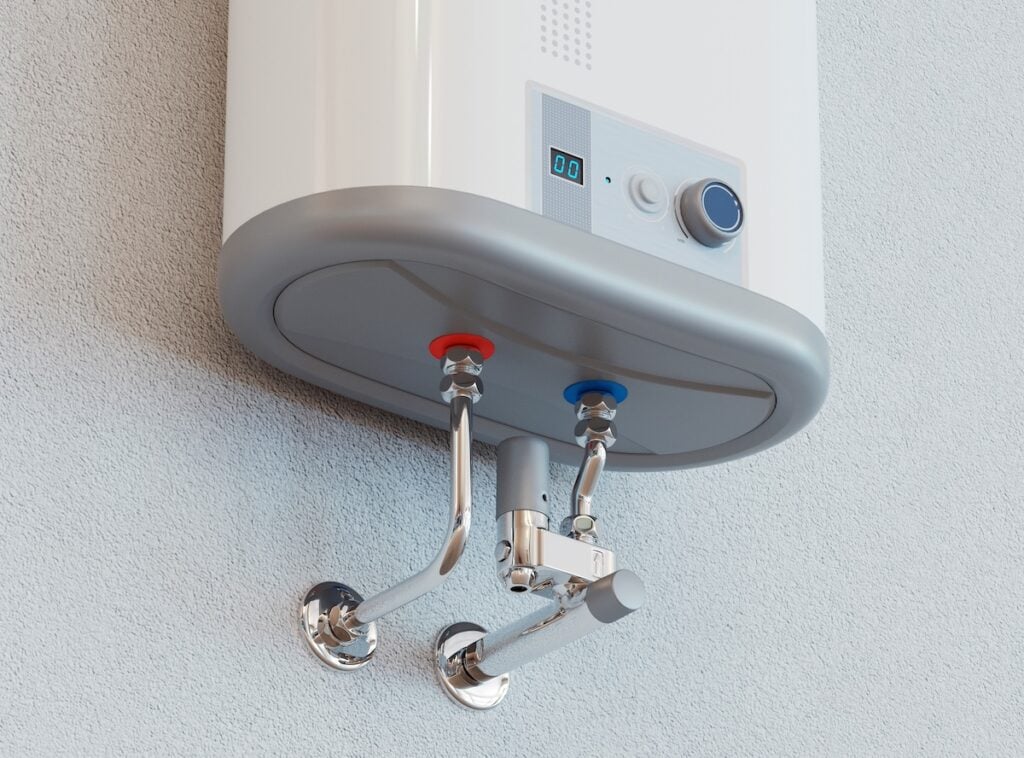
Installation is just as important as the heater itself. Whether you’re installing gas or electric, these five tips can make or break long-term performance.
1. Know Your Home’s Utility Setup
Before selecting a type, confirm whether your home has a natural gas line available or if you’ll be relying solely on electricity.
- If you already have gas appliances, a gas water heater may be more cost-effective
- In homes without a gas line, adding one can be expensive and time-consuming
2. Consider the Size of the Unit
Capacity matters, especially for families. Choose a size based on the number of people and appliances using hot water:
- 30–40 gallons: Suitable for 1–2 people
- 40–50 gallons: Ideal for 3–4 people
- 50–80 gallons: Best for households of 5 or more
3. Evaluate Ventilation Needs (Gas Only)
Proper ventilation is non-negotiable for gas models. Options include:
- Atmospheric venting
- Power venting (uses a fan)
- Direct venting (sealed combustion)
The right choice depends on your home’s layout and building codes in Frederick, MD and surrounding areas.
4. Plan for Electrical Requirements (Electric Only)
Electric water heaters require a dedicated circuit and proper amperage. Always check:
- Existing panel capacity
- Wiring condition and code compliance
Older homes in Frederick, MD and surrounding areas may need upgrades before installation.
5. Hire a Licensed Professional
Improper installation can lead to water damage, fire risks, and code violations. A licensed technician ensures:
- Correct setup of plumbing and electrical/gas lines
- Compliance with local regulations
- Safe disposal of your old unit
Homeowners seeking reliable installation and system upgrades can trust experienced HVAC services in Urbana to handle the process efficiently from start to finish.
Comparing Energy Efficiency and Costs
The price of installation is only part of the equation. Long-term operating costs and energy efficiency should be factored into your decision. If lowering energy consumption is a priority, this overview of an energy efficient water heater explains what to look for in modern systems and how to maximize savings.
Energy Efficiency
- Electric models generally offer higher Energy Factor (EF) ratings
- Gas heaters lose some efficiency through venting and combustion
Average Annual Operating Costs (Estimates may vary by region)
- Gas: $250–$400
- Electric: $300–$600
Maintenance Requirements
- Gas: Requires regular checks on the burner, flue, and ventilation
- Electric: Fewer mechanical parts, but still needs annual flushing to remove sediment
Rebates and Incentives
- Many utility companies in Maryland offer rebates for Energy Star-certified units
- You may also qualify for federal tax credits when installing high-efficiency models
Which Water Heater Is Right for Your Home?
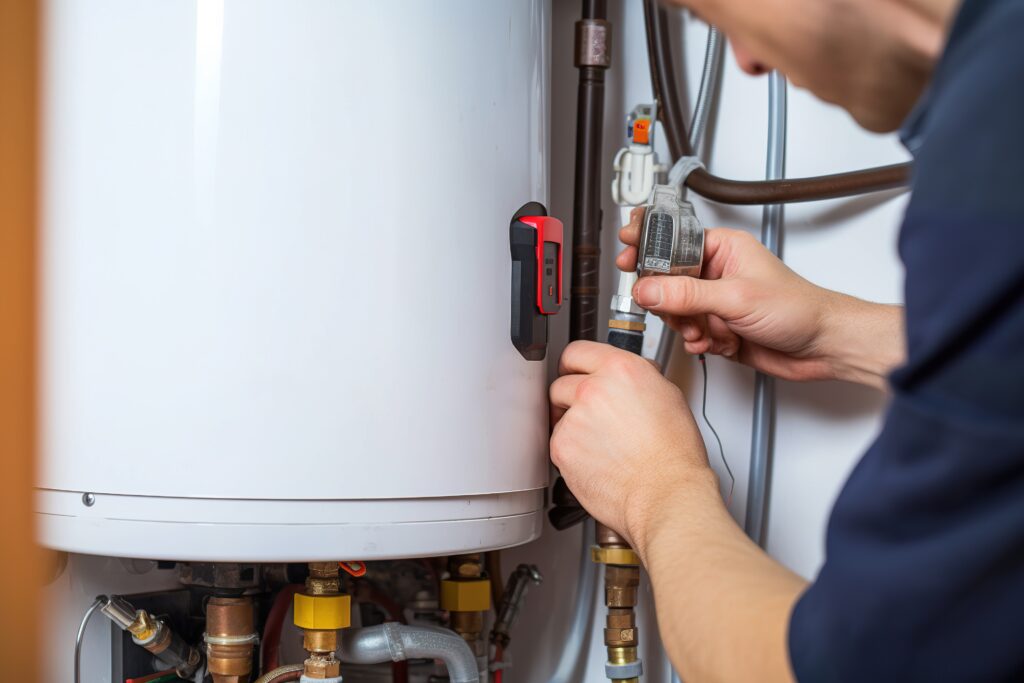
Every home is different. Use your priorities and existing setup to guide your decision. Residents can rely on trusted HVAC services in Clarksburg for personalized recommendations and dependable installation.
Choose Gas If:
- Your home already uses natural gas
- You want faster hot water recovery times
- You’re looking for lower monthly energy bills
Choose Electric If:
- You don’t have access to natural gas
- You want a simpler, safer installation
- You live in a smaller home or condo
Consider Environmental Factors
If you’re concerned about emissions, check how your local utility generates power. In regions where electricity is generated from renewable sources, electric water heaters may have a smaller carbon footprint than gas models.
Think About the Space
Electric heaters work well in tight spaces like closets or attics. Gas models require venting, meaning more clearance and proximity to exterior walls or roofs is needed.
Ready to Make the Switch? Smock HVAC Can Help
Choosing between gas and electric water heaters doesn’t have to be overwhelming. With expert insight and professional installation, you can upgrade with confidence—knowing your system will be efficient, safe, and long-lasting. If you’re in Frederick, MD and surrounding areas and ready to upgrade your system, contact us today and let Smock HVAC handle your project from start to finish. If you’re ready to move forward, professional HVAC services in Middletown provide expert support to help you select and install the ideal water heater for your home.

