



September 10, 2026
Furnace Short Cycling? (7 Reasons and How to Stop It)
Furnace short cycling is one of the most damaging operating patterns a heating system can fall into, and it is also one of the most commonly misdiagnosed. When your furnace turns on, runs for just a few minutes, shuts off before reaching the thermostat setpoint, and then repeats that pattern over and over, it is not just an inconvenience — it is accelerating wear on your most expensive components and driving up your energy bills with every unnecessary startup. If your heating system has been behaving this way, this guide walks through every likely cause and what you can do about it. In this guide, we cover:
- What furnace short cycling is and why it causes damage
- The 7 most common reasons a furnace short cycles
- Which fixes are safe to try yourself and which need a professional
- How to prevent short cycling from recurring
We’re proud to serve homeowners in Ijamsville, MD, and nearby communities with heating repair, maintenance, and installation services, and more.
Why Furnace Short Cycling Is a Problem

A properly functioning furnace runs in full heating cycles long enough to bring your home to the desired temperature before shutting off. When furnace short cycling occurs, it never completes those full heating cycles, which means rooms stay cold, humidity is poorly managed, and the system draws repeated high-current startup surges that put enormous stress on the heat exchanger, inducer motor, and control board. Short cycling also forces the furnace to work harder between cycles, reducing the overall efficiency of your heating system and making it harder to maintain a consistent indoor temperature. Left unaddressed, furnace short cycling dangerous conditions can develop — particularly when a cracked heat exchanger or carbon monoxide risk is involved.
According to the U.S. Department of Energy, proper furnace maintenance and operation significantly reduces the risk of early system failure and keeps heating costs in check. Short cycling is one of the fastest ways to undermine both, and catching the root cause early is the most effective way to protect your heating investment.
7 Reasons Your Furnace Is Short Cycling
Not every short cycling furnace has the same cause, and identifying the right one is essential for fixing it correctly the first time. Furnace short cycling occurs for a range of reasons — some addressable with a simple air filter swap, others requiring an HVAC professional to diagnose and repair safely. Here are the seven most common reasons, from the simplest to the most serious.
1. Overheating From Restricted Airflow
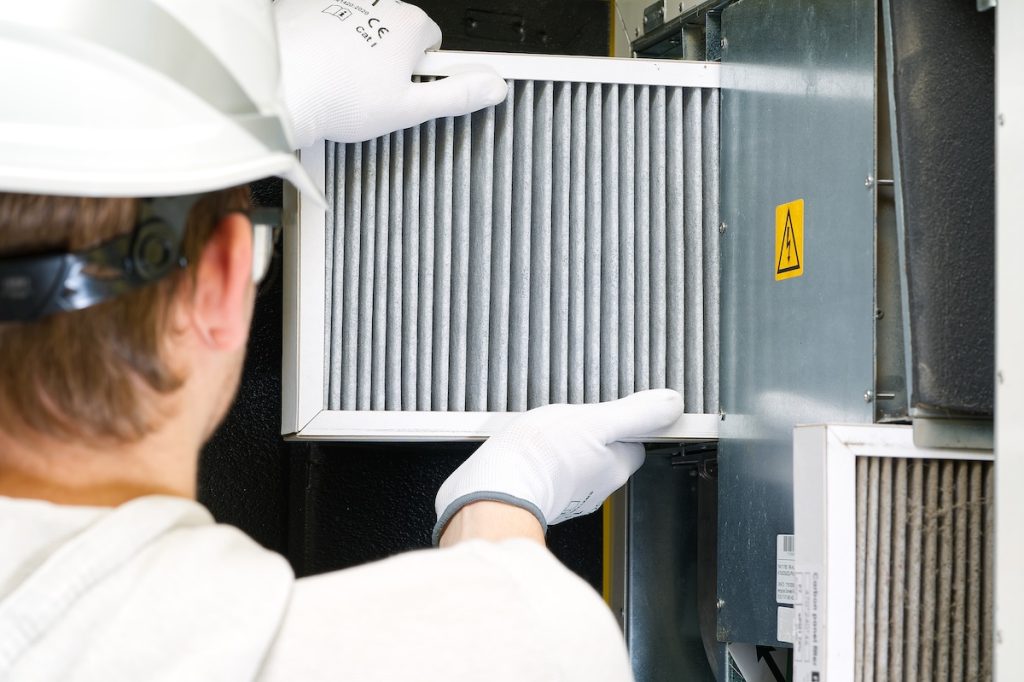
Overheating is the single most common cause of furnace short cycling. Every furnace has a high-limit switch that monitors internal temperature and shuts the burners off if heat builds beyond a safe threshold. When airflow is restricted, heat cannot escape the system fast enough, the limit switch trips, and the furnace shuts down after just a few minutes of operation — leaving your home cold and your heating system stuck in a damaging on-off cycle.
- Most common cause: A severely clogged air filter is responsible for the majority of overheating-related short cycling. Dirty air filters that have not been replaced in months can restrict airflow enough to trigger the limit switch on nearly every heating cycle.
- Other airflow culprits: Closed supply vents, furniture blocking return air grilles, and collapsed ductwork sections all reduce the airflow the furnace needs to distribute heat and stay within safe operating temperatures.
- How to fix it: Replace the air filter immediately, open all vents and registers, and confirm that return air grilles are unobstructed. Allow the furnace to cool before restarting and monitor whether the short cycling continues.
2. Faulty High-Limit Switch
If the furnace continues to short cycle after airflow is restored, the high-limit switch itself may be faulty. A limit switch that has tripped repeatedly can become hypersensitive and begin shutting the system down even when temperatures are within a safe range, producing furnace short cycling that persists despite clean dirty air filters and open vents.
- Why it happens: High-limit switches degrade over time, particularly on systems that have experienced repeated overheating events. A switch that has tripped many times may no longer reset accurately.
- How to fix it: A licensed technician can test the limit switch with a multimeter to confirm whether it is reading temperatures accurately. Replacement is straightforward and relatively inexpensive when the switch is confirmed faulty.
3. Oversized Furnace
An oversized furnace heats the home too quickly, reaching the thermostat setpoint before completing a full heating cycle and shutting off prematurely. This produces the same on-off pattern as other forms of short cycling, but the cause is a fundamental mismatch between the system’s heating capacity and the home’s actual heating load. An improperly sized furnace is one of the most overlooked causes of furnace short cycling and one of the hardest to diagnose without a proper load calculation.
- Why it happens: Oversizing occurs when a furnace is selected based on square footage alone rather than a proper Manual J load calculation that accounts for insulation levels, window area, and local climate conditions.
- How to fix it: The only permanent solution is replacing the oversized furnace with a correctly sized unit. A two-stage or variable-speed furnace can sometimes reduce the severity of the cycling pattern by operating at a lower output level.
- Prevention: Always insist on a Manual J load calculation before any new furnace installation to ensure the equipment is properly matched to your home’s heating load.
4. Thermostat Problems
A malfunctioning thermostat or one positioned in a poor location can send inaccurate temperature signals to the furnace, causing it to shut off shortly after startup based on readings that do not reflect the actual temperature in the living spaces. Short cycling caused by a faulty thermostat is often accompanied by inconsistent temperatures and a heating system that never quite keeps up with demand.
- Placement issues: A malfunctioning thermostat or one located near direct sunlight, a heat source, or close to a supply vent will read temperatures higher than the rest of the home, triggering an early shutdown before the living spaces reach the desired temperature.
- How to fix it: Relocating the thermostat to a more representative interior wall resolves placement issues. A malfunctioning thermostat can be recalibrated or replaced at a relatively modest cost compared to other furnace repairs.
- DIY check: Tape a separate thermometer near the thermostat and compare readings during a heating cycle. A significant discrepancy points to a malfunctioning thermostat reading inaccurately.
5. Flame Sensor Issues
The flame sensor is a safety component that confirms the burners have ignited before allowing the gas valve to stay open. When the flame sensor becomes coated with oxidation or begins to fail, it cannot confirm ignition even when the burners light correctly, causing the gas valve to close within seconds and producing a furnace short cycling pattern that is very distinctive — the burners ignite briefly, the system runs for a few seconds, then shuts down and tries again repeatedly.
- Why it happens: Flame sensors accumulate a thin layer of oxidation naturally over time that insulates them from the flame and prevents accurate sensing. It is a normal wear item that benefits from annual cleaning during a professional tune-up.
- How to fix it: A technician can clean the sensor with fine steel wool, restoring function quickly and inexpensively. Replacement is equally straightforward when cleaning alone is not sufficient to restore accurate sensing.
6. Condensate Drain Issues on High-Efficiency Furnaces
High-efficiency condensing furnaces produce condensate as a byproduct of combustion and drain it through a condensate line. When this line becomes clogged, a float switch shuts the furnace down as a safety measure, producing short cycling behavior that can be puzzling if the homeowner is not familiar with how high-efficiency heating systems manage moisture.
- Why it happens: Algae, mineral deposits, and debris accumulate in the condensate line over time, particularly in furnaces that have not received regular maintenance. Cold temperatures can also cause the line to freeze in homes where it runs through unheated spaces.
- How to fix it: Clearing the clog with a wet-dry vacuum or flushing with warm water typically resolves the issue. Flushing the condensate line with distilled white vinegar a few times per heating season prevents algae buildup and keeps the drainage flowing freely.
7. Cracked Heat Exchanger
A cracked heat exchanger is the most serious cause of furnace short cycling and a genuine safety concern. The heat exchanger separates combustion gases from the air circulating through your home, and when it cracks, the furnace’s safety controls detect the compromise and shut the heating system down to prevent carbon monoxide from entering the living space. A cracked heat exchanger should always be treated as an emergency.
- Why it happens: A cracked heat exchanger develops over time due to the stress of repeated thermal expansion and contraction cycles, accelerated by overheating from restricted airflow caused by a clogged air filter or blocked vent pipe. Age and deferred maintenance are the primary risk factors.
- How to fix it: A cracked heat exchanger requires immediate attention from an HVAC professional. On older furnaces, the cost of replacement often makes full system replacement the more financially sound decision. Never operate a furnace with a suspected cracked heat exchanger.
- Detection: Carbon monoxide detectors on every level of your home are essential for catching this condition early. If the CO detector activates, leave immediately and call emergency services before re-entering.
Furnace Short Cycling: DIY vs. Call a Pro
| Cause | DIY Fix | Call a Pro |
| Dirty air filters | Yes | No |
| Blocked vents or returns | Yes | No |
| Condensate drain clog | Partially | If it recurs |
| Faulty thermostat placement | Partially | For relocation |
| Faulty high-limit switch | No | Yes |
| Flame sensor failure | No | Yes |
| Oversized furnace | No | Yes |
| Cracked heat exchanger | No | Yes |
Frequently Asked Questions About Furnace Short Cycling
Homeowners dealing with a short cycling furnace often have urgent questions, especially as temperatures drop across Ijamsville. Here are clear answers to the most common ones.
How do I know if my furnace is short cycling?
A furnace that runs for less than five minutes before shutting off and restarting within a few minutes is almost certainly short cycling. Normal heating cycles run 10 to 15 minutes or longer depending on outdoor temperatures and the size of the home. If your furnace is turning on and off far more frequently than that without reaching the thermostat setpoint, furnace short cycling is the likely culprit and should be diagnosed promptly to prevent compounding damage.
Can short cycling damage my furnace?
Yes, significantly. Repeated startup surges stress the heat exchanger, inducer motor, control board, and electrical contacts with every cycle. A furnace that short cycles consistently can experience component failures in a fraction of the time it would otherwise last, turning a minor repair into a full heating system replacement and substantially higher energy bills in the meantime.
Is it safe to run a short cycling furnace?
It depends on the cause. Dirty air filters or a clogged condensate drain are safe to address while the heating system runs intermittently. If a cracked heat exchanger or carbon monoxide concern is suspected, turn the furnace off and leave the home before calling for emergency service. Never operate a furnace you believe may have a compromised heat exchanger.
How much does it cost to fix a short cycling furnace?
Cost depends entirely on the cause. Replacing dirty air filters costs a few dollars. Flame sensor cleaning runs $100 to $200. High-limit switch replacement averages $150 to $300. A cracked heat exchanger repair or full furnace replacement can range from $1,500 to $5,000 or more depending on the system’s age and overall condition.
How do I prevent my furnace from short cycling?
Replacing dirty air filters every one to three months, keeping all vents and return air grilles unobstructed, scheduling an annual heating system tune-up that includes flame sensor cleaning and heat exchanger inspection, and ensuring the condensate drain line is clear are the most effective preventive steps. Together these habits address the majority of short cycling causes before they develop into a costly problem.
Stop the Short Cycling With Smock HVAC
Furnace short cycling is one of those problems that compounds quickly the longer it goes unaddressed, putting stress on your heating system with every cycle and driving up energy bills in the process. Whether the fix is a filter swap, a flame sensor cleaning, or a professional assessment of a more serious underlying issue, Smock’s team helps Ijamsville homeowners get accurate answers and lasting results without the guesswork.
Request your furnace repair visit today and let us get your heating system running the way it should.

