



November 21, 2025
10 Furnace Parts Every Homeowner Should Know About
Your furnace is one of the hardest-working systems in your home, especially during the cold winters in Middletown, MD and surrounding areas. But when something goes wrong, most homeowners don’t know where to begin. Understanding the basic furnace parts that keep your heating system running can help you identify early signs of trouble, perform light maintenance, and know what to expect when scheduling professional service.
While your HVAC technician is trained to handle complex issues, it’s helpful to know how your system operates. Recognizing key components also makes conversations with service providers more productive when discussing repairs or replacements. Having that insight can lead to smarter maintenance habits and fewer breakdowns. Partnering with experienced technicians through trusted heating system services ensures these critical parts stay in top shape all season long.
In this guide, you’ll learn:
- The essential furnace components and what each one does
- Common warning signs that specific parts may be failing
- Maintenance tips to keep your furnace efficient
- When to call a professional for repair or replacement
Why Knowing Your Furnace Parts Matters
Many homeowners think of their furnace as a single piece of equipment, but it’s actually made up of several interdependent parts that work together to heat your home efficiently. Understanding how these components function not only builds confidence but can also save you money and stress.
Here’s why this knowledge is valuable:
- Early Detection: Recognizing unusual sounds or behaviors helps identify issues before they become costly repairs.
- Improved Efficiency: When all components work together properly, your system uses less energy and runs more smoothly.
- Safety Awareness: Knowing where potential problems could arise helps you protect your family from risks like gas leaks or poor ventilation.
- Smarter Maintenance Decisions: Understanding parts helps you prioritize seasonal tune-ups and filter changes.
- Better Communication: You’ll have clearer conversations with technicians and feel confident about their recommendations.
10 Key Furnace Parts Every Homeowner Should Know
Your furnace contains electrical, mechanical, and combustion components that must operate in sync to deliver steady, safe heat. Below are the 10 most important furnace parts and what they do inside your system.
1. Thermostat
The thermostat is your furnace’s control center. It monitors indoor temperature and tells the furnace when to turn on or off.
If this part fails, you might notice:
- Inconsistent heating or rooms that feel too hot or too cold
- The furnace running continuously or not turning on at all
- Unresponsive display or inaccurate readings
A modern programmable or smart thermostat can improve accuracy, save energy, and help maintain consistent comfort.
2. Heat Exchanger
The heat exchanger is one of the most vital furnace components. It transfers heat from the combustion gases into the air that circulates through your home, without allowing those gases to mix with your indoor air.
Common warning signs of trouble include:
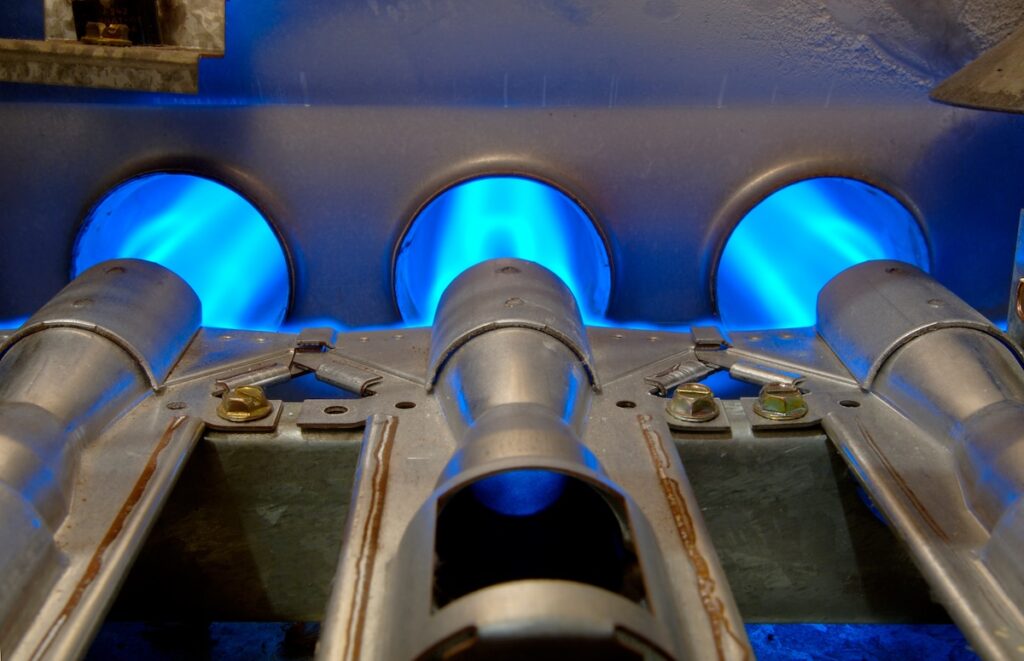
- A yellow burner flame instead of blue
- Rust, cracks, or corrosion inside the furnace cabinet
- Strange smells or visible soot buildup
A damaged heat exchanger can release carbon monoxide, which makes professional inspection essential every heating season.
3. Blower Motor and Fan
Once air is heated, the blower motor powers a fan that pushes that warm air through your ducts. The blower’s speed and efficiency directly affect how evenly your home stays warm.
Problems to watch for:
- Weak airflow or cold spots in your home
- Grinding or squealing noises from the furnace
- Furnace shutting down due to overheating
Routine filter changes reduce strain on the blower motor, extending its lifespan.
4. Burners
The burners ignite fuel and produce the flames that heat the air inside the heat exchanger. If they’re dirty or misaligned, your furnace won’t heat efficiently or safely.
Warning signs include:
- Uneven flame patterns
- Difficulty igniting
- Strange smells or flickering flames
Professional cleaning ensures burners operate efficiently and safely each winter.
5. Ignition System or Pilot Light
Older furnaces use a pilot light that burns continuously, while newer systems rely on electronic igniters. Both serve the same purpose: to ignite the gas that fuels your furnace.
Common ignition issues:
- Furnace doesn’t start
- Pilot won’t stay lit
- Clicking sound without ignition
Because ignition systems involve fuel and electricity, repairs should always be handled by a licensed HVAC professional.
6. Gas Valve
The gas valve controls the flow of natural gas or propane to your burners. It opens when the thermostat signals for heat and closes once the desired temperature is reached.
If it malfunctions, you might notice:
- A furnace that won’t ignite
- Unusual odors
- Delayed ignition or short cycling
A faulty gas valve poses safety concerns, so immediate inspection is recommended.
7. Flame Sensor
This small but crucial safety device detects whether a flame is present when the gas valve opens. If no flame is detected, it shuts off the gas to prevent leaks.
Signs of a dirty or failing flame sensor:
- Furnace starts but quickly shuts off
- Repeated ignition failures
- Blinking error codes on the control board
Cleaning or replacing the flame sensor is a common part of annual furnace maintenance.
8. Limit Switch
The limit switch monitors the furnace’s internal temperature and prevents overheating by shutting off the burners when necessary. It also tells the blower when to turn on or off.
When this switch fails, you may see:
- The blower running constantly
- Furnace short cycling or failing to start
- System safety lockouts
A malfunctioning limit switch can cause both comfort and safety problems if not repaired promptly.
9. Air Filter
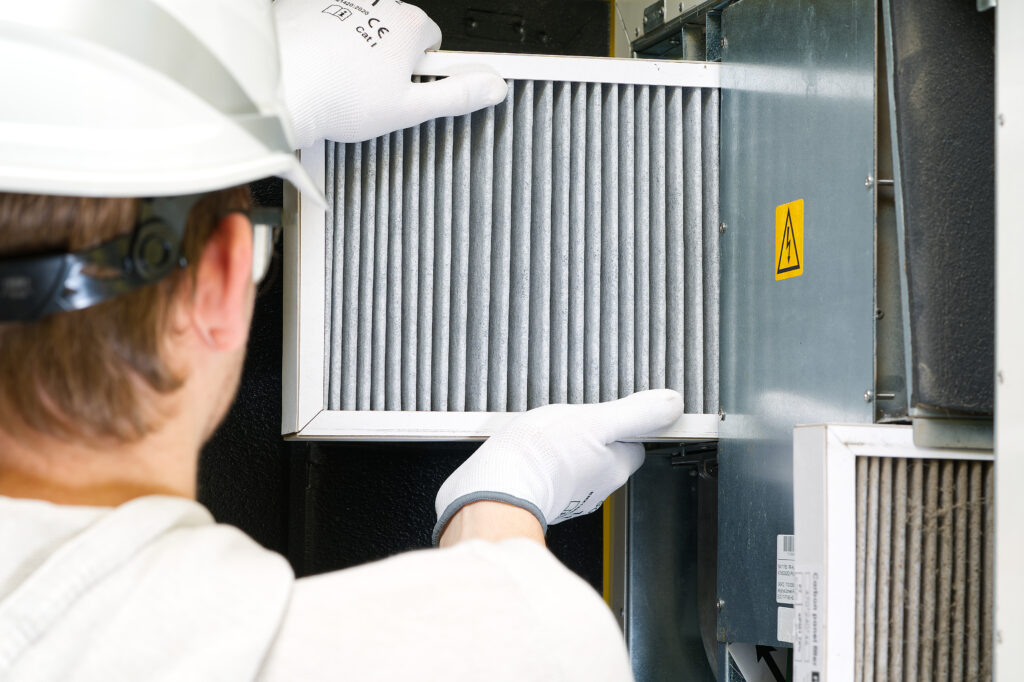
Your furnace filter traps dust, debris, and airborne contaminants before air reaches the blower and heat exchanger. A clean filter keeps your system efficient and protects sensitive parts from clogging.
If ignored, a dirty filter can cause:
- Poor airflow
- Uneven heating
- Overheating and increased energy use
Replace filters every 1–3 months, depending on your home’s air quality and furnace use.
10. Ductwork
Although technically part of your home’s ventilation system, ducts play an essential role in how well your furnace delivers heat. Leaky or poorly insulated ducts can waste up to 30% of your system’s energy.
Signs of duct problems include:
- Uneven room temperatures
- Whistling or rattling noises
- Higher heating bills despite normal use
Professional duct inspection and sealing can make your entire system more efficient.
Supporting Components That Keep Everything Running
Beyond the main furnace parts, several smaller components quietly support your system’s operation and safety.
Other important pieces include:
- Control Board: The furnace’s “brain” that coordinates all operations.
- Pressure Switch: Verifies proper airflow and venting before ignition.
- Flue Pipe: Safely vents exhaust gases outdoors.
- Condensate Drain: Removes moisture from high-efficiency furnaces.
- Air Plenum: Connects your furnace to ductwork for balanced airflow.
Each of these parts plays a critical role in comfort, performance, and safety, and should be checked during annual maintenance visits.
Furnace Maintenance Tips to Keep Parts Working Efficiently
Even the best furnace won’t last long without regular care. By incorporating a few simple maintenance habits, you can keep your heating system operating efficiently for years.
Practical maintenance tips:
- Replace air filters regularly to maintain airflow.
- Schedule annual inspections with a professional HVAC technician.
- Keep vents and registers free of obstructions.
- Check your thermostat settings before each heating season.
- Listen for unusual sounds or short cycling and address them quickly.
- Ensure the area around your furnace is clean and unobstructed.
Routine care not only extends equipment lifespan but also improves energy efficiency and indoor air quality.
Signs Your Furnace Parts Need Professional Attention
Recognizing when to call for help can prevent minor issues from becoming emergencies. Certain symptoms indicate that one or more furnace components may need repair or replacement.
Common warning signs:
- Unusual noises like rattling, banging, or squealing
- Weak or inconsistent airflow from vents
- System cycling on and off too frequently
- Sudden spikes in energy bills
- Yellow or flickering pilot light
- Strange smells such as burning or gas odors
If you notice any of these issues, turn off your furnace and schedule a professional inspection as soon as possible.
Cost Overview: Common Furnace Part Repairs
Repair costs vary depending on the part, brand, and furnace model. Here’s a general overview to give you an idea of what to expect.
| Furnace Part | Average Repair/Replacement Cost |
| Thermostat | $150–$400 |
| Heat Exchanger | $1,000–$2,500 |
| Blower Motor | $400–$1,200 |
| Ignition System | $200–$600 |
| Gas Valve | $300–$750 |
| Flame Sensor | $100–$300 |
| Limit Switch | $150–$350 |
| Air Filter Replacement | $20–$50 |
| Duct Sealing | $500–$1,000 |
Regular maintenance can prevent many of these issues from escalating and save you from costly emergency repairs.
Why Homeowners in Middletown Trust Smock HVAC
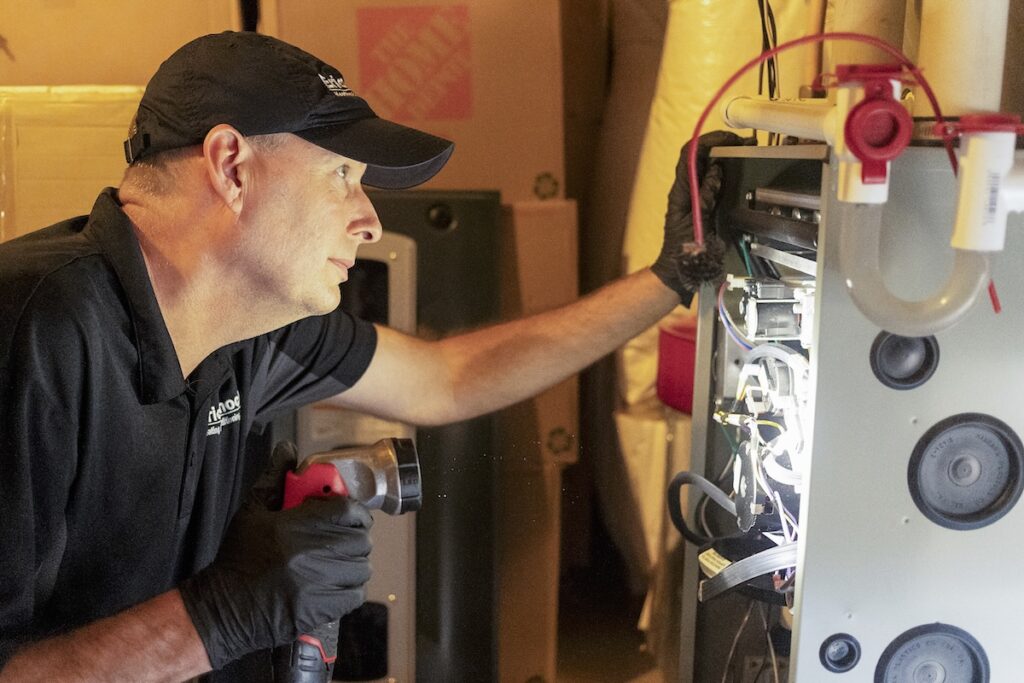
Homeowners across Middletown, MD and surrounding areas rely on Smock HVAC because we take the time to educate customers and deliver solutions built on trust, quality, and transparency. Our certified technicians handle every aspect of furnace maintenance and repair, from cleaning key components to replacing worn-out parts with precision.
We believe homeowners deserve to understand their systems and feel confident in every service recommendation. Whether you need seasonal maintenance or a full inspection, our team ensures your furnace stays safe, efficient, and ready for winter.
Keep Your Furnace in Top Shape All Year Long
Your furnace is an investment in your family’s comfort and safety. Knowing how each part works—and how to recognize when something’s wrong—helps you stay proactive and avoid unexpected breakdowns. Smock HVAC proudly serves Middletown, MD and surrounding areas, offering expert service, upfront pricing, and honest advice for every homeowner.
If your furnace is showing signs of wear or you’d like to schedule a maintenance visit, contact us today. Smock HVAC is here to help you stay warm, informed, and confident all season long.

