



March 23, 2026
Is Your Home’s Furnace Not Heating? (7 Quick Fixes You Can Try Today)
When your furnace not heating becomes more than just an inconvenience, it quickly turns into a comfort and safety issue. Especially during colder months, even a short disruption can leave your home feeling unbearable. If you’re dealing with uneven warmth or no heat at all, it’s worth understanding what might be going wrong before calling in help. In many cases, simple fixes can restore comfort quickly, and if not, you can always explore your options for professional heating solutions through trusted local HVAC support.
In this guide, you’ll learn:
- Common reasons your furnace stops heating
- Simple troubleshooting steps you can try right away
- Signs that indicate a bigger issue
- How to prevent heating problems in the future
Why Addressing Furnace Issues Quickly Matters
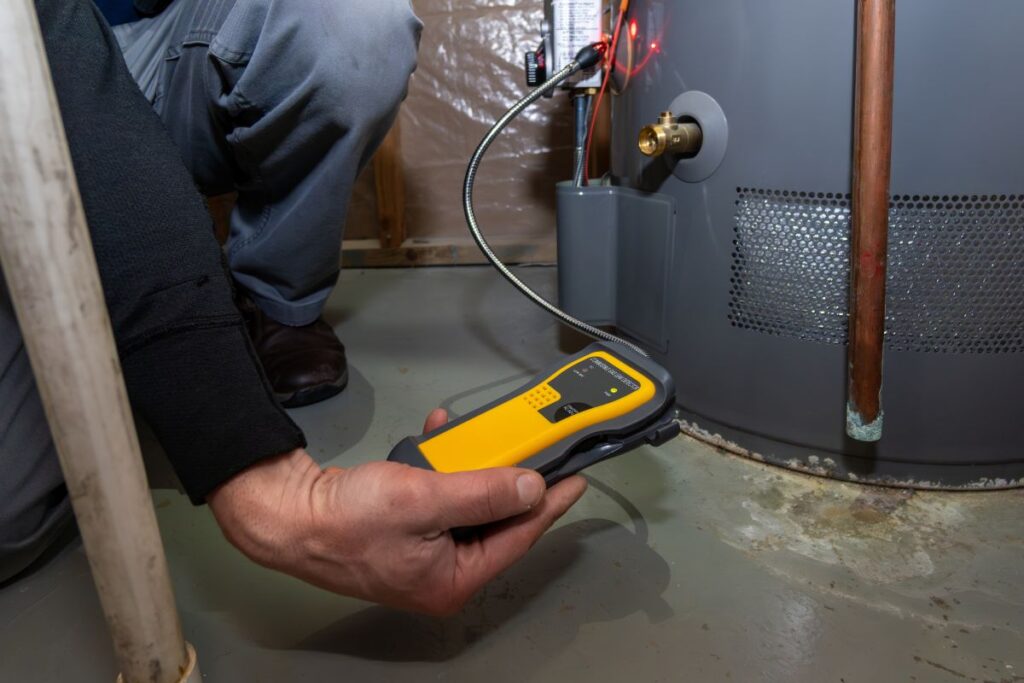
A furnace that isn’t heating properly is more than just uncomfortable. It can lead to bigger problems if ignored. Taking action early helps protect your home, your budget, and your safety.
Here’s why it’s important to act fast:
- Energy Efficiency Loss: A struggling furnace works harder, driving up energy bills without delivering proper heat.
- System Wear and Tear: Small issues can escalate into major repairs or even full system replacement if left unchecked.
- Indoor Comfort Decline: Inconsistent temperatures can make your home uncomfortable and difficult to manage.
- Safety Concerns: Certain furnace issues, especially with gas systems, can pose risks if not addressed promptly.
Homeowners in Frederick, MD and surrounding areas often notice that minor heating issues become major headaches during peak winter demand, making early troubleshooting even more valuable.
7 Quick Fixes You Can Try When Your Furnace Isn’t Heating
Before assuming the worst, there are several simple checks you can perform. These steps often resolve common issues without needing professional service.
1. Check Your Thermostat Settings
It sounds basic, but thermostat issues are one of the most common reasons for heating problems.
Make sure:
- The thermostat is set to “heat”
- The temperature is set higher than the current room temperature
- Batteries are not dead if you have a battery-powered unit
If your thermostat is outdated or malfunctioning, it may not communicate properly with your furnace.
2. Replace or Clean the Air Filter
A clogged air filter can restrict airflow and cause your furnace to overheat or shut down.
Look for signs like:
- Weak airflow from vents
- Dust buildup around registers
- Increased energy bills
Replacing your filter every 1–3 months helps maintain proper airflow and system efficiency.
3. Check Your Circuit Breaker
Sometimes the issue is as simple as a tripped breaker.
Head to your electrical panel and:
- Look for any switches that are out of position
- Reset the breaker if needed
If the breaker continues to trip, that could signal a deeper electrical issue requiring professional attention.
4. Ensure Vents and Registers Are Open
Blocked or closed vents can prevent warm air from circulating properly throughout your home.
Walk through your home and:
- Open all vents and registers
- Remove furniture or obstructions
- Check for dust or debris buildup
Even one blocked vent can disrupt airflow and strain your system.
5. Inspect the Furnace Switch
Furnaces typically have a power switch nearby that looks similar to a light switch.
Make sure:
- The switch is in the “on” position
- It hasn’t been accidentally turned off during cleaning or maintenance
It’s a small detail that’s easy to overlook.
6. Check the Pilot Light or Ignition System
If you have an older gas furnace, the pilot light may have gone out.
If you’re comfortable doing so:
- Check if the pilot light is lit
- Relight it according to manufacturer instructions
For newer systems with electronic ignition, issues here may require professional diagnosis.
7. Look at the Gas Supply
If your furnace runs on gas, ensure the supply is active.
Check:
- The gas valve is open
- Other gas appliances are working
If you suspect a gas issue, avoid DIY fixes and call a professional immediately for safety.
When a Simple Fix Isn’t Enough
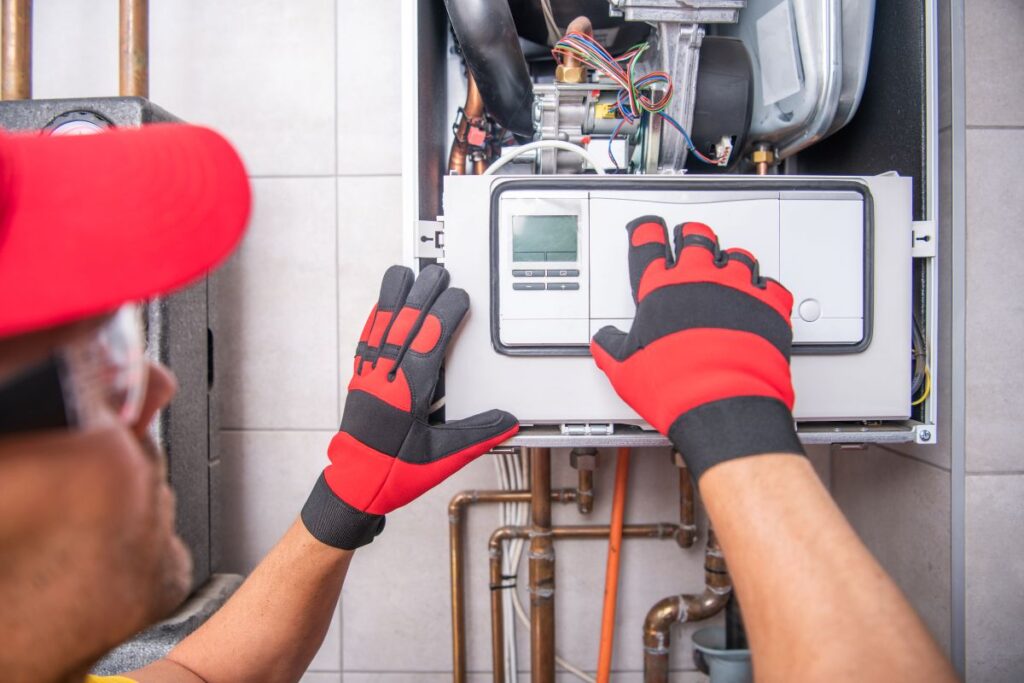
While many furnace problems can be resolved with quick troubleshooting, some issues require a deeper look. Knowing when to stop DIY efforts is just as important as knowing where to start.
Here are signs your furnace may need professional repair:
Strange Noises
Unusual sounds like banging, squealing, or rattling often point to mechanical issues.
Short Cycling
If your furnace turns on and off frequently, it may be overheating or struggling with airflow.
Cold Air Blowing
If your system runs but only produces cool air, there could be a problem with the burner or heat exchanger.
Rising Energy Bills
A sudden increase in heating costs without a change in usage often signals inefficiency.
Homeowners in Frederick, MD and surrounding areas frequently encounter these issues during colder months when systems are working hardest.
How to Prevent Furnace Problems Before They Start
Preventative maintenance is the best way to avoid unexpected heating issues. A little attention now can save significant time and money later.
Schedule Regular Maintenance
Annual furnace tune-ups help identify potential issues before they become serious.
Benefits include:
- Improved efficiency
- Longer system lifespan
- Reduced risk of breakdowns
Change Filters Consistently
A clean filter keeps your system running smoothly and improves indoor air quality.
Keep the Area Around Your Furnace Clear
Ensure there’s enough space around your furnace for proper airflow and safe operation.
Monitor Your Thermostat
Upgrading to a programmable or smart thermostat can improve efficiency and help you catch issues early.
Seal Air Leaks in Your Home
Drafts and poor insulation can make your furnace work harder than necessary.
In Frederick, MD and surrounding areas, seasonal temperature swings make insulation and airflow especially important for maintaining consistent indoor comfort.
Repair vs. Replacement: What Should You Do?

If your furnace isn’t heating properly, you may wonder whether it’s worth repairing or replacing.
When Repair Makes Sense
- The system is under 10–12 years old
- The issue is minor or isolated
- Repair costs are relatively low
When Replacement Is the Better Option
- The system is over 15 years old
- Repairs are frequent or costly
- Energy efficiency has significantly declined
| Factor | Repair | Replacement |
| Cost | Lower upfront | Higher upfront |
| Efficiency | May improve slightly | Significant improvement |
| Lifespan | Short-term solution | Long-term investment |
| Reliability | Depends on current condition | High reliability |
Making the right decision depends on your system’s condition and your long-term goals.
Stay Warm With Reliable Heating Solutions
A furnace that isn’t heating properly can disrupt your entire home, but many issues have straightforward solutions if caught early. Whether it’s a simple thermostat adjustment or a more complex repair, addressing the problem quickly helps restore comfort and prevent bigger issues.
If your system still isn’t performing the way it should, the team at Smock HVAC is here to help. From quick diagnostics to full system solutions, you can contact us today to get your heat back on track and keep your home comfortable all season long.
For homeowners in Frederick, MD and surrounding areas, having a dependable heating partner makes all the difference when temperatures drop.

