



December 3, 2025
Furnace Heat Exchanger Problems (What to Watch Out For)
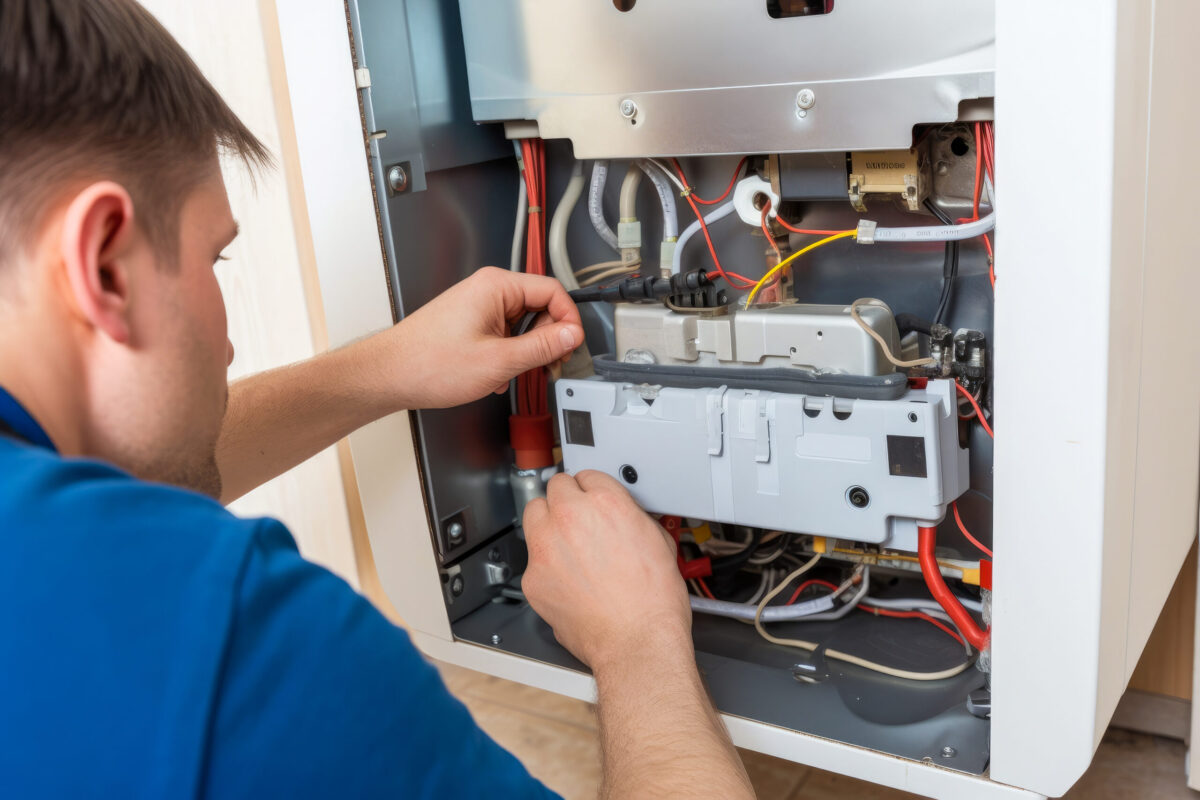
When it comes to keeping your home warm and comfortable during the colder months, understanding common furnace issues is crucial. One of the most important components to pay attention to is the furnace heat exchanger. This part plays a vital role in heating your home efficiently and safely. If it develops problems, it can affect the performance of your furnace and even pose safety risks. For those looking to maintain an efficient heating system, exploring professional heating services can offer peace of mind and expert care tailored to your needs.
- Learn why the furnace heat exchanger is essential for both comfort and safety.
- Discover common warning signs of heat exchanger problems.
- Understand key causes behind heat exchanger issues and what steps you can take.
- Explore maintenance tips that help extend the life of your heat exchanger.
- Identify when to call a professional for furnace heat exchanger inspection or repair.
Why the Furnace Heat Exchanger Matters
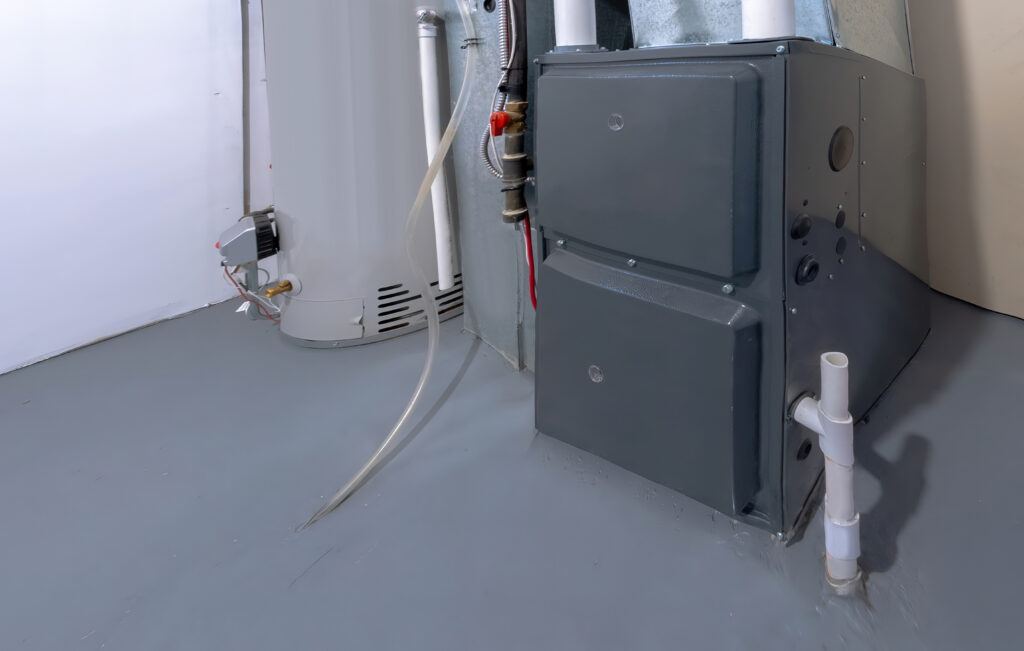
The heat exchanger is a critical component of any furnace system. It serves as the barrier that heats your home’s air without mixing combustion gases with indoor air. Having a functional heat exchanger ensures both efficiency and safety in your heating system. Understanding why this part is important emphasizes the need for regular inspections and maintenance.
- Safety First: A cracked or damaged heat exchanger can leak carbon monoxide, an odorless and deadly gas, potentially putting your household at risk.
- Heating Efficiency: A properly functioning heat exchanger transfers heat effectively from combustion gases to your home’s air, ensuring your furnace uses energy efficiently.
- System Longevity: Addressing heat exchanger problems early prevents further damage to your furnace system, extending its overall lifespan.
- Cost Savings: Avoid expensive repairs by catching heat exchanger issues early through routine maintenance and timely service.
- Peace of Mind: Knowing your heating system operates safely and efficiently provides comfort during cold weather.
4 Signs Your Furnace Heat Exchanger Might Have Problems
Recognizing the warning signs of heat exchanger issues can help you react before things worsen. Here are key indicators that should prompt immediate attention or professional evaluation.
1. Strange Smells Coming From Your Vents
If you notice a musty or metallic odor mixed with your home’s heated air, this could indicate a crack in the heat exchanger allowing combustion gases to escape and mix with your indoor air.
- This smell is often the first noticeable sign before more severe symptoms arise.
- A carbon monoxide detector will alert you if dangerous levels are present, but don’t rely solely on it.
2. Yellow Furnace Flame Instead of Blue
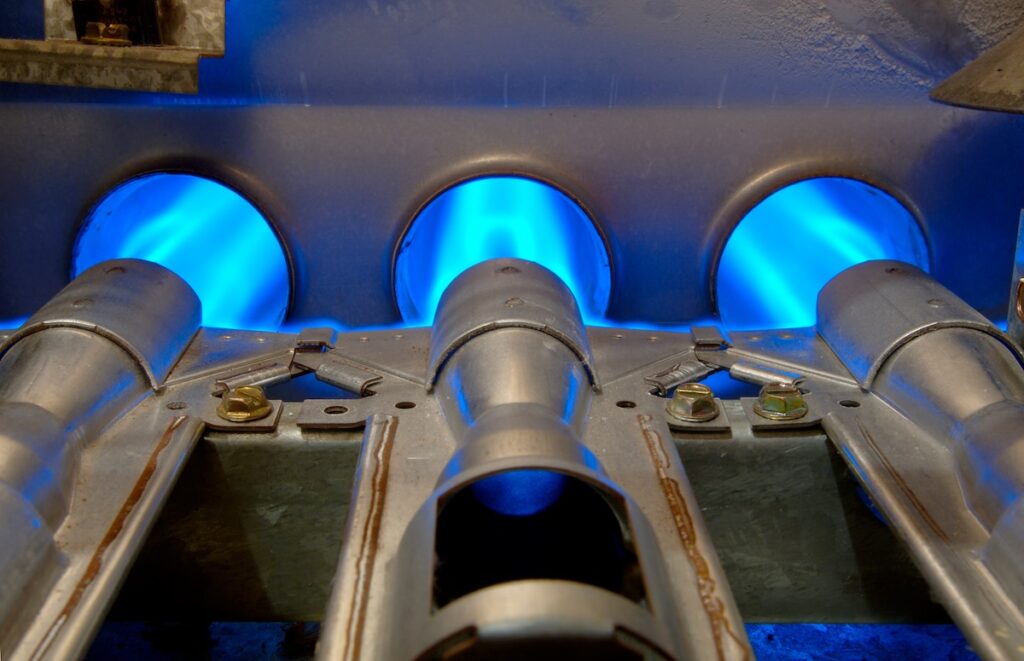
A healthy furnace flame is usually bright blue, indicating proper combustion. A yellow or flickering flame can suggest incomplete combustion, often due to a damaged heat exchanger or other furnace issues.
- This inefficiency can reduce heating performance and increase harmful emissions.
- It’s a signal that your furnace needs inspection as soon as possible.
3. Frequent Furnace Cycling
If your system turns on and off frequently, it might be struggling to maintain temperature due to a compromised heat exchanger or related furnace problems.
- Short cycling causes unnecessary wear and higher energy bills.
- It is often associated with overheating or airflow issues linked to the heat exchanger.
4. Visible Cracks or Rust on the Heat Exchanger
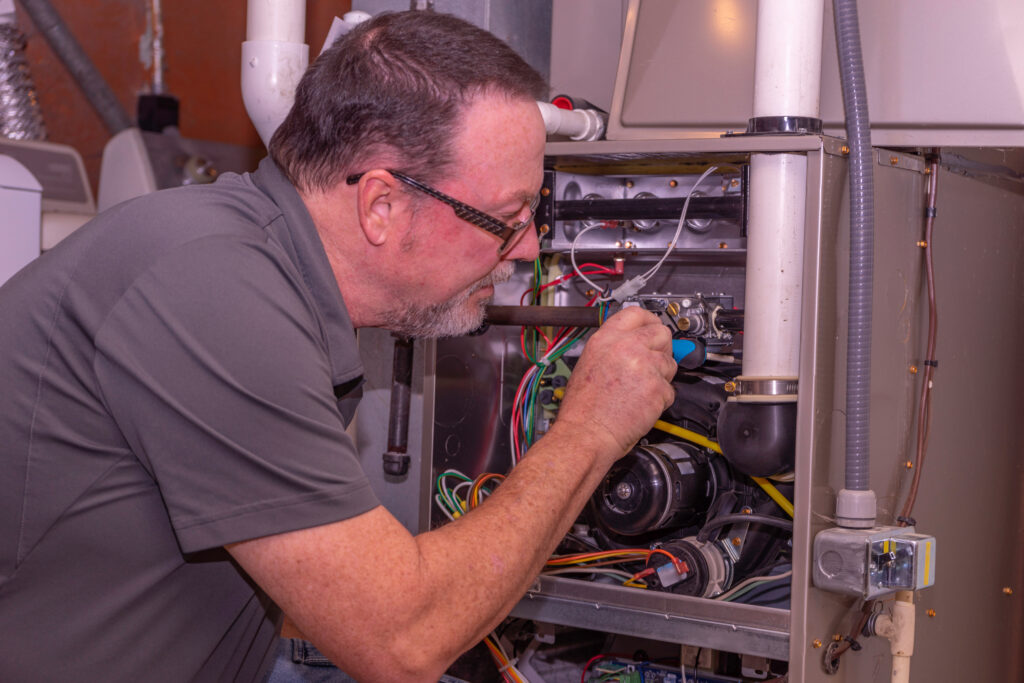
Though heat exchangers are inside the furnace, an experienced technician can identify corrosion or cracks during inspection. Rust indicates moisture contact, which weakens the metal.
- Even small cracks can cause carbon monoxide leaks, making this a serious concern.
- Early detection through professional service is essential to avoid hazards.
How to Address Furnace Heat Exchanger Issues
Knowing what to do when you suspect a problem with your heat exchanger can save time and provide safety for your household. Here are key actions to consider.
Regular Furnace Maintenance and Inspection
- Scheduled Tune-ups: Annual professional heating system inspections can identify early signs of heat exchanger wear.
- Cleaning: Removing dust and debris improves combustion efficiency and reduces strain on the heat exchanger.
- Ventilation Checks: Ensuring proper airflow decreases the risk of overheating and damage.
Immediate Response to Warning Signs
- Turn Off the Furnace: If you smell gas or observe abnormal operation, shut it down immediately.
- Ventilate Your Home: Open windows and doors to reduce exposure to potential toxic gases.
- Contact a Licensed Technician: Schedule a thorough inspection and repair without delay.
Consider Upgrade or Replacement
- When heat exchanger damages are extensive, repairs may be costly or ineffective.
- Modern furnaces feature advanced heat exchanger materials and improved safety design, offering better efficiency and longevity.
- Consulting a heating expert to evaluate your system helps determine when replacement makes the most sense.
Comparing Heat Exchanger Types and Their Benefits
Understanding the different heat exchanger designs can help homeowners make informed decisions about furnace maintenance or upgrades. Each type offers unique features tailored to heating needs.
| Heat Exchanger Type | Material | Durability | Efficiency | Common Usage |
| Steel Tube | Steel | High, but prone to corrosion if moisture is present | Good | Standard residential furnaces |
| Aluminum | Aluminum | Moderate, lightweight, less resistant to corrosion | High, excellent heat transfer | High-efficiency furnaces |
| Cast Iron | Cast Iron | Very high, resistant to corrosion and cracking | Good | Commercial and heavy-duty residential furnaces |
Selecting the right furnace and heat exchanger depends on your home’s size, climate, and heating demands. Consulting an expert helps match the best option for your budget and comfort goals.
Protecting Your Family with Expert Furnace Care
Furnace heat exchanger issues are not just inconvenient—they can be dangerous without proper action. Protecting your home starts with routine maintenance, prompt response to warning signs, and professional support when needed. Taking these measures ensures your heating system remains reliable and safe during those cold months. If you suspect any furnace troubles or want a comprehensive inspection, don’t hesitate to reach out. Proper heating care means peace of mind for you and your loved ones.
If you are experiencing unexplained furnace issues or want to schedule a preventative checkup, please contact us todayto get expert assistance.

