



August 4, 2026
Furnace Blowing Cold Air? (7 Reasons + What to Do Next)
Furnace blowing cold air is one of the most frustrating heating problems a homeowner can face, especially in the middle of a Maryland winter when you need your system to perform. The good news is that cold air from your furnace does not always mean a major repair — some causes are simple enough to address yourself in minutes, while others require a professional diagnosis to resolve safely. If your home heating system has been pushing cold air through your vents, this guide walks you through every likely cause and what to do about it. In this guide, we cover:
- Why your furnace might be blowing cold air
- The 7 most common causes and how each one is addressed
- Which fixes are safe to try yourself and which require a pro
- When cold air from your furnace signals it is time for a replacement
We’re proud to serve homeowners in Ijamsville, MD, and nearby communities with heating repair, maintenance, and installation services, and more.
Why a Furnace Blows Cold Air
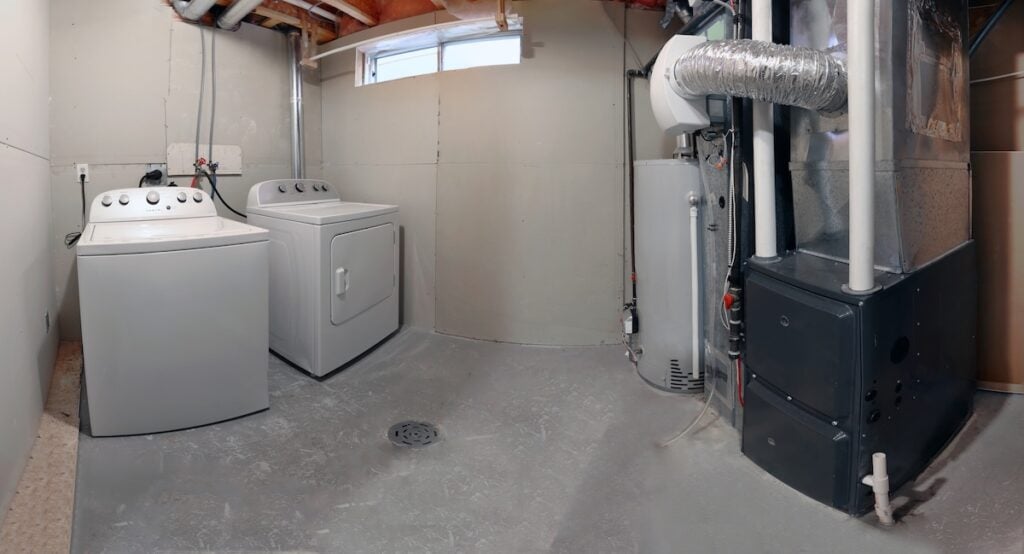
A furnace blowing cold air is not always a sign of serious mechanical failure. In many cases the issue comes down to a setting, a clogged filter, or a safety feature that triggered correctly in response to an underlying problem. Working through the most common causes systematically, starting with the simplest, saves time and money and often resolves the issue before you ever need to call a professional.
7 Reasons Your Furnace Is Blowing Cold Air
Each of the causes below produces cold air for a different reason, and the fix varies accordingly. Here is what to check, in order from simplest to most complex.
1. Thermostat Set to Fan Only
This is the most common and most easily overlooked cause. When the thermostat fan setting is switched to ON rather than AUTO, the blower runs continuously regardless of whether the furnace is actively heating, pushing room-temperature air through the vents even when no heat is being produced.
- How to check: Confirm the fan setting is on AUTO, not ON. AUTO runs the blower only when the furnace is actively producing heat.
- How to fix it: Switch from ON to AUTO and give the system a few minutes to respond. If warm air returns, the thermostat setting was the entire problem.
- Why it happens: A family member may have changed the setting accidentally, or a smart thermostat schedule may have activated fan-only mode without the homeowner realizing it.
2. Overheating and Limit Switch Activation
Every furnace has a high-limit switch that shuts off the burners if the system overheats while leaving the blower running to cool the heat exchanger. From the homeowner’s perspective this produces a furnace blowing cold air because the blower runs without the burners firing.
- Why it happens: The most common cause is restricted airflow from a dirty air filter, blocked vents, or closed supply registers.
- How to fix it: Replace the air filter, open any closed vents, and allow the furnace to cool before restarting.
- When to call a pro: If the limit switch trips repeatedly after addressing airflow, the switch itself may be faulty or a cracked heat exchanger may be involved.
3. Dirty or Clogged Air Filter
A severely clogged air filter starves the furnace of the airflow it needs to operate efficiently, reduces heating output, and causes the system to overheat and trigger safety shutoffs. It is one of the most preventable causes of furnace problems across the board.
- How to check: Pull the filter and hold it up to light. If you cannot see through it, replace it immediately.
- How to fix it: Replace with the correct size and MERV rating every one to three months, more frequently in homes with pets or allergy sufferers.
- Downstream effects: Running the furnace with a severely restricted filter can damage the blower motor and heat exchanger beyond just causing cold air flow.
4. Pilot Light or Ignition Failure
Older furnaces use a standing pilot light to ignite the burners, while modern systems use electronic ignition. If the pilot light goes out or the electronic ignitor fails, the burners will not light but the blower may still run, pushing unheated air through the vents.
- Pilot light: Check whether the pilot is lit and relight it following the instructions on the furnace access panel. If it will not stay lit, the thermocouple likely needs replacement.
- Electronic ignition: A failed hot surface ignitor requires professional diagnosis and replacement.
- Gas smell warning: If you smell gas near the furnace, do not attempt to relight the pilot. Leave the home and call your gas utility from outside.
5. Flame Sensor Issues
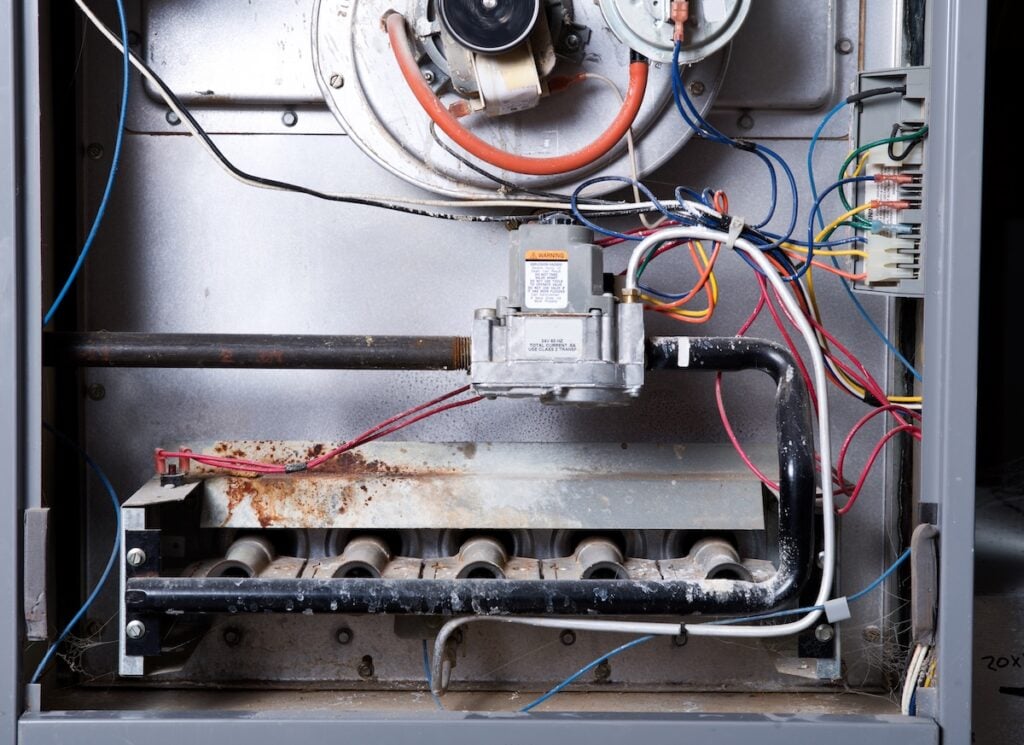
Modern furnaces have a flame sensor that confirms burner ignition before allowing the gas valve to stay open. When the sensor becomes coated with oxidation residue, it cannot confirm ignition even when the burners light correctly, causing the gas valve to shut off within seconds and leaving the blower running alone pushing cold air.
- Why it happens: Flame sensors accumulate oxidation naturally over time, insulating them from the flame and preventing accurate sensing.
- How to fix it: A technician can clean the sensor during a maintenance visit, restoring function quickly and inexpensively. Replacement is equally straightforward when cleaning is not enough.
- Signs of a failing sensor: The furnace lights briefly, the burners ignite, and then the system shuts down within a few seconds before repeating the cycle.
6. Condensate Drain Clog
High-efficiency furnaces produce condensate as a byproduct of combustion and drain it through a condensate line. When this line becomes clogged, a float switch shuts the furnace down as a safety measure, stopping heat production while the blower may continue running.
- Why it happens: Algae, debris, and mineral deposits clog the condensate line over time, particularly in furnaces that have not received regular maintenance.
- How to fix it: Clear the blockage using a wet-dry vacuum or by flushing the line with distilled white vinegar. If the furnace resumes normal operation, the clog was the cause.
- Prevention: Flushing the condensate line with vinegar during annual maintenance prevents buildup and keeps the line flowing freely all heating season.
7. Cracked Heat Exchanger
A cracked heat exchanger is the most serious cause of a furnace blowing cold air and a genuine safety concern. When it cracks, the furnace’s safety controls shut down the burners to prevent carbon monoxide from entering the living space, leaving the blower running without heat.
- Why it happens: Heat exchangers crack over time due to repeated expansion and contraction cycles, accelerated by overheating from restricted airflow and years of deferred maintenance.
- How to fix it: A cracked heat exchanger requires immediate professional attention. Depending on furnace age and condition, full replacement is often the smarter investment over a costly repair.
- Detection: Carbon monoxide detectors on every level of your home are essential for catching this condition. If your CO detector activates, leave the home immediately and call emergency services.
Quick Reference: Furnace Cold Air Causes
| Cause | DIY Fix | Call a Pro |
| Fan set to ON | Yes | No |
| Dirty air filter | Yes | No |
| Condensate drain clog | Partially | If it recurs |
| Pilot light out | Partially | If it won’t stay lit |
| Limit switch tripping | Partially | If it repeats |
| Flame sensor failure | No | Yes |
| Cracked heat exchanger | No | Yes |
Frequently Asked Questions About Furnace Blowing Cold Air
Why does my furnace blow cold air at startup?
Many furnaces blow slightly cool air for the first minute or two after startup while the heat exchanger warms up. This is normal behavior. If the air never transitions to warm after two to three minutes of operation, one of the seven causes above is likely responsible and worth investigating before calling for service.
Can a dirty filter really cause my furnace to blow cold air?
Yes. A severely clogged filter restricts airflow enough to cause the furnace to overheat, triggering the high-limit switch that shuts off the burners while leaving the blower running. It is one of the most common causes of a furnace blowing cold air and entirely preventable with regular filter changes every one to three months.
Is it safe to run my furnace if it is blowing cold air?
It depends on the cause. A thermostat setting or dirty filter is generally safe to address while the system runs. If you suspect a cracked heat exchanger, a gas leak, or a carbon monoxide concern, turn the furnace off, leave the home, and call for emergency service before operating the system again.
How much does it cost to fix a furnace blowing cold air?
Cost varies widely based on the cause. A new air filter costs a few dollars. Flame sensor cleaning typically runs $100 to $200. Ignitor replacement averages $150 to $300. A cracked heat exchanger repair or full furnace replacement can range from $1,500 to $5,000 or more depending on the extent of the damage and the age of the system.
How do I know if my furnace needs repair or replacement?
If your furnace is more than 15 years old and the repair cost exceeds $1,000, replacement is often the smarter investment. A cracked heat exchanger on an aging system is almost always better addressed with a new furnace rather than a costly repair on equipment nearing the end of its service life. A qualified HVAC technician can give you an honest assessment of which path makes more financial sense.
Restore Your Home’s Warmth With Smock HVAC
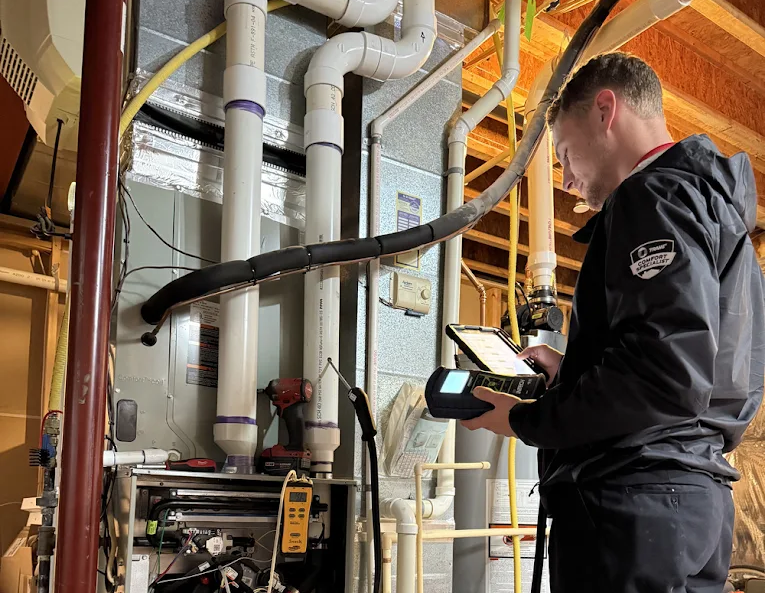
A furnace blowing cold air is not something Ijamsville homeowners should have to put up with, and in most cases it does not take long to get things running correctly again with the right diagnosis. Whether the fix is a filter swap, a flame sensor cleaning, or a full heating system evaluation, Smock’s team approaches every job with the same commitment to accuracy and honest guidance.
Request your heating repair visit today and let us get your home warm again.

