



November 14, 2025
Emergency Furnace Repair (7 Common Problems + Fixes)
When temperatures drop suddenly in Clarksburg, MD and surrounding areas, few things are more stressful than a furnace that stops working unexpectedly. In the middle of winter, losing heat isn’t just inconvenient—it can quickly turn into a safety concern for your family and home. Knowing when you need emergency furnace repair and what might be causing the issue can save you time, stress, and even money.
While some heating issues are simple enough to handle on your own, others require immediate professional attention. Scheduling help through trusted heating experts ensures your system is restored safely and efficiently, preventing costly damage or long-term breakdowns.
In this guide, you’ll learn:
- The most common furnace problems that lead to emergency calls
- Quick troubleshooting tips homeowners can try safely
- Warning signs of a serious furnace failure
- How to prevent emergency repairs through maintenance
- When to call for professional help
Why Furnace Emergencies Deserve Quick Action
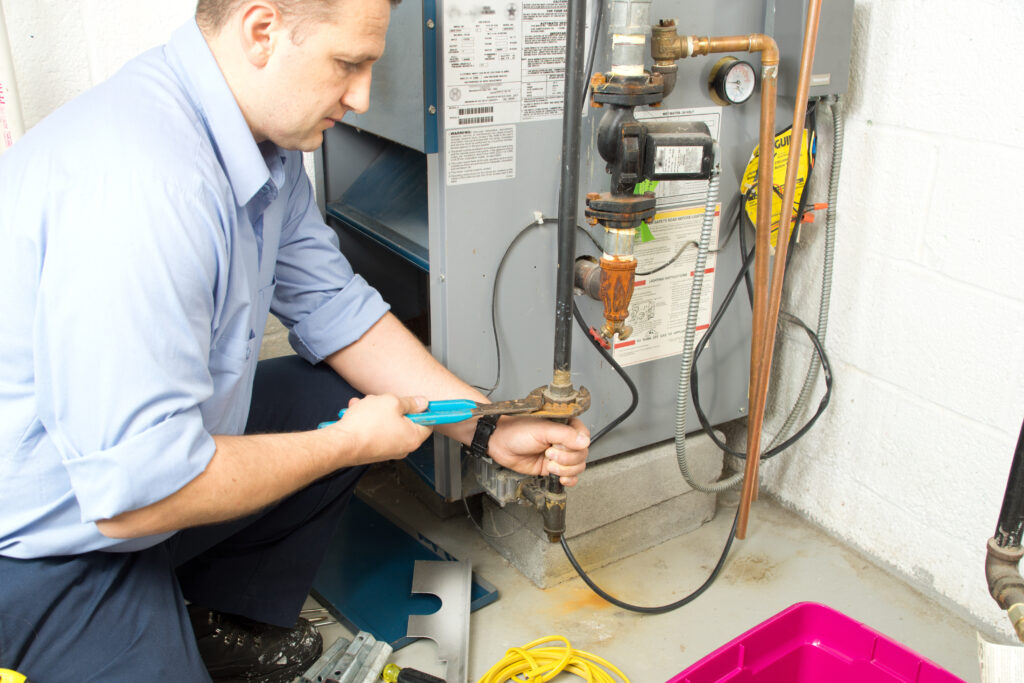
When your furnace fails during cold weather, every minute matters. Quick action not only restores comfort faster but also helps protect your home from issues like frozen pipes, carbon monoxide risks, and excessive system strain. Our guide on how to keep your house warm in winter offers practical steps to stay comfortable until help arrives.
Here’s why fast response matters:
- Safety First: A malfunctioning furnace can release carbon monoxide or create fire hazards. Immediate repair keeps your family safe.
- Prevent Property Damage: Prolonged loss of heat in freezing conditions can lead to burst pipes or condensation problems.
- Energy Efficiency: Running a struggling furnace drives up your utility bills and accelerates wear on internal components.
- Comfort Restoration: Prompt service ensures your home’s temperature stabilizes quickly.
- Cost Control: Addressing small failures early prevents major breakdowns that lead to expensive replacements.
Common Furnace Problems That Require Emergency Repair
Even a well-maintained furnace can develop issues unexpectedly. Understanding the most frequent causes of failure helps you recognize when to call for help—and when a simple check might fix the problem. If you’re unsure whether your current unit is the right fit, read our guide on what size furnace you need to understand how sizing impacts performance.
1. No Heat or Cold Air Blowing
The most obvious sign of trouble is when your furnace stops producing warm air altogether.
Possible causes include:
- Tripped circuit breaker or blown fuse
- Malfunctioning thermostat
- Ignition failure or pilot light issues
- Clogged air filters restricting airflow
If resetting the breaker and checking the thermostat doesn’t help, it’s best to call a professional before continuing to run the system.
2. Frequent Cycling On and Off
If your furnace turns on and off repeatedly, this short-cycling pattern can indicate a deeper issue.
Likely causes:
- Dirty air filters
- Blocked vents or ducts
- Faulty thermostat calibration
- Oversized furnace for your home’s size
Running the system this way can overheat internal parts, leading to a full breakdown if not repaired quickly.
3. Strange Noises or Vibrations
Squealing, banging, or rattling noises often signal mechanical problems.
Common sources:
- Loose blower belts or motor bearings
- Ignition delays causing gas build-up
- Airflow obstructions in ducts
If the noise sounds metallic or grinding, shut the furnace off immediately—these sounds may mean a failing motor.
4. Pilot Light or Ignition Failure
If your pilot light goes out frequently or the ignition won’t start, the furnace can’t generate heat.
Possible causes:
- Dirty or clogged flame sensor
- Gas supply problems
- Malfunctioning igniter or control board
Because gas and ignition systems can be dangerous to handle without training, this is a clear case for professional service.
5. Blower Running Constantly
A blower that won’t shut off usually points to thermostat or relay switch problems. The system may continue circulating cool air even when the heat cycle ends.
Check that your thermostat fan setting is set to “Auto” instead of “On.” If the issue persists, your control board may be stuck or malfunctioning.
6. Burning Smell or Smoke
If you notice a burning odor or see smoke, turn off your furnace immediately.
Possible causes:
- Dust burning off after long inactivity
- Overheating components
- Electrical failure or short circuit
If the smell is metallic, electrical, or accompanied by smoke, contact emergency repair right away.
7. Furnace Won’t Turn On at All
When the furnace won’t respond at all, it may be a sign of electrical failure or internal safety lockout.
Check the following first:
- Power switch near the furnace
- Circuit breaker
- Thermostat batteries
If everything appears functional and the system remains off, professional diagnostics are required.
What to Do Before Calling for Emergency Furnace Repair
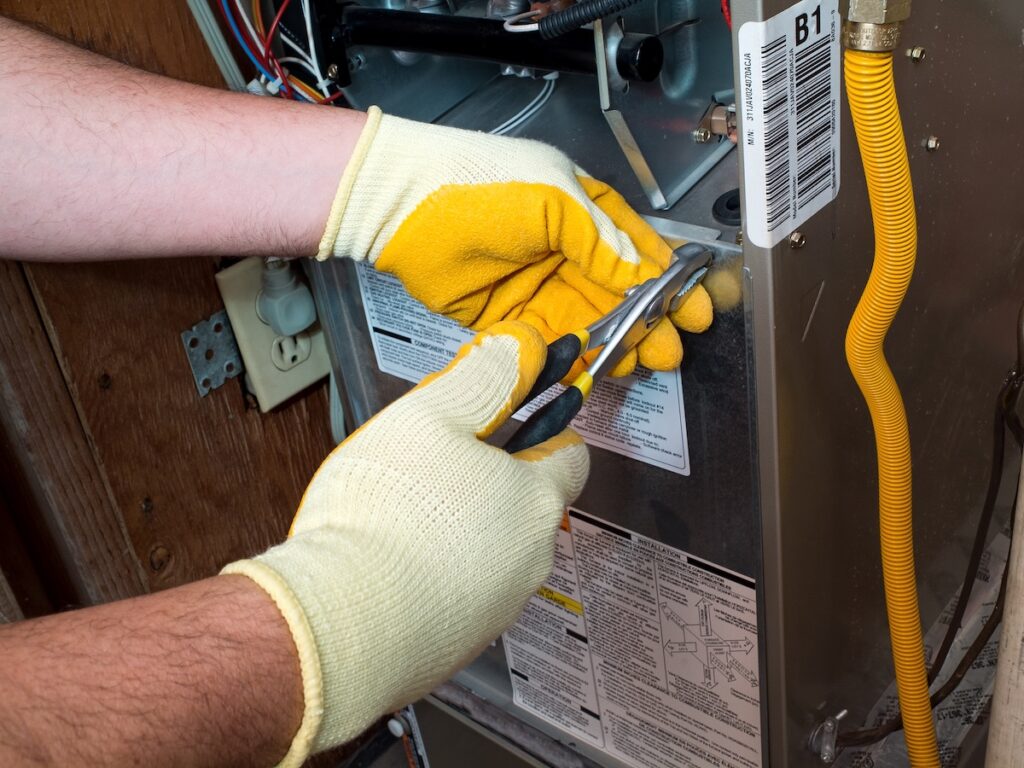
Some heating issues have simple solutions that don’t require immediate service. Before calling for an emergency visit, try these safe, at-home troubleshooting steps. Homeowners in Frederick, MD can rely on our nearby technicians for fast diagnostics and safe repair the moment a real emergency becomes clear.
Check Your Thermostat
Ensure the thermostat is set to “Heat” mode and the temperature is several degrees higher than the current room temperature. Replace the batteries if the display is blank or dim.
Inspect Air Filters
Dirty filters restrict airflow and cause overheating or shutdowns. Replace disposable filters every 1–3 months, especially during peak winter use.
Verify Power and Gas Supply
Check your circuit breaker panel and ensure the furnace switch (often near the unit) is turned on. For gas furnaces, confirm the gas valve is open.
Look at the Pilot Light or Error Codes
If your furnace has a pilot light, make sure it’s burning blue. Yellow or orange flames indicate improper combustion. Modern furnaces display blinking error codes—refer to the manual for meaning.
Ensure Vents and Registers Are Open
Closed or blocked vents make your furnace work harder and can cause it to shut down prematurely.
If these steps don’t resolve the issue, it’s time to schedule professional service before the system sustains further damage.
Safety Precautions During a Furnace Emergency
While waiting for a technician, keep your home safe and comfortable with a few precautionary steps. Furnace issues can escalate quickly if ignored, especially when involving gas or electrical components. If you live in or near New Market, MD, our team can arrive quickly to handle emergencies safely and restore heat without putting your home at risk.
What to do while waiting for help:
- Shut off the furnace: Prevent overheating or further damage.
- Use alternative heat safely: Electric space heaters can help, but never leave them unattended.
- Check carbon monoxide detectors: Ensure they’re functioning properly.
- Keep airways clear: Avoid blocking furnace intake or exhaust vents.
- Bundle up: Insulate with blankets, close off unused rooms, and retain warmth.
Never attempt to disassemble or repair gas components on your own. Furnace safety controls are designed to shut down the system if something serious occurs—forcing it back on can lead to fire or carbon monoxide exposure.
How to Prevent Furnace Emergencies Before They Start
The best way to avoid emergencies is through consistent care and maintenance. Regular tune-ups identify worn parts and hidden issues before they lead to unexpected breakdowns.
Schedule Annual Maintenance
A yearly inspection ensures your furnace runs efficiently all season long. Technicians clean key components, check combustion safety, and verify system performance.
Replace Air Filters Regularly
Clean filters protect your furnace’s blower and heat exchanger from debris buildup, helping maintain proper airflow.
Keep Ductwork Clean and Sealed
Dirty or leaky ducts reduce airflow and force your furnace to work harder, increasing the risk of overheating or mechanical failure.
Test Your Thermostat Each Season
A faulty thermostat can mimic a major furnace problem. Test it before winter begins to ensure accurate temperature readings and proper system response.
Address Minor Repairs Promptly
Strange noises, uneven heating, or frequent cycling often start as small issues. Handling them early prevents costly after-hours emergencies.
Monitor Furnace Age
Most furnaces last 15–20 years. If yours is approaching that range, consider replacement planning before breakdowns become frequent.
When to Call for Emergency Furnace Repair
Knowing when to treat a situation as an emergency helps protect your system and your family. If any of the following occurs, it’s time to call immediately.
Call for emergency repair if:
- The furnace stops producing heat during freezing weather
- You smell gas or detect carbon monoxide
- The system makes loud, unusual noises
- You see smoke or sparks
- Your furnace won’t turn off or overheats continuously
If your home’s temperature drops below safe levels or you suspect a gas leak, leave the house and call for professional or emergency assistance right away.
Why Homeowners in Clarksburg Trust Smock HVAC for Emergency Repairs
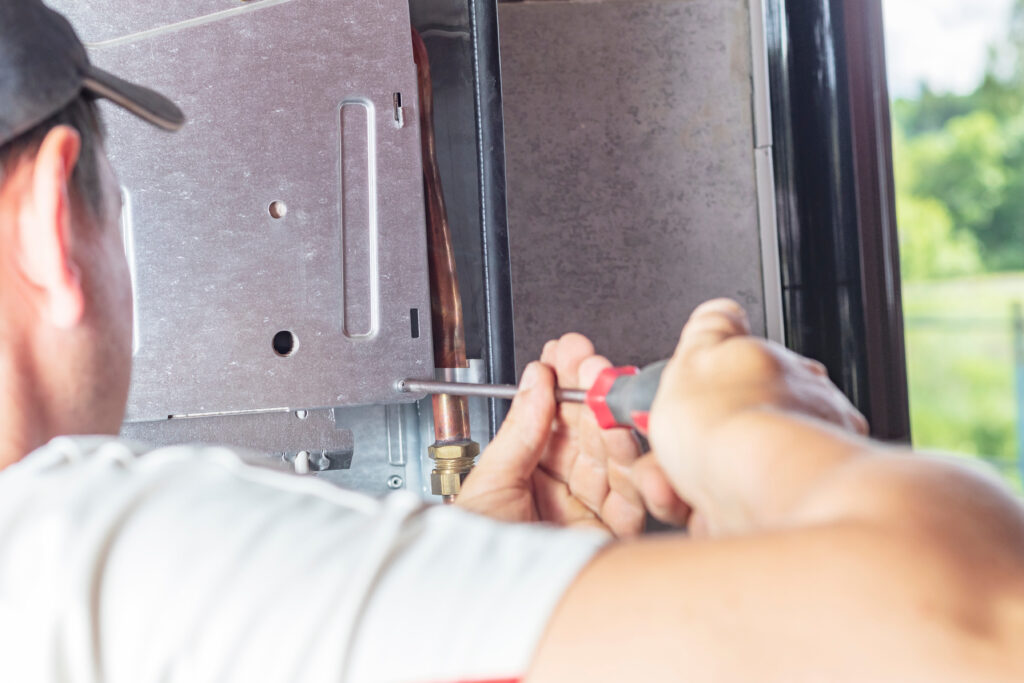
When your furnace fails, you need a company that responds fast and fixes the issue right the first time. Homeowners throughout Clarksburg, MD and surrounding areas choose Smock HVAC because we combine expertise with transparency and genuine care.
Our certified technicians arrive equipped to diagnose the problem quickly and restore your home’s heat safely. Whether it’s a malfunctioning igniter, blower motor, or thermostat, we take the time to explain what’s wrong and how to prevent it from happening again.
Smock HVAC also offers preventative maintenance options that reduce the chance of future emergencies. We believe in educating homeowners, not just repairing equipment, so you always know what’s happening with your heating system.
Get Reliable 24/7 Furnace Help You Can Count On
A sudden furnace breakdown doesn’t have to leave you cold. Smock HVAC provides dependable service for Clarksburg, MD and surrounding areas, offering both emergency repairs and routine maintenance to keep your system running strong. If you’re in Mt. Airy, MD, our technicians are on call day and night to handle anything from ignition failures to complete system shutdowns, giving you peace of mind when you need it most.
Whether your furnace has stopped producing heat, started making strange noises, or tripped a safety switch, our team is ready to help day or night. We work efficiently, communicate clearly, and prioritize your comfort above all else.
To restore warmth and peace of mind fast, contact us today. Smock HVAC is proud to keep local homeowners safe, comfortable, and confident in their heating systems—no matter how cold it gets outside.

