



January 30, 2026
2026 Cooling Installation Guide: 6 HVAC Types + Install Steps
Getting a cooling installation done properly is one of the best ways to ensure your home stays comfortable during Maryland’s steamy summers. From choosing the right system to understanding how the install process works, it pays to know what to expect, especially if you’re dealing with an older home or upgrading your existing setup.
This guide walks you through the most common cooling system types and breaks down the installation steps so you can plan ahead confidently and avoid surprises during the hottest days of the year.
Here’s what we’ll cover:
- Overview of the six most common HVAC cooling systems
- Key installation steps you can expect
- What impacts system choice and install complexity
- Why professional help makes a big difference
Why Cooling Installation Is Worth Planning Ahead

Summer in Middletown, MD can be brutal without proper air conditioning. Whether you’re replacing an aging system or adding cooling for the first time, proper planning ensures efficiency, comfort, and long-term value. Homeowners seeking reliable system upgrades and preventative care can count on professional HVAC services in Urbana to ensure their cooling installation is handled efficiently and correctly the first time.
Homeowners who choose the right cooling system not only enjoy reliable temperature control but also benefit from lower energy bills, better indoor air quality, and fewer emergency repairs. A well-executed install, paired with energy efficient equipment, sets the stage for hassle-free comfort for years to come. The result is a system that performs consistently and requires less frequent maintenance or repairs.
6 HVAC Cooling System Types to Consider
Before installation begins, it’s essential to know which type of system suits your home. These six options cover most residential needs — from small spaces to large homes with zoning needs.
1. Central Air Conditioning
Central air is one of the most common systems in suburban homes.
- Whole-home comfort: Delivers cool air through ductwork to every room.
- Paired systems: Works with a furnace or air handler for year-round HVAC.
- Best for: Homes with existing ductwork in good condition.
2. Ductless Mini-Split Systems
Mini-splits are gaining popularity, especially in remodels and additions.
- Zone control: Allows separate temp control in each room.
- No ducts needed: Ideal for homes without existing ductwork.
- Best for: Additions, older homes, or targeted upgrades.
3. Heat Pump Systems
Heat pumps offer both heating and cooling in one.
- Year-round use: Acts as both air conditioner and heater.
- Energy efficient: Transfers heat instead of generating it.
- Best for: Mild climates and eco-conscious homeowners.
4. Window Air Conditioners
Window units offer basic, temporary cooling.
- Affordable option: Low upfront cost.
- No install needed: Plugs into a wall outlet.
- Best for: Apartments or one-room cooling.
5. Portable AC Units
These flexible systems work in smaller areas and can move between rooms.
- Easy setup: Roll in, plug in, and cool.
- Vent required: Needs window or wall access for exhaust.
- Best for: Short-term use or cooling a single room.
6. Evaporative Coolers
Also called swamp coolers, these are rare in humid areas like Maryland.
- Moist air delivery: Uses evaporation to cool dry air.
- Low energy: Consumes less power than traditional AC.
- Best for: Dry climates out West, not typically suited for the East Coast.
What to Expect During Cooling Installation
Whether you’re going with central air, a ductless system, or a heat pump, here’s what the installation process usually looks like. Having a clear plan can help you schedule around the work and understand what’s involved.
Home Assessment and Load Calculation
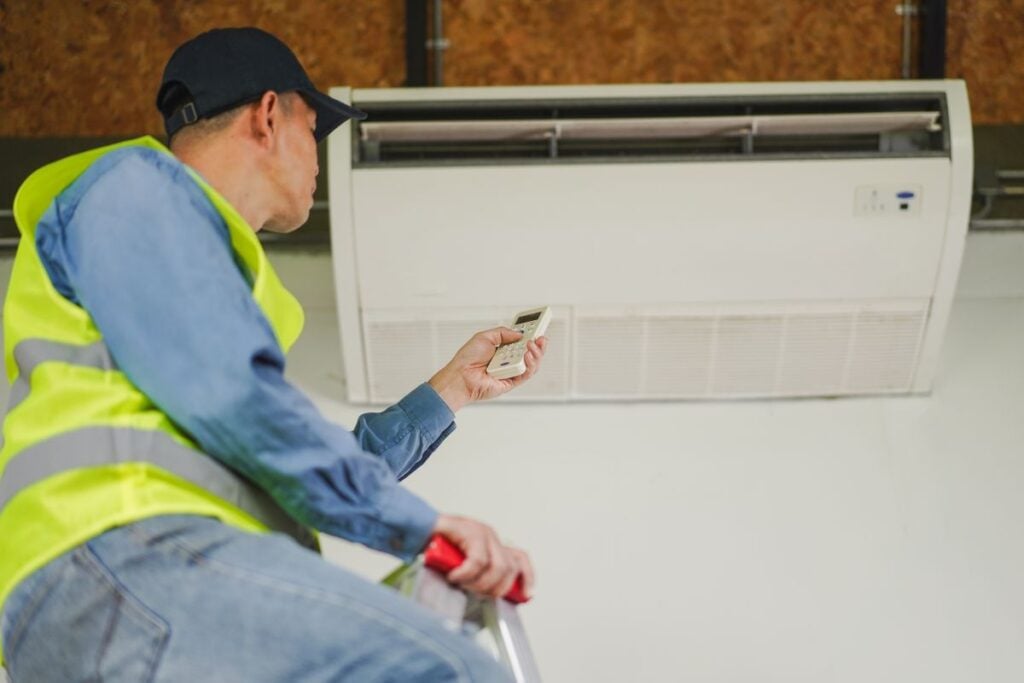
Your HVAC technician will evaluate your home’s layout, insulation, and existing infrastructure to determine the right system size. An undersized or oversized unit leads to inefficiencies, uneven cooling, and system wear.
Equipment Selection
You’ll choose from options based on your budget, comfort needs, and long-term energy goals. Newer models often include smart features and higher SEER ratings for better energy performance. Discuss available rebates or incentives for energy efficient equipment to lower upfront costs. If you’re comparing leading HVAC brands before your install, this breakdown of Trane vs Carrier helps homeowners understand performance differences and make a confident investment decision.
Site Preparation
Technicians will clear the work area and prep the space. This could include:
- Removing old equipment
- Making ductwork modifications
- Prepping electrical connections
- Setting up protective coverings
Installation of System Components
This step includes placing the indoor and outdoor units, connecting refrigerant lines, ducting (if applicable), wiring the thermostat, and ensuring all electrical connections meet code. Attention to detail during this step ensures future reliability and performance.
Testing and Calibration
The system is powered on and tested to ensure proper function. Airflow, refrigerant charge, and thermostat settings are verified and adjusted as needed. Technicians may also check for any unusual noise or imbalance. Reviewing these recommended thermostat settings for summer and winter can help you maximize performance while keeping utility bills under control.
Homeowner Walkthrough
The technician will walk you through operating the system, checking the air filter, and scheduling future maintenance; an important habit, since a dirty air filter can reduce HVAC efficiency by 5% to 15%, according to the U.S. Department of Energy.
A Note on Efficiency and Air Quality
Energy efficiency affects more than just your utility bill. Here’s why it matters during and after a cooling installation:
- System longevity: Energy efficient equipment experiences less wear over time.
- Better air quality: Modern systems improve indoor air quality with better filtration and humidity control.
- Sealing and insulation: Proper sealing reduces energy waste and supports consistent cooling.
- Environmental impact: Lower energy use reduces your household carbon footprint.
SEER Ratings vs. Estimated Cooling Savings
| SEER Rating | Efficiency Level | Estimated Cooling Cost Savings* |
| 13 (baseline) | Standard | 0% (baseline) |
| 16 | Moderate Efficiency | ~15% savings |
| 18 | High Efficiency | ~20–25% savings |
| 20+ | Premium Efficiency | 30%+ savings |
Cooling in Middletown, MD: What You Should Know
Summers in Middletown are hot and humid, making an efficient cooling system essential. Homes with aging ductwork or poor insulation may benefit from ductless upgrades or high-efficiency heat pump systems. Also, many newer builds in the area are ideal candidates for full central air conditioning installations with smart thermostats.
Homeowners looking for dependable local service can explore trusted HVAC services in Middletown to ensure their cooling system is designed specifically for Maryland’s climate demands.
Choose Smock Heating & Air for Expert Cooling Installation
With over 1,200 five-star reviews, Smock Heating & Air is known for fast, friendly, and reliable service. Our licensed techs install all types of cooling systems and provide expert recommendations tailored to your home. We handle everything from central AC and mini-splits to smart thermostat setup and post-install support. Residents searching for dependable HVAC services in Clarksburg can rely on Smock Heating & Air for expert installation, smart system recommendations, and ongoing support.
Whether you want a more energy efficient system or need help deciding between options, we’re here to help. Get started with a free estimate and see why Smock Heating & Air is the trusted name for cooling installation in Middletown and beyond.

