



October 22, 2025
Commercial HVAC Installation: Full Process Explained In 7 Steps
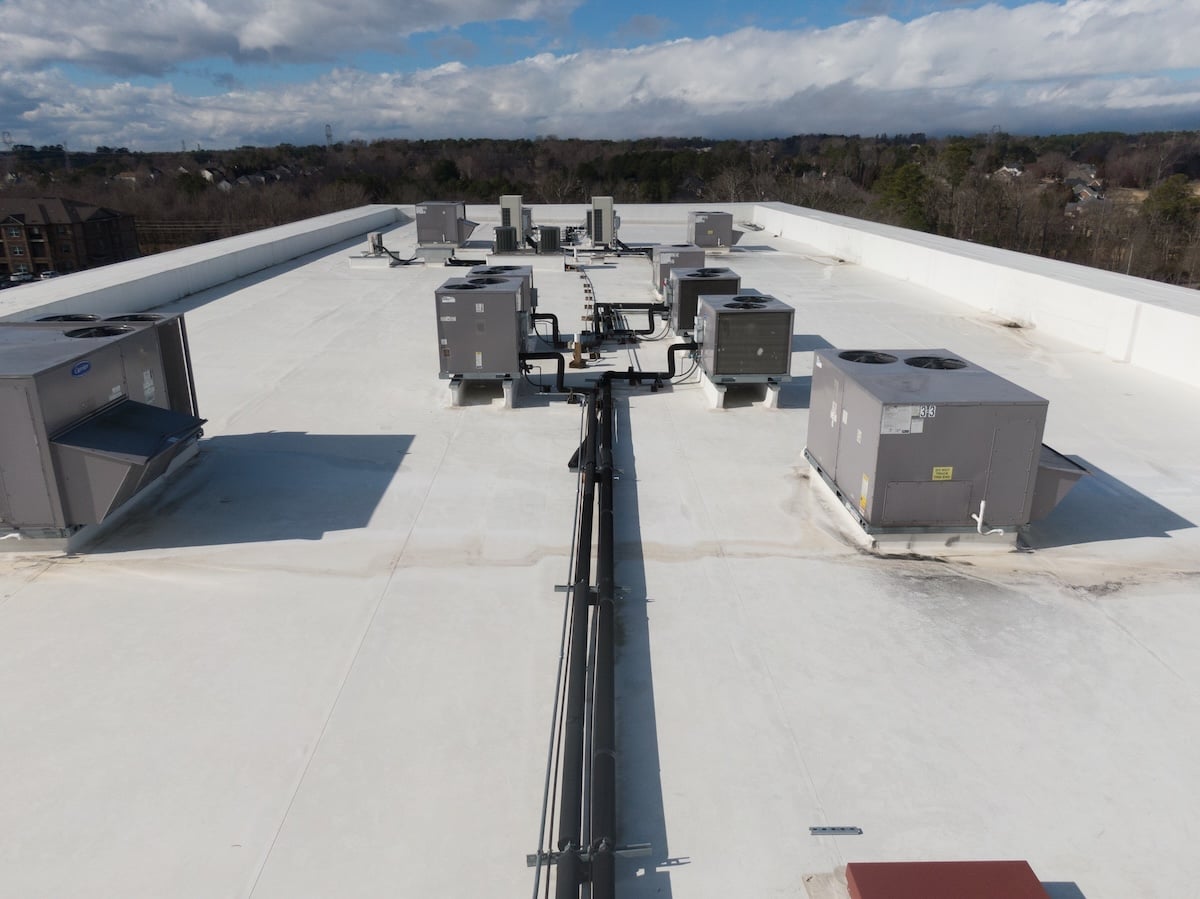
When it comes to businesses, comfort isn’t just a luxury — it’s a necessity. Employees, clients, and customers all notice when a space is too hot, too cold, or poorly ventilated. That’s why understanding the process of commercial HVAC installation is so important. These systems are larger, more complex, and more customized than residential units. Knowing what goes into installation helps business owners plan better, avoid downtime, and protect their investment. With expert HVAC services, your building can stay efficient and comfortable all year long.
In this guide, you’ll learn:
- Why commercial HVAC systems matter for performance and profitability
- The step-by-step installation process explained clearly
- Common questions business owners ask about commercial systems
- Factors that influence cost, efficiency, and long-term value
- How to maintain a system after installation for peak performance
🏢 Why Commercial HVAC Systems Are Essential
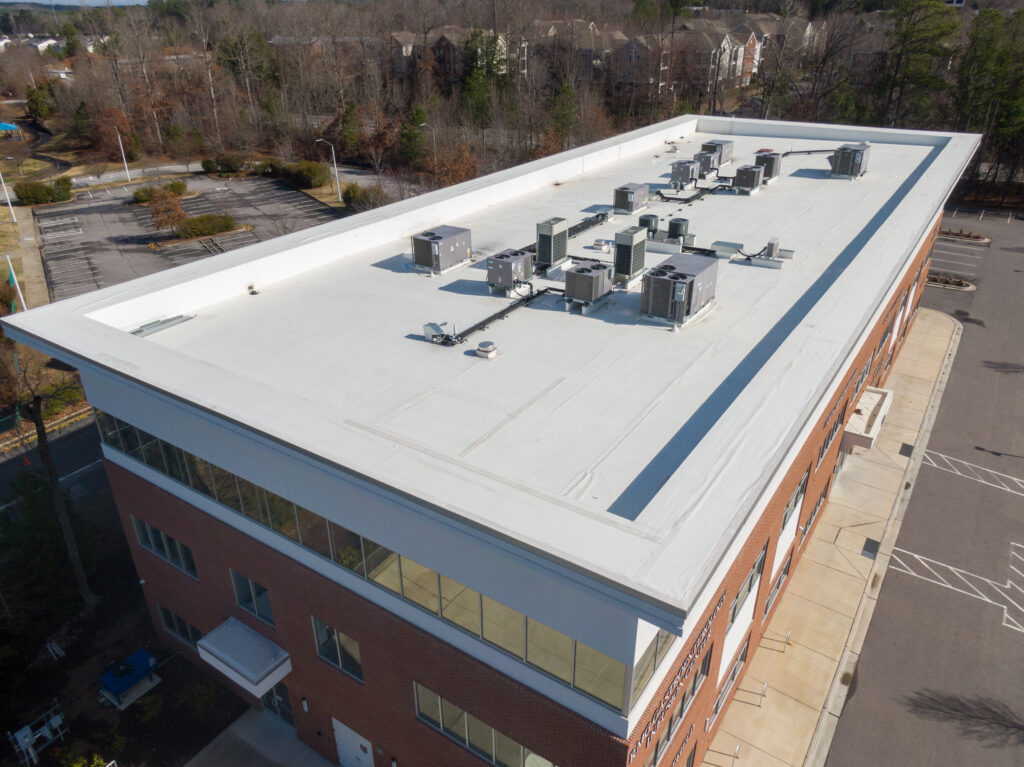
A business without climate control struggles to operate at its best. Commercial HVAC systems are tailored to larger spaces and specific usage needs, making them critical for productivity and customer satisfaction.
- Comfort Matters: Proper heating and cooling keep employees focused and customers happy.
- Air Quality Protection: Modern systems filter pollutants, allergens, and contaminants, which is especially important for offices, healthcare facilities, and retail.
- Energy Efficiency: Advanced technology helps reduce energy bills for large spaces.
- Equipment Protection: Temperature control safeguards sensitive electronics, products, and machinery.
- Regulatory Compliance: Many industries must maintain indoor air quality standards.
✅ 7 Steps in the Commercial HVAC Installation Process
The installation process is much more involved than simply swapping out equipment. It’s a detailed, collaborative project designed to ensure the system matches the building’s needs.
1. Initial Consultation and Site Assessment
A technician evaluates your building’s size, layout, and usage. This step identifies heating and cooling loads, insulation levels, and ventilation needs. If you’re unsure whether your current equipment is nearing the end of its lifespan, our guide on how long a furnace lasts can help you anticipate upgrades before they impact your business.
- Site surveys may include rooftop or mechanical room evaluations.
- Load calculations are performed to size the system correctly.
2. System Design and Planning
Once the building’s requirements are understood, engineers design a system that balances efficiency and performance.
- Decisions include equipment type (rooftop units, split systems, packaged units).
- Ventilation and duct layout are mapped for even airflow.
- Plans ensure compliance with building codes and energy standards.
3. Equipment Selection and Ordering
Not all commercial spaces need the same system. Choosing the right equipment is a critical step.
- Options include air handlers, boilers, chillers, and rooftop units.
- Energy efficiency ratings (SEER2, AFUE, EER) are considered.
- Timelines for ordering and delivery are confirmed.
4. Preparing the Space
Before installation, the site is prepped for equipment delivery and setup. Businesses planning ahead for colder months may also benefit from reading about how to keep a building warm in winter to avoid energy waste and comfort issues.
- Old systems may be removed and properly disposed of.
- Rooftop or indoor spaces are reinforced if needed.
- Electrical, gas, and plumbing connections are inspected.
5. Installation of Equipment and Ductwork
This is the most labor-intensive phase, where the new system is installed piece by piece.
- Rooftop cranes may be used to place large units.
- Ductwork is installed or updated for efficient air distribution.
- Electrical wiring, gas lines, and control systems are connected.
6. Testing and Balancing
Once installed, the system is tested for performance and airflow balance.
- Airflow is measured room by room to avoid hot and cold spots.
- Controls and thermostats are calibrated.
- Refrigerant levels and combustion efficiency are verified.
7. Final Walkthrough and Training
The project concludes with a full walkthrough. Business owners and managers learn how to operate the system and schedule maintenance.
- Training includes thermostat controls, filter changes, and system monitoring.
- Documentation for warranties and service schedules is provided.
🤔 FAQs About Commercial HVAC Installation
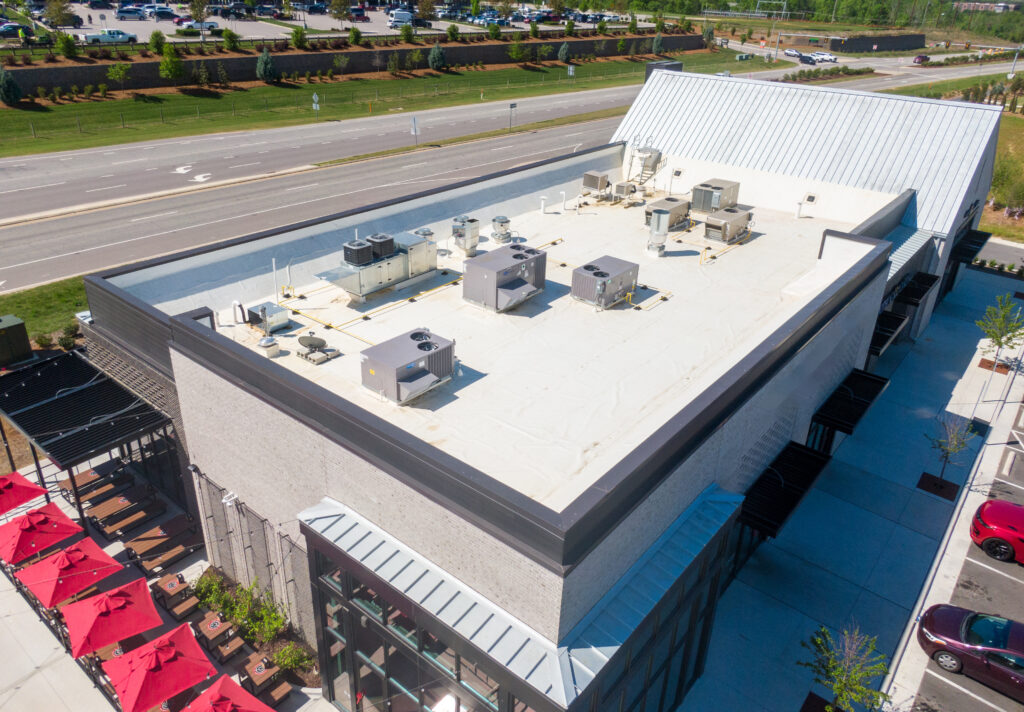
Asking the right questions about commercial HVAC systems is important for your next investment. These systems are complex, and understanding the basics can help you make smarter choices for efficiency, comfort, and cost savings.
How long does commercial HVAC installation take?
Depending on the building size, it may take a few days to several weeks. Large projects often include phased installation to minimize downtime, ensuring business operations can continue as smoothly as possible.
Can my business stay open during installation?
Often yes. In many cases, contractors work in sections or after hours to reduce disruption. Communication with your installer helps ensure scheduling aligns with your business needs.
What types of systems are most common for businesses?
Rooftop packaged units and split systems are popular for offices and retail spaces. Larger facilities like hospitals may use chillers or boilers, which provide more capacity for extensive heating and cooling demands.
How long do commercial HVAC systems last?
With proper maintenance, most systems last 15–20 years. Rooftop units may require earlier replacement depending on climate and usage, but consistent care can help maximize their service life.
Are commercial systems more expensive to repair?
Yes, due to their size and complexity. However, regular maintenance reduces the frequency of costly breakdowns and helps catch small issues before they turn into major repairs.
💵 Cost Factors That Affect Commercial HVAC Projects
Pricing a commercial HVAC installation isn’t one-size-fits-all. Several variables influence total cost.
Building Size and Layout
- Larger buildings require more powerful equipment and longer duct runs.
- Multi-story buildings often involve complex zoning and airflow balancing.
System Type
- Packaged rooftop units are often cost-effective for mid-size businesses.
- Boilers, chillers, and specialized systems raise upfront costs.
Energy Efficiency Ratings
- High-efficiency systems cost more upfront but lower monthly energy bills.
- Many businesses recoup costs through rebates, tax incentives, and reduced utility expenses.
Labor and Installation Complexity
- Cranes, electrical upgrades, and reinforced supports all add cost.
- Older buildings may require ductwork or wiring upgrades.
Ongoing Maintenance Plans
- Businesses often include service contracts in the upfront cost.
- Preventive maintenance plans help extend the system’s lifespan.
🛠️ Maintenance After Installation: Protecting Your Investment
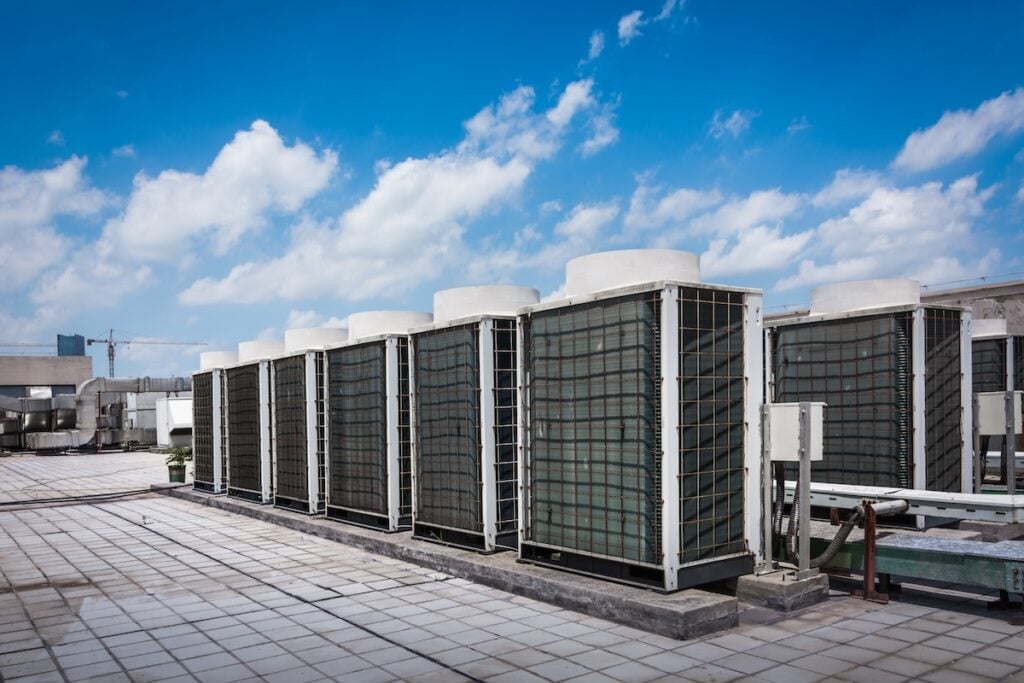
A successful installation is just the beginning. Maintenance ensures the system operates at peak efficiency year after year. For businesses in the Frederick area, routine commercial HVAC inspections are especially important due to seasonal temperature swings.
Regular Tasks for Building Staff
- Change filters on schedule to prevent clogs.
- Monitor thermostat settings and building management systems.
- Keep mechanical rooms or rooftop units clear of debris.
Professional Maintenance Essentials
- Seasonal inspections (spring and fall) to prepare for extreme weather.
- Coil cleaning, lubrication, and electrical testing.
- Airflow balancing checks to confirm efficiency.
Signs Service Is Needed
- Uneven temperatures in different parts of the building.
- Rising utility bills despite stable usage.
- Unusual noises, odors, or frequent cycling.
If your business operates in New Market, these small habits help HVAC equipment handle seasonal humidity and temperature fluctuations more effectively.
📞 Get Expert Help with Your Commercial HVAC Needs
Commercial HVAC installation is a major investment, but it pays off in comfort, efficiency, and long-term savings. Understanding the process helps business owners plan ahead and avoid surprises. With the right system and professional support, your building can deliver comfort to everyone inside — while keeping energy costs under control. If your business is located near Mt Airy, our team is ready to provide tailored commercial HVAC solutions designed for your building’s size, layout, and daily demands.
If your business is preparing for an HVAC upgrade, don’t wait until the system fails. Contact us today to schedule a consultation and learn which system is best for your building.

