



July 20, 2026
Central Air vs Ductless (Pros, Cons & Best Use Cases)
Choosing the right cooling system for your home is one of the most consequential comfort decisions you’ll make as a homeowner. The debate around central air vs ductless comes down to more than just price. It involves your home’s layout, your existing infrastructure, your energy goals, and how you actually use your living spaces day to day. In this guide, we cover:
- How central air conditioning and ductless mini-splits work
- The pros and cons of each system type
- A side-by-side cost and efficiency comparison
- Which system works best for different home types and situations
- How to know which option is right for your home
We’re proud to serve homeowners in Frederick, MD, and nearby communities with air conditioning installation, replacement, and maintenance services, and more.
How Each System Works

Before comparing costs and comfort, it helps to understand what each system actually does and how it delivers conditioned air throughout your home. Both systems cool your home effectively, but they go about it in very different ways.
Central air conditioning uses a network of ducts to distribute cooled air from a single outdoor unit and indoor air handler throughout every room in the house. A ductless mini-split system, by contrast, connects one outdoor unit to one or more indoor wall-mounted units, delivering conditioned air directly into individual rooms without any ductwork at all.
Central Air Conditioning
A central air conditioner pulls warm air from your home through return vents, cools it over the evaporator coil, and pushes it back through supply ducts into every room. The system is controlled by a single thermostat, which means the entire home is treated as one zone unless additional zoning equipment is installed.
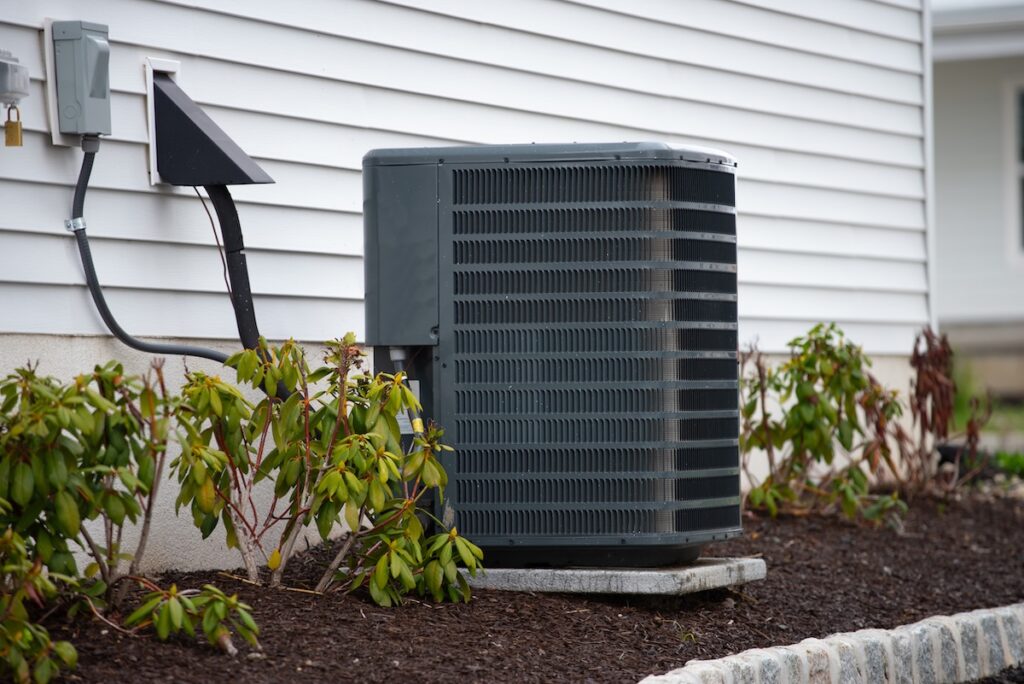
- Outdoor unit: Houses the compressor and condenser coil, typically installed on a concrete pad beside the home.
- Indoor air handler: Paired with a furnace or standalone unit in a closet or utility room, distributes air through ducts.
- Ductwork: The network of metal or flexible ducts running through walls, ceilings, and crawl spaces that carries conditioned air.
- Single thermostat: Controls temperature for the entire home from one central location.
Ductless Mini-Split Systems
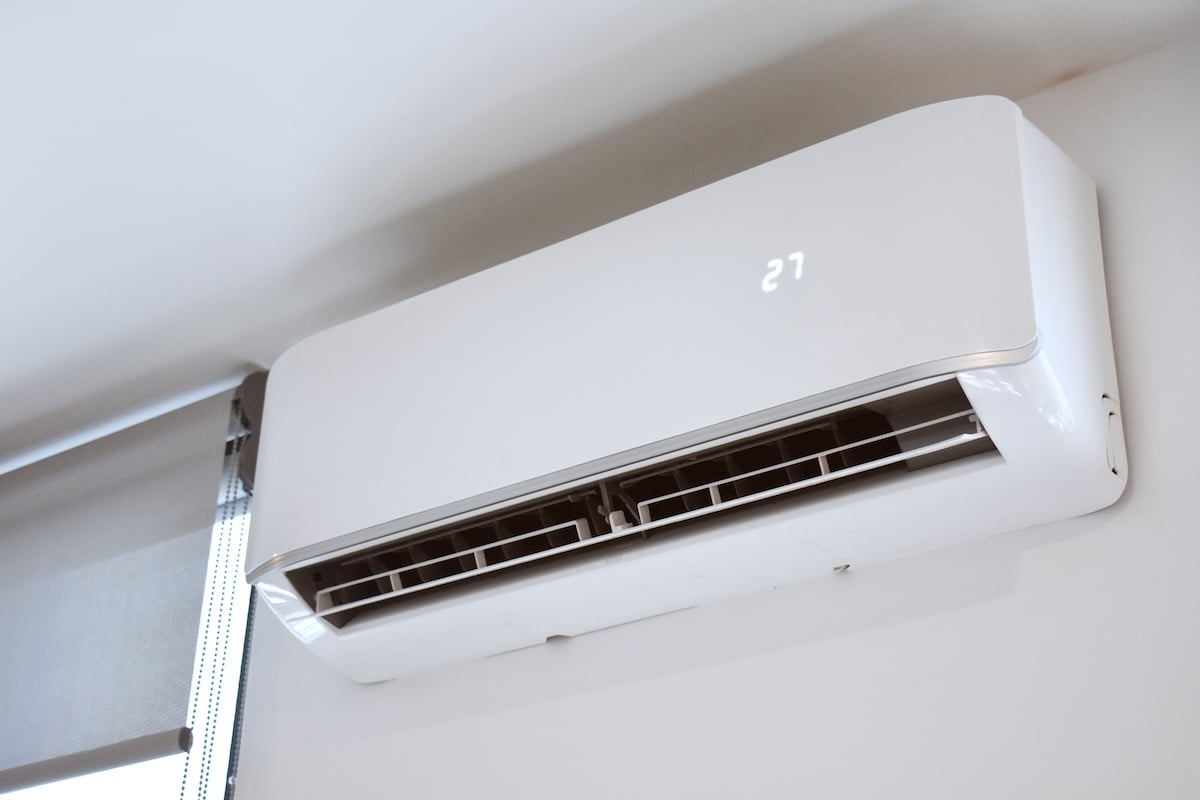
A ductless mini-split consists of a small outdoor compressor unit connected by refrigerant lines to one or more indoor air handlers mounted high on the wall in individual rooms. Each indoor unit has its own remote or smart control, allowing different rooms to be set to different temperatures independently.
- Outdoor compressor: Smaller than a central AC unit, connects to up to eight indoor units depending on the system.
- Indoor wall units: Mounted near the ceiling in each room or zone, deliver heating and cooling directly.
- No ductwork: Refrigerant lines run through a small hole in the wall, eliminating the need for ducts entirely.
- Individual controls: Each zone is controlled independently for customized comfort throughout the home.
Central Air vs Ductless: Side-by-Side Comparison
| Feature | Central Air | Ductless Mini-Split |
| Average installed cost | $6,000 to $12,000 | $3,000 to $8,000 per zone |
| Requires ductwork | Yes | No |
| Zoning capability | Limited (with add-ons) | Built-in, per room |
| SEER2 efficiency range | 13 to 20+ | 16 to 30+ |
| Best for | Whole-home cooling | Additions, older homes, targeted zones |
| Indoor air quality control | Centralized filtration | Per-unit filtration |
| Installation complexity | Moderate to high | Low to moderate |
| Aesthetic impact | Minimal (vents only) | Wall-mounted units visible |
6 Pros and Cons Every Homeowner Should Weigh
Understanding the strengths and limitations of each system helps you make the right call for your specific home and budget. Here are the six most important factors to consider.
1. Upfront Installation Cost
Central air conditioning systems generally cost more to install in homes that lack existing ductwork, since running new ducts adds significant labor and material costs. In homes that already have ducts in good condition, central air is often the more affordable option. Ductless systems cost less per zone but can become expensive when multiple indoor units are needed to cover a whole house.
- Central air with existing ducts: Typically the most cost-effective whole-home solution.
- Central air without ducts: New ductwork can add $3,000 to $10,000 or more to the project.
- Ductless for one to two zones: Often more affordable and faster to install than a full ducted system.
- Ductless for whole-home coverage: Multiple indoor units can push total costs above a central air installation.
2. Energy Efficiency and HVAC Energy Consumption
Ductless mini-splits tend to have higher SEER2 ratings than central air conditioners, partly because they eliminate the energy losses associated with ductwork. According to the U.S. Department of Energy, duct losses can account for more than 30 percent of energy consumption in a central air conditioning system. In a home with leaky or uninsulated ducts, a ductless system can deliver meaningful reductions in monthly energy costs.
3. Zoning and Comfort Control
One of the strongest advantages of ductless systems is built-in zoning. Each indoor unit operates independently, so you can cool the living room without running the system in unoccupied bedrooms. Central air treats the home as a single zone by default, though zoning dampers can be added at extra cost.
- Ductless zoning: Ideal for households where different family members prefer different temperatures.
- Central air zoning: Possible with added dampers and controls, but increases system complexity and cost.
- Unoccupied rooms: Ductless systems let you avoid conditioning spaces that aren’t being used, reducing energy usage.
4. Indoor Air Quality
Both systems filter the air they circulate, but in different ways. Central air uses a single whole-home filter that catches dust, pollen, and particles from every room. Ductless systems filter air at each individual unit. Homes with heavy dust loads or allergy sufferers may benefit from upgrading filtration on either system type.
5. Aesthetics and Home Design
Central air conditioning is largely invisible once installed, with only small vents visible in ceilings or floors. Ductless mini-splits require wall-mounted indoor units in each zone, which some homeowners find visually disruptive. For historically sensitive homes or spaces with design-conscious finishes, this can be a deciding factor.
6. Installation Timeline and Disruption
Ductless systems are generally faster to install and cause less disruption to your home during the process. A single-zone ductless installation can often be completed in a day. A full central air installation with new ductwork can take several days and may require opening walls, ceilings, or floors.
Best Use Cases for Each System
Not every home is the right fit for both options. Understanding which system performs best in specific situations helps narrow the decision quickly.
When Central Air Makes More Sense
- Existing ductwork in good condition: If your home already has ducts, central air is typically the most cost-efficient upgrade path.
- Whole-home replacement: Replacing an aging central system with a new high-efficiency unit is straightforward and familiar.
- New construction: Ductwork can be built into the design from the start, making central air a practical choice.
- Resale value: Many buyers expect central air, making it a safer investment for homes that may be sold in the future.
When Ductless Makes More Sense
- Older homes without ductwork: Installing ducts in a home not originally designed for them is expensive and invasive.
- Home additions or converted spaces: Garages, sunrooms, and finished basements are ideal candidates for a single ductless zone.
- Supplemental cooling: If one room in your home never gets comfortable, a ductless unit can solve the problem without modifying your existing system.
- Energy efficiency goals: Households looking to minimize HVAC energy consumption will often find ductless systems deliver stronger returns.
Frequently Asked Questions About Central Air vs Ductless
Homeowners comparing these two systems tend to have similar questions. Here are honest answers to the ones that come up most often.
Which system is cheaper to operate long-term?
Ductless systems typically have lower operating costs in homes without existing ductwork because they eliminate duct losses and offer more precise zoning. In homes with well-sealed, insulated ducts, the difference narrows considerably. Your actual savings depend on how many zones you run and how consistently you use the system.
Can a ductless system heat my home in winter too?
Yes. Most ductless mini-splits are heat pumps, meaning they provide both heating and cooling from a single system. Modern cold-climate heat pumps operate efficiently even when outdoor temperatures drop below freezing, making them a practical year-round solution for Maryland homeowners.
How long do ductless systems last compared to central air?
Both system types have similar lifespans when properly maintained, typically 15 to 20 years. Ductless systems have fewer mechanical components than central air setups with ductwork, which can mean fewer points of failure over time.
Is ductless harder to maintain than central air?
Neither system requires significantly more maintenance than the other. Central air requires regular duct inspections in addition to standard filter and coil care. Ductless systems require cleaning the filters in each indoor unit monthly, which is a simple task most homeowners can handle themselves.
Will a ductless system add value to my home?
Ductless systems add comfort and efficiency, which buyers appreciate. However, in markets where central air is the norm, some buyers may perceive ductless as unconventional. In Maryland, where older housing stock often lacks ductwork, a ductless system in a previously unconditioned space is generally viewed as a positive upgrade.
Find the Right Fit With Smock HVAC
There’s no single right answer when it comes to central air vs ductless. The best system for your home depends on your existing infrastructure, your comfort priorities, and your long-term energy goals. What matters most is getting an honest assessment from someone who knows both systems inside and out.
At Smock, we help Maryland homeowners cut through the noise and find the cooling solution that genuinely fits their home and budget. Whether you’re leaning toward a high-efficiency central air replacement or exploring ductless for a new addition, contact our team to schedule your free consultation and get straightforward answers from people you can trust.

