



November 26, 2025
Boiler Replacement Cost & Installation Process (2026 Guide)
For homeowners in Gaithersburg, MD and surrounding areas, heating reliability is essential. Whether your current system is aging, inefficient, or beyond repair, understanding what goes into a boiler replacement can help you plan wisely. Boilers play a vital role in providing consistent, even heat throughout your home, and a properly installed new unit can significantly improve energy efficiency and comfort.
Replacing a boiler isn’t something most homeowners do often — it’s typically a once-every-15-to-25-year investment. But because it involves both equipment and professional installation, the costs and options can seem overwhelming. That’s why it helps to know what affects pricing, what to expect during installation, and how to ensure you get the most from your new system. Working with experienced professionals through trusted heating services ensures your investment is handled correctly from start to finish.
In this guide, you’ll learn:
- What impacts boiler replacement cost
- The steps involved in a professional installation
- Types of boilers available and their benefits
- How to tell when replacement is necessary
- Expert tips to maximize efficiency and savings
Why Boiler Replacement Is Worth the Investment
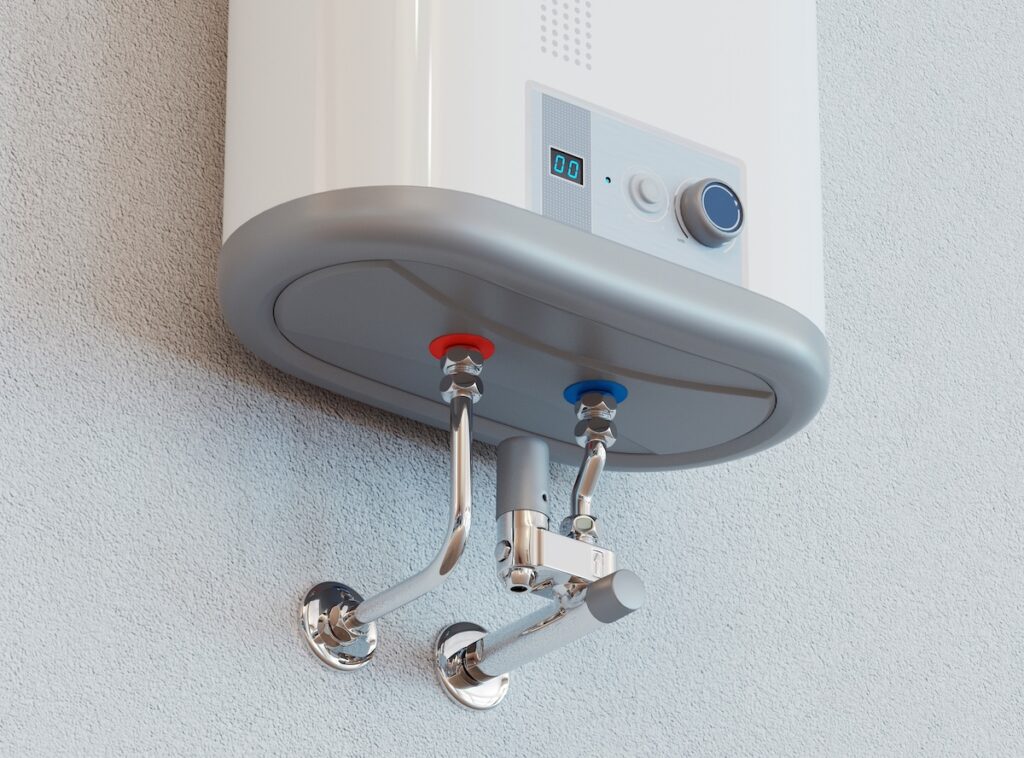
If your boiler has started breaking down frequently, losing efficiency, or driving up your energy bills, replacing it may be more cost-effective than continuing repairs. A new boiler can drastically improve comfort while reducing maintenance expenses.
Here’s why this decision matters:
- Energy Efficiency: Modern boilers can reach up to 95% efficiency, reducing fuel use and monthly heating costs.
- Consistent Comfort: New units deliver steady, even heating without temperature fluctuations or cold spots.
- Improved Safety: Older boilers can develop leaks or faulty pressure valves; modern systems include advanced safety controls.
- Lower Repair Costs: Frequent repairs on aging boilers often add up to more than a new installation over time.
- Increased Home Value: Energy-efficient systems enhance property value and appeal to potential buyers.
7 STep Boiler Replacement Process
A successful boiler replacement involves more than just swapping old equipment for new. Professional installers carefully evaluate your home’s heating needs, system configuration, and efficiency goals to ensure lasting performance. Here’s what you can expect during the process.
1. Evaluation and System Assessment
Before installation, a technician will inspect your current boiler and evaluate your home’s heating system. They’ll check:
- Boiler age, capacity, and fuel type
- Condition of pipes and radiators
- Existing venting and gas line setup
- Home size and insulation quality
This assessment helps determine the correct size and type of boiler for your household, ensuring efficient operation without overworking the system.
2. Choosing the Right Boiler Type
Once your home is evaluated, you’ll select a system that fits your needs and budget. Modern boilers come in several types, each offering unique advantages.
Common options include:
- Conventional Boilers: Store hot water in a tank and distribute it through radiators. Best for larger homes with multiple bathrooms.
- Combi Boilers: Provide on-demand hot water and heating without a storage tank. Ideal for smaller homes or limited spaces.
- System Boilers: Similar to conventional units but with built-in components for faster installation and better efficiency.
- Condensing Boilers: Capture and reuse heat from exhaust gases, offering superior efficiency compared to older non-condensing models.
3. Removal of the Old Boiler
Before the new installation begins, the old boiler is safely disconnected and removed. This includes draining water, detaching gas and electrical connections, and clearing the area for the new unit. Technicians follow safety standards to ensure the process is clean and compliant with local codes.
4. Preparing for the New Installation
If your replacement involves a different boiler type or updated efficiency system, some adjustments may be needed. This can include:
- Upgrading the venting or flue system
- Adjusting gas or water lines
- Installing new controls or thermostats
- Checking or upgrading electrical connections
Preparation ensures your new system operates safely and meets manufacturer specifications.
5. Installing the New Boiler
Once preparation is complete, the new boiler is installed and connected to the existing heating infrastructure. This process includes securing the unit, connecting the fuel source, and attaching all necessary valves, pumps, and controls.
6. Testing and Quality Assurance
After installation, technicians test every component to confirm proper operation. They’ll check for leaks, test water pressure, verify thermostat accuracy, and ensure safe combustion.
The final inspection includes:
- Flue gas testing for safety and efficiency
- Thermostat calibration
- Boiler pressure and flow rate testing
- Verification of heat output
7. System Walkthrough and Maintenance Guidance
Before leaving, your HVAC professional should review how to operate the new system, adjust settings, and perform basic maintenance like checking pressure and flushing radiators. You’ll also receive documentation about warranty coverage and recommended service intervals.
Factors That Affect Boiler Replacement Cost
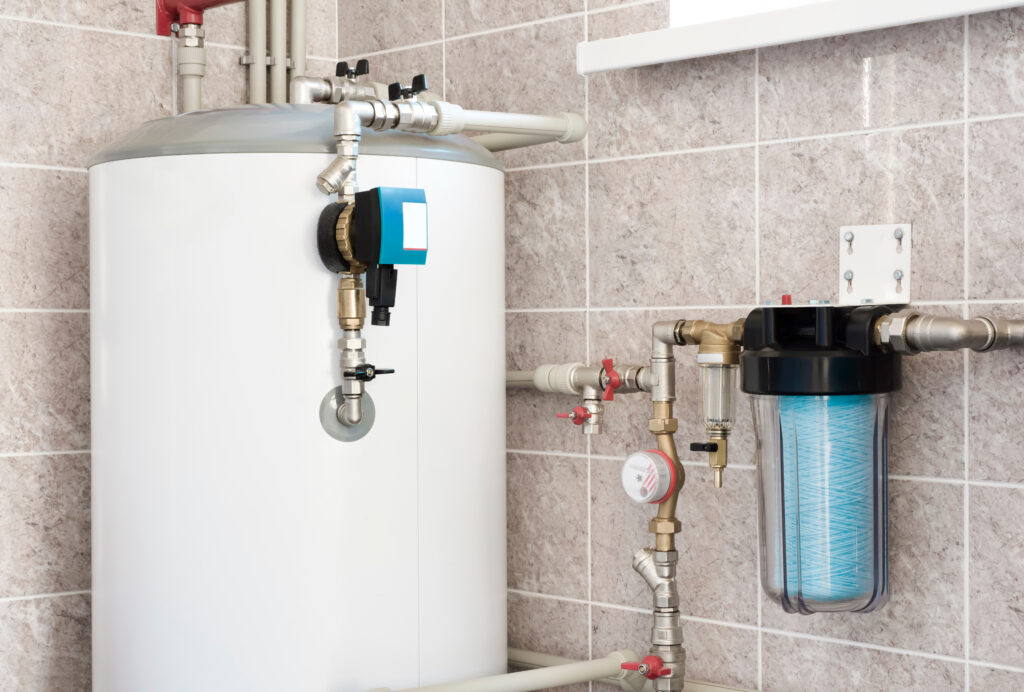
Boiler replacement prices can vary widely based on the unit, installation requirements, and additional upgrades. On average, homeowners in Gaithersburg, MD and surrounding areas can expect to spend anywhere from $5,500 to $11,000 for a full installation. Here are the main factors influencing total cost:
Boiler Type
Different systems come at different price points.
- Combi boilers: $5,500–$8,000
- System boilers: $6,500–$9,500
- Conventional boilers: $7,000–$10,500
- High-efficiency condensing boilers: $8,500–$11,000
Boiler Size and Output
Larger homes with more heating zones or bathrooms require boilers with higher output, increasing both equipment and installation costs.
Fuel Type
Fuel source affects both upfront and long-term expenses.
- Natural gas: Most common and efficient.
- Propane or oil: Slightly higher operating costs.
- Electric boilers: Lower installation cost but higher energy bills in colder climates.
Labor and Installation Complexity
If your home requires venting upgrades, pipe replacements, or additional zoning, installation costs may increase. Labor rates also vary depending on system accessibility and setup time.
Add-Ons and Upgrades
Optional upgrades such as smart thermostats, water treatment systems, or high-efficiency radiators can raise upfront costs but pay off through better performance and energy savings.
Signs It’s Time to Replace Your Boiler
It’s not always easy to tell when replacement is necessary, but several signs indicate that your boiler is nearing the end of its service life.
Common warning signs include:
- Frequent Repairs: If you’re calling for service more than twice per year, replacement may be more cost-effective.
- Age Over 15 Years: Most boilers last between 15 and 25 years. Efficiency drops sharply in older units.
- Rising Energy Bills: Declining efficiency means your boiler is burning more fuel to produce the same amount of heat.
- Uneven Heating: Cold spots or inconsistent temperatures suggest performance issues.
- Strange Noises: Clanging, banging, or hissing sounds often mean internal wear or scale buildup.
- Visible Leaks or Rust: Corrosion is a sign that the unit’s structural integrity is compromised.
If you’ve noticed any of these issues, it’s worth scheduling a professional evaluation to determine whether repair or replacement is the smarter investment.
Boiler Maintenance Tips to Extend Lifespan
A well-maintained boiler can operate safely and efficiently for decades. Following these maintenance practices helps prevent premature wear and costly breakdowns.
Recommended maintenance habits:
- Schedule annual inspections with a certified HVAC technician.
- Check pressure levels regularly and adjust if needed.
- Bleed radiators to remove trapped air and improve heat circulation.
- Clean vents and flues to prevent blockages.
- Replace filters or flush the system as recommended.
- Test your thermostat for accuracy each season.
Preventive care not only extends equipment life but also ensures your system runs efficiently year after year.
Cost Comparison: Boiler Replacement vs. Furnace Installation
If you’re deciding between a boiler and a furnace for your next heating system, understanding the cost and comfort differences can help guide your decision.
| Feature | Boiler | Furnace |
| Heating Method | Uses water or steam to radiate heat | Uses air to distribute heat |
| Efficiency Range | 85–95% | 80–98% |
| Installation Cost | $5,500–$11,000 | $4,000–$8,000 |
| Maintenance Needs | Annual inspection and water checks | Filter changes and duct cleaning |
| Air Quality Impact | No dust circulation | Can spread dust and allergens |
| Comfort Level | Even, consistent warmth | Faster temperature changes |
| Cooling Integration | Separate system required | Can share ducts with AC |
Boilers tend to offer quieter, more consistent heating, while furnaces are often less expensive upfront. The right choice depends on your home’s layout, comfort preferences, and energy goals.
Why Homeowners in Gaithersburg Trust Smock HVAC
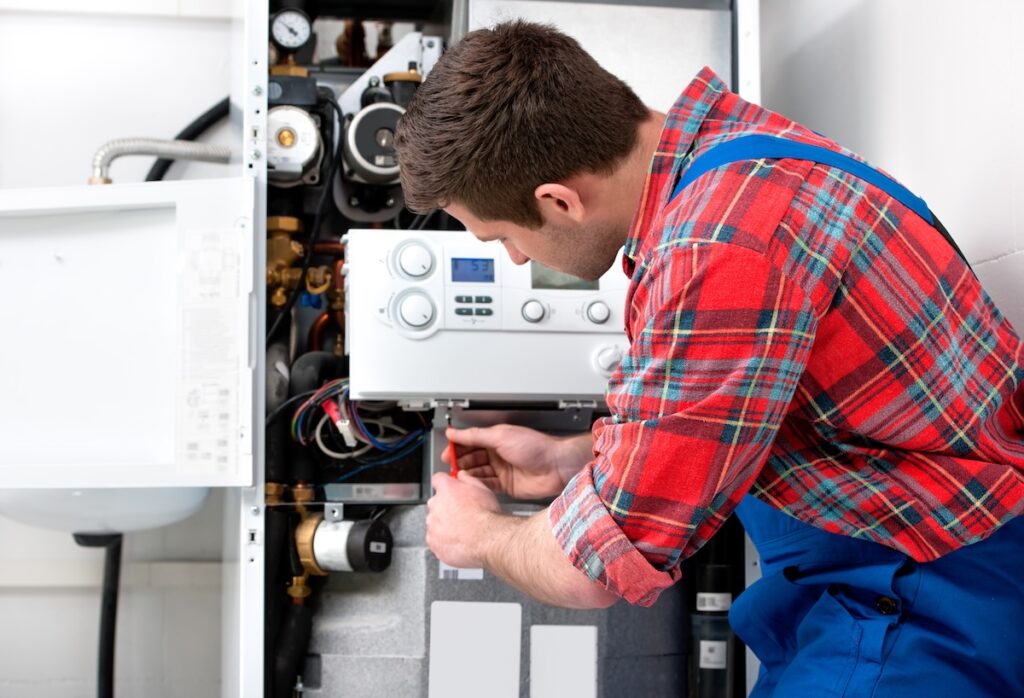
Homeowners throughout Gaithersburg, MD and surrounding areas choose Smock HVAC because of our focus on education, quality workmanship, and honest guidance. We take the time to explain each step of your boiler replacement so you understand your options clearly and confidently.
Our certified technicians handle everything—from evaluating your current system and helping you select a new boiler to ensuring precise installation and testing. With Smock HVAC, you can count on transparent pricing, reliable communication, and a commitment to safety and comfort.
Schedule Your Boiler Replacement with Smock HVAC
If your current boiler is nearing the end of its life or you’re exploring high-efficiency heating options, the experts at Smock HVAC are here to help. We proudly serve Gaithersburg, MD and surrounding areas, offering tailored recommendations based on your home’s size, layout, and budget.
Whether you need a full boiler replacement, performance upgrade, or seasonal inspection, we’ll guide you through every step. Our goal is to deliver lasting comfort, efficiency, and peace of mind for your household.
To get started or request a detailed estimate, contact us today. Smock HVAC is your trusted partner for professional heating solutions built to last.

