




April 8, 2026
The Best HVAC Filter For Allergies (2026 Top Picks)
If you struggle with indoor allergies, your HVAC system plays a bigger role than you might think. Choosing the best hvac filter for allergies can significantly reduce airborne irritants like pollen, dust, and pet dander. The right filter helps create a healthier home while supporting your system’s performance. If you are looking to improve indoor air quality and overall comfort, it is worth exploring your options with trusted heating and cooling solutions.
In this guide, you will learn:
- Which HVAC filters work best for allergy relief
- How different filter types compare
- What ratings and features actually matter
- Tips to improve indoor air quality beyond filters
Why Your HVAC Filter Matters for Allergies
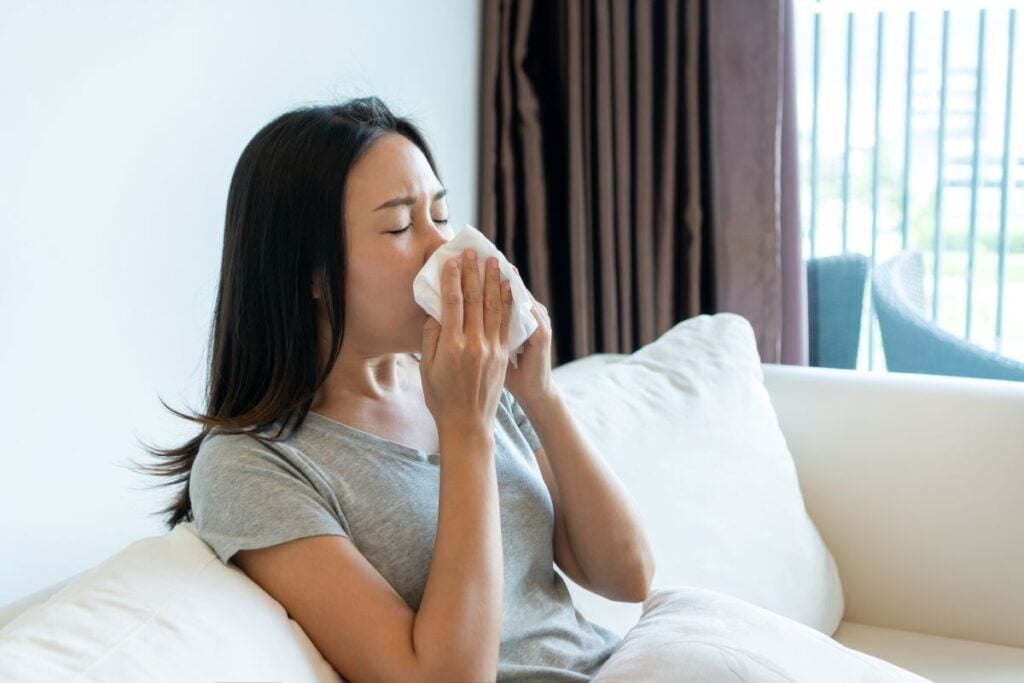
Many homeowners underestimate how much their HVAC filter impacts indoor air quality. When you choose the right filter, it does more than protect your system. It actively improves the air you breathe every day.
Here is why selecting the right filter is so important:
- Allergen Reduction: High-quality filters capture pollen, dust mites, and pet dander before they circulate through your home.
- Improved Air Quality: Cleaner air helps reduce sneezing, coughing, and irritation for allergy sufferers.
- System Protection: Proper filtration prevents buildup inside your HVAC system, reducing wear and tear.
- Energy Efficiency: A clean, effective filter allows your system to run more efficiently.
- Healthier Living Environment: Better filtration supports overall respiratory health for your household.
Homeowners in Gaithersburg, MD and surrounding areas often notice significant improvements in comfort during peak allergy seasons when using the right filter.
6 Top HVAC Filter Options for Allergy Relief in 2026
Not all HVAC filters are created equal. Understanding the different types and their benefits can help you choose the best option for your home.
1. HEPA Filters
HEPA filters are widely considered the gold standard for air filtration. They can capture up to 99.97% of airborne particles.
Best for:
- Severe allergies or asthma
- Homes with pets
- Maximum air purification
Keep in mind that not all HVAC systems are designed to handle true HEPA filters due to airflow restrictions.
2. High MERV Rated Filters (MERV 11–13)
MERV ratings measure how effectively a filter captures particles. Filters in the 11 to 13 range offer excellent allergen control without overly restricting airflow.
Benefits include:
- Strong balance between filtration and airflow
- Effective removal of dust, pollen, and mold spores
- Compatibility with most residential systems
3. Pleated Air Filters
Pleated filters have a larger surface area, allowing them to trap more particles than flat filters.
Why they work well:
- Better filtration compared to basic filters
- Affordable and widely available
- Good for moderate allergy concerns
4. Electrostatic Filters
These filters use static electricity to attract and trap particles.
Advantages include:
- Reusable options available
- Effective at capturing smaller particles
- Cost-effective over time
However, performance can vary depending on the specific product.
5. Activated Carbon Filters
Activated carbon filters are designed to remove odors and certain gases in addition to particles.
Best for:
- Homes with pets or smoke exposure
- Reducing household odors
- Complementing other filtration methods
They are often used alongside another primary filter for best results.
6. Washable Air Filters
Washable filters can be cleaned and reused, making them an eco-friendly option.
Considerations:
- Lower filtration efficiency compared to high MERV filters
- Requires regular maintenance
- Better suited for mild allergy concerns
How to Choose the Right Filter for Your Home
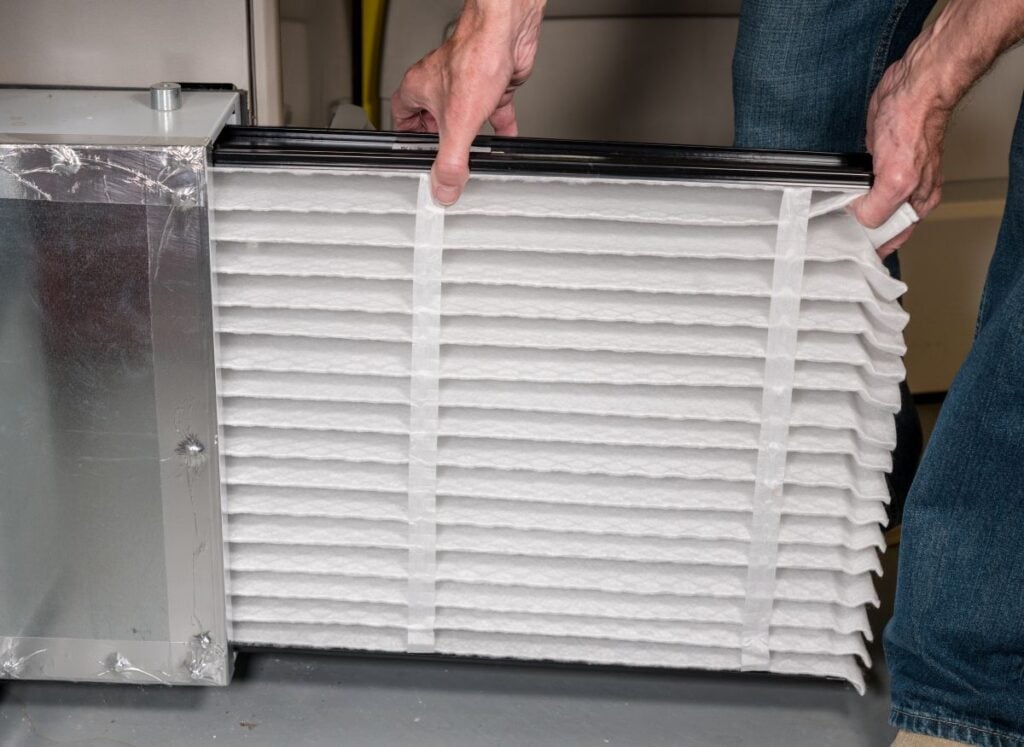
Selecting the best filter is not just about choosing the highest rating. It is about finding the right balance for your system and your needs.
Match the Filter to Your HVAC System
Not all systems can handle high-efficiency filters. Using a filter that is too restrictive can reduce airflow and strain your system.
Understand MERV Ratings
MERV ratings range from 1 to 16, with higher numbers capturing smaller particles.
General guidelines:
- MERV 8–10: Basic filtration
- MERV 11–13: Ideal for allergy control
- MERV 14+: Advanced filtration, may require system upgrades
Consider Your Household Needs
Different homes have different requirements.
Think about:
- Presence of pets
- Severity of allergies
- Indoor air quality concerns
Replace Filters Regularly
Even the best filter will not work if it is clogged.
Typical replacement schedule:
- Every 1–3 months for most homes
- More frequently during heavy use or allergy seasons
In Gaithersburg, MD and surrounding areas, seasonal pollen levels can make regular filter changes especially important.
Additional Ways to Improve Indoor Air Quality
While your HVAC filter plays a major role, it is only one piece of the puzzle. Combining filtration with other strategies can significantly improve your indoor environment.
Use Air Purifiers
Standalone air purifiers can target specific rooms and provide additional filtration where needed.
Maintain Proper Humidity Levels
Balanced humidity helps reduce allergens like dust mites and mold.
Ideal range:
- 30% to 50% humidity
Schedule Regular HVAC Maintenance
Routine maintenance ensures your system operates efficiently and supports clean air circulation.
Keep Your Home Clean
Simple habits like vacuuming and dusting regularly can reduce the number of airborne particles.
Seal Air Leaks
Preventing outdoor pollutants from entering your home helps maintain cleaner indoor air.
Homeowners in Gaithersburg, MD and surrounding areas often benefit from combining these strategies for maximum allergy relief.
Comparing HVAC Filters: What Should You Prioritize?
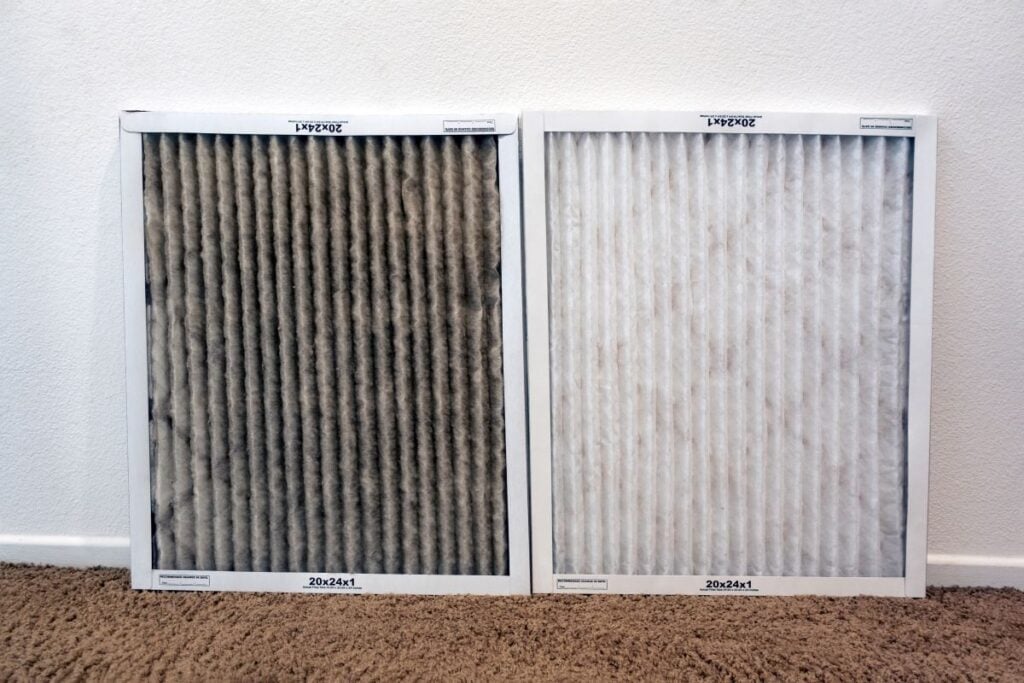
Choosing the right filter often comes down to balancing performance, cost, and system compatibility.
Key Factors to Consider
- Filtration efficiency
- Airflow impact
- Maintenance requirements
- Cost over time
Filter Comparison Table
| Filter Type | Allergen Removal | Airflow Impact | Maintenance | Best Use Case |
| HEPA | Excellent | High | Moderate | Severe allergies |
| MERV 11–13 | Very Good | Moderate | Low | Most households |
| Pleated | Good | Low | Low | Budget-friendly option |
| Electrostatic | Moderate | Low | Moderate | Reusable preference |
| Activated Carbon | Moderate | Low | Moderate | Odor control |
| Washable | Basic | Low | High | Eco-conscious households |
Balancing Efficiency and Performance
Higher filtration is not always better if it restricts airflow. The goal is to improve air quality without overworking your HVAC system.
Breathe Easier With the Right HVAC Filter
Choosing the right HVAC filter is one of the simplest ways to improve your home’s air quality and reduce allergy symptoms. With the right combination of filtration, maintenance, and smart habits, you can create a healthier indoor environment for your family.
If you want expert guidance on selecting the best solution for your home, the team at Smock HVAC is here to help. From system recommendations to indoor air quality improvements, you can contact us today to get started.
For homeowners in Gaithersburg, MD and surrounding areas, having the right support makes it easier to stay comfortable and breathe cleaner air all year long.

