



June 22, 2026
Water Heater Installation Cost (2026 Pricing Breakdown)
Understanding water heater installation cost can help homeowners prepare for one of the most important plumbing upgrades in their home. Whether you are replacing an aging hot water heater or installing a completely new unit, installation pricing can vary depending on the type of system, labor requirements, energy efficiency, and plumbing modifications involved. Knowing what factors affect water heater costs can help you make smarter decisions and avoid unexpected expenses.
In this guide, you will learn:
- Average water heater installation costs: What homeowners may expect in 2026
- What affects pricing: Labor, equipment type, and installation complexity
- Differences between water heater types: Tank vs. tankless systems
- How to choose the right system: Factors that impact long-term value
Why Water Heater Installation Costs Vary
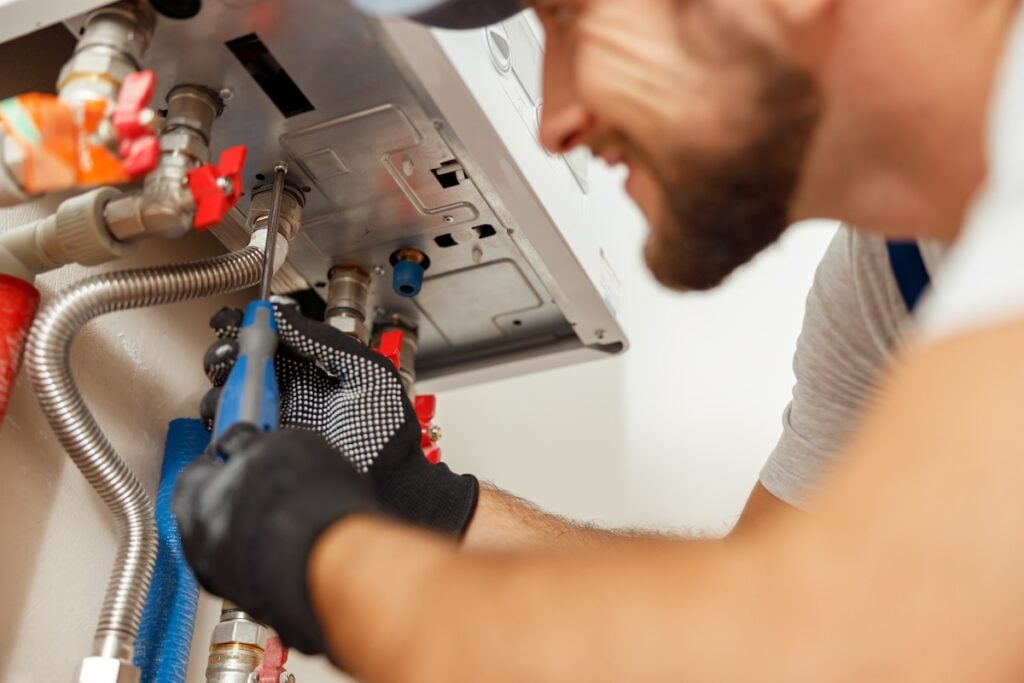
No two water heater installations are exactly the same. Several factors affect the total cost of installing a hot water heater, including the type of water heater, the condition of the plumbing system, and the complexity of the installation itself.
Water heater costs may vary because of:
- System type: Different water heater types have different installation requirements
- Fuel source: Gas and electric models require different utility connections
- Plumbing modifications: Existing pipes or valves may need upgrades
- Labor costs: Installation pricing varies by region and project complexity
According to the U.S. Department of Energy, water heating is the second largest energy expense in the average home, accounting for about 18% of a household’s utility bill — making the choice of water heater type and installation quality one of the most impactful long-term financial decisions a homeowner can make.
Average Water Heater Installation Costs in 2026
Water heater installation costs can vary widely depending on the size and type of system being installed. In most cases, homeowners can expect the total cost to range between $1,000 and $4,500 depending on the equipment selection and labor involved.
Average pricing ranges may include:
- Traditional hot water tank systems: $1,000–$2,500 installed
- Tankless water heaters: $2,000–$4,500 installed
- High-efficiency systems: Higher upfront costs with potential energy savings
- Hybrid systems: Increased installation complexity and pricing
Higher-end systems may require additional electrical work, venting upgrades, or plumbing modifications that increase overall installation costs.
Water Heater Types and Their Costs
The type of hot water heater you choose has one of the biggest impacts on installation pricing, long-term efficiency, and overall system performance. Different water heater types offer different benefits depending on your household size, fuel source, and hot water usage needs.
Traditional Tank Water Heaters
Traditional hot water tank systems remain one of the most common residential options because they offer reliable hot water and lower upfront installation costs. These systems are the most common type, typically having a storage capacity of 40-80 gallons and an efficiency rating of 58%-60%, with an average lifespan of 8-12 years.
Benefits may include:
- Lower upfront installation costs
- Simpler installation requirements
- Reliable hot water for most households
Tankless Water Heaters
Tankless water heaters heat water on demand rather than storing it inside a tank. These systems heat water on demand and do not have a storage capacity, providing endless hot water and are about 33% more efficient than traditional tank heaters.
Benefits may include:
- Endless hot water supply
- Improved energy efficiency
- Reduced space requirements
Electric Water Heaters
Electric water heaters use electrical heating elements to warm water inside the tank or system. Electric water heaters typically have lower upfront installation costs compared to natural gas or propane models, but their operating costs are generally higher due to electricity prices.
Benefits may include:
- Lower installation complexity
- No gas line requirements
- Widely available equipment options
Gas Water Heaters
Gas water heaters, including both natural gas and propane types, usually have similar upfront installation costs, with propane models being slightly more expensive. These systems often recover hot water faster than electric models, making them a popular option for larger households.
Benefits may include:
- Faster hot water recovery
- Lower operating costs in some areas
- Strong performance for high hot water demand
Hybrid Water Heaters
Hybrid water heaters combine heat pump technology with traditional water heating methods to improve efficiency and reduce operating costs. While these systems often require additional installation space and airflow, they can help lower long-term utility expenses.
Benefits may include:
- Lower long-term energy costs
- Improved efficiency
- Reduced operating expenses over time
Solar Water Heaters
Solar water heaters use solar energy to help heat household water, reducing long-term energy usage and utility costs. Solar water heaters generally have higher upfront costs compared to gas or electric models, with average installation costs ranging from $2,000 to $3,000, and high-end models costing upwards of $7,500.
Benefits may include:
- Reduced utility costs
- Renewable energy usage
- Potential rebates or incentives
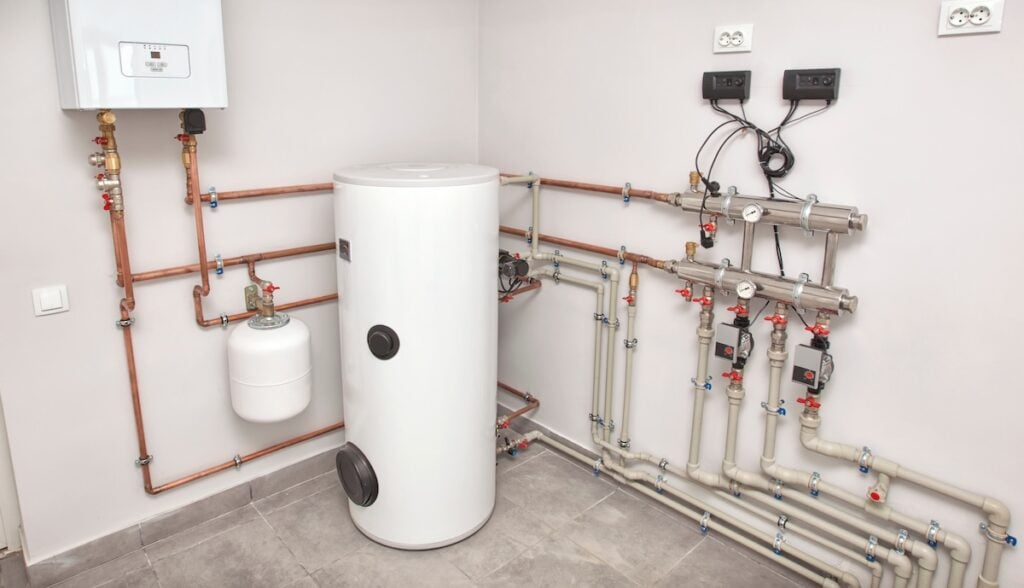
5 Factors That Affect Water Heater Installation Cost
Several important factors influence overall installation pricing beyond simply purchasing the equipment itself. Understanding these variables can help homeowners better estimate the total cost before installation begins.
1. Tank Size
Larger households generally require larger water heaters to maintain adequate hot water supply. The tank size directly affects both equipment pricing and installation requirements.
Larger systems may involve:
- Increased equipment costs
- Larger gas or electrical requirements
- More complex installation needs
2. Fuel Type
Gas and electric water heaters have different installation requirements that can affect labor and material pricing.
Fuel-related factors may include:
- Gas line upgrades
- Electrical panel capacity
- Venting requirements
- Energy efficiency ratings
3. Plumbing Modifications
Older plumbing systems may require upgrades during installation to meet modern building codes and safety standards.
Possible plumbing upgrades include:
- Shutoff valve replacement
- Expansion tank installation
- Pipe modifications
- Pressure relief valve upgrades
4. Venting Requirements
Gas water heaters often require proper venting systems to safely remove combustion gases from the home.
Venting-related costs may involve:
- New vent pipe installation
- Chimney liner upgrades
- Vent relocation
- Combustion air modifications
5. Labor and Accessibility
Installation difficulty can significantly affect labor pricing. Water heaters installed in tight spaces or difficult-to-access areas may require additional time and labor.
Labor factors may include:
- Basement or attic access
- Tight utility closets
- Existing system removal
- Additional safety upgrades
DIY Installation vs Professional Installation
Some homeowners may consider DIY installation to reduce upfront expenses, but installing a water heater involves plumbing, electrical, gas, and safety considerations that require professional expertise.
DIY installation risks may include:
- Improper gas or electrical connections
- Water leaks or pressure issues
- Code compliance violations
- Reduced system efficiency
- Voided manufacturer warranties
Professional installation helps ensure the new unit operates safely, efficiently, and according to local building codes.
Additional Costs Homeowners Should Consider
In some cases, additional expenses may appear during the installation process, especially when replacing older equipment.
Potential additional costs may include:
- Water damage repairs
- Permit and inspection fees
- Electrical panel upgrades
- Drain pan installation
- Code compliance updates
Professional inspections help identify potential issues before installation begins.
Benefits of Installing a New Water Heater
Although installation costs can feel significant, replacing an aging hot water heater offers several long-term benefits for homeowners.
Benefits of a new unit may include:
- Improved energy efficiency: Reduced utility costs
- More reliable hot water: Better system performance
- Reduced repair frequency: Fewer breakdowns and service calls
- Improved safety: Updated plumbing and safety features
- Longer equipment lifespan: Modern systems designed for better durability
Newer systems are often significantly more energy efficient than older water heaters nearing the end of their lifespan.
Should You Repair or Replace Your Water Heater?
Some homeowners may wonder whether replacing the water heater is necessary or if repairs are still worthwhile. The answer often depends on the age of the system, repair costs, and overall performance.
Replacement may make more sense when:
- The system is over 10–12 years old
- Repairs are becoming more frequent
- The tank is leaking or corroded
- Hot water supply is inconsistent
- Energy bills continue rising
Professional inspections can help determine whether replacement is the better long-term investment.
Why Professional Installation Matters
Installing a water heater involves plumbing, electrical, gas, and safety considerations that should always be handled by qualified professionals. Improper installation can reduce efficiency, create safety risks, and shorten equipment lifespan.
Professional installation helps ensure:
- Proper plumbing connections
- Safe gas or electrical setup
- Correct venting configuration
- Code-compliant installation
- Reliable long-term performance
Working with experienced professionals helps protect both your home and your investment.
Plan Ahead for Water Heater Replacement
Waiting until a hot water heater completely fails can create emergency plumbing situations and unexpected expenses. Planning ahead allows homeowners to compare equipment options carefully and schedule installation before major problems occur.
Replacing your system proactively can help you:
- Avoid emergency water damage
- Compare water heater types carefully
- Budget for the total cost of installation
- Improve long-term energy efficiency
Early planning often makes the replacement process far less stressful.
Common FAQs About Water Heater Installation Costs
Homeowners often have additional questions about installation pricing, labor expenses, and long-term savings when replacing a hot water heater. Understanding these common concerns can help you better prepare for the total cost of installing a new unit.
How much do labor costs typically add to water heater installation?
Labor costs can vary depending on the complexity of the project, local pricing, and the type of water heater being installed. Simple replacements may involve lower labor costs, while installations requiring plumbing modifications, venting upgrades, or electrical work can increase the overall price significantly.
What factors increase water heater installation costs the most?
Several factors can raise the total cost of installation, including larger tank size requirements, switching fuel types, upgrading plumbing systems, and installing tankless water heaters. Accessibility issues and code compliance upgrades can also increase labor and material expenses.
Are tankless water heaters more expensive to install?
Yes, tankless water heaters usually cost more to install than traditional hot water tank systems because they often require upgraded gas lines, electrical modifications, or specialized venting systems. However, many homeowners choose tankless systems because of their long-term energy savings and endless hot water supply.
Can a high-efficiency water heater lower utility bills?
High-efficiency systems can help reduce monthly energy costs by using less electricity or gas to heat water. While these systems typically cost more upfront, many homeowners see long-term savings through reduced utility expenses and improved operating efficiency.
Are there rebates or incentives for installing a new water heater?
Some homeowners may qualify for rebates, tax credits, or local utility incentives when installing energy-efficient water heaters such as hybrid or solar systems. Incentives vary depending on location, energy provider programs, and the type of equipment being installed.
Is DIY installation a good way to save money?
DIY installation may reduce upfront labor costs, but improper installation can create safety risks, plumbing leaks, code violations, and warranty issues. Professional installation helps ensure the system operates safely, efficiently, and according to local building requirements.
Upgrade Your Home’s Hot Water System
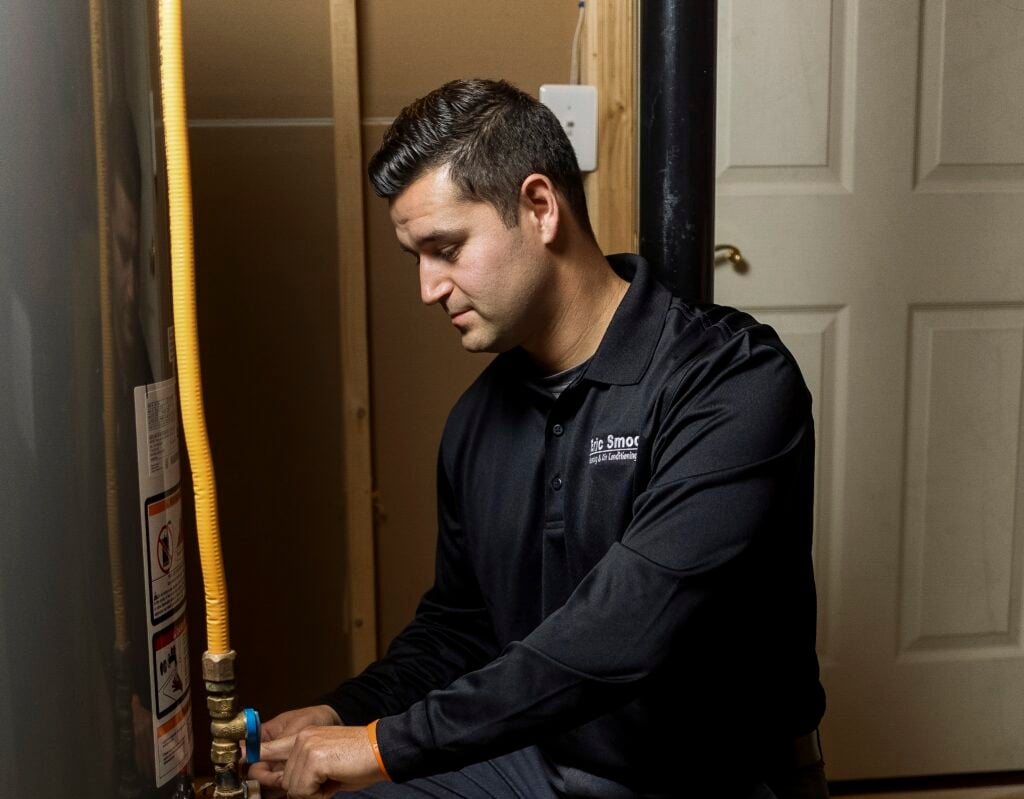
Understanding water heater installation cost can help homeowners prepare for one of the most important plumbing upgrades in their home. Whether you are considering a traditional hot water tank, tankless system, or high-efficiency upgrade, proper installation plays a major role in long-term performance and reliability.
At Smock Heating & Air, we help homeowners choose the right water heater systems based on comfort needs, energy goals, and long-term value. From helping homeowners install a water heater to complete system replacements, our team is here to improve your home’s hot water performance.
If you are considering a new unit or want an estimate for water heater costs, contact Smock Heating & Air today to schedule a consultation.

