



August 13, 2026
AC Unit Freezing Up? (6 Causes and How to Thaw It Safely)
AC unit freezing up is one of those problems that catches homeowners off guard — it seems counterintuitive that a frozen air conditioner could happen in the middle of a Maryland summer, but it is more common than most people realize and can cause serious damage if not addressed correctly. Ice forming on your AC system is never normal, and it always signals that something is preventing proper airflow or refrigerant flow through the indoor evaporator coils. If your air conditioning system has been icing up, this guide covers every likely cause, how to thaw it safely, and how to prevent it from recurring. In this guide, we cover:
- Why AC units freeze up and what makes it dangerous to ignore
- The 6 most common causes of a frozen air conditioner
- How to safely thaw a frozen AC unit without causing further damage
- Which fixes are DIY-friendly and which require a professional
We’re proud to serve homeowners in Damascus, MD, and nearby communities with air conditioning repair, maintenance, and installation services, and more.
Why a Frozen AC Unit Is a Problem
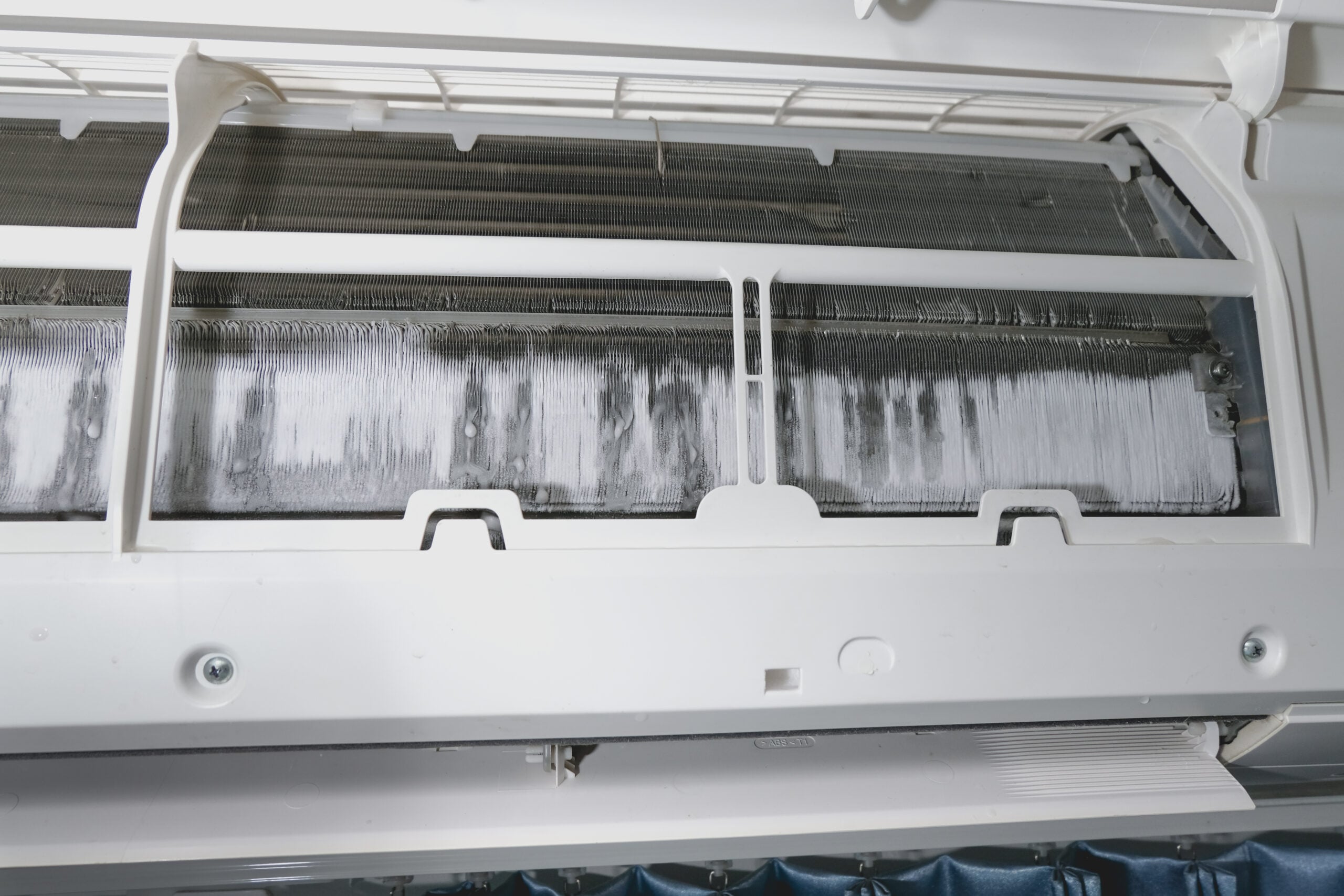
When an AC unit freezes up, ice on the indoor evaporator coils acts as an insulating barrier that prevents the cooling system from absorbing heat from your home’s air. The HVAC unit continues to run but stops producing cool air, and in many cases the freeze spreads along the refrigerant lines toward the compressor. Catching a frozen air conditioner early and fixing the root cause protects both your comfort and your equipment.
6 Causes of AC Unit Freezing Up
Not every frozen AC has the same cause, and identifying the right one is key to fixing it permanently. Here are the six most common reasons an AC system freezes, from the simplest to the most complex.
1. Dirty Air Filter Restricting Airflow
A clogged air filter is the most common cause of AC freezing and the easiest to prevent. When the filter blocks proper airflow across the indoor evaporator coils, the coil temperature drops below freezing and moisture in the warm air freezes on contact. Within hours, the air conditioning unit can be encased in ice with no cool air reaching your vents.
- How to check: Pull the filter and hold it to light. If you cannot see through it, restricted airflow is almost certainly contributing to the freeze.
- How to fix it: Replace the filter, turn the AC system off, and allow the coil to thaw before restarting.
- Prevention: Replacing the air filter every one to three months is the single most effective step for preventing a frozen air conditioner.
2. Low Refrigerant From a Leak
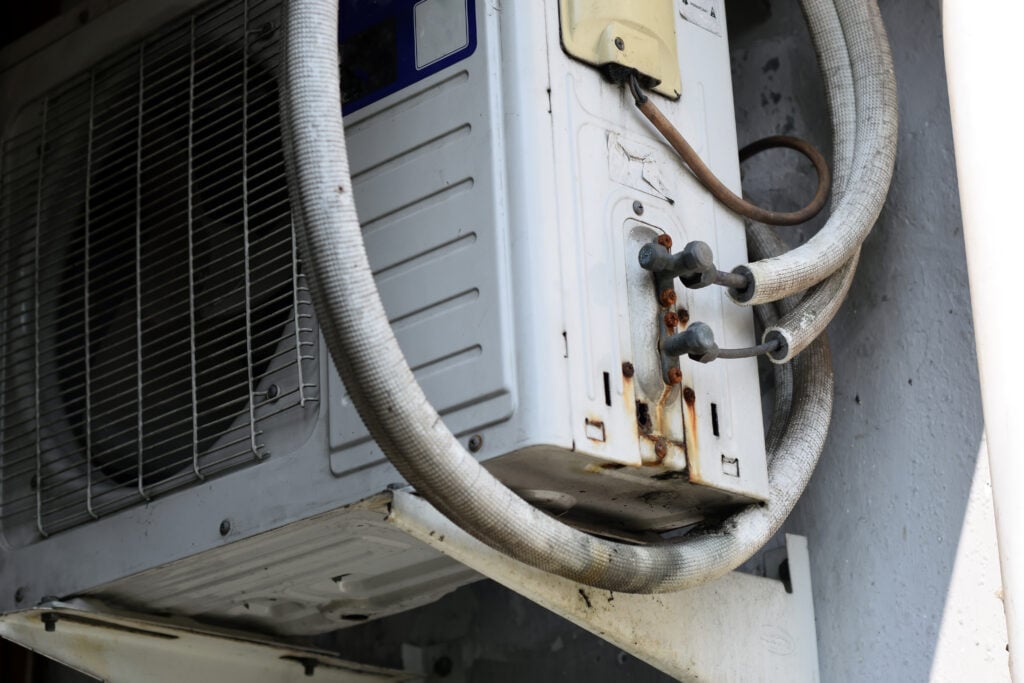
Low refrigerant causes pressure inside the indoor evaporator coils to drop too low, pushing coil temperatures below freezing and causing the AC unit to freeze up. A properly sealed refrigerant system does not lose charge under normal conditions, so low refrigerant always means a leak.
- How to fix it: An EPA-certified technician must locate and repair the leak before recharging the HVAC system. Adding refrigerant without fixing the leak results in the frozen AC returning.
- Signs to watch for: Hissing near the outdoor unit, ice on the refrigerant lines outside the coil area, and declining cool air output are all indicators of a leak.
3. Blocked or Closed Supply Vents
Closing vents in unused rooms creates the same airflow restriction as a dirty filter. When too many vents are closed, the AC system cannot move enough warm air across the indoor evaporator coils to prevent freezing, and air conditioning unit freeze-ups follow.
- How to fix it: Open all vents fully, turn the HVAC unit off to allow thawing, and restart once the coil is clear.
- Energy myth: Closing vents does not save energy. It creates pressure imbalances that force the cooling system to work harder and can cause duct leaks over time.
4. Dirty Evaporator Coil
Even with regular filter changes, the indoor evaporator coils accumulate a thin layer of dust over time that reduces their ability to absorb heat. A sufficiently dirty coil behaves like an insulated surface and eventually causes the AC unit to freeze up even when air flow appears adequate.
- How to fix it: Professional coil cleaning during an annual AC tune up removes buildup and restores proper heat transfer. This is not a DIY task, as improper cleaning damages the delicate coil fins.
- Prevention: Consistent air filter changes significantly slow the rate of coil fouling between professional cleanings.
5. Blower Motor Failure
The blower motor moves warm air across the indoor evaporator coils at the correct fan speed. If the motor begins to fail and fan speed drops, the coil temperature falls below freezing even when everything else is functioning correctly, causing the air conditioner freezing problem to recur despite clean filters and open vents.
- Signs of a failing blower motor: Weak air flow from vents, unusual sounds from the air handler, and longer run cycles without reaching the setpoint are all warning signs.
- How to fix it: A licensed technician can test the blower motor and confirm whether it is underperforming. Motor replacement restores proper airflow and prevents further freeze-up events.
6. Running the AC in Cold Outdoor Temperatures
Air conditioning units are designed to operate above approximately 60 degrees Fahrenheit outdoors. Running the AC system when outdoor temperatures drop below that threshold reduces the cooling system’s ability to reject heat and can cause the indoor evaporator coils to freeze up, particularly during cool Maryland spring and fall nights.
- How to fix it: Turn the HVAC unit off and allow the frozen AC to thaw. Use fans or open windows when outdoor temperatures dip below 60 degrees rather than running the air conditioner.
- Prevention: A smart thermostat can restrict AC operation below a set outdoor temperature threshold, preventing air conditioner freezing during shoulder seasons automatically.
How to Safely Thaw a Frozen AC Unit
Regardless of the cause, the safe thawing process is the same. Never chip at ice or apply direct heat to the coil, as both damage the indoor evaporator coils. Follow these steps to thaw correctly.
- Step 1: Turn the thermostat to off to stop the cooling cycle immediately.
- Step 2: Set the fan to on so the blower circulates warm air across the frozen AC coil to speed thawing.
- Step 3: Place towels around the air handler to catch condensation as ice melts.
- Step 4: Allow full thawing, which takes one to several hours depending on ice buildup.
- Step 5: Replace the air filter before restarting the AC system in cooling mode.
- Step 6: Monitor after restarting. If the AC unit freezes up again, call a professional — a refrigerant leak, dirty coil, or blower issue needs diagnosis.
Frozen AC Unit: DIY vs. Call a Pro
| Cause | DIY Fix | Call a Pro |
| Dirty air filter | Yes | No |
| Closed or blocked vents | Yes | No |
| Low outdoor temperature | Yes | No |
| Refrigerant leak | No | Yes |
| Dirty evaporator coil | No | Yes |
| Failing blower motor | No | Yes |
Frequently Asked Questions About AC Unit Freezing Up
Homeowners dealing with a frozen air conditioner often have urgent questions about how serious the situation is and what to do next. Here are clear answers to the most common ones.
How long does it take for a frozen AC unit to thaw?
Most frozen AC units thaw within one to three hours when the system is off and the fan is running to circulate warm air across the coil. Never chip at ice or apply direct heat, as both can permanently damage the indoor evaporator coils and cost significantly more to repair than the original freeze-up.
Can I run my AC while it is frozen?
Running a frozen air conditioner puts additional stress on the compressor and prevents the cooling system from producing cool air regardless of how long it runs. In severe cases, liquid refrigerant is drawn back into the compressor, causing damage that requires a professional to repair. Turn the HVAC system off and allow a full thaw before restarting.
Will my AC freeze up again after I thaw it?
If the underlying cause is not addressed, yes. Replacing the air filter and opening all vents resolves the most common causes. If the AC unit freezes up again after those steps, low refrigerant, dirty evaporator coils, or a failing blower motor is likely responsible and a professional should inspect the system before the next cooling cycle.
How much does it cost to fix a frozen AC unit?
Cost depends on the cause. Filter replacement costs a few dollars. Coil cleaning runs $100 to $300 as part of a professional tune up. Refrigerant leak repair and recharge ranges from $300 to $800. Blower motor replacement averages $300 to $700 including parts and labor. A professional diagnosis is the most reliable way to identify the cause before committing to a repair.
How do I prevent my AC from freezing up?
Replace the air filter every one to three months, keep all supply vents open and unobstructed for proper airflow, schedule an annual AC tune up that includes coil cleaning and refrigerant verification, and avoid running the air conditioning unit when outdoor temperatures drop below 60 degrees. Together these steps address all six causes above before they have a chance to develop into a frozen AC situation.
Keep Your Cool With Smock HVAC
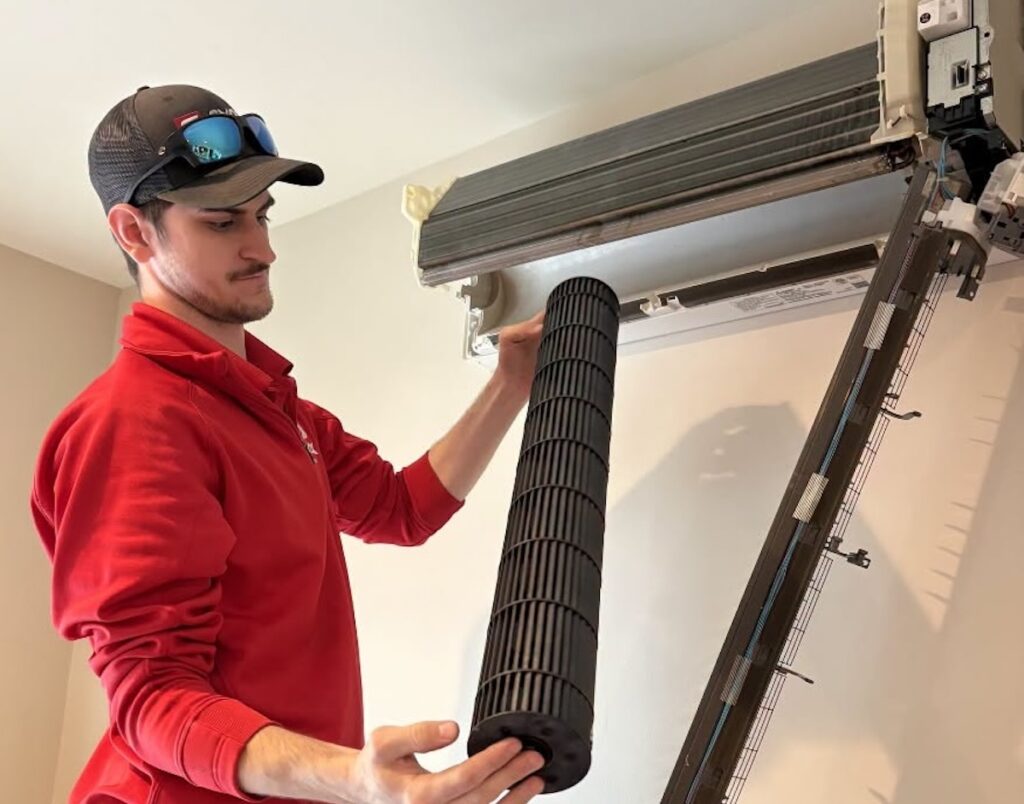
An AC unit freezing up escalates quickly, especially in the middle of a Damascus summer when your cooling system needs to perform. Whether the fix is a filter swap, a refrigerant repair, or a full diagnostic to find what keeps causing the ice buildup, Smock’s team has the tools and expertise to resolve it correctly.
Get your AC looked at today and let us restore your home’s cool air before the next heat wave hits.

