



June 10, 2026
AC Replacement (10 Signs It’s Time for a New System)
Knowing when to invest in an AC replacement can help homeowners avoid expensive breakdowns, higher energy bills, and unreliable cooling during the hottest months of the year. While some air conditioning issues can be repaired, older HVAC systems often become less energy efficient and more expensive to maintain over time. Understanding the warning signs early can help you decide when replacing your existing system makes more sense than continuing repairs.
In this guide, you will learn:
- Signs your air conditioner may need replacement: Common warning signs homeowners should not ignore
- How aging systems affect efficiency: Why older systems cost more to operate
- When repairs stop being cost-effective: Understanding long-term expenses
- Benefits of installing a new AC system: Improved comfort, airflow, and reliability
Why AC Replacement Matters
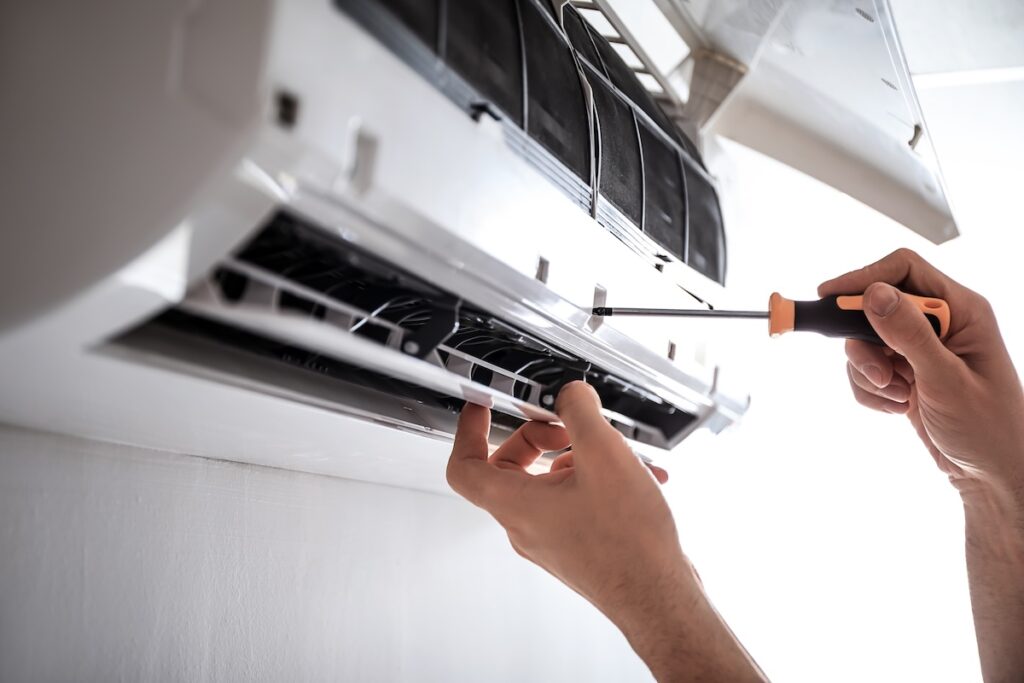
Your central air conditioning system plays a major role in maintaining indoor comfort, controlling humidity, and supporting indoor air quality. Most central air systems rely on connected indoor and outdoor units working together to circulate cooled air throughout the home. As systems age, important components naturally wear down, causing reduced cooling performance and increased energy consumption.
Replacing an older AC unit can provide:
- Improved energy efficient performance: Lower monthly cooling costs
- More reliable comfort: Better airflow and temperature consistency
- Reduced repair frequency: Fewer unexpected breakdowns
- Improved indoor air quality: Better filtration and airflow management
10 Signs It May Be Time for an AC Replacement
If your cooling system is struggling to keep up with your home’s comfort needs, it may be nearing the end of its lifespan. While some issues can be repaired, recurring performance problems and rising operating costs often indicate that replacement may be the smarter long-term investment. Understanding these warning signs can help homeowners avoid emergency breakdowns and costly repairs.
1. Your AC System Is More Than 10–15 Years Old
Most HVAC systems have an average lifespan of around 10–15 years depending on usage, maintenance, and installation quality. As systems age, efficiency naturally declines and major components begin wearing out. According to the U.S. Department of Energy, the average lifespan of a central air conditioner is about 15 to 20 years — meaning systems approaching that range are likely operating well below their original efficiency levels and costing homeowners more each month than a replacement would.
Older systems often experience:
- Reduced cooling efficiency: Longer run times and higher energy use
- Increased wear on components: Added strain on the compressor and blower motor
- Outdated technology: Lower performance compared to a new air conditioner
If your existing system is nearing the end of its expected lifespan, replacement may provide better long-term value.
2. Repairs Are Becoming More Frequent
Occasional repairs are normal, but repeated service calls can quickly become expensive. Continually repairing an aging air conditioner may eventually cost more than replacing the system entirely.
Common warning signs include:
- Recurring breakdowns: Problems continue returning
- Multiple failing components: Repairs affect different parts of the system
- Costly repairs: Labor and replacement parts continue increasing
If your system constantly requires service, installing a new air conditioner may become the more practical long-term solution.
3. Energy Bills Continue Rising
Older air conditioning systems often require more electricity to maintain indoor temperatures. As efficiency declines, your system works harder and consumes more energy.
This may happen because of:
- Declining system efficiency: More energy needed for cooling
- Worn components: Reduced overall performance
- Restricted airflow: Dirty filters or ductwork problems increase strain
Replacing an older system with a more energy efficient model can help reduce higher energy bills and improve long-term performance.
4. Your Home Has Uneven Cooling
If some rooms feel cool while others remain warm, your central air system may no longer distribute air effectively. Uneven cooling often signals declining airflow or aging equipment.
This issue may result from:
- Blower motor problems: Weak airflow throughout the home
- Existing ductwork issues: Air leaks or restricted circulation
- Improper system sizing: Existing equipment struggles to meet demand
A properly sized replacement system can improve comfort and maintain more consistent temperatures throughout the home.
5. Your System Uses Outdated Refrigerant
Older air conditioners may rely on outdated refrigerants that are becoming more difficult and expensive to service. As refrigerant regulations change, maintaining older systems often becomes less practical.
Potential issues include:
- Higher repair costs: Refrigerant availability decreases
- Reduced efficiency: Older systems use more energy
- Limited replacement parts: Harder to service aging equipment
Installing a modern AC unit or heat pump system can improve efficiency while reducing future refrigerant-related concerns.
6. Indoor Humidity and Air Quality Problems Are Increasing
Your AC system does more than cool the air. It also helps regulate humidity and maintain indoor air quality. Aging systems may struggle to manage moisture and airflow effectively.
Common warning signs include:
- Excess indoor humidity: Air feels damp or sticky
- Dust buildup: Poor filtration and airflow
- Reduced comfort levels: Inconsistent temperatures and circulation
New HVAC systems often include improved airflow and filtration technology that support healthier indoor conditions.
7. Your AC Runs Constantly
If your air conditioner rarely shuts off, it may no longer operate efficiently. Constant cycling increases wear on the system and often leads to higher operating costs.
This may happen because of:
- Aging components: Reduced cooling capacity
- Undersized equipment: System cannot keep up with demand
- Efficiency loss over time: Longer operating cycles required
A modern replacement system can cool your home more effectively while operating far more efficiently.
8. Your System Produces Strange Noises
Unusual noises coming from your AC system can indicate serious internal wear or failing components. While some sounds may be repairable, persistent noises often signal a larger issue.
Common warning sounds include:
- Grinding: Motor or bearing problems
- Banging: Loose or damaged internal components
- Rattling: Airflow or hardware issues
Ignoring these noises can eventually lead to more expensive repairs or complete system failure.
9. Your Home Still Feels Uncomfortable
Even if your system technically runs, it may no longer keep your home consistently comfortable. Older systems often struggle to maintain stable indoor conditions during extreme temperatures.
Homeowners may notice:
- Warm spots throughout the home: Uneven airflow
- Sticky indoor conditions: Poor humidity control
- Constant thermostat adjustments: Inconsistent cooling performance
Replacing your system can improve both comfort and overall system responsiveness.
10. Your System Is No Longer Energy Efficient
Older HVAC systems were not built to modern efficiency standards. Even if they still function, they often use significantly more energy than newer systems.
Signs your system lacks efficiency include:
- Longer cooling cycles: More electricity consumption
- Higher utility bills: Increased monthly costs
- Reduced cooling output: Less performance despite longer operation
A newer AC replacement can help reduce operating costs while improving overall cooling performance.
AC Replacement Costs
Understanding AC replacement costs helps homeowners plan for one of the biggest HVAC investments they may face. The cost of replacing an air conditioning unit can vary widely, typically ranging from $2,500 to $7,500 depending on the type, size, and efficiency of the system. Labor costs for AC replacement can vary throughout the year, with lower costs typically seen in the fall and early spring when HVAC technicians are less busy and may offer discounts.
Several factors can affect replacement pricing, including:
- System size requirements: Larger homes may require larger HVAC systems
- Energy efficient upgrades: Higher-efficiency systems often cost more upfront
- Existing ductwork condition: Damaged or undersized ductwork may need replacement
- Installation complexity: Electrical, refrigerant, or airflow modifications can increase labor costs
Homeowners replacing older systems may also choose between a traditional central air setup or a heat pump system depending on comfort needs and energy goals.
Benefits of Upgrading Your AC System
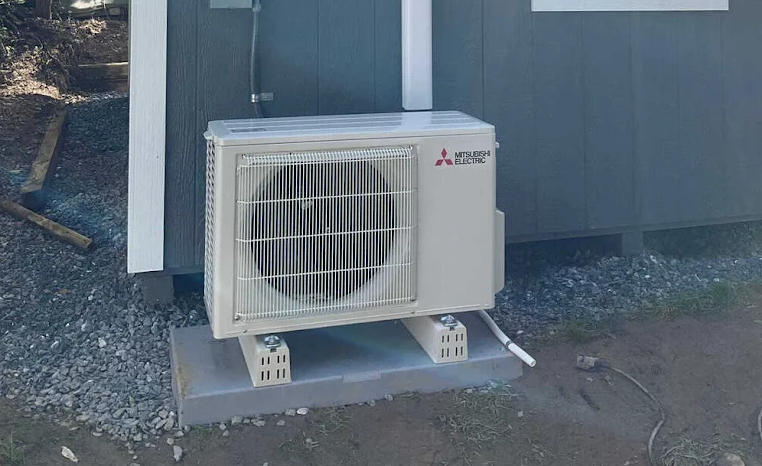
Replacing an older air conditioner offers several long-term advantages beyond simply restoring cool air. Modern HVAC systems are designed for improved efficiency, quieter operation, and more consistent indoor comfort.
Improved Energy Efficiency
New systems use less electricity while delivering stronger cooling performance throughout the home. Upgrading to a high-efficiency HVAC system can reduce energy bills by 30% to 50% compared to older models, leading to significant long-term cost savings.
Benefits include:
- Lower monthly utility bills: Reduced energy consumption
- Improved system performance: More effective cooling cycles
- Reduced strain on components: Longer equipment lifespan
Many homeowners notice energy savings shortly after installing a new air conditioner.
Better Indoor Comfort
Modern central air conditioning systems provide more consistent airflow and temperature control compared to aging equipment.
Comfort improvements may include:
- Balanced cooling throughout the home: Fewer hot spots
- Better humidity control: Improved indoor comfort levels
- Quieter operation: Reduced system noise during operation
Upgraded indoor and outdoor units often create a more comfortable living environment overall.
Reduced Repair Costs
Older systems typically require more repairs as components wear down. Replacing an aging AC unit can help reduce service calls and costly repairs over time.
Long-term reliability benefits include:
- Fewer unexpected breakdowns: More dependable operation
- Reduced maintenance expenses: Newer components require less repair work
- Improved warranty protection: Coverage for major system components
For many homeowners, the reduction in repair costs helps offset part of the installation investment over time.
Improved Indoor Air Quality
New HVAC systems often include improved filtration and airflow technology that helps support healthier indoor conditions.
Potential indoor air quality benefits include:
- Cleaner airflow: Improved filtration performance
- Reduced airborne dust and allergens: Better circulation and filtration
- More consistent ventilation: Improved comfort throughout the home
Modern systems are designed to improve both comfort and overall indoor air quality.
Key Factors to Consider Before Replacing Your AC
Choosing a new air conditioner involves more than simply replacing your current unit. Homeowners should consider efficiency, installation quality, and long-term operating costs before making a decision.
System Efficiency Ratings
Modern central air conditioning systems are designed to provide better cooling performance while using less energy.
Benefits of higher-efficiency systems include:
- Lower utility bills: Reduced monthly energy use
- Improved cooling performance: More consistent temperatures
- Reduced environmental impact: Lower overall energy consumption
Higher efficiency systems often provide long-term savings over the life of the equipment.
Proper System Sizing
An oversized or undersized system can create performance problems and reduce efficiency.
Proper sizing helps ensure:
- Balanced airflow: Consistent cooling throughout the home
- Improved humidity control: Better indoor comfort
- Reduced equipment strain: Longer system lifespan
Professional load calculations help determine the right system size for your home and existing ductwork.
Professional Installation Matters
Even the best air conditioning system can perform poorly if installed incorrectly. Proper installation directly affects efficiency, reliability, and long-term system performance.
Professional installation helps ensure:
- Correct airflow setup: Balanced ductwork and ventilation
- Proper refrigerant levels: Improved cooling efficiency
- Safe electrical connections: Reliable operation
Quality installation is one of the most important factors in overall AC performance.
Avoid Waiting Until Your AC Completely Fails
Many homeowners continue repairing aging systems until they completely stop working. Unfortunately, emergency replacement during peak summer temperatures can create additional stress and limit your options.
Planning ahead allows you to:
- Compare system options carefully: Better equipment selection
- Schedule installation conveniently: Avoid emergency situations
- Budget for replacement costs: More financial flexibility
Replacing your AC system proactively can make the process much easier and less stressful.
Upgrade Your Home Comfort With a New AC System
Recognizing the signs of an aging air conditioner can help you avoid higher energy bills, poor cooling performance, and repeated breakdowns. Whether your current central air system struggles with airflow, efficiency, or reliability, investing in an AC replacement can improve comfort and reduce long-term operating costs.
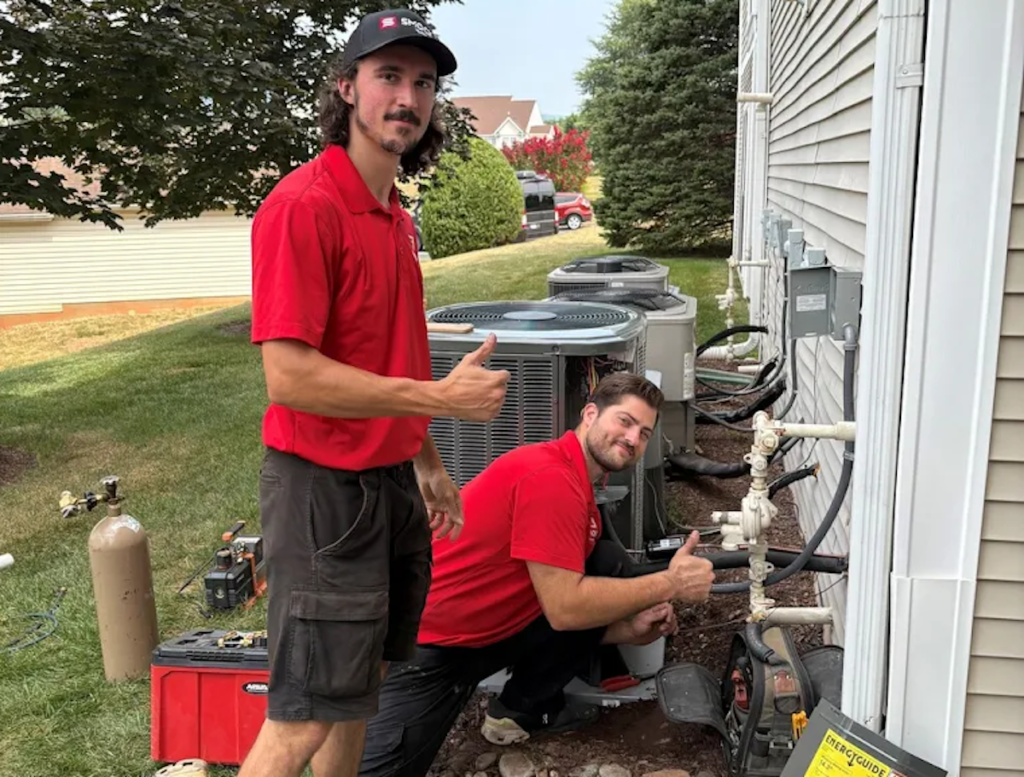
At Smock Heating & Air, we help homeowners evaluate their cooling systems and recommend practical replacement options based on comfort, efficiency, and long-term value. From system inspections to complete AC replacement services, our team is here to help you choose the right new air conditioner for your home.
If your air conditioner is showing signs of decline, contact Smock Heating & Air today to schedule an evaluation and explore your AC replacement options.

