


September 8, 2026
AC Leaking Water Inside? (6 Causes + Quick Fixes)
AC leaking water inside your home is one of those problems that tends to catch homeowners off guard — your air conditioner is supposed to cool the air, not flood your utility room. Water around your indoor air handler is never normal, and left unaddressed, it can lead to water damage, mold growth, and system failures that cost far more to resolve than the original leak. If your air conditioning system has been dripping or pooling water indoors, this guide walks through every common cause and what to do about it. In this guide, we cover:
- Why AC units produce water and when it becomes a problem
- The 6 most common causes of an AC leaking water inside
- Quick fixes you can try yourself and when to call a professional
- How to prevent indoor water leaks going forward
We’re proud to serve homeowners in Monrovia, MD, and nearby communities with air conditioning repair, maintenance, and installation services, and more.
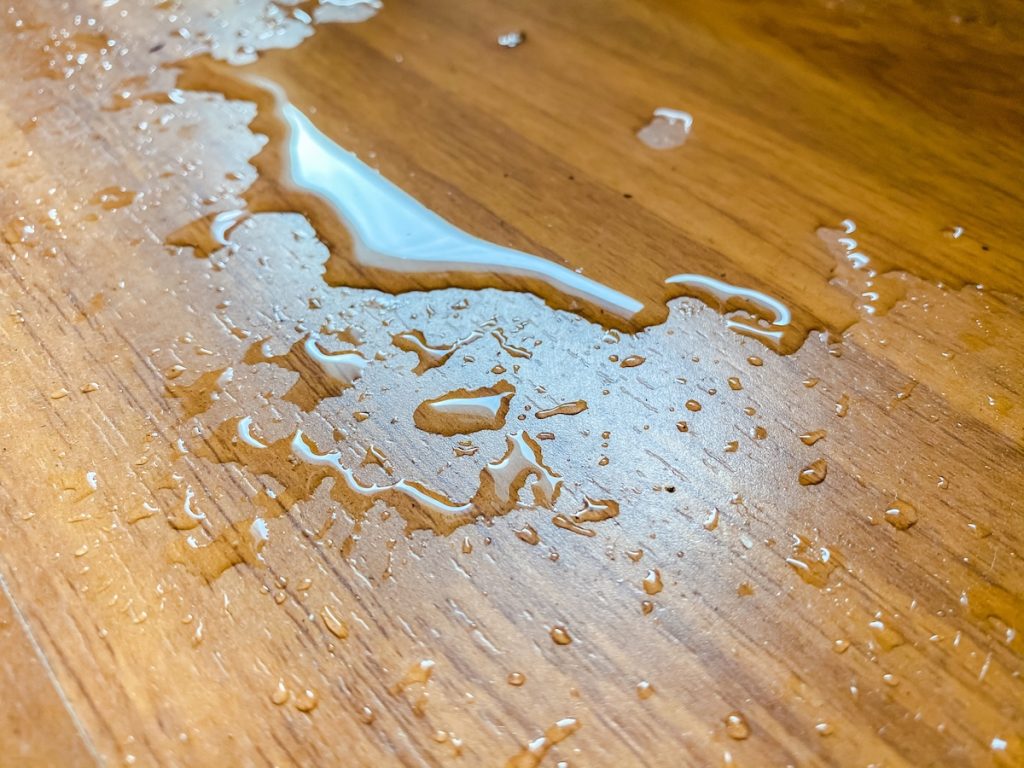
Why Your AC Produces Water in the First Place
Air conditioners remove humidity from the air as part of the cooling process. As warm, humid air passes over the cold evaporator coil, moisture condenses on the coil surface the same way a cold glass sweats on a hot day. That condensation drips into a drain pan and exits the home through the condensate drain line. Under normal operation, this process happens continuously and invisibly. When something interrupts that drainage path or causes excess condensation to form, water ends up where it should not — inside your home.
6 Causes of AC Leaking Water Inside
The causes below range from simple DIY fixes to issues that require a licensed technician. Working through them in order helps you identify the problem quickly and respond appropriately. According to the U.S. Environmental Protection Agency, mold can begin to grow within 24 to 48 hours of water exposure, making a prompt response to any indoor AC water leak essential for protecting your home.
1. Clogged Condensate Drain Line
A clogged condensate drain line is the most common cause of an AC leaking water inside, accounting for the majority of indoor water leak calls during cooling season. Over time, algae, mold, and debris accumulate inside the drain line and restrict or completely block the flow of condensation out of the home. When the line is blocked, water backs up into the drain pan and eventually overflows onto the floor around the air handler.
- How to fix it: Pour a cup of distilled white vinegar into the condensate drain access point near the indoor air handler to dissolve algae buildup. Follow with a flush of warm water. For more stubborn clogs, a wet-dry vacuum applied to the end of the drain line outside can pull the blockage free.
- Prevention: Flushing the condensate line with vinegar every few months during cooling season prevents the buildup that leads to clogs and keeps the line flowing freely.
2. Dirty Air Filter
A severely clogged air filter restricts airflow across the evaporator coil, causing the coil to drop below freezing and ice over. When the system cycles off or the ice melts, the volume of water produced exceeds what the drain pan can handle, resulting in an AC leaking water inside.
- How to fix it: Turn the system off immediately to allow the coil to thaw, then replace the air filter before restarting in cooling mode. Allow a full thaw before running the AC again, which can take one to several hours depending on the extent of the ice buildup.
- Prevention: Replacing the air filter every one to three months prevents the airflow restriction that leads to coil freezing and the water leaks that follow.
3. Frozen Evaporator Coil
A frozen evaporator coil can be caused by a dirty air filter, but it also results from low refrigerant, a failing blower motor, or blocked vents. Regardless of the cause, a frozen coil produces the same outcome — excess water when the ice melts that overwhelms the drain pan and spills onto the floor around the air handler.
- How to fix it: Turn the system off and set the fan to run only to circulate warm air and accelerate thawing. Check and replace the air filter. If the coil refreezes after restarting, low refrigerant or a blower motor issue is likely the cause and a professional inspection is needed.
- Signs to watch for: Ice visible on the refrigerant lines near the indoor unit, reduced airflow from vents, and rooms that will not cool are all signs the coil is frozen.
4. Cracked or Overflowing Drain Pan
The drain pan sits beneath the evaporator coil and collects condensation before it drains out through the drain line. Over time, the pan can crack, corrode, or develop rust holes that allow water to leak directly onto the floor even when the drain line itself is clear. On older systems, a deteriorated drain pan is a common and often overlooked source of indoor water leaks.
- How to check: Inspect the drain pan visually with the system off. Look for visible cracks, rust spots, or areas where water is pooling and escaping around the pan edges rather than draining correctly.
- How to fix it: A cracked or severely corroded drain pan should be replaced by a licensed technician. As a temporary measure, waterproof sealant can patch small cracks while you wait for a scheduled service visit.
5. Low Refrigerant
Low refrigerant causes pressure inside the evaporator coil to drop, which lowers the coil temperature below freezing and leads to ice formation. Like the other freeze-related causes above, the resulting meltwater can overwhelm the drain pan and produce an AC leaking water inside situation that recurs every time the system runs.
- Signs of low refrigerant: Hissing or bubbling sounds near the refrigerant lines, reduced cooling performance, and ice forming on the outdoor unit are all indicators that refrigerant levels may be low.
- What to do: Refrigerant handling requires EPA certification and cannot be addressed without a licensed technician. If low refrigerant is suspected, turn the system off and schedule a professional inspection to locate and repair the leak before recharging.
6. Improper Installation or Disconnected Drain Line
In some cases, an AC leaking water inside is the result of an installation issue rather than a maintenance problem. A drain line that was not properly connected, sealed, or pitched during installation will leak regardless of how well the rest of the system is maintained. This is more common in newer systems or systems that have recently had components replaced.
- How to check: Trace the condensate drain line from the air handler to its exit point and look for any disconnected joints, loose fittings, or sections where the line sags and traps water rather than flowing out.
- How to fix it: Reconnecting a loose fitting is a simple fix most homeowners can handle. Correcting an improperly pitched drain line or resolving a more complex installation issue is best left to a licensed technician who can assess the full drainage setup.
Quick Reference: AC Water Leak Causes
| Cause | DIY Fix | Call a Pro |
| Clogged drain line | Yes | If vinegar flush fails |
| Dirty air filter | Yes | No |
| Frozen coil from filter | Yes | If it refreezes |
| Cracked drain pan | Temporary patch | Yes, for replacement |
| Low refrigerant | No | Yes |
| Disconnected drain line | Partially | For improper pitch |
Frequently Asked Questions About AC Leaking Water Inside
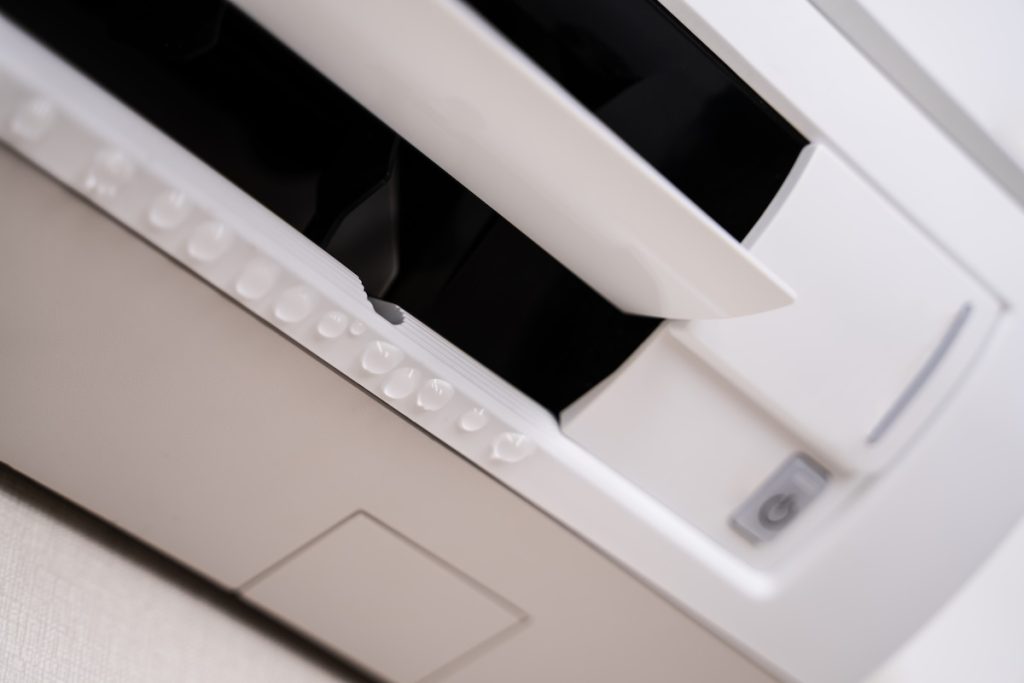
Homeowners dealing with water around their indoor air handler often have urgent questions about how serious the situation is and what to do right away. Here are clear answers to the most common ones.
Is water leaking from my AC an emergency?
It depends on the volume and location of the leak. A small amount of water around the drain pan during peak cooling hours may indicate a minor clog that can be addressed quickly with a vinegar flush. Large volumes of water, water near electrical components, or water that is causing visible damage to walls, flooring, or ceilings should be treated as urgent and the system should be turned off immediately until the cause is identified.
How do I know if my condensate drain line is clogged?
The most common signs of a clogged condensate drain line are water pooling around the base of the indoor air handler, a musty smell near the unit, and in some systems an automatic shutoff that prevents the AC from running at all. Many modern systems have a float switch in the drain pan that cuts power to the unit when water reaches a certain level, which is why an AC that stops running suddenly during hot weather may actually have a drain clog rather than an equipment failure.
Can I run my AC if it is leaking water inside?
Running an AC that is actively leaking water inside risks water damage to your home, mold growth in the area around the air handler, and potential damage to electrical components if water reaches them. Turn the system off until the cause of the leak is identified and addressed. If the cause is a simple clogged drain line or dirty filter, resolving those issues and confirming the leak has stopped before restarting is the safest approach.
How much does it cost to fix an AC water leak?
Cost depends on the cause. Unclogging a condensate drain line is a straightforward service call, typically in the $75 to $200 range. Drain pan replacement runs $200 to $600 depending on the unit. Refrigerant leak repair and recharge can range from $300 to $800. If the leak has caused water damage to surrounding areas, remediation costs are separate from the AC repair itself and can vary significantly based on the extent of the damage.
How do I prevent my AC from leaking water inside?
The most effective prevention steps are replacing the air filter every one to three months, flushing the condensate drain line with vinegar during cooling season, keeping all supply vents open for proper airflow, and scheduling an annual AC tune-up that includes drain line inspection and cleaning. Together these habits address the most common causes of indoor water leaks before they have a chance to develop.
Keep Your Home Dry With Smock HVAC
An AC leaking water inside is the kind of problem that starts small and escalates quickly if the underlying cause is not addressed. Whether the fix is a simple drain flush, a coil thaw, or a professional repair that gets to the root of a recurring leak, Smock’s team helps Monrovia homeowners resolve the issue accurately and prevent it from coming back.
Book your AC service appointment today and let us take care of the leak before it becomes something more serious.

