



July 29, 2026
AC Fan Not Working? Causes, Fixes & When to Call a Pro
When your air conditioner runs but the air stops moving, something is wrong with one of the most essential parts of your cooling system. An AC fan not working can mean anything from a tripped breaker to a failed capacitor to a burned-out motor, and knowing the difference between a quick fix and a call to a professional can save you time, money, and a very uncomfortable day in a Maryland summer. In this guide, we cover:
- How your AC fan works and why it matters
- The most common causes of AC fan failure
- Simple fixes you can safely try yourself
- Warning signs that mean it’s time to call a pro
- How to prevent fan problems before they start
We’re proud to serve homeowners in Mt. Airy, MD, and nearby communities with air conditioning repair, maintenance, and installation services, and more.
How Your AC Fan Works
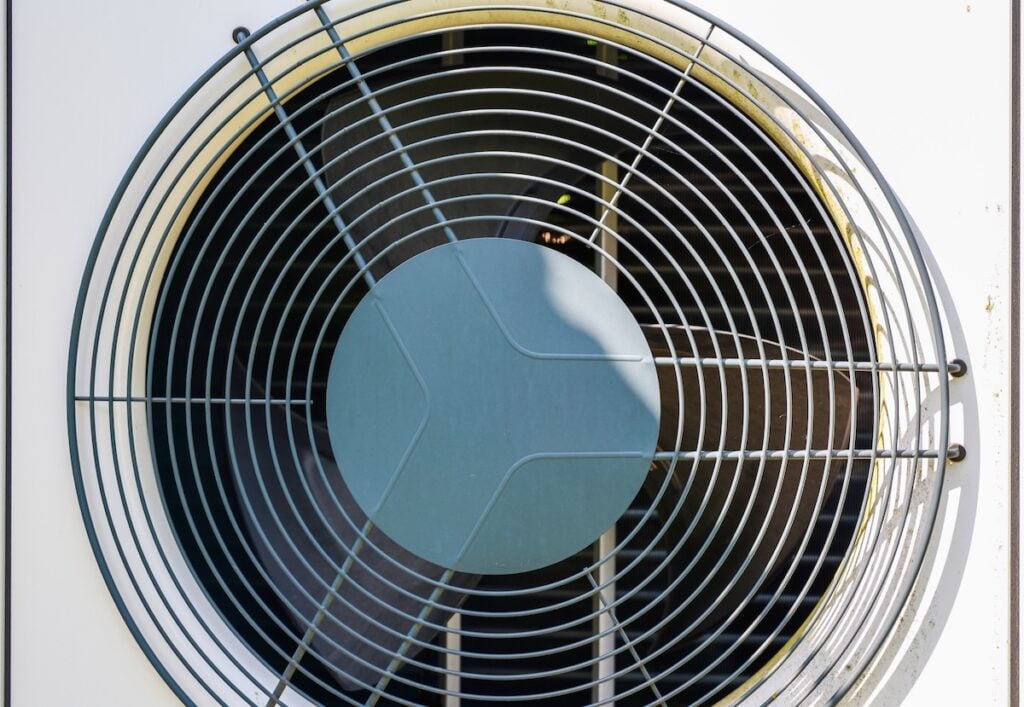
Your air conditioning system actually has two fans working together to keep your home cool. Understanding what each one does makes it much easier to pinpoint which one has stopped working and why.
The indoor blower fan sits inside your air handler and circulates air from your home across the evaporator coil, where heat is removed before the cooled air is pushed back through your ducts. The outdoor condenser fan sits inside the outdoor unit and pulls air across the condenser coil to release that heat outside. If either fan fails, the entire cooling process breaks down.
Indoor Blower Fan vs. Outdoor Condenser Fan
- Indoor blower fan: Moves air through your ductwork and across the evaporator coil. When this fan fails, you may feel little to no airflow from your vents even though the system appears to be running.
- Outdoor condenser fan: Releases heat from the refrigerant to the outside air. When this fan fails, the outdoor unit may run briefly then shut off, or the system may freeze up due to heat buildup.
- Fan motor: Powers both fan types and is one of the most common components to fail in aging systems.
- Capacitor: Provides the electrical boost needed to start and run the fan motor. A failed capacitor is one of the leading causes of AC fans stopping suddenly.
6 Most Common Reasons Your AC Fan Stops Working
Most AC fan failures come down to a handful of causes. Knowing which one you’re dealing with helps you decide whether it’s a DIY fix or time to pick up the phone.
1. Failed Capacitor
The capacitor is a small cylindrical component inside your outdoor unit that stores and releases electrical energy to start and run the fan motor. When it fails, the fan may hum but not spin, spin slowly, or stop working altogether. Capacitor failure is one of the most common AC repairs, especially in older systems or after periods of heavy use during hot Maryland summers.
- Signs of a bad capacitor: The fan hums but does not spin, the system struggles to start, or the outdoor unit shuts off shortly after starting.
- Lifespan: Most capacitors last 10 to 20 years but can fail earlier due to heat exposure or power surges.
- DIY risk: Capacitors store a dangerous electrical charge even when the system is off. Replacement should be handled by a licensed technician.
2. Burned-Out Fan Motor
Fan motors wear out over time, especially in systems that run heavily through hot and humid summers. A motor that overheats repeatedly, loses lubrication, or simply reaches the end of its service life will eventually stop running entirely. On older systems, a burned-out motor is often a sign that broader system decline is underway.
- Signs of a failing motor: Grinding or squealing noises before the fan stopped, the motor feels hot to the touch, or there is a burning smell near the unit.
- Repair vs. replace: On systems under 10 years old, motor replacement is usually cost-effective. On older systems, weigh the repair cost against the value of full AC replacement.
- Prevention: Annual maintenance that includes lubrication and motor inspection extends motor life significantly.
3. Tripped Breaker or Blown Fuse
Before assuming the worst, check your electrical panel. A tripped circuit breaker or blown fuse is one of the simplest and most overlooked causes of an AC fan not working. Air conditioners draw significant power during startup, and a surge or overload can trip the breaker without any underlying equipment failure.
- What to do: Reset the breaker once. If it trips again immediately, do not reset it a second time. A repeatedly tripping breaker signals an underlying electrical problem that needs professional diagnosis.
- Disconnect box: Outdoor AC units also have a disconnect box near the unit. Check that the disconnect has not been pulled or that the fuses inside have not blown.
- Safety first: Never repeatedly reset a breaker that keeps tripping. This can cause electrical damage or create a fire hazard.
4. Frozen Evaporator Coil
A frozen evaporator coil can restrict or completely block airflow through your indoor unit, making it appear as though the blower fan has stopped working. Coil freezing is typically caused by restricted airflow from a dirty filter, low refrigerant levels, or a blower fan that was already underperforming.
- How to tell: Ice visible on the refrigerant lines near the indoor unit, reduced airflow from vents, or water pooling near the air handler as ice melts.
- What to do: Turn the system off and set the fan to run only, without cooling, to help thaw the coil. Replace your air filter and check all vents for obstructions before restarting.
- When to call: If the coil refreezes after thawing, low refrigerant or another underlying issue is likely the cause and requires professional service.
5. Contactor or Relay Failure
The contactor is an electrical switch inside the outdoor unit that controls power to the compressor and condenser fan motor. When the contactor wears out or becomes pitted from electrical arcing, it may fail to send power to the fan even when the thermostat calls for cooling. Relay failures inside the air handler can similarly prevent the blower fan from receiving the signal to run.
- Signs of contactor failure: The outdoor unit does not respond when the thermostat calls for cooling, or you can hear a clicking sound but the fan does not start.
- Inspection: A licensed technician can visually inspect the contactor for pitting or burning and test it with a multimeter.
- Replacement cost: Contactor replacement is typically one of the more affordable AC repairs and is well within the skill set of a qualified HVAC technician.
6. Dirty or Obstructed Fan Blades
Over time, outdoor condenser fan blades accumulate dirt, debris, and even vegetation that can unbalance the blade assembly or physically obstruct rotation. In some cases, a fan that appears to have stopped working has simply been blocked by leaves, sticks, or other yard debris that found its way into the outdoor unit.
- What to check: With the system powered off at the disconnect, look through the top grille of the outdoor unit for visible debris around or on the fan blades.
- Safe cleaning: Remove debris by hand with the power fully off. Avoid spraying water directly into the unit without knowing what you are doing.
- Bent blades: A blade that has been bent by debris contact can cause vibration and noise and should be inspected by a technician before the system is restarted.
Quick Fixes You Can Safely Try at Home
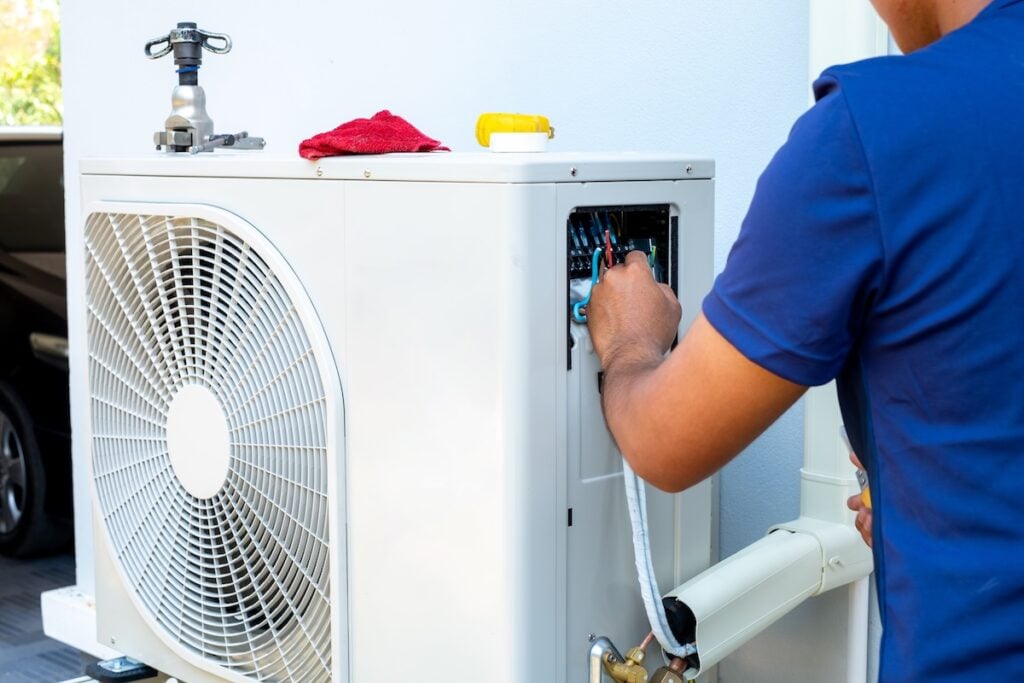
Not every AC fan problem requires a service call. Here are a few things you can safely check and address yourself before calling a professional.
According to the U.S. Department of Energy, keeping your air conditioner well-maintained, including regular filter changes and annual tune-ups, can prevent up to 95 percent of common AC problems. Many of the issues that cause fan failure start small and are completely preventable with basic upkeep.
- Replace your air filter: A severely restricted filter can cause the blower fan to work so hard it overheats and shuts off on thermal protection. Check and replace it first.
- Check the thermostat: Confirm the thermostat is set to cool and the fan is set to auto. A thermostat set to off or a dead battery can mimic a fan failure.
- Reset the breaker: If the breaker has tripped, reset it once and monitor the system. Do not reset repeatedly if it trips again.
- Clear debris from the outdoor unit: Power the system off at the disconnect and remove any leaves, grass, or debris that may be blocking the condenser fan.
- Check the disconnect box: Confirm the outdoor disconnect has not been accidentally pulled and that the fuses inside are intact.
When to Call a Professional
Some AC fan problems are safely within reach of a handy homeowner. Others involve live electrical components, refrigerant, or mechanical failures that require a licensed technician. Call a pro when:
- The breaker keeps tripping after being reset once, which signals an electrical fault that needs diagnosis.
- You suspect a capacitor failure, since capacitors hold a dangerous charge and should only be handled by a qualified technician.
- The fan motor smells like burning or makes grinding noises, which point to mechanical failure requiring professional repair or replacement.
- The coil refreezes after thawing, since this typically indicates low refrigerant that only a certified technician can legally handle.
- The system is over 10 years old and experiencing repeated fan problems, since multiple failures in a short period often signal that broader replacement makes more sense than continued repairs.
Comparison: AC Fan Problems at a Glance
| Problem | DIY Fix Possible | Call a Pro |
| Tripped breaker | Yes, reset once | If it trips again |
| Dirty air filter | Yes | Not needed |
| Debris in outdoor unit | Yes, with power off | If blades are bent |
| Failed capacitor | No | Yes |
| Burned-out fan motor | No | Yes |
| Frozen evaporator coil | Partially (thaw and filter) | If it refreezes |
| Contactor or relay failure | No | Yes |
Frequently Asked Questions About AC Fan Problems
Homeowners dealing with a fan that has stopped working often have urgent questions. Here are clear answers to the most common ones.
Why is my AC running but no air is coming out of the vents?
This usually points to a failed indoor blower fan or motor, a frozen evaporator coil blocking airflow, or a tripped breaker cutting power to the air handler. Start by checking your filter and breaker, then listen for whether the indoor unit is making any sound. If it is completely silent, the blower motor or its capacitor is likely the culprit.
Can I run my AC with a broken fan?
Running your air conditioner with a non-functioning fan can cause serious damage. Without the condenser fan, the outdoor unit overheats and refrigerant pressure spikes, which can damage the compressor, the most expensive component in the system. Turn the system off and call for service rather than continuing to run it.
How much does it cost to replace an AC fan motor?
AC fan motor replacement typically ranges from $300 to $700 including parts and labor, depending on the motor type and the system it is installed in. Capacitor replacement is generally less expensive, ranging from $150 to $400. These figures can vary based on system age, brand, and local labor rates in the Mt. Airy area.
How long does an AC fan motor last?
Most AC fan motors last between 10 and 20 years with proper maintenance. Systems that receive annual tune-ups, including motor inspection and lubrication, consistently outlast those that are neglected. Operating conditions also play a role, since motors in systems that run heavily through hot Maryland summers experience more wear than those in milder climates.
Can a dirty filter really cause the fan to stop working?
Yes. A severely clogged filter restricts airflow to the point where the blower motor overheats and shuts itself off on thermal protection. Once the motor cools down, it may restart temporarily, only to overheat and shut off again. Replacing the filter is always the first step when diagnosing a blower fan that stops and starts intermittently.
Get Your AC Running Again With Smock HVAC
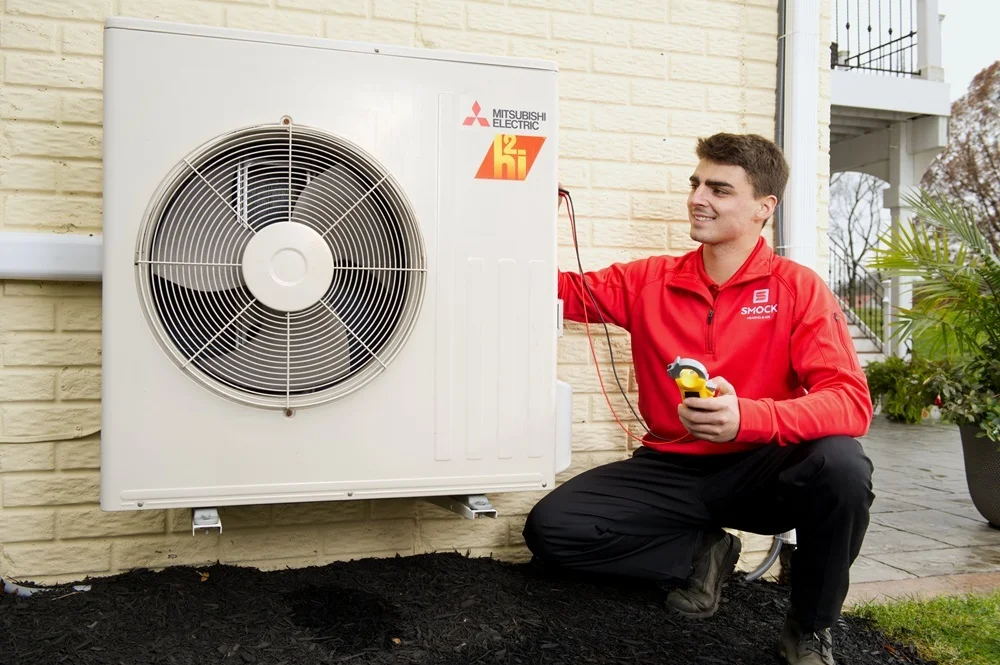
A fan that stops working is not just an inconvenience. In a Maryland summer, it can make your home genuinely uncomfortable within hours. Whether the fix is simple or your system needs more significant attention, the Smock team is ready to diagnose the problem accurately and get your cooling system back on track without unnecessary upsells or guesswork.
Our technicians serve Mt. Airy homeowners with same-day responsiveness, honest assessments, and the expertise to handle everything from a quick capacitor swap to a full system evaluation. When your AC fan stops working, contact our team to schedule your service and get your home comfortable again.

